Authentic Chicken Tikka Masala Recipe
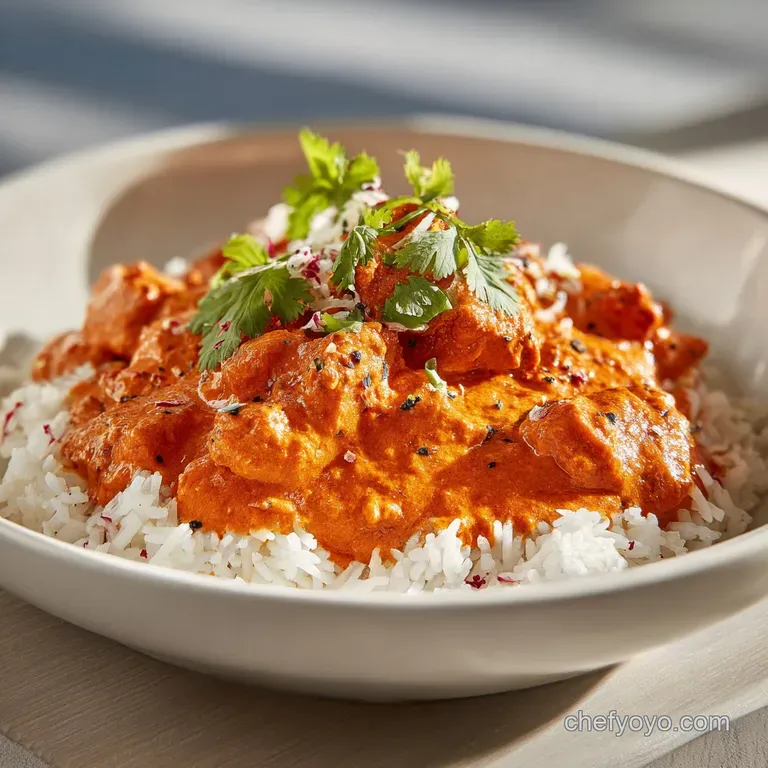
- Time: Active 20 minutes, Passive 30 minutes, Total 50 minutes
- Flavor/Texture Hook: Succulent charred chicken in a silky, vibrant orange sauce
- Perfect for: Impressive weekend dinners or a contemporary meal prep upgrade
- Creating the Ultimate Smokey Chicken Tikka Masala
- Lactic Acid and Protein Tenderness
- Understanding the Chicken Tikka Masala Specifications
- Assembling the Vibrant Flavor Elements
- Essential Tools for Searing and Simmering
- Executing the Perfect Chicken Tikka Masala
- Troubleshooting the Gravy and Texture
- Dietary Adaptations for Everyone
- Scaling for Crowds or Solos
- Debunking Common Kitchen Beliefs
- Storage Guidelines and Zero Waste
- Contemporary Presentation Tips
- Recipe FAQs
- 📝 Recipe Card
Creating the Ultimate Smokey Chicken Tikka Masala
The first time I tried to recreate Chicken Tikka Masala at home, my kitchen ended up smelling like a burnt spice cabinet for three days. I had followed a generic recipe that told me to throw everything into a pan at once, resulting in tough chicken and a sauce that tasted purely like raw turmeric.
It was a disheartening mess, but it sparked a three month obsession with understanding how to get that signature restaurant "char" and "silky" finish without owning a thousand degree clay tandoor oven.
I spent weeks testing heat levels, yogurt ratios, and spice blooming times until I finally hit the jackpot. The secret wasn't some rare ingredient, but rather the sequence of the sizzle.
When that first batch of marinated chicken hit the screaming hot ghee, the aroma was instant toasted cumin, sharp ginger, and sweet garlic filled the house. It felt contemporary yet deeply rooted in tradition.
Now, I never settle for takeout because the homemade version is significantly more vibrant and adjusted exactly to my palate.
We are going to build layers of flavor here. This isn't just a "dump and stir" meal; it is a contemporary take on a classic that focuses on technique. We want the chicken to have those dark, caramelized edges that "shatter" slightly when bitten, contrasting against a sauce so smooth it feels like a warm hug.
Trust me, once you smell the garam masala blooming in the ghee, you'll know you’re on the right track.
Lactic Acid and Protein Tenderness
The Science of the Soften: The lactic acid in Greek yogurt breaks down the lean protein fibers in the chicken thighs more gently than citrus or vinegar. This prevents the meat from becoming rubbery while creating a thick coating that caramelizes into a savory crust during the sear.
| Feature | Fresh Preparation | Shortcut Version (Jarred) | Outcome Difference |
|---|---|---|---|
| Aroma | Pungent, toasted, multi layered | Muted, singular, slightly acidic | Fresh spices provide volatile oils for a longer finish |
| Texture | Succulent chicken with charred edges | Soft but often mushy chicken | over High heat searing is only possible with fresh marinade |
| Color | Vibrant sunset orange from Kashmiri chili | Dull brownish red from preservatives | Natural pigments provide a more contemporary presentation |
A quick tip from my kitchen to yours: if you want the most vibrant color without the heat, always look for Kashmiri chili powder specifically. It provides that signature red hue without making the dish uncomfortably spicy for those with sensitive palates.
Understanding the Chicken Tikka Masala Specifications
Before we get the pans hot, let's look at what we are working with. This recipe is designed for efficiency without sacrificing the soul of the dish. We are using chicken thighs because they handle the over high heat sear much better than breasts, which tend to dry out before the sauce can even say hello.
Chef Note: Freeze your ginger for 10 minutes before grating; the fibers break much cleaner, and you won't end up with "woody" bits in your velvety sauce.
| Component | Science Role | Pro Secret |
|---|---|---|
| Greek Yogurt | Proteolysis (tenderizing) | Use full fat for a richer, more stable emulsion in the sauce |
| Ghee | High Smoke Point | Infuse the ghee with whole spices first to create a flavor base |
| Tomato Purée | Acidic Balance | Cook the purée until the oil separates to remove the raw metallic taste |
While you are prepping the chicken, keep in mind that the size of your dice matters. Aim for 2.5 cm (1 inch) pieces. If they are too small, they will overcook during the sear; too large, and they won't pick up enough of that beautiful sauce in every bite. If you enjoy this flavor profile, you might also find the bright notes in The Greek Lemon recipe quite captivating for your next weeknight meal.
Assembling the Vibrant Flavor Elements
The ingredient list might look long, but most of it is the spice blend that gives this dish its authentic backbone. We aren't using anything you can't find at a standard grocery store, but the quality of your spices will dictate the final aroma.
- 1.5 lbs (680g) boneless, skinless chicken thighs: Cut into 2.5 cm pieces. Why this? Thighs remain succulent under high heat.
- 1/2 cup (120g) plain Greek yogurt: For the marinade base. Why this? Provides the acid needed for tenderizing.
- 1 tbsp lemon juice: To brighten the marinade.
- 2 tbsp fresh ginger: Minced and divided.
- 7 cloves garlic: Minced and divided.
- 2 tsp ground turmeric: Divided for color and earthiness.
- 4 tsp garam masala: Divided for the "warm" spice profile.
- 1 tsp ground cumin: To add a smoky baseline.
- 1/2 tsp Kashmiri chili powder: For that deep red, contemporary glow.
- 2 tbsp ghee: For searing and sautéing.
- 1 large yellow onion: Finely diced to melt into the gravy.
- 1 tsp ground coriander: For a floral, citrusy top note.
- 1.5 cups (350ml) tomato purée: The base of the sauce.
- 1 tsp granulated sugar: To balance the tomato acidity.
- 1 tsp sea salt: To draw out moisture and season.
- 1/2 cup (120ml) heavy cream: For the final silky finish.
- 1/4 cup fresh cilantro: Chopped for a fresh garnish.
| Original Ingredient | Substitute | Why It Works |
|---|---|---|
| Ghee | Neutral Oil + Butter | Oil prevents burning, butter adds the necessary milk solids |
| Kashmiri Chili | Paprika + Cayenne | Paprika provides color, cayenne adds the missing heat |
| Heavy Cream | Full fat Coconut Milk | Provides similar fat content. Note: Adds a slight tropical nuttiness |
If you are out of heavy cream, don't worry. A dollop of cashew cream (soaked and blended cashews) actually adds a beautiful nutty depth that feels very contemporary and high end.
Essential Tools for Searing and Simmering
To get the best results, you need equipment that can handle heat and hold it. A cast iron skillet is my go to for the chicken because it creates that "shatter" crust we talked about. For the sauce, a heavy bottomed pot or a deep sauté pan will prevent the tomato purée from scorching as it reduces.
- Large Mixing Bowl: For the initial marination.
- Cast Iron Skillet (like Lodge): Crucial for the over high heat sear.
- Deep Sauté Pan: To build the gravy.
- Fine Mesh Grater: For the ginger and garlic.
- Silicone Spatula: To scrape every bit of that liquid gold sauce.
Executing the Perfect Chicken Tikka Masala
Now, let's get into the rhythm of the kitchen. This process is divided into phases to ensure each component is cooked to its specific potential.
- Marinate the chicken. Combine 1.5 lbs chicken thighs with 1/2 cup Greek yogurt, 1 tbsp lemon juice, 1 tbsp ginger, 4 cloves garlic, 1 tsp turmeric, 2 tsp garam masala, 1 tsp cumin, and 1/2 tsp Kashmiri chili. Note: Let this sit for at least 20 minutes.
- Sear the meat. Heat 1 tbsp ghee in a cast iron skillet over high heat until the pan is wispy with smoke.
- Brown in batches. Add the chicken pieces, leaving space between them. Note: If you crowd the pan, they will steam rather than sear.
- Char the exterior. Cook for 3 minutes per side until dark brown charred spots appear. Remove chicken and set aside.
- Sauté the aromatics. In a separate pan, add 1 tbsp ghee and the diced onion. Cook until soft and translucent.
- Bloom the spices. Stir in the remaining ginger, garlic, 1 tsp turmeric, 2 tsp garam masala, and 1 tsp coriander. Wait for a fragrant, toasted aroma (about 1 minute).
- Simmer the base. Pour in 1.5 cups tomato purée, 1 tsp sugar, and 1 tsp salt. Cook for 10-15 minutes until the sauce thickens and oil begins to bead on the surface.
- Reincorporate the chicken. Slide the seared chicken and any resting juices into the sauce.
- Finish the emulsion. Stir in 1/2 cup heavy cream. Cook until the sauce turns a vibrant orange and bubbles gently.
- Garnish and serve. Turn off the heat and fold in the 1/4 cup fresh cilantro.
| Servings | Chicken Amount | Tomato Purée | Cook Time |
|---|---|---|---|
| 2 People | 0.75 lbs (340g) | 0.75 cups | 25 mins |
| 4 People | 1.5 lbs (680g) | 1.5 cups | 30 mins |
| 8 People | 3 lbs (1.3kg) | 3 cups | 45 mins |
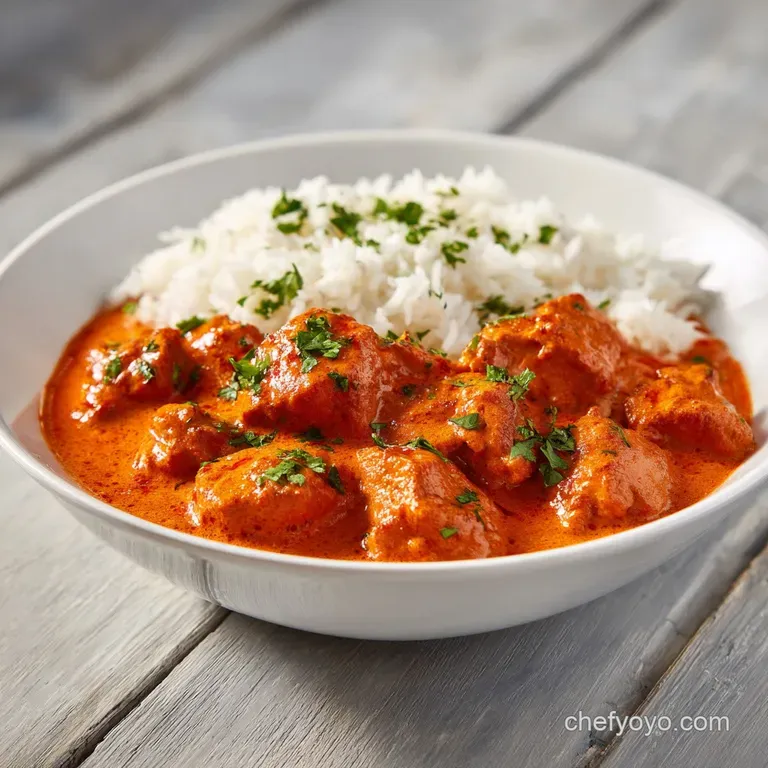
When the cream hits the tomato base, you’ll see the color shift from a deep brick red to that iconic, glowing orange. It is a visual cue that the fats are emulsifying, creating that velvety mouthfeel we are after.
Troubleshooting the Gravy and Texture
Even the best cooks run into a snag occasionally. The most common issue with this dish is the balance of acid and fat. If your sauce tastes "flat," it likely needs a tiny pinch more salt or a squeeze of lemon at the very end to wake up the spices.
Sauce Separation or Curdling
If you notice the sauce looks grainy after adding the cream, it usually means the heat was too high. The milk proteins in the cream can denature and clump if they boil aggressively. Always turn the heat down to a low simmer before introducing the dairy.
Excessively Acidic Tomato Base
Some canned tomato purées are more acidic than others. If the sauce makes you pucker, the 1 tsp of sugar might not be enough. Add another half teaspoon and let it simmer for two more minutes. The heat will help the sugar neutralize the sharp metallic notes of the tomato.
Tough or Dry Chicken
If your chicken feels like rubber, it likely spent too much time in the simmer. Remember, the chicken was already partially cooked during the over high heat sear. It only needs about 5 to 8 minutes in the sauce to finish cooking through.
| Problem | Root Cause | Solution |
|---|---|---|
| Sauce is too thin | Not enough reduction time | Simmer uncovered for 5 extra mins before adding cream |
| Bitter aftertaste | Burnt spices | Always add ginger/garlic after onions have softened |
| Lack of "smokey" flavor | Skillet wasn't hot enough | Use cast iron and wait for wisps of smoke before searing |
Common Mistakes Checklist
- ✓ Pat the chicken dry before adding the marinade to prevent excess moisture.
- ✓ Ensure the ghee is shimmering hot before the first piece of chicken touches it.
- ✓ Do not skip the "blooming" phase for the dry spices in the onion base.
- ✓ Use room temperature heavy cream to prevent the sauce from "shocking" and curdling.
- ✓ Let the finished dish sit for 5 minutes off the heat before serving to thicken.
Dietary Adaptations for Everyone
You can easily pivot this recipe to fit different needs without losing that contemporary flair. For a lighter version, replace half of the heavy cream with full fat Greek yogurt stirred in at the very end (off the heat).
dairy-free Conversions
To make this completely dairy-free, use coconut oil or a vegan butter substitute instead of ghee. Replace the Greek yogurt in the marinade with a thick coconut yogurt, and use full fat coconut milk (the canned kind, shaken well) instead of heavy cream.
It won't be exactly the same, but the coconut adds a lusciousness that is very authentic to southern Indian styles.
Vegetarian Variations
Swap the chicken for 1 inch cubes of paneer or extra firm tofu. If using tofu, press it for 30 minutes first to remove moisture, then sear it exactly like the chicken.
Roasted cauliflower florets also work beautifully here; just toss them in the marinade and roast at 200°C (400°F) for 20 minutes before adding to the sauce.
Scaling for Crowds or Solos
If you are cooking for a big party, you can double this recipe easily. However, you must work in batches for the searing phase. If you put 3 lbs of chicken in one skillet, the temperature will drop, the juices will release, and you will end up boiling the meat in its own liquid goodbye, char!
When scaling down for one or two people, keep the spice amounts the same for the marinade but halve the chicken and sauce components. Having a bit of extra spice in a smaller batch only intensifies the experience. If you enjoy the process of making these complex sauces, you might want to try the Homemade Butter Chicken recipe as a slightly sweeter, milder sibling to this dish.
Debunking Common Kitchen Beliefs
One myth I hear constantly is that you must use red food coloring to get the "authentic" look. That is purely a restaurant shortcut. The combination of turmeric and Kashmiri chili powder (or high-quality paprika) creates a much more complex, natural glow that doesn't stain your tongue or your countertops.
Another misconception is that the sauce needs hours to simmer. In reality, over simmering can cause the volatile oils in the garam masala to evaporate, leaving the dish tasting flat and "muddy." A quick 15 minute reduction of the tomato base is all you need for the flavors to marry while remaining bright and contemporary.
Storage Guidelines and Zero Waste
Chicken Tikka Masala is one of those rare dishes that actually tastes better the next day. The spices continue to penetrate the meat, and the sauce thickens into an even more decadent consistency.
- Fridge: Store in an airtight container for up to 4 days.
- Freezer: This freezes beautifully for up to 3 months. Just leave out the heavy cream if you know you are going to freeze it, then add the cream when reheating.
- Zero Waste Tip: If you have leftover sauce but no chicken, use it as a base for poached eggs the next morning a fusion "Shakshuka" that is absolutely brilliant. You can also blend leftover cilantro stems into the tomato purée for an extra hit of freshness rather than throwing them away.
Contemporary Presentation Tips
To make this look like it came out of a professional kitchen, don't just dump it into a bowl. Use a wide, shallow pasta bowl to show off the vibrant orange sauce. Drizzle a tiny bit of extra heavy cream in a swirl over the top right before serving to create a beautiful contrast.
Finish with a generous sprinkle of fresh cilantro and a few very thin slices of fresh ginger (julienned). Serve it alongside some charred garlic naan and fluffy basmati rice. If you want to go the extra mile, a side of The Greek Lemon recipe's tzatziki provides a cooling counterpoint that guests always appreciate. Enjoy the sizzle, the smell, and that first incredible bite!
Recipe FAQs
What's the secret to a great tikka masala?
Sear the marinated chicken over extremely high heat. This creates the essential charred exterior ("shatter") that contrasts beautifully with the creamy sauce.
Is chicken tikka masala Indian or British?
It is largely considered a British creation. While it draws heavily on traditional Indian Tandoori flavors, it was developed in the UK to suit local palates, becoming a national dish.
Is chicken tikka masala very hot?
No, it is generally mild to medium heat. The vibrancy comes from spices like turmeric and Kashmiri chili, which provide color and depth rather than intense fire.
Which is better, tikka masala or butter chicken?
Neither is universally better; they offer distinct experiences. Tikka Masala is tangier and smokier due to the charred chicken and slightly sharper tomato base, while Butter Chicken is sweeter and richer, relying more heavily on cream.
How to achieve the signature velvety texture in the sauce?
Simmer the tomato purée until the oil separates before adding cream. This step removes the raw metallic taste and ensures a stable emulsion when the final fat (cream) is incorporated.
What is the best way to tenderize the chicken before cooking?
Marinate the chicken thighs in full fat Greek yogurt for at least 20 minutes. The lactic acid gently breaks down the proteins, which helps the meat stay succulent when searing at high temperatures. If you enjoy mastering protein tenderness, see how the same principle of gentle acid application works in our The Greek Lemon recipe for great results.
Can I use chicken breast instead of thighs?
Yes, but you risk dryness if you cook it the same way. Chicken breasts cook faster and are leaner, so reduce their searing time significantly to prevent them from becoming tough before they hit the simmering sauce.
Authentic Chicken Tikka Masala
Ingredients:
Instructions:
Nutrition Facts:
| Calories | 589 kcal |
|---|---|
| Protein | 38.4 g |
| Fat | 42.1 g |
| Carbs | 14.8 g |
| Fiber | 2.9 g |
| Sugar | 8.2 g |
| Sodium | 785 mg |
