Bang Bang Chicken Skewers Recipe
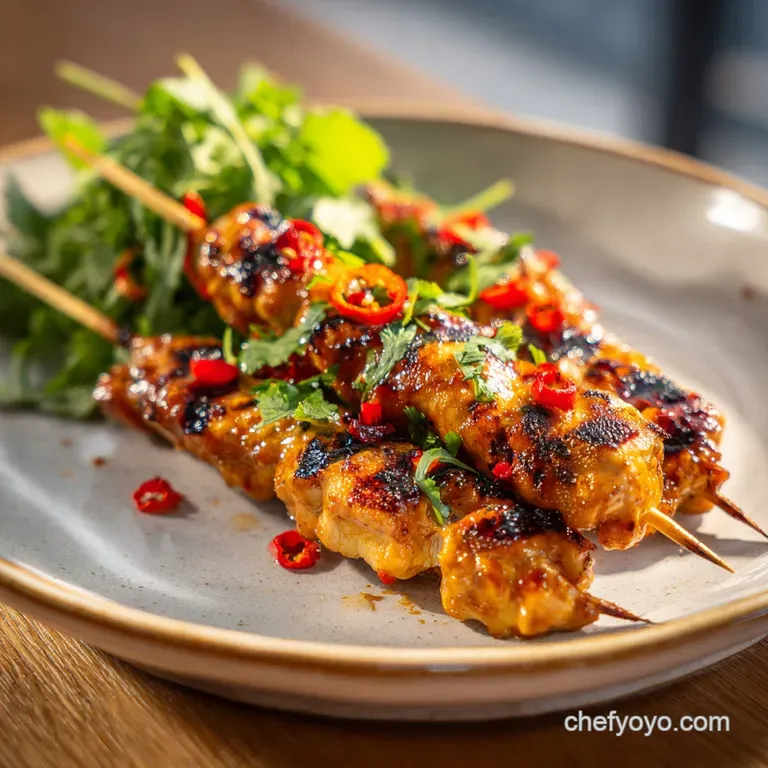
- Time: Active 50 minutes, Passive 12 minutes, Total 1 hours 2 mins
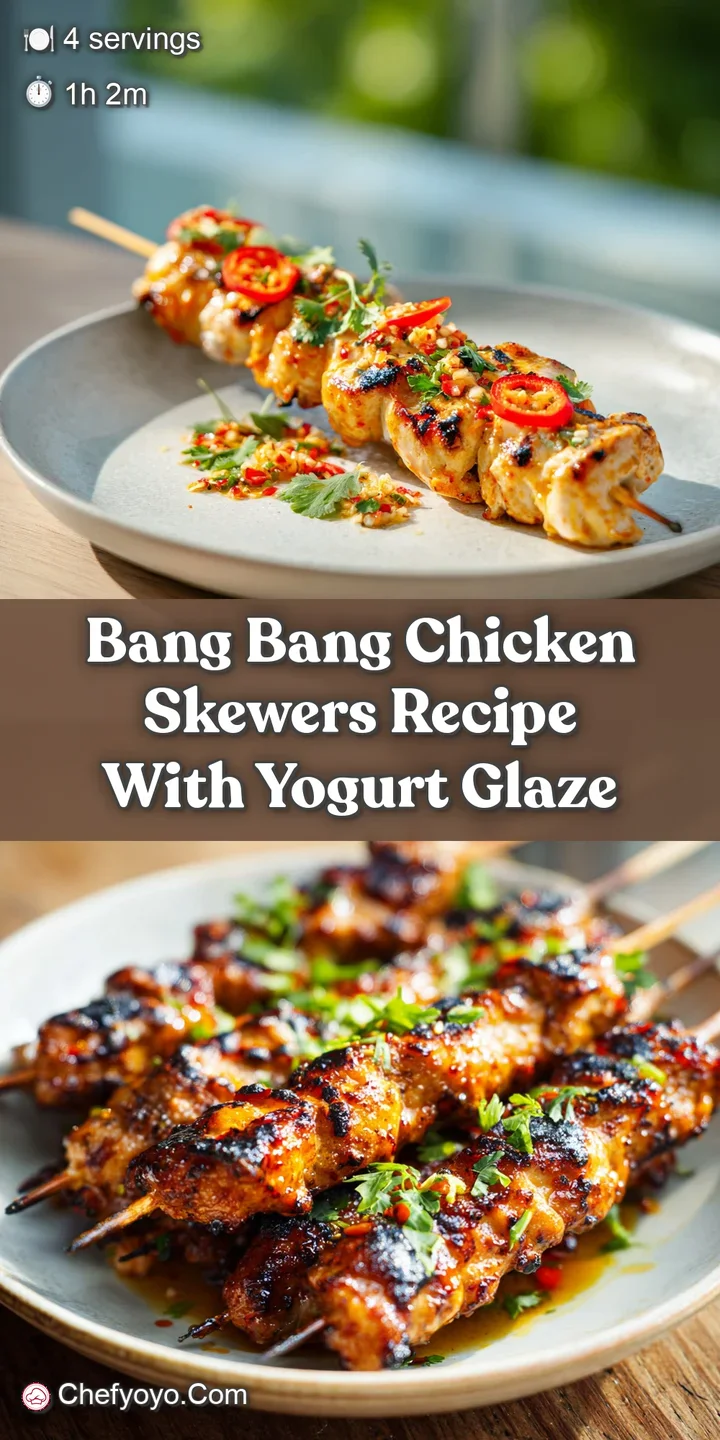
- Flavor/Texture Hook: Tacky, sweet heat glaze with a smoky, charred exterior
- Perfect for: High protein meal prep or a vibrant weekend gathering
- Create the Best Bang Bang Chicken Skewers
- The Physics of the Tacky Glaze
- High Quality Fusion Ingredient Selection
- Essential Kitchen Tools for Success
- Executing the Layered Cooking Process
- Solving Common Texture and Flavor Issues
- Contemporary Twists for Creative Palates
- Decision Shortcut
- Debunking Skewer Myths
- Storage Rules and Sustainable Practices
- Curating the Perfect Flavor Pairings
- Recipe FAQs
- 📝 Recipe Card
Create the Best Bang Bang Chicken Skewers
Imagine the sizzle the moment a cold skewer hits a scorching grill grate. That immediate hiss is the sound of flavor locking in. I remember the first time I tried making these for a backyard hangout; the aroma of toasted garlic and sweet sriracha was so intense my neighbors actually poked their heads over the fence to see what was happening.
It was a total win, but honestly, my first few tries were a mess the sauce was too runny and the meat was as dry as a desert.
We aren't just making dinner here; we're building layers. You've got the initial hit of lime and smoke, followed by the creamy, cooling sensation of the yogurt, and finally that slow sriracha burn that makes you want to go back for more.
This isn't just about heat; it's about the balance between the citrus tang and the floral notes of the honey.
Trust me, we have all been there staring at a plate of rubbery chicken that lacks personality. But by the time you're done with this guide, you'll be the one people are texting for the secret.
We're going to use a few specific techniques to make sure every bite has that velvety finish and a satisfying shatter on the charred edges. Let's get into the mechanics of it.
The Physics of the Tacky Glaze
Viscosity Control: Combining Greek yogurt with avocado oil mayo creates a thick emulsion that grips the meat's surface, preventing the sauce from sliding off into the fire.
Sugar Caramelization: The honey acts as a thermal bridge, reaching its caramelization point quickly to create a tacky, glass like coating that traps moisture inside the chicken cubes.
| Thickness | Internal Temp | Rest Time | Visual Cue |
|---|---|---|---|
| 1 inch cube | 165°F | 3 mins | Opaque center with clear juices |
| 1.5 inch cube | 165°F | 5 mins | Slight resistance when pressed |
| 0.5 inch strip | 165°F | 2 mins | Edges begin to curl and brown |
Finding the right balance of heat and timing is everything when you're working with lean proteins like chicken breast. If you pull them off even two minutes too late, you lose that succulent texture we're aiming for.
high-quality Fusion Ingredient Selection
When we talk about contemporary fusion, the quality of your base elements determines the final outcome. I've learned the hard way that using low-fat yogurt just results in a watery mess that breaks under heat. You want the thick, full fat stuff to act as a proper insulator for the meat.
- 1.5 lbs boneless skinless chicken breasts: Cut into 1 inch cubes. Why this? Lean protein that acts as a blank canvas for the bold sauce.
- Substitute: Chicken thighs for more fat and a more forgiving cook time.
- 0.33 cup plain Greek yogurt: The foundation of our creamy base. Why this? Lactic acid tenderizes the meat without making it mushy.
- Substitute: Sour cream, though it adds a sharper tang.
- 3 tbsp sriracha: For that iconic fermented chili kick. Why this? Provides both heat and a vibrant red hue.
- Substitute: Sambal Oelek for a chunkier, more vinegar forward heat.
- 2 tbsp honey: To balance the acidity and heat. Why this? Essential for creating the "sticky" texture during the final glaze.
- Substitute: Maple syrup, which adds a woodsy undertone.
- 1 tbsp fresh lime juice: Brightens the entire profile. Why this? Cuts through the fat of the mayo and yogurt.
- Substitute: Rice vinegar if you're out of fresh citrus.
| Ingredient | Science Role | Pro Secret |
|---|---|---|
| Smoked Paprika | Phenolic compounds | Mimics a wood fired flavor even on an indoor stove. |
| Avocado Oil Mayo | Lipid Emulsion | Raises the smoke point of the sauce, preventing bitter burnt notes. |
| Rice Vinegar | pH Adjustment | Tightens the proteins on the surface for a better "snap." |
Getting the right acidity is a trick I picked up after many failed attempts at the Bang Bang Sauce recipe. If the sauce feels "flat," it's almost always a lack of vinegar or lime juice.
Essential Kitchen Tools for Success
You don't need a professional kitchen, but a few specific items make this much easier. If you're using wooden skewers, please do yourself a favor and soak them for at least 4 hours not the 30 minutes the package suggests. I've seen too many skewers turn into kindling mid cook.
- 12 inch Metal or Bamboo Skewers: For threading the meat.
- Cast Iron Grill Pan: Perfect for getting those authentic char marks indoors.
- Digital Meat Thermometer: The only way to guarantee the chicken stays juicy.
- Small Silicone Basting Brush: For applying the final layer of glaze.
- Stainless Steel Mixing Bowls: One for the dry rub, one for the sauce.
Chef's Tip: If you're using bamboo skewers, wrap the exposed ends in a little foil. It prevents them from snapping when you flip the chicken, which is a mistake I once made that ended in a very frustrated dinner.
Executing the Layered Cooking Process
Prepping the Poultry
- Dry the chicken. Use paper towels to remove all surface moisture from the 1.5 lbs of cubed breast. Note: Dry meat sears; wet meat steams.
- Apply the rub. Toss the cubes with 1 tbsp olive oil, 1 tsp smoked paprika, 1 tsp garlic powder, 0.5 tsp sea salt, and 0.5 tsp black pepper.
- Acidify the meat. Drizzle the 1 tbsp fresh lime juice over the seasoned cubes and let sit for 20 minutes.
Emulsifying the Signature Sauce
- Whisk the base. In a separate bowl, combine 0.33 cup Greek yogurt, 2 tbsp avocado oil mayo, and 1 tsp rice vinegar until smooth.
- Build the heat. Fold in 3 tbsp sriracha and 2 tbsp honey until the color is a uniform, vibrant orange.
- Set aside glaze. Reserve half of this sauce in a clean bowl for the final coating to avoid cross contamination.
Threading for Even Heat
- Pierce the centers. Slide the chicken cubes onto the skewers, leaving a tiny gap between each piece. Note: Crowding the meat prevents the sides from browning.
- Initial sear. Place skewers on a preheated grill over medium high heat for 4 minutes per side.
Applying the Final Tacky Glaze
- Brush the sauce. During the last 2 minutes of cooking, liberally coat the chicken with the reserved sauce.
- Final char. Flip one last time until the sauce bubbles and darkens slightly, then garnish with 1 tsp sesame seeds and 1 tbsp scallions.
Solving Common Texture and Flavor Issues
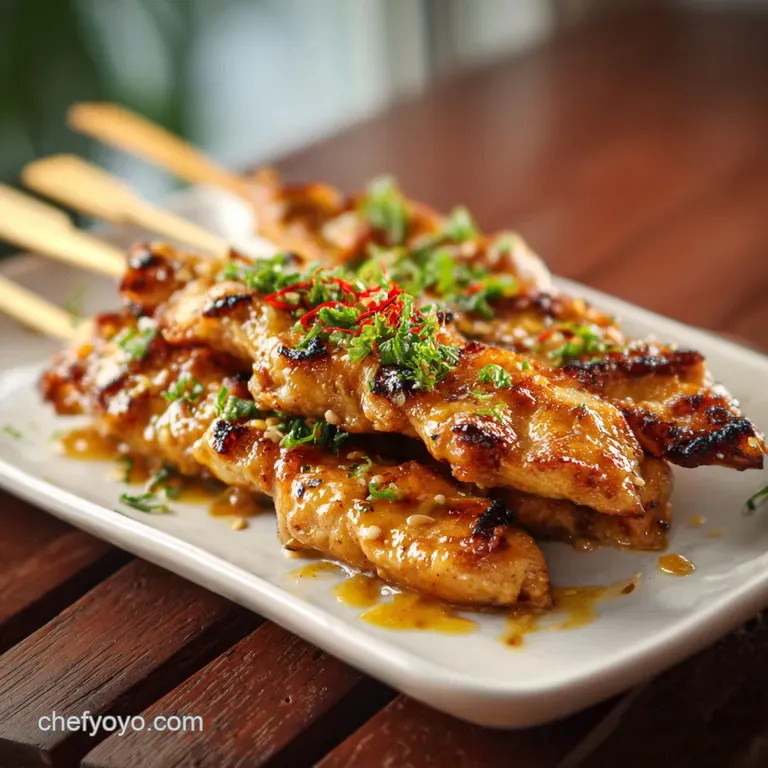
Why Your Chicken Is Rubbery
If the meat feels like a bouncy ball, you've likely overshot the internal temperature. Chicken breast is unforgiving; it goes from juicy to rubber in about 60 seconds. Always pull the skewers at 160°F and let the carryover heat take them to the final 165°F while they rest.
Why the Sauce Won't Stick
If your glaze is sliding off, it's usually because the chicken was too oily or the sauce was too thin. Make sure you don't overdo the initial oil rub. The Greek yogurt needs a relatively dry surface to bond with.
| Problem | Root Cause | Solution |
|---|---|---|
| Bitter Char | Burnt Honey | Apply the sauce only in the final 2 minutes of cooking. |
| Bland Center | Short Marinating | Let the dry rubbed chicken sit for at least 30 mins before skewering. |
| Soggy Coating | Too Much Liquid | Use thick, Greek style yogurt, not regular plain yogurt. |
Common Mistakes Checklist
- ✓ Pat chicken completely dry before adding spices to ensure the rub sticks.
- ✓ Preheat your grill or pan for at least 5 minutes until it's screaming hot.
- ✓ Don't skip the resting period - 3 minutes allows juices to redistribute.
- ✓ Use a thermometer rather than cutting into the meat, which lets steam escape.
- ✓ Clean your grill grates before starting to prevent the delicate yogurt sauce from sticking.
Contemporary Twists for Creative Palates
If you're feeling adventurous, you can easily tweak this recipe to fit different vibes. I've found that adding a teaspoon of freshly grated ginger to the marinade gives it a much more "authentic" Asian profile, while a dash of cumin leans it toward a Mediterranean fusion style.
- The Tropical Heat: Replace the honey with pineapple preserves and add a pinch of cayenne.
- The Creamy Garlic: Double the mayo and add three cloves of roasted garlic to the sauce.
- The Herbaceous Kick: Fold in finely chopped cilantro and mint into the final glaze.
| Servings | Chicken Amount | Sauce Volume | Cook Time |
|---|---|---|---|
| 2 people | 0.75 lbs | 0.3 cup | 10 minutes |
| 4 people | 1.5 lbs | 0.6 cup | 12 minutes |
| 8 people | 3 lbs | 1.2 cups | 18 minutes (batches) |
If you're looking for a heavier meal, this flavor profile works surprisingly well when served alongside a hearty Chicken and Noodles Recipe. The creamy sauce from the noodles complements the spicy kick of the skewers beautifully.
Decision Shortcut
- If you want a crispier exterior, use an air fryer at 400°F for 10 minutes, flipping halfway.
- If you want a richer flavor, swap the breast meat for boneless chicken thighs.
- If you want a milder version, reduce the sriracha to 1 tbsp and increase the honey.
Debunking Skewer Myths
One huge misconception is that you need to marinate chicken in acid for hours. Actually, leaving chicken in lime juice for too long denatures the proteins so much that they become "chalky" or mushy. 30 to 45 minutes is the sweet spot. Another myth is that the sauce should go on at the beginning.
If you do that, the sugars in the honey will burn and turn bitter long before the chicken is cooked through. Always glaze at the finish line!
Storage Rules and Sustainable Practices
Storage: Keep any leftover skewers in an airtight container in the fridge for up to 3 days. To reheat, I highly recommend using a toaster oven or air fryer rather than a microwave. The microwave will turn the sauce into a puddle and make the chicken tough.
Set your air fryer to 350°F for about 4 minutes to bring back that tacky glaze texture.
Zero Waste: Don't throw away the cilantro stems or the white parts of the scallions. You can finely mince them and add them to the marinade for an extra flavor boost. If you have leftover sauce, it makes an incredible dressing for a shredded cabbage slaw the next day.
Also, if you have bones from trimming the chicken, toss them in a freezer bag for your next batch of homemade stock.
Curating the Perfect Flavor Pairings
These skewers are a star on their own, but they play so well with others. I usually serve them over a bed of coconut lime rice to soak up any extra sauce. The sweetness of the coconut balances the sriracha heat perfectly.
If you want to keep it low carb, a cold cucumber salad with rice vinegar and sesame oil provides a refreshing, crunchy contrast to the velvety chicken.
For a full fusion spread, I love pairing these with a zesty side like the The Greek Lemon recipe. Even though the flavor profiles are different, the shared citrus notes create a cohesive meal that feels curated and contemporary. Honestly, just make sure you have extra napkins things are going to get sticky, and that is exactly how it should be.
Recipe FAQs
Can I substitute chicken thighs for the breast meat in this recipe?
Yes, chicken thighs work well. They have a higher fat content, making them more forgiving and ensuring they remain incredibly moist, although they may require 1-2 minutes longer on the grill.
How to prevent the honey based glaze from burning during the final cooking stage?
Apply the glaze only in the last 2 minutes of cooking. The sugar content in the honey caramelizes very quickly; applying it too early will result in a bitter, scorched exterior before the chicken is safely cooked.
Is it true that soaking bamboo skewers for 30 minutes is long enough?
No, 30 minutes is rarely enough time for bamboo. For best results, soak the skewers for a minimum of 4 hours, or wrap the top third of the exposed skewer in foil to prevent them from turning to ash on the grill.
What internal temperature must the chicken reach to ensure safety without drying out?
Pull the skewers off the heat at 160°F. Chicken is safely cooked at 165°F, but allowing for a 3 minute rest lets the carryover heat finish the cooking process while redistributing the internal juices.
How do I adjust the sauce consistency if it ends up too thin?
Whisk in an extra tablespoon of thick Greek yogurt. The yogurt’s high protein content acts as a natural thickener for the emulsion; if you skip this step, you risk the sauce sliding off during grilling.
Should I use the same technique for balancing sweet and spicy flavors if I make Skillet Meatballs in Marinara Sauce The Ultimate Easy Weeknight Meal?
No, the balance is different due to fat content. While this recipe relies on honey and lime to cut richness, in the [Skillet Meatballs in recipe], you achieve balance primarily through the acidity of the tomato base.
What is the best way to reheat leftovers to keep the chicken from becoming tough?
Use an air fryer or toaster oven at 350°F for 4 minutes. Microwaving heats unevenly and causes the protein fibers to seize up, but the dry heat of an air fryer helps restore some of the original sticky texture to the glaze.
Bang Bang Chicken Skewers
Ingredients:
Instructions:
Nutrition Facts:
| Calories | 426 kcal |
|---|---|
| Protein | 55 g |
| Fat | 16 g |
| Carbs | 13 g |
| Fiber | 1 g |
| Sugar | 10 g |
| Sodium | 700 mg |
