Cream Cheese Sausage Balls Recipe
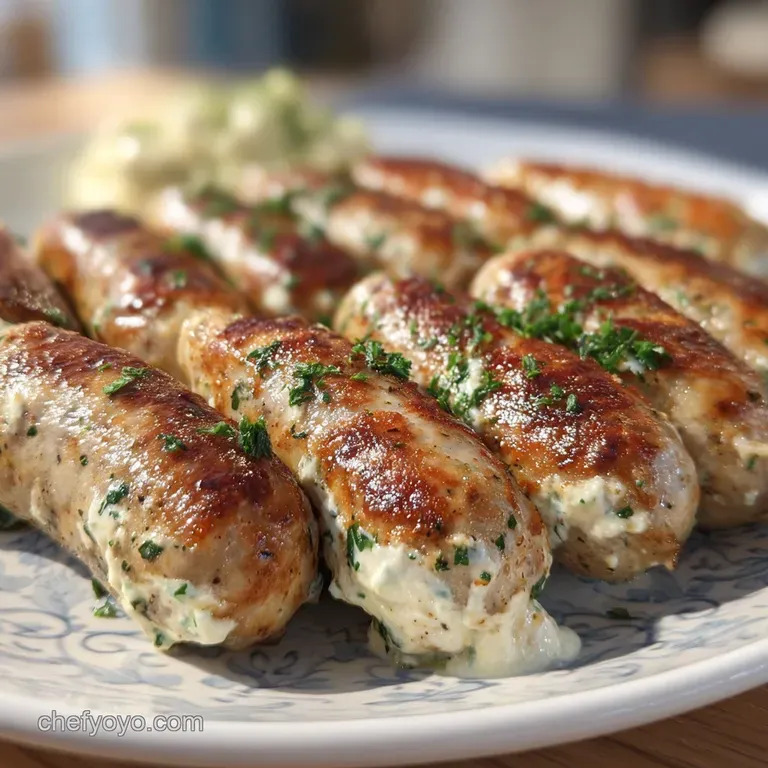
- Time: Active 15 minutes, Passive 20 minutes, Total 35 minutes
- Flavor/Texture Hook: Shatter crisp exterior with a buttery, savory center
- Perfect for: Sophisticated cocktail hours or weekend brunch hosting
Can you smell that? The second the tray hits the 375°F heat, the kitchen fills with the scent of rendering pork fat and toasted chives. It is one of those aromas that instantly draws everyone into the kitchen, hovering around the oven door like they haven't eaten in days.
I remember the first time I made a version of these for a gallery opening, I thought they might be too simple, but they disappeared before the wine was even poured.
We have all had the dry, crumbly versions that feel like eating a savory sponge. That is exactly what we are avoiding today by introducing a contemporary fusion of traditional ingredients and modern techniques.
This isn't just a basic appetizer, it is a refined take on a classic that focuses on moisture and a complex flavor profile that hits every part of your palate.
You are going to love how the smoked paprika and red pepper flakes cut through the richness of the 8 oz sharp cheddar cheese. It is a subtle heat that lingers just long enough to make you reach for another.
Honestly, once you see how easy it is to get that velvety texture inside while maintaining a golden crust, you will never go back to the old way of making a sausage and balls recipe.
Science for Tender Savory Bites
Understanding how these ingredients interact transforms you from a follower of instructions into a confident cook. When we mix the 1 lb pork breakfast sausage with the 4 oz cream cheese, we are essentially creating a stable emulsion of fat and protein.
This prevents the "grease puddle" effect often seen in lesser versions of this dish.
- Lipid Emulsification: Cream cheese acts as a stabilizer, binding the rendered pork fat to the flour in the biscuit mix so the moisture stays trapped inside the sphere.
- Maillard Reaction: The proteins in the pork and the sugars in the biscuit mix react at 375°F to create that deep brown, savory crust that provides a satisfying snap.
- Starch Gelatinization: As the dough heats, the starches in the 2 cups all purpose biscuit mix absorb the moisture from the sausage, expanding to create a light, airy crumb rather than a dense puck.
- Protein Denaturation: Hand grating the cheddar ensures the long protein strands haven't been damaged by cellulose anti caking agents, allowing the cheese to melt into a seamless, silky lattice.
Using a Sausage Balls Recipe that prioritizes these chemical reactions is the difference between a mediocre snack and a gourmet experience. It is all about the way the cold fat hits the hot air, causing immediate steam release within the dough.
Vital Stats for Success
Before you start preheating your KitchenAid oven, let's look at the metrics. Precision is the soul of contemporary cooking, and even a "simple" appetizer deserves an accurate approach. If you are looking for a quicker path, you might consider a Bisquick Sausage Balls Recipe for those frantic weeknights, but for this masterclass, we are focusing on the details.
| Comparison | Fresh Technique | Shortcut Method |
|---|---|---|
| Texture | Velvety and airy | Denser and crumbly |
| Flavor Profile | Multi layered with fresh herbs | Primarily salt forward |
| Fat Stability | Emulsified (no grease) | Prone to leaking fat |
I have found that staying within these specific parameters ensures that every one of the 33 servings comes out identical. It is about consistency, especially when you are serving a crowd.
Components for a Sophisticated Plate
The choice of ingredients is where the contemporary home cook really shines. I always reach for a block of Tillamook Sharp Cheddar because its high fat content and aged profile provide a depth that mild cheeses just can't match.
| Ingredient | Science Role | Pro Secret |
|---|---|---|
| Pork Sausage | Primary protein and fat source | Keep it ice cold until the moment you mix to prevent fat smear. |
| Cream Cheese | Texture stabilizer/Emulsifier | Use full fat Philadelphia for the best structural integrity. |
| Biscuit Mix | Structural binder/Leavening | Sift it before measuring to ensure there are no pockets of dry flour. |
- 1 lb pork breakfast sausage: Why this? Provides the essential fat and savory base for the entire structure.
- 8 oz sharp cheddar cheese: Why this? Hand grating avoids cellulose, leading to a much smoother, integrated melt.
- 4 oz cream cheese: Why this? Softened cream cheese is the secret to a moist, velvety interior.
- 2 cups all purpose biscuit mix: Why this? Contains pre measured leavening agents for a consistent rise and airy texture.
- 1 tsp smoked paprika: Why this? Adds an authentic smoky depth that complements the pork beautifully.
- 1/2 tsp garlic powder: Why this? Distributes evenly through the dough unlike fresh garlic which can clump.
- 1/2 tsp red pepper flakes: Why this? Provides a contemporary edge with a slow building heat profile.
- 1/4 cup fresh chives: Why this? Adds a bright, onion like aroma and visual pop of color.
- 1/2 cup honey mustard: Why this? The acidity cuts through the fat for a balanced bite.
Tools for Modern Accuracy
You don't need a professional kitchen, but using the right gear makes the process seamless. I swear by my KitchenAid Stand Mixer for this. It might seem overkill, but trying to mix cold sausage and cream cheese by hand is a workout you didn't ask for.
- Stand Mixer: Use the paddle attachment to incorporate the ingredients without overworking the gluten.
- Box Grater: A classic Microplane or a standard coarse grater works, just stay away from the bags of pre shredded stuff.
- Lodge Baking Sheet: A heavy duty rimmed baking sheet ensures even heat distribution so the bottoms don't burn before the tops are golden.
- Silpat or Parchment Paper: This is non negotiable for an easy release and a clean finish on the base of each ball.
- Small Cookie Scoop: A 1 tablespoon scoop ensures all 33 portions are the exact same size, which means they all finish cooking at the same time.
Chef's Note: If you find the dough is sticking to your scoop, dip it in a little cold water between every few balls. It creates a temporary barrier that lets the dough slide right out.
step-by-step Method
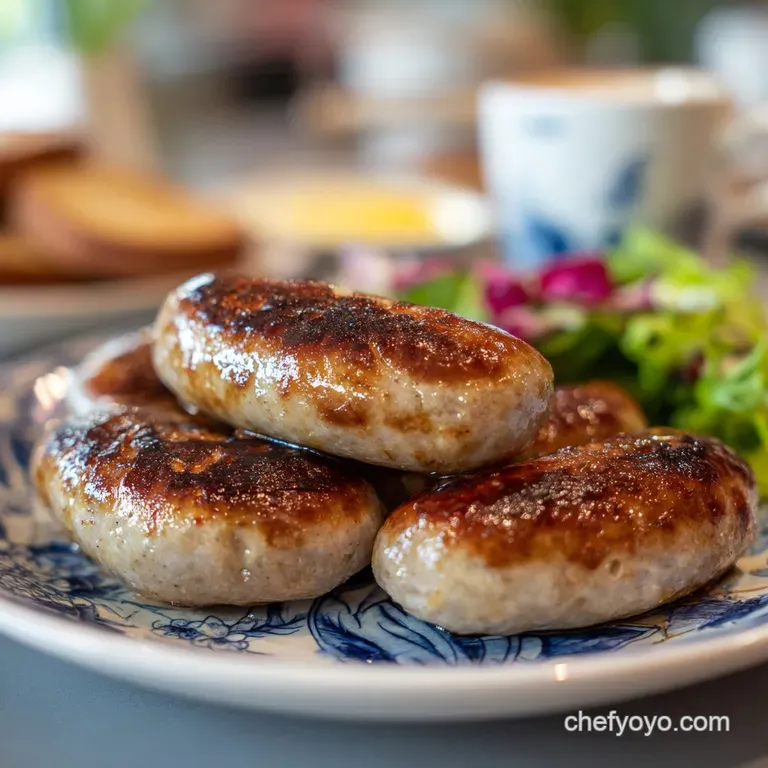
Let's get into the process. The first thing you'll notice is the aroma of the fresh chives as you mince them, it is a sharp, green scent that tells you these are going to be fresh and vibrant.
Preparation and Meticulous Grating
- Preheat oven. Set your oven to 375°F and line your Lodge baking sheet with parchment paper. Note: A hot oven is crucial for immediate leavening.
- Grate cheese. Hand grate the 8 oz sharp cheddar cheese using the coarse side of your grater. Note: Hand grating preserves the moisture within the cheese shards.
Achieving Stable Emulsion
- Combine fats. Place the 1 lb pork breakfast sausage and 4 oz cream cheese in the bowl of your stand mixer. Note: Cream cheese must be softened to room temp for a smooth blend.
- Mix primary. Beat on medium speed for 2 minutes until the mixture is pale and perfectly combined. You should see a uniform texture without large lumps of cream cheese.
Incorporating Functional Binders
- Add aromatics. Toss in the 1 tsp smoked paprika, 1/2 tsp garlic powder, 1/2 tsp red pepper flakes, and 1/4 cup fresh chives. Note: Adding spices to the fat ensures their flavors are fully carried through the dish.
- Fold in binder. Gradually add the 2 cups all purpose biscuit mix and the grated cheddar. Note: Mix only until the white streaks of flour disappear to avoid toughness.
Precision Portioning Techniques
- Scoop spheres. Use your small cookie scoop to portion the dough into 1 inch balls. Note: Uniformity ensures even cooking throughout the batch.
- Final shape. Roll each portion briefly between your palms until the surface is smooth and spherical.
- Bake. Space them 1 inch apart on the tray and bake for 20 minutes until the cheese is bubbling and the tops are golden brown.
- Rest. Allow the sausage and balls to sit on the hot pan for 5 minutes until the internal structure sets.
Fixing Common Texture Issues
Even with the best intentions, things can go sideways. I remember a batch I made once where I forgot to soften the cream cheese, I ended up with little white dots of unmixed fat everywhere. It wasn't my best work, but it taught me the importance of temperature.
Managing Sticky Dough
If your dough feels more like a batter than a moldable paste, it is likely too warm. The fat in the sausage and cream cheese begins to melt at room temperature.
| Problem | Cause | Fix | Pro Tip |
|---|---|---|---|
| Sticky Dough | Fat is too warm | Chill for 15 mins | Use a metal bowl to keep it cold. |
| Flat Bottoms | Too much moisture | Add 2 tbsp flour | Check your sausage's water content. |
| Dry Crumbs | Not enough binder | Add 1 tbsp milk | Sift your biscuit mix first. |
Fixing Flat Bottoms
If your sausage and balls are coming out looking like tiny pancakes, your cheese to binder ratio might be off. Authentic recipes rely on that 2 cup measurement of biscuit mix to provide the skeletal structure. If the cheese melts faster than the flour can set, they will slump.
Preventing Overly Dry Bites
Dryness usually comes from over baking. We are looking for an internal temperature of 160°F. If you go much beyond that, the juices from the pork will evaporate, leaving you with a parched interior.
Trust the 20 minutes timer, even if they look a little pale, they carry over cook once they're out.
Creative Modern Dietary Adaptations
We live in a world where everyone has different needs, and a great host knows how to adapt. If you are looking for something with a different flavor profile, you might find inspiration in a Silky Swedish Meatballs recipe, but for these specifically, we can make a few quick swaps.
- If you want higher heat, increase the red pepper flakes to 1 teaspoon or add 2 tablespoons of minced jalapeños.
- If you want a leaner bite, swap the pork for ground turkey, but add 1 tablespoon of olive oil to compensate for the lost fat.
- If you want more crunch, roll the finished balls in panko breadcrumbs before baking for a contemporary texture contrast.
gluten-free Modification Options
You can substitute the 2 cups of biscuit mix with a gluten-free version like King Arthur's. Just be aware that GF flours tend to absorb more moisture, so you might need to add an extra tablespoon of softened cream cheese to keep the "velvety" feel we are after.
Low Carb Recipe Variations
For a keto friendly version, replace the biscuit mix with 1.5 cups of almond flour and 1 teaspoon of baking powder. The texture will be denser and more protein forward, which some actually prefer. It's a creative way to keep the flavor while ditching the carbs.
Preserving Flavor and Texture
These are fantastic for meal prep because they hold up remarkably well. I often make a double batch specifically so I can have them for breakfast during the week. The aroma when you reheat them in the toaster oven is almost as good as the first time they were baked.
- Fridge: Store in an airtight container for up to 4 days.
- Freezer: You can freeze these raw or cooked. If raw, freeze on a tray first before transferring to a bag so they don't stick together. They will last 3 months.
- Reheating: Avoid the microwave if you can. A 350°F oven for 8 minutes will bring back that "shatter" on the exterior that we worked so hard to achieve.
Proper Storage Protocols
When storing, place a piece of paper towel in the bottom of the container. It absorbs any excess moisture that might migrate from the interior to the crust, preventing them from getting soggy.
Zero Waste Tips
Don't throw away those chive stems! If you have leftovers, chop them finely and mix them into your honey mustard or a morning omelet. Any broken bits of the sausage and balls can be crumbled over a salad like gourmet croutons. It is a contemporary way to ensure nothing goes to waste in your kitchen.
Best Pairings and Plating
Presentation is the final step in the masterclass. A wooden board or a slate platter offers a contemporary backdrop for the golden brown spheres. The visual contrast between the dark plate and the bright green chives is stunning.
- Dip Pairings: The 1/2 cup honey mustard is a classic, but a spicy remoulade or a maple bourbon glaze also works beautifully.
- Elegant Side Dishes: Serve these alongside a crisp arugula salad with a lemon vinaigrette to cut through the richness.
- Drink Matches: A dry hard cider or a crisp Pilsner complements the savory pork and sharp cheddar perfectly.
There is something so satisfying about mastering a dish like this. It is a bridge between the comfort foods we grew up with and the creative, contemporary techniques we use today. Whether you are making this sausage and balls recipe for a big party or just a quiet night in, the attention to detail will always shine through.
I have made my share of mistakes with these over the years, from using "fake" cheese to over mixing the dough into a tough mess. But that is how we learn, right? Now, you have all the tricks to make sure your version is the one everyone asks for the recipe for.
Trust your senses, watch for that golden brown finish, and enjoy the sizzle. You've got this.
By focusing on the science of the emulsion and the precision of the bake, you have transformed a humble snack into a sophisticated staple. It is all about those small, creative choices that lead to a truly authentic result in your own kitchen.
Now, let's get that tray in the oven and start the timer for your next batch of sausage and balls.

Recipe FAQs
How to make sausage and cheese balls?
Yes, it is the standard base. Combine ground sausage, shredded sharp cheddar cheese, softened cream cheese, and a binding agent like Bisquick or almond flour. The secret is keeping the sausage and cream cheese cold when mixing to ensure the fat stays emulsified.
How to make sausage and stuffing balls?
Yes, use stuffing mix as the primary binder. Substitute the biscuit mix or flour entirely with prepared, slightly damp bread stuffing mix. This results in a much more savory, herb forward ball, similar to how we manage flavor complexity when building a Classic Dark Roux Chicken and Sausage Recipe.
How to make sausage balls?
The essential components are sausage, cheese, and a starch binder. A reliable ratio uses one pound of sausage, 8 ounces of cheese, and two cups of biscuit mix or a comparable low-carb flour substitute. Rolling them before baking is key for a perfect spherical shape.
How to make sausage balls with Bisquick?
Yes, Bisquick is the traditional shortcut. Mix one pound of raw sausage, 8 ounces of shredded cheddar, 4 ounces of cream cheese (softened), and two cups of Bisquick until just combined. The baking powder in the Bisquick provides excellent lift and a tender texture.
How to make sausage balls without Bisquick?
Yes, you can use simple pantry substitutes. Replace the Bisquick cup-for-cup with a blend of 1.75 cups all-purpose flour mixed with 1 tablespoon of baking powder and 1/2 teaspoon of salt. If you are avoiding gluten or carbs, almond flour works well, though it may require slightly more binder.
What temperature should I bake sausage balls at?
Bake at 375°F for optimal crust development. This temperature encourages a fast Maillard reaction on the exterior while allowing the center to steam and set before drying out. Baking them this hot is much better than a slow bake, which often leads to grease seepage.
Can I use pre-cooked sausage in the recipe?
No, raw sausage is highly recommended for the best texture. Raw sausage renders fat during baking, which binds with the cheese and flour to create a moist, velvety interior.
Using pre-cooked sausage often results in a dry, crumbly product, similar to dry pasta needing a proper sauce like in Homemade Meatballs The Best Tender Beef Pork Recipe.
Best Sausage Balls Recipe

Ingredients:
Instructions:
Nutrition Facts:
| Calories | 108 kcal |
|---|---|
| Protein | 4.8 g |
| Fat | 7.9 g |
| Carbs | 4.7 g |
| Fiber | 0.2 g |
| Sugar | 0.6 g |
| Sodium | 285 mg |
