The Ultimate Steak Fajita Recipe
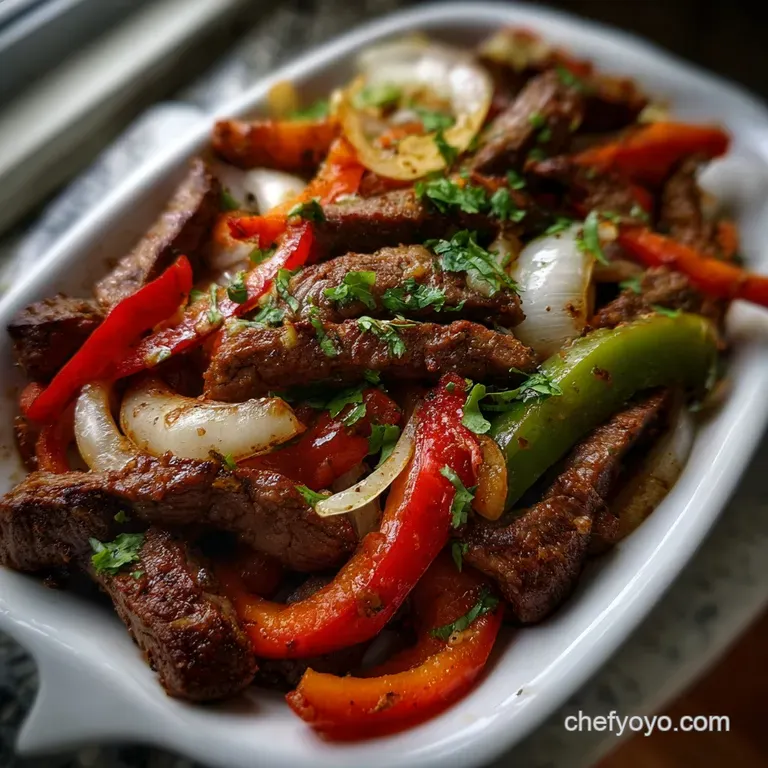
- Effort/Time:45 minutes prep (mostly hands-off marinating) + 15 minutes active cooking.
- Key Flavor Hook: A punchy blend of fresh lime and orange juice paired with smoked paprika and soy sauce for deep umami.
- Perfect for: High-energy family taco nights, meal-prep-friendly lunches, or impressive weekend entertaining.
- The Ultimate Steak Fajita Recipe: Get That Restaurant Sizzle at Home
- Why This Recipe Works: The Science of Flavor
- Essential Ingredients and Healthy Substitutions
- How to Make This Steak Fajita Recipe: Step-by-Step Instructions
- Expert Tips and Common Mistakes to Avoid
- Common Myths
- Storage and Freezing Guidelines
- Creative Serving Suggestions and Toppings
- Recipe FAQs
- 📝 Recipe Card
The Ultimate Steak Fajita Recipe: Get That Restaurant Sizzle at Home
Listen, we’ve all been there. You sit down at your favorite Mexican spot, and suddenly the whole room goes quiet because someone ordered the fajitas. That distinctive hiss and the cloud of steam smelling of charred onions and spiced beef follows the waiter like a red carpet. You want that at home.
But for years, my "home versions" were... fine. They were okay. Usually, the meat was a bit rubbery, or the peppers were watery instead of blistered. I realized I was missing the science behind the sizzle.
This steak fajita recipe is the result of years of trial, error, and one very smoky kitchen incident involving a fire alarm (pro tip: turn on your vent fan!). We’re moving past the "packet seasoning" era.
We’re talking about a marinade that actually penetrates the fibers of the meat and a cooking technique that respects the Maillard reaction. Whether you’re a seasoned pro or someone who just bought their first Lodge Cast Iron Skillet, this guide is going to change your Tuesday nights forever.
We aren't just making dinner; we're creating a sensory experience that starts the moment the beef hits the hot metal.
Why This Recipe Works: The Science of Flavor
Fajitas aren't just about heat; they are about a series of chemical reactions that transform tough muscle into buttery slices of heaven. When you use this steak fajita recipe, you're engaging in a three part scientific process: enzymatic tenderization, umami enhancement, and over high heat carbonization.
The History of Authentic Tex-Mex Cuisine
The word fajita actually comes from the Spanish word "faja," which means "belt" or "strip." Historically, Mexican cowboys (vaqueros) in Texas were given the "throwaway" cuts of beef specifically the diaphragm or skirt steak as part of their pay.
These cuts are incredibly flavorful but notoriously tough. To make them edible, the vaqueros learned to marinate them in acidic lime juice and sear them over open mesquite fires. This steak fajita recipe honors those roots by using high acidity and high heat to turn "lesser" cuts into the star of the show.
How Acidic Marinades Tenderize Lean Beef
In this steak fajita recipe, we use a combination of lime juice and orange juice. The lime provides the sharp acidity needed to denature the tightly wound proteins in the flank steak. Think of it like a chemical "pre-cook." The orange juice adds a necessary hit of sugar.
Why does sugar matter in a savory dish? It's all about the Maillard reaction. As the beef hits the pan, those natural sugars from the orange juice caramelize instantly, creating those dark, crispy, flavorful edges we crave.
Achieving the Signature Restaurant Style Sizzle
The "sizzle" isn't just a sound; it's the sound of moisture evaporating instantly. To get this at home, you need a high smoke-point oil and a heavy bottomed pan. If your pan isn't hot enough, the meat will dump its juices and boil in its own liquid. That's how you get gray, chewy beef.
By using a 12 inch Cast Iron Skillet and heating it until the oil just begins to shimmer and smoke, you ensure that the meat sears the second it touches the surface, locking in the moisture and creating a crust that shatters with flavor.
Essential Ingredients and Healthy Substitutions
To make the best steak fajita recipe, you need high-quality ingredients. We are using 2 lbs Flank Steak, which is lean but has a fantastic beefy flavor. If you can't find flank, skirt steak is the traditional choice, though it’s often pricier and more fibrous.
We also need 0.33 cup neutral oil (Avocado or Vegetable oil)—do not use extra virgin olive oil here, as its smoke point is too low for the heat we need.
Choosing the Best Beef: Skirt Steak vs. Flank Steak
While this recipe calls for flank steak, understanding the difference is key. Skirt steak has more fat marbling and a looser grain, which makes it soak up marinades like a sponge. Flank is leaner and wider, making it easier to slice into uniform strips.
Both require you to slice against the grain if you skip this, the meat will feel like rubber bands in your mouth regardless of how long you marinate it.
The Ultimate Fajita Spice Blend and Aromatics
We’re building a flavor profile using 1 tbsp chili powder, 1 tsp ground cumin, and 1 tsp smoked paprika. The smoked paprika is my "secret" ingredient it mimics the flavor of a charcoal grill even if you're using a standard kitchen stove.
Adding 1 tbsp soy sauce might seem strange for a Mexican dish, but soy sauce is a liquid umami bomb. It provides a depth of savory saltiness that salt alone cannot achieve.
| Original Ingredient | Best Substitute | Why It Works |
|---|---|---|
| 2 lbs Flank Steak | Skirt Steak or Sirloin Strips | Skirt steak is more traditional and fattier; Sirloin is tender but less beefy. Note: Skirt steak will cook faster due to its thinness. |
| 0.25 cup Lime Juice | Lemon Juice or Apple Cider Vinegar | Provides the necessary acid to break down fibers. Note: Vinegar adds a sharper tang and lacks the citrus aroma. |
| 0.33 cup Avocado Oil | Grapeseed or Canola Oil | High smoke points allow for a hard sear without burning the oil. Avoid butter or olive oil for the initial sear. |
| 1 tbsp Soy Sauce | Tamari or Coconut Aminos | Provides umami and salt. Note: Coconut aminos are slightly sweeter; reduce the orange juice by half if using. |
| Flour Tortillas | Corn Tortillas or Large Lettuce Leaves | Corn offers a more authentic flavor and is gluten-free. Note: Corn tortillas break easier; they must be steamed or charred first. |
How to Make This Steak Fajita Recipe: step-by-step Instructions
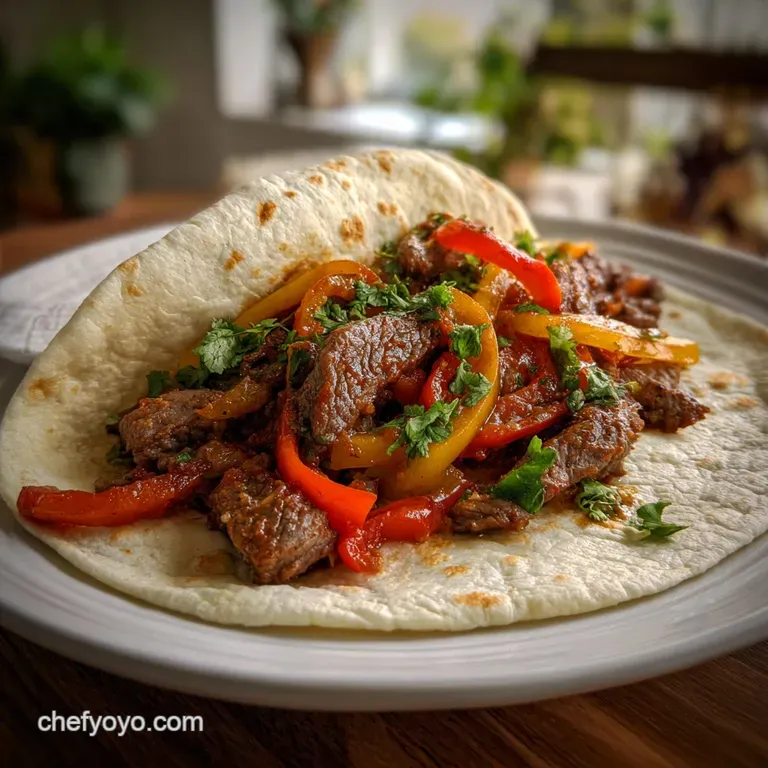
Cooking is a dance of timing. You want your beef to be perfectly rested just as the peppers reach their peak caramelization. This steak fajita recipe follows a specific flow to ensure nothing gets cold or soggy.
Preparing the Zesty Citrus Marinade
- In a large glass bowl or a heavy duty Ziploc Freezer Bag, whisk together the 0.25 cup lime juice, 2 tbsp orange juice, 0.33 cup neutral oil, 4 cloves minced garlic, and 1 tbsp soy sauce.
- Add your dry spices: 1 tbsp chili powder, 1 tsp ground cumin, 1 tsp smoked paprika, 0.5 tsp onion powder, 0.5 tsp dried oregano, 1 tsp kosher salt, and 0.5 tsp black pepper.
- Place the 2 lbs Flank Steak into the marinade. If using a bag, squeeze out all the air so the liquid stays in constant contact with the meat.
- Let this sit for 45 minutes. Do not go over 8 hours, or the acid will turn the meat mushy. While it marinades, slice your 3 large bell peppers and 1 large red onion into even strips.
Mastering the over High heat Sear in Cast Iron
- Remove the steak from the marinade and pat it extremely dry with paper towels. This is the most important step! Moisture is the enemy of a crust. If the steak is wet, it will steam, not sear.
- Heat 2 tbsp high smoke point oil in your cast iron skillet over medium high heat until it’s shimmering.
- Lay the steak in the pan (it should sizzle aggressively). Cook for 5 6 minutes per side for medium rare. Don't move it! Let that crust form.
- Once cooked, move the steak to a Wooden Cutting Board and tent it loosely with foil.
Sautéing Peppers and Onions for Maximum Caramelization
- Do not wash the pan! Those little brown bits (called fond) are gold.
- Toss in the sliced peppers and red onion wedges. The moisture from the veggies will naturally deglaze the pan.
- Sauté for 5 7 minutes. You want the edges to be charred and "shattered" looking, but the centers should still have a slight snap. If you like a bit of a sauce, you can add a splash of Bone Broth: The Essential Liquid Gold Recipe for Depth to the pan to help the veggies soften.
The Art of Resting and Slicing the Beef
After resting for at least 10 minutes, look for the "grain" of the meat the long muscle fibers running across the steak. Use a sharp Victorinox Slicing Knife to cut across those lines. This shortens the fibers, making every bite melt-in-your mouth tender.
Pile the meat onto the peppers and serve immediately with warmed 12 medium flour tortillas.
Expert Tips and Common Mistakes to Avoid
Even a simple steak fajita recipe can go sideways if you lose focus on the heat. I remember the first time I made these for my parents; I crowded the pan so much that I ended up with a gray, watery beef stew. I was devastated! Here is how you avoid my early mistakes.
| Common Mistake | Why It Happens | The Fix | Pro Protocol |
|---|---|---|---|
| Gray, Steamed Meat | Crowding the pan or meat was too wet. | Cook in batches and pat the steak bone dry before searing. | Use an Instant read Digital Thermometer to ensure the pan surface is at least 425°F before adding meat. |
| Tough/Chewy Steak | Slicing with the grain instead of against it. | Rotate the steak and slice perpendicular to the muscle fibers. | Slice at a 45 degree angle (bias) to increase the surface area and tenderness. |
| Soggy Vegetables | Cooking them at too low a temperature for too long. | High heat, short time. They should char, not braise. | Remove the meat first so the veggies have 100% contact with the hot pan surface. |
Chef's Note: If you want an extra layer of flavor, char your tortillas directly over a gas flame for 5 seconds per side until they get those little black toasted spots. It makes a world of difference in the aroma!
Common Myths
Myth: You should put the marinade in the pan with the steak. Truth: This is the fastest way to ruin a sear. The excess liquid will drop the pan's temperature instantly, causing the meat to boil. Always discard the used marinade and pat the meat dry.
Myth: Marinading overnight makes the steak more tender. Truth: Because this steak fajita recipe uses citrus, marinading for too long (over 12 hours) will actually "cook" the outside of the beef, making it mealy and mushy rather than tender.
45 minutes to 4 hours is the sweet spot.
Myth: You need a special "fajita seasoning" packet. Truth: Those packets are mostly salt and cornstarch. Using individual spices like cumin and smoked paprika allows you to control the heat and the "smokiness" without the chemical aftertaste.
Storage and Freezing Guidelines
Fajitas make incredible leftovers, but you have to be careful with the reheating process so the steak doesn't turn into a tire.
- Fridge: Store the steak and vegetables in separate Glass Airtight Containers for up to 3 days. Keeping them separate prevents the peppers from making the steak soggy.
- Freezing: You can freeze the marinated (uncooked) steak in a freezer bag for up to 3 months. I don't recommend freezing cooked peppers, as they lose their structural integrity and become mush when thawed.
- Reheating: Avoid the microwave if possible! It toughens the beef. Instead, flash fry the leftovers in a hot skillet with a teaspoon of oil for 2 minutes. This restores the sear and keeps the meat juicy. If the meat feels a bit dry, a spoonful of Au Jus Recipe: Easy Savory Sauce for Prime Rib can add that moisture back in an instant.
Creative Serving Suggestions and Toppings
While the steak is the star, the supporting cast matters. I love setting up a "Fajita Bar" on the kitchen island.
Best Tortillas and Classic Topping Combinations
- Fresh Pico de Gallo
- The acidity cuts through the fat of the beef.
- Hass Avocado Slices
- For a velvety mouthfeel.
- Mexican Crema
- Thinner and saltier than American sour cream.
- Bang Bang Sauce
- Okay, hear me out if you want a spicy, creamy fusion twist, a drizzle of Bang Bang Sauce: Copycat Bonefish Recipe is actually incredible on steak.
Traditional Side Dishes for a Full Tex-Mex Feast
To round out the meal, serve your fajitas with Mexican Red Rice or Charro Beans. If you’re looking for a crowd pleasing appetizer while the steak marinates, you can't go wrong with a Crab Dip Recipe: Classic Baked Hot Chesapeake Delight — it’s not traditional, but it’s always the first thing to disappear at my parties!
At the end of the day, this steak fajita recipe is about bringing people together around a hot, noisy, delicious pan. Don't be afraid of the heat, don't skimp on the lime, and always, always slice against the grain. Happy cooking!
Recipe Overview
- - Main Protein
- 2 lbs Flank Steak
- - Marinade Base
- Lime juice, orange juice, oil, garlic, and soy sauce.
- - Seasoning
- Chili powder, cumin, smoked paprika, oregano, onion powder.
- - Vegetables
- 3 Bell peppers (multi colored) and 1 Red onion.
- - Key Technique
- Marinade for 45 mins, pat steak dry, sear in hot cast iron (5 6 mins per side), rest 10 mins, and slice against the grain.
- - Serving
- Serve with 12 flour tortillas and desired toppings.
Recipe FAQs
How do I make steak fajitas tender?
Achieving tenderness hinges on the marinade and the cut of meat. Use flank or skirt steak, which are naturally flavorful but benefit from acid, like citrus juice, to break down muscle fibers. For maximum tenderness:
- Marinate for at least 2 hours, but no more than 8 hours.
- Slice the beef thinly against the grain right before cooking.
- Cook quickly over extremely high heat to prevent drying out.
The acid in the citrus juice initiates enzymatic breakdown, which is essentially very mild protein denaturation, resulting in a softer texture.
How to make steak fajitas like a Mexican restaurant?
Restaurants achieve deep, smoky flavor primarily through high heat searing on a flat top grill or cast iron. The key is maximizing the Maillard reaction on the meat and vegetables simultaneously. To replicate this at home:
- Preheat a cast iron skillet until smoking hot (around 500°F).
- Cook the steak and vegetables in small batches to maintain high temperature.
- Use high smoke point oil, like avocado or grapeseed oil.
This intense heat exposure creates desirable crust compounds that define the authentic flavor profile.
Why are my fajita peppers and onions getting soggy instead of charred?
Your pan temperature is too low, or you are overcrowding the skillet. Overcrowding lowers the surface temperature, causing moisture released by the vegetables to steam them rather than sear them. For crisp char:
- Ensure your pan is screaming hot before adding oil.
- Cook the peppers and onions separately from the steak, or in very small batches.
- Remove vegetables from the heat immediately when they reach your desired tenderness (al dente).
Soggy vegetables indicate that the water within the cells has boiled off slowly instead of evaporating quickly.
Comparison: Should I use fresh lime juice or bottled for the marinade?
Always use fresh lime juice for the best flavor impact. Bottled juice often contains preservatives (like sodium benzoate) and pasteurization dulls the bright, volatile citrus oils crucial for cutting the richness of the beef. Freshly squeezed juice provides a cleaner acid source.
For a rich, complementary base flavor for your sides, you might enjoy the depth provided in a Garlic Butter: The Best Homemade Compound Butter Recipe, though lime is best for this acidic marinade.
How far in advance can I safely marinate the steak?
You can safely marinate the steak for up to 8 hours, but ideally, aim for 2-4 hours. While the marinade preserves the meat, overly long exposure (over 12 hours) to the citrus acid can begin to denature the surface proteins too much, resulting in a mushy, fibrous texture rather than tender meat.
Myth: Is soaking the steak in water before marinating necessary to tenderize it?
No, soaking steak in water is completely unnecessary and counterproductive for fajitas. This myth likely stems from old techniques for tenderizing tougher cuts by washing out blood or connective tissue, but it only leaches out water soluble flavor compounds, resulting in a blander final product.
The true tenderization comes from the chemical action of the citrus acids in the marinade.
What is the best way to store leftover cooked fajita meat?
Store leftover cooked steak and vegetables in an airtight container in the refrigerator for up to 3 days. Ensure the mixture is completely cooled before sealing to prevent condensation, which causes sogginess.
If you have a large excess, consider separating the meat from the vegetables before storage; reheating them separately helps maintain the best texture.
Best Steak Fajita Recipe
Ingredients:
Instructions:
Nutrition Facts:
| Calories | 522 kcal |
|---|---|
| Protein | 32.4 g |
| Fat | 26.8 g |
| Carbs | 36.1 g |
| Fiber | 4.2 g |
| Sugar | 5.4 g |
| Sodium | 845 mg |
