Chef John Potato Side Dish Recipe with Roasted Garlic
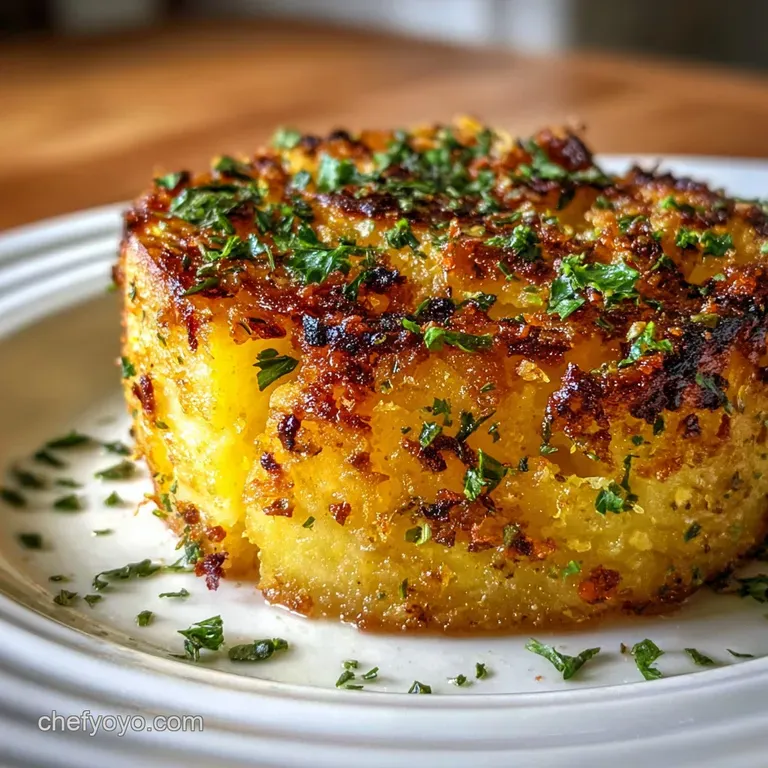
- Time: Active 15 minutes, Passive 45 minutes, Total 1 hours
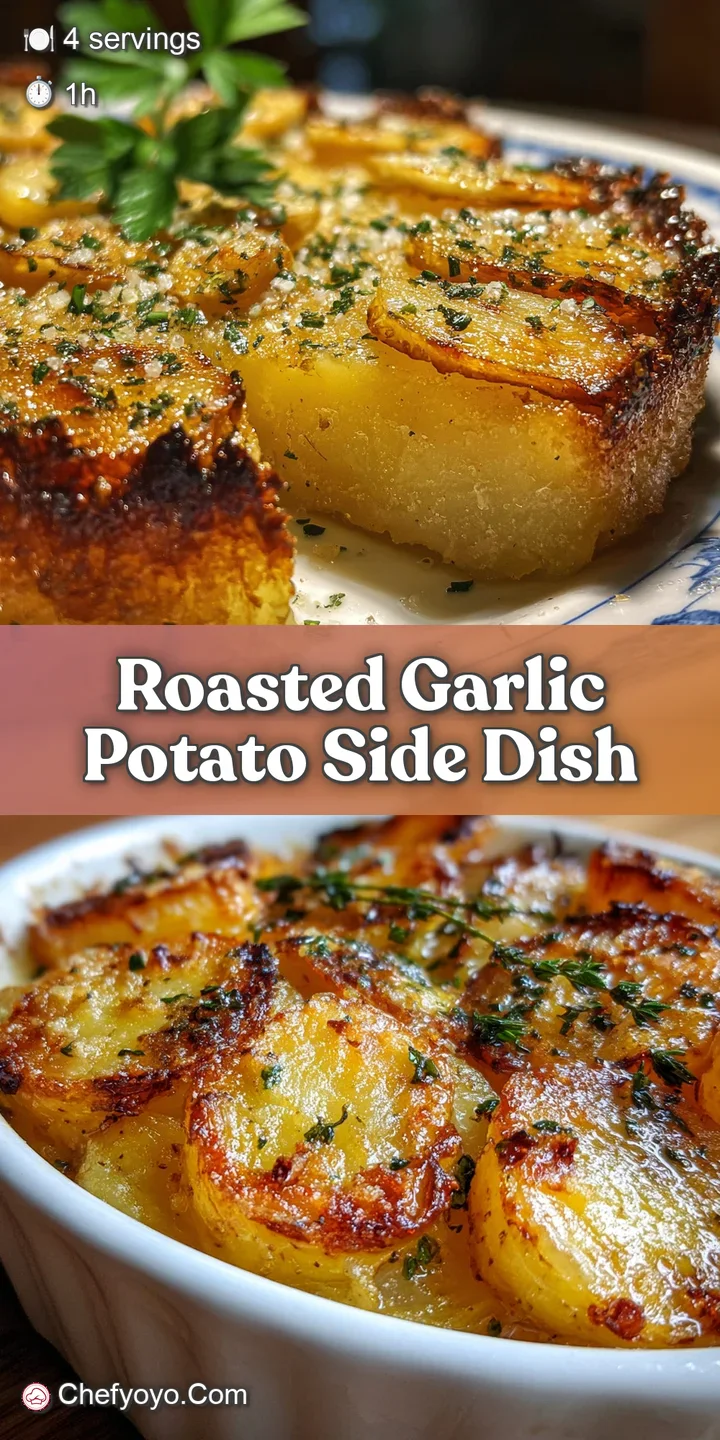
- Flavor/Texture Hook: Shatter crisp exterior with a velvety, garlic infused center
- Perfect for: Sunday roasts, holiday dinners, or elevated weeknight comfort
- Re creating Chef John Potato Side Dish Recipe with Roasted Garlic
- The Science of the Crunch
- Essential Specs for Your Spuds
- Elements for a Flavorful Feast
- Essential Tools for Better Cooking
- Steps for Crispy Golden Success
- Fixing Common Texture and Flavor Issues
- Smart Swaps for Budget Cooking
- Handling Leftovers and Reducing Waste
- Serving Tips for Warm Comfort
- Recipe FAQs
- 📝 Recipe Card
Re creating Chef John Potato Side Dish Recipe with Roasted Garlic
The air in my kitchen right now smells like a dream, and it's all thanks to two humble heads of garlic sitting in the oven. I’ll be honest with you the first time I saw a recipe calling for two whole heads of garlic for one side dish, I thought it was a typo.
I expected my breath to be dangerous for a week, but that’s the magic of this technique. When you roast garlic low and slow, that sharp, aggressive bite vanishes, replaced by a spreadable, buttery sweetness that is absolutely addictive.
This article shares Chef John's amazing potato side dish recipe with roasted garlic. It’s the kind of dish that makes people stop talking at the dinner table because they're too busy listening to the crunch.
I’ve made my fair share of soggy, sad potatoes in the past, usually because I was in too much of a hurry to let the steam escape or too shy with the oil. We won't be doing that today. We’re going for high impact flavor and textures that actually hold up from the oven to the plate.
We've all been there, staring at a pile of peeled spuds and wondering if just tossing them in oil is enough. Trust me, it’s not. There is a specific rhythm to this recipe a dance between boiling and roasting that makes the difference between a "fine" potato and a "can I have the recipe?" potato.
It’s simple, seasonal, and uses ingredients you probably already have in the pantry. Let's get into why this specific method works so well.
The Science of the Crunch
Starch Dehydration: Parboiling the potatoes creates a softened surface layer of starch that, when shaken, turns into a thick "fuzz" or slurry. In the oven, this slurry loses its moisture rapidly, transforming into a microscopic lattice that fries into a shattering, crispy crust.
Maillard Transition: Roasting the garlic heads whole protects the cloves from direct heat, allowing the natural sugars to caramelize without the proteins burning. This creates a deep brown color and a complex, nutty flavor profile that raw garlic simply cannot provide.
Cook Method Comparison
| Method | Time | Texture Result | Best For |
|---|---|---|---|
| Oven Roasting | 45 minutes | Shatter crisp skin, fluffy inside | Traditional Sunday roasts |
| Stovetop Searing | 20 minutes | Dense, chewy, browned edges | Quick weeknight meals |
| Air Fryer | 25 minutes | Uniformly crunchy, slightly drier | Small batches for two |
Using the oven method is the gold standard for this specific recipe because the ambient heat allows the roasted garlic to soften at the same rate the potatoes crisp up. Stovetop methods often lead to burnt garlic bits and uneven potato centers.
By sticking to the oven, you ensure the rosemary oil permeates every crack and crevice of the "fuzzed" potato surface.
Essential Specs for Your Spuds
Before you grab your peeler, let's look at the numbers. Precision is what separates a soggy tray from a crispy triumph. You'll want to aim for these exact numeric checkpoints to get the results we're after:
- Chunk Size: Cut your potatoes into exactly 2 inch chunks; anything smaller will disintegrate during the parboiling phase.
- Water Salinity: Use 15 ml (1 tbsp) of Kosher salt in the boiling water to ensure the potatoes are seasoned from the inside out.
- Roast Time: A full 45 minutes at a high temp is necessary to move past "browned" and into "shatter crisp" territory.
Component Deep Dive
| Ingredient | Science Role | Pro Secret |
|---|---|---|
| Russet Potatoes | High starch content | Russets have the best "fuzz" potential for maximum crunch. |
| Whole Garlic | Flavor infusion/Fat carrier | Leave the skins on during roasting to steam the cloves inside. |
| Extra Virgin Olive Oil | Heat conductor | Use a high-quality oil to carry the rosemary oils into the starch. |
| Fresh Rosemary | Volatile aromatic | Mince it very finely so it sticks to the potato surface like dust. |
The choice of potato is non negotiable here. While Yukon Golds offer a beautiful buttery flavor, Russets are the kings of the roast potato world because their starch structure is more "floury." This allows for a much thicker crust. If you find yourself with extra garlic after this, you might want to try making this Garlic Butter Recipe to keep in the fridge for later in the week.
Elements for a Flavorful Feast
To get this right, we need to stick to the specific quantities that balance the fat, salt, and aromatics. This isn't the time to eyeball the oil too little and they'll stick, too much and they'll be greasy.
- 1 kg (2.2 lbs) Russet or Yukon Gold potatoes: Why this? Russets provide the starchiest surface for a glass like crunch.
- 15 ml (1 tbsp) Kosher salt: Why this? Vital for seasoning the boiling water and the potato core.
- 45 ml (3 tbsp) Extra virgin olive oil: Why this? The primary fat for frying the potato surface in the oven.
- 2 g (1 tsp) Freshly cracked black pepper: Why this? Adds a subtle heat that cuts through the rich garlic.
- 2 whole heads of garlic: Why this? Roasting them whole creates a sweet, spreadable paste.
- 10 ml (2 tsp) Extra virgin olive oil (for garlic): Why this? Prevents the garlic skins from charring too quickly.
- 1 sprig fresh rosemary, finely minced: Why this? High oil content provides a piney, earthy aroma.
- 5 g (1 tsp) Flaky sea salt: Why this? Adds a final textural pop and clean salt finish.
Substitution Table
| Original Ingredient | Substitute | Why It Works |
|---|---|---|
| Russet Potatoes | Yukon Gold | Slightly waxier but offers a rich, yellow color and buttery taste. |
| Rosemary | Fresh Thyme | Similar woody profile but a bit more floral and subtle. |
| Olive Oil | Duck Fat | Higher smoke point and incredible richness a classic roast swap. |
If you decide to go the budget route and use dried herbs, just remember to use about half the amount. Dried rosemary can be a bit "needley," so crush it in your palms first to release the oils. This dish is a classic, much like the warmth you get from The Homemade Cheddar recipe, and it relies on these simple, high-quality basics.
Essential Tools for Better Cooking
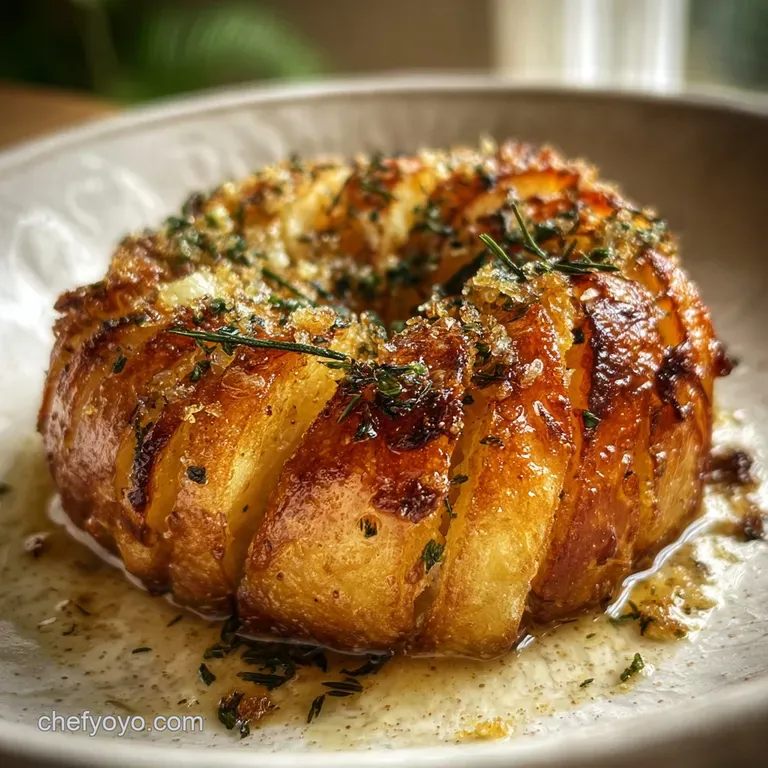
You don't need a professional kitchen, but a few specific tools will make your life much easier. I always use a heavy duty, rimmed baking sheet something like a Nordic Ware half sheet.
Thin pans tend to warp in high heat, which causes your oil to pool in the corners, leaving some potatoes dry and others swimming.
A large colander is also essential. You need something sturdy enough to give the potatoes a good, vigorous shake. This isn't just about draining; it’s about mechanical damage. We want those edges frayed and messy. Finally, a sharp chef's knife is a must for mincing that rosemary into a fine powder.
If the rosemary is too chunky, it will just fall off the potatoes and burn on the pan.
Steps for Crispy Golden Success
- Prep the spuds. Peel 1 kg of potatoes and cut them into 2 inch chunks. Note: Keep them uniform so they cook at the same rate.
- Boil the water. Bring a large pot of water to a boil with 15 ml of Kosher salt.
- Parboil the potatoes. Add the potatoes and cook for 8 to 10 minutes until the edges are soft but the center is firm.
- Drain and shake. Drain the potatoes in a colander and shake them vigorously until a starchy fuzz forms on the surface.
- Prep the garlic. Cut the tops off 2 heads of garlic, drizzle with 10 ml oil, and wrap loosely in foil.
- Toss with fat. Place potatoes on a baking sheet, drizzle with 45 ml olive oil, pepper, and minced rosemary. Note: Ensure every piece is glistening.
- Arrange for airflow. Space the potatoes out so they aren't touching and place the garlic foil packet in the center.
- Roast to perfection. Bake at 400°F (200°C) for 45 minutes until the potatoes are deep golden and shatter crisp.
- Combine and season. Squeeze the roasted garlic cloves out of their skins and toss them gently with the potatoes.
- Final touch. Sprinkle with 5 g flaky sea salt until the crystals stick to the warm oil.
Chef's Note: If you want the potatoes even crispier, let them sit in the colander for 2 minutes after shaking to let the steam evaporate before you add the oil. This "dry out" phase is a total game changer.
Fixing Common Texture and Flavor Issues
The biggest heartbreak is a potato that looks brown but feels soft. This usually happens because there was too much moisture left on the surface before it went into the oven. Steam is the enemy of the crunch. If your kitchen gets too humid, the potatoes might struggle to crisp up properly.
Troubleshooting Quick Fix
| Problem | Root Cause | Solution |
|---|---|---|
| Soggy potatoes | Crowded baking sheet | Use two pans or a larger sheet to allow steam to escape. |
| Bitter rosemary | Herbs burnt in heat | Add half the rosemary at the start and half 10 mins before finishing. |
| Garlic is hard | Not roasted long enough | Ensure the foil packet is sealed well to trap steam and soften cloves. |
Common Mistakes Checklist
- ✓ Don't skip the parboil: Raw potatoes in the oven will never get that thick, fuzzy crust.
- ✓ Avoid low quality oil: The oil is what "fries" the surface; use one that tastes good.
- ✓ Don't overcrowd: If the potatoes touch, they will steam each other instead of roasting.
- ✓ Preheat your pan: Put the baking sheet in the oven while it preheats for an instant sear.
- ✓ Use enough salt: Potatoes are flavor sponges; they need that 15 ml in the water.
Smart Swaps for Budget Cooking
This recipe is naturally budget friendly, but there are ways to make it even more accessible without losing that "wow" factor. If you don't have fresh rosemary, don't sweat it. Even some dried oregano or just extra black pepper can carry the dish.
The real star is the roasted garlic, which is incredibly cheap for the amount of flavor it provides.
Servings and Scaling
| Servings | Potato Amount | Garlic Heads | Pan Size |
|---|---|---|---|
| 2 People | 500 g (1.1 lbs) | 1 head | Half sheet pan |
| 4 People | 1 kg (2.2 lbs) | 2 heads | Standard large sheet |
| 8 People | 2 kg (4.4 lbs) | 4 heads | Two large sheets |
If you're scaling up for a big dinner, remember that you cannot crowd the pan. You’re better off using two separate racks in the oven and swapping their positions halfway through. This ensures that the bottom pan gets enough top down heat to brown the potatoes. For a fun variation, you could even pair these with a Broccoli and Cheese recipe for a full on potato feast.
Handling Leftovers and Reducing Waste
Roast potatoes are notoriously difficult to store because they lose that "shatter" quality. However, they don't have to be a loss. You can keep them in the fridge for up to 3 days. When you're ready to eat them again, avoid the microwave at all costs it will turn them into rubber.
Instead, toss them back into a hot skillet or a toaster oven for 5 to 10 minutes to bring back the crisp.
Zero Waste Tip: Don't throw away those potato peels! If you scrub the potatoes well before peeling, you can toss the skins with a little oil and salt and bake them at 400°F for 10 minutes.
They make the best "kitchen sink" crisps while you're waiting for the main dish to finish. Also, any leftover roasted garlic can be blended into a vinaigrette or spread directly onto toasted sourdough for breakfast the next day.
Serving Tips for Warm Comfort
When it comes to serving, these potatoes are the ultimate wingman. They go with almost anything, but they really shine next to a roast chicken or a thick steak. To keep them at their peak, don't cover them with a lid or foil once they come out of the oven.
Covering them traps the remaining steam, which will wilt that hard earned crust in seconds.
Decision Shortcut
- If you want a Mediterranean vibe, swap the rosemary for dried oregano and add a squeeze of lemon at the end.
- If you want a "Duchess" mash up, mash a few of the roasted potatoes with the garlic and fold them back into the crispy ones.
- If you want deep umami, sprinkle a tablespoon of nutritional yeast or Parmesan cheese over the potatoes for the last 5 minutes of roasting.
There’s a common myth that you should soak potatoes in cold water for hours to remove starch. While that's true for French fries, for this Chef John potato side dish recipe with roasted garlic, we actually want that surface starch! Parboiling is a much more efficient way to prep the surface for roasting.
Another myth is that you can't roast garlic and potatoes together because they have different cook times. By wrapping the garlic in foil, we protect it from the high heat, allowing it to steam roast perfectly in the same 45 minutes the potatoes need.
Trust the process, keep that oven hot, and get ready for the best side dish you've made all year.
Recipe FAQs
What is the best type of potato for this recipe?
Russet potatoes are best. Their high starch content creates the ideal "fuzz" on the surface after parboiling, leading to a shatter crisp exterior.
How do I get the potatoes extra crispy?
Shake them vigorously and let them sit. After draining, give the potatoes a good shake in the colander to create a starchy coating, then let them sit for 2 minutes to allow steam to escape.
Can I use dried rosemary instead of fresh?
Yes, but use less. Dried rosemary is more potent; use about half the amount of fresh rosemary, and crush it between your palms before adding.
How can I prepare the garlic for roasting?
Trim the tops and drizzle with oil. Cut off the top portion of each garlic head, drizzle with a little olive oil, and wrap them loosely in foil to steam roast.
What is the secret to the roasted garlic's sweet flavor?
Roast it whole and slow. Roasting garlic heads intact protects the cloves, allowing their natural sugars to caramelize into a spreadable, buttery sweetness without burning.
Can I substitute the olive oil with another fat?
Yes, duck fat is an excellent substitute. Duck fat offers higher smoke point and a rich flavor that is a classic pairing for roast potatoes.
Is it true that soaking potatoes makes them crispier?
No, this is a common misconception for this recipe. While soaking can be beneficial for some potato preparations like fries, for this dish, we deliberately want the surface starch developed during parboiling.
Chef John Garlic Potatoes
Ingredients:
Instructions:
Nutrition Facts:
| Calories | 338 kcal |
|---|---|
| Protein | 6.1 g |
| Fat | 13.2 g |
| Carbs | 51 g |
| Fiber | 5.4 g |
| Sugar | 1.8 g |
| Sodium | 680 mg |
