Chicken Carbonara Recipe: Velvety & Smoky
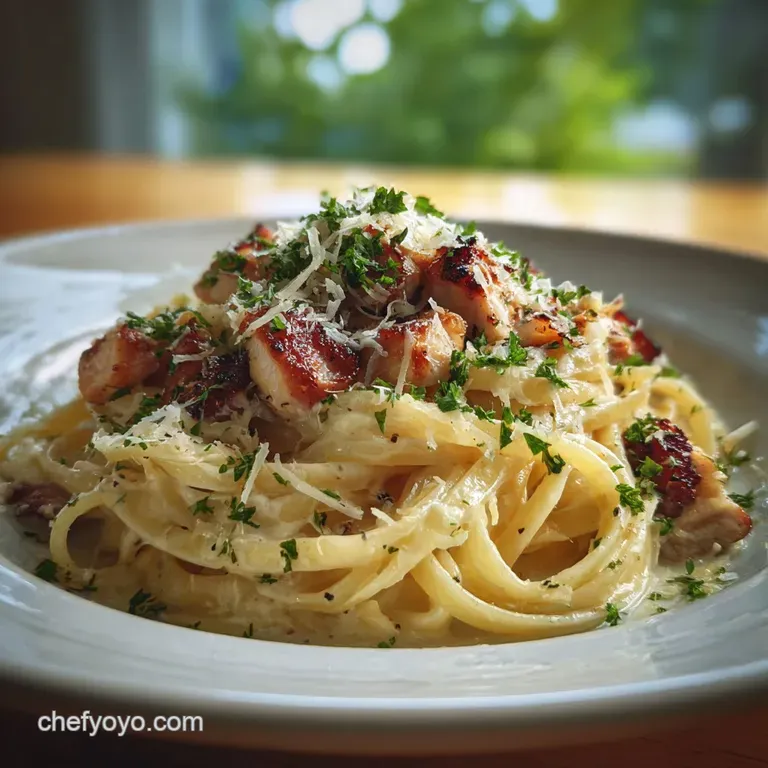
- Time: Active 10 minutes, Passive 15 minutes, Total 25 minutes
- Flavor/Texture Hook: Briny, velvety, and smoky
- Perfect for: High protein weeknight meals or date nights
- Achieve Silky Bliss With This Chicken Carbonara Recipe
- Vital Metrics for Proper Timing
- Component Analysis for Deep Flavor
- Essential Elements for Your Carbonara
- Essential Equipment for Sauce Stability
- Step-by-Step Cooking and Emulsion
- Troubleshooting Common Sauce Failures
- Modern Swaps for Dietary Needs
- Scaling and Volume Adjustments
- Debunking Carbonara Myths
- Maintaining Freshness and Quality
- Creative Presentation and Pairings
- Very High in Sodium
- Chicken Carbonara Recipe FAQs
- 📝 Recipe Card
Achieve Silky Bliss With This Chicken Carbonara Recipe
You know that specific sizzle when diced pancetta hits a warm pan and the fat starts to render into liquid gold? That is the exact moment I knew I had to master this dish. For a long time, I was terrified of making a chicken carbonara recipe because I kept ending up with what looked like spaghetti and breakfast eggs.
It was frustrating, but after dozens of tries, I found the secret lies in the temperature gap between "cooked" and "curdled."
This isn't your average jarred sauce experience. We are talking about a contemporary approach that honors the Roman roots while adding the lean protein boost we often crave on a busy Tuesday.
By using a specific ratio of whole eggs to yolks, we achieve a saturated, golden hued sauce that clings to every strand of spaghetti without feeling heavy or oily.
Forget what you have heard about carbonara being an impossible feat for home cooks. We are going to walk through the exact sensory cues the way the garlic smells right before it turns bitter and the precise shimmer of the pasta water that ensure success.
Trust me, once you see that velvety sauce come together in the pan, you will never look back at the pre made stuff again.
Vital Metrics for Proper Timing
Before we start the heat, let's look at how the modern approach compares to the purist method. While a traditional carbonara uses guanciale and zero cream, our contemporary version introduces chicken for a fuller meal and a tiny splash of heavy cream to act as a stabilizer for the egg emulsion.
| Feature | Classic Roman Style | This Contemporary Version |
|---|---|---|
| Protein Source | Guanciale (pork cheek) | Chicken Breast & Pancetta |
| Sauce Base | Eggs & Pecorino only | Eggs, Pecorino, & 2 tbsp Cream |
| Texture Profile | Sharp, funky, and thin | Silky, balanced, and coating |
The Science of Why it Works
Protein Coagulation Control: The addition of heavy cream and pasta water raises the temperature at which egg proteins bond, preventing them from clumping into scrambles.
Starch Emulsification: The salty, starchy pasta water acts as a bridge between the rendered pancetta fat and the liquid eggs, creating a unified, glossy sauce.
Chef Tip
Freeze your pancetta for 10 minutes before dicing. This hardens the fat slightly, allowing you to get those sharp, uniform cubes that shatter when bitten rather than turning chewy and gummy in the pan.
Component Analysis for Deep Flavor
The magic of a chicken carbonara recipe is how such humble ingredients transform through heat. Each element plays a structural role in the final architecture of the sauce.
| Ingredient | Science Role | Pro Secret |
|---|---|---|
| Egg Yolks | Emulsifier & Fat Source | Use room temp eggs to avoid shocking the sauce. |
| Pecorino Romano | Structural Protein & Salt | Grate it micro fine so it melts instantly into the emulsion. |
| Pasta Water | Binder & Thickener | Save twice as much as you think you need for reheating later. |
The foundation of this dish relies on the 12 oz spaghetti. If you are looking for a different comfort classic, the sauce technique here is actually quite similar to the one in my The Garlic Parmesan recipe, where we focus on building flavor layers without breaking the dairy.
Essential Elements for Your Carbonara
You’ll want to have everything prepped and standing by. Carbonara waits for no one, and the residual heat is your primary cooking tool here.
- 12 oz spaghetti: The classic vessel. Choose a bronze cut brand for a rougher surface that grabs the sauce.
- 1 lb chicken breast: Sliced into thin strips. Why this? Thin strips cook rapidly and distribute evenly among the pasta strands.
- 4 oz pancetta: Diced. You can sub with bacon, but pancetta offers a cleaner, more peppery pork flavor.
- 1 tbsp extra virgin olive oil: Just enough to help the pancetta start rendering.
- 3 large egg yolks + 1 large whole egg: The yolks provide the color and richness; the one white adds just enough protein for structure.
- 1.5 cups freshly grated Pecorino Romano cheese: Why this? Its briny, sharp profile cuts through the richness of the egg yolks.
- 2 tbsp heavy cream: This is our "insurance policy" against scrambling.
- 2 cloves garlic: Minced.
- 1/4 cup fresh parsley: Finely chopped for a hit of contemporary freshness.
- 0.5 tsp salt: Be careful, as the cheese and pancetta are already quite salty.
- 1 tsp freshly cracked black pepper: Use more than you think; it’s a core flavor, not just a garnish.
| Original Ingredient | Substitute | Why It Works |
|---|---|---|
| Pecorino Romano | Parmesan (Parmigiano Reggiano) | Less salty and slightly nuttier. Note: You may need extra salt. |
| Pancetta | Smoked Bacon | Adds a deep smokiness. Note: May produce more grease; drain slightly. |
| Chicken Breast | Chicken Thighs | More fat and moisture. Note: Will take 2-3 minutes longer to brown. |
Essential Equipment for Sauce Stability
Having the right tools is the difference between a velvety sauce and a sticky mess. Since we are using the "off heat" method, a heavy bottomed skillet is non negotiable for retaining enough heat to cook the eggs without a flame.
- Large Pasta Pot: You need plenty of water to prevent the spaghetti from clumping.
- Stainless Steel or Cast Iron Skillet: Avoid thin non stick pans; they lose heat too quickly for the final emulsion step.
- Microplane Grater: Essential for getting that "snow like" cheese texture that melts into the sauce.
- Large Metal Bowl: This is for whisking your eggs and cheese; it will eventually sit over the pasta pot for a gentle "bain marie" effect if needed.
step-by-step Cooking and Emulsion
Now we get to the fun part. The aroma of this dish changes through the process moving from the sharp, peppery scent of raw pancetta to the rich, toasted garlic smell that fills your kitchen.
- Boil the water. Fill a large pot with water and a generous pinch of salt. Bring to a rolling boil.
- Cook the spaghetti. Add 12 oz spaghetti. Cook for about 8-9 minutes until slightly firm to the bite (al dente).
- Whisk the sauce base. In a metal bowl, combine 3 yolks, 1 whole egg, 1.5 cups Pecorino, 2 tbsp heavy cream, and 1 tsp black pepper. Whisk until it forms a thick, pale yellow paste.
- Sear the chicken. Heat 1 tbsp olive oil in your skillet over medium high heat. Add 1 lb chicken strips and 0.5 tsp salt. Sauté 4-5 minutes until golden and cooked through. Remove chicken and set aside.
- Render the pancetta. In the same skillet, add 4 oz diced pancetta. Cook 5-6 minutes until the fat is translucent and the edges are crispy.
- Sauté the aromatics. Add 2 cloves minced garlic to the pancetta. Sauté for exactly 30 seconds until the fragrance is sharp and sweet, but don't let it brown.
- Reserve the liquid gold. Before draining the pasta, scoop out 1 cup of starchy pasta water. Note: This is the most important step for a silky sauce.
- Combine pasta and pork. Turn off the heat under the skillet. Add the drained spaghetti and the cooked chicken into the skillet with the pancetta and fat. Toss to coat.
- The Tempering. Slowly whisk 2 tbsp of the hot pasta water into your egg and cheese mixture. Note: This prevents the eggs from "shocking" when they hit the hot pan.
- The Grand Finale. Pour the egg mixture over the pasta. Toss vigorously with tongs, adding splashes of pasta water as needed, until the sauce transforms into a glossy, velvety coat.
Chef Tip
Add a half teaspoon of white miso paste to your egg mixture. It’s a contemporary fusion trick that mimics the funky depth of aged guanciale without needing to track down specialty cured meats.
Troubleshooting Common Sauce Failures
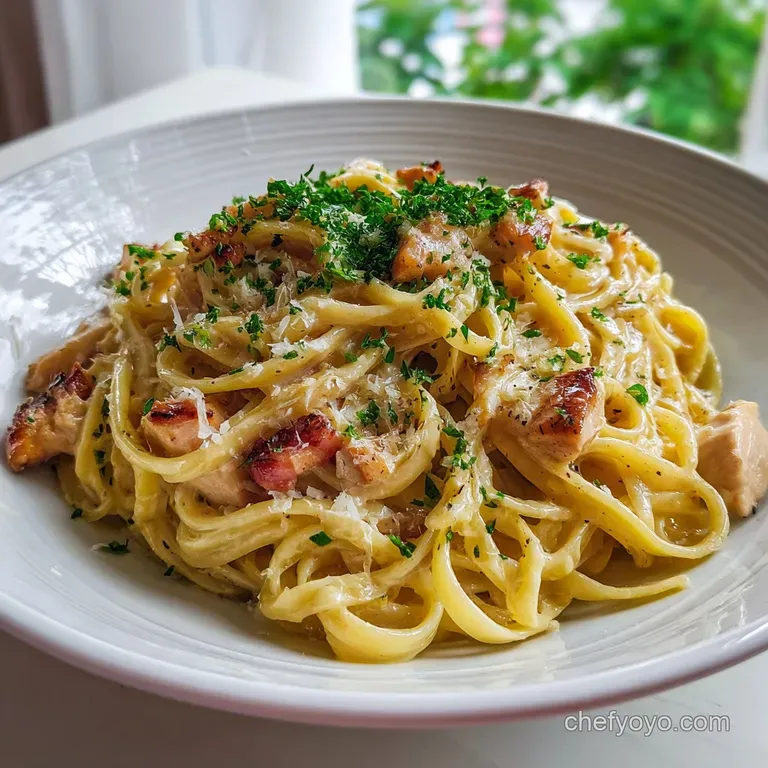
Even seasoned cooks can hit a snag with the temperamental nature of eggs. If your kitchen smells like a breakfast diner, we have a problem.
Fixing Scrambled Egg Sauce
If you see small white clumps forming, the pan was too hot. You can't "un cook" the eggs, but you can save the texture. Immediately remove the pan from the heat and whisk in a tablespoon of cold heavy cream. This drops the temperature and helps emulsify the remaining liquid parts of the egg.
Solving a Dry Texture
Sometimes the pasta absorbs the sauce too quickly, leaving the dish "tacky" rather than silky. This usually happens if you wait too long to serve.
| Problem | Root Cause | Solution |
|---|---|---|
| Clumpy Cheese | Cheese was too cold or coarse | Whisk 1 tbsp hot pasta water into the cheese before adding to eggs. |
| Greasy Finish | Too much rendered fat | Drain all but 1 tbsp of pancetta fat before adding the pasta. |
| Bland Flavor | Under salted pasta water | Add a pinch of salt to the final emulsion and extra black pepper. |
Common Mistakes Checklist
- ✓ Never add the egg mixture while the stove burner is still on.
- ✓ Always grate your own cheese; pre shredded cheese is coated in potato starch which prevents melting.
- ✓ Pat the chicken strips dry before searing to ensure they brown instead of steaming.
- ✓ Reserve the pasta water before draining it's easy to forget in the heat of the moment!
- ✓ Warm your serving bowls. A cold bowl will cause the egg sauce to thicken and seize instantly.
Modern Swaps for Dietary Needs
Adjusting a chicken carbonara recipe for different lifestyles is easier than you might think, though the texture will always shift slightly.
- The gluten-free Swap: Use a high-quality brown rice or chickpea spaghetti. Note: These release less starch, so you may need to use an extra egg yolk to compensate for the thinner "pasta water."
- The Low Carb Twist: Swap spaghetti for zucchini noodles (zoodles). Don't boil them! Just toss them in the warm pan with the pancetta for 60 seconds before adding the egg mixture.
- The dairy-free Attempt: While difficult, you can use nutritional yeast instead of Pecorino and a splash of unsweetened cashew milk. The flavor is different, but the technique remains the same.
Quick Decision Guide
- If you want it extra creamy: Add an extra 2 tbsp of heavy cream and use 4 yolks instead of 3.
- If you want it traditional: Omit the chicken and cream, and use only egg yolks and pasta water.
- If you want it spicy: Add 1 tsp of red pepper flakes to the oil when sautéing the garlic.
Scaling and Volume Adjustments
If you are cooking for a crowd or just yourself, keep these ratios in mind. Carbonara is best made in smaller batches (up to 6 servings) to maintain heat control.
- Scaling Down (1-2 people): Use 6 oz pasta and 1 large whole egg plus 1 yolk. Reduce the chicken to 0.5 lb. The cooking times remain the same.
- Scaling Up (6-8 people): Do not double the salt in the sauce, as the cheese provides most of it. Work in two separate skillets if possible; overcrowding the pan makes it impossible to toss the pasta fast enough to create the emulsion before the eggs cool down.
| Servings | Chicken Amount | Egg Count | Skillet Size |
|---|---|---|---|
| 2 People | 0.5 lb | 1 Whole + 1 Yolk | 10 inch |
| 4 People | 1.0 lb | 1 Whole + 3 Yolks | 12 inch |
| 6 People | 1.5 lb | 2 Whole + 4 Yolks | 14 inch |
Debunking Carbonara Myths
Myth: You must use cream to make it creamy. Actually, the creaminess comes from the emulsion of fat, starch, and egg protein. While we use 2 tbsp of cream in this recipe as a stabilizer, the "creamy" mouthfeel is primarily the result of vigorous tossing and the right temperature.
Myth: Carbonara is just "breakfast pasta." While the ingredients are similar to a breakfast plate, the technique of "tempering" and "emulsifying" is high level culinary chemistry. It is closer to making a Hollandaise sauce than frying an egg.
Myth: Garlic doesn't belong in carbonara. Traditionalists will argue this forever, but in a contemporary chicken carbonara recipe, garlic provides a necessary aromatic bridge between the lean chicken and the salty cheese.
Maintaining Freshness and Quality
Carbonara is notoriously difficult to store because the egg proteins continue to set as they cool. However, you can make it work with a bit of finesse.
Storage: Keep leftovers in an airtight container in the fridge for up to 3 days. Do not freeze this dish; the emulsion will break, and the texture will become grainy and unappealing upon thawing.
Reheating: Never use a microwave! It will scramble the eggs. Instead, place the cold pasta in a skillet with a splash of water or milk over very low heat. Toss constantly until the sauce loosens and becomes silky again. If you enjoy this type of quick reheat meal, you might find my Chicken and Noodles Recipe even more fridge friendly for weekly meal prep.
Zero Waste Tip: Don't throw away those leftover egg whites! Store them in a small jar in the fridge for up to 2 days and use them for a healthy egg white omelet or a batch of contemporary almond tuiles for dessert.
Also, if you have leftover pancetta rinds, toss them into your next pot of soup for an incredible umami boost.
Creative Presentation and Pairings
To keep this meal feeling contemporary and fresh, I love to serve it with a side of charred broccolini or a bitter arugula salad with a lemon vinaigrette. The acidity of the lemon cuts through the richness of the Pecorino beautifully.
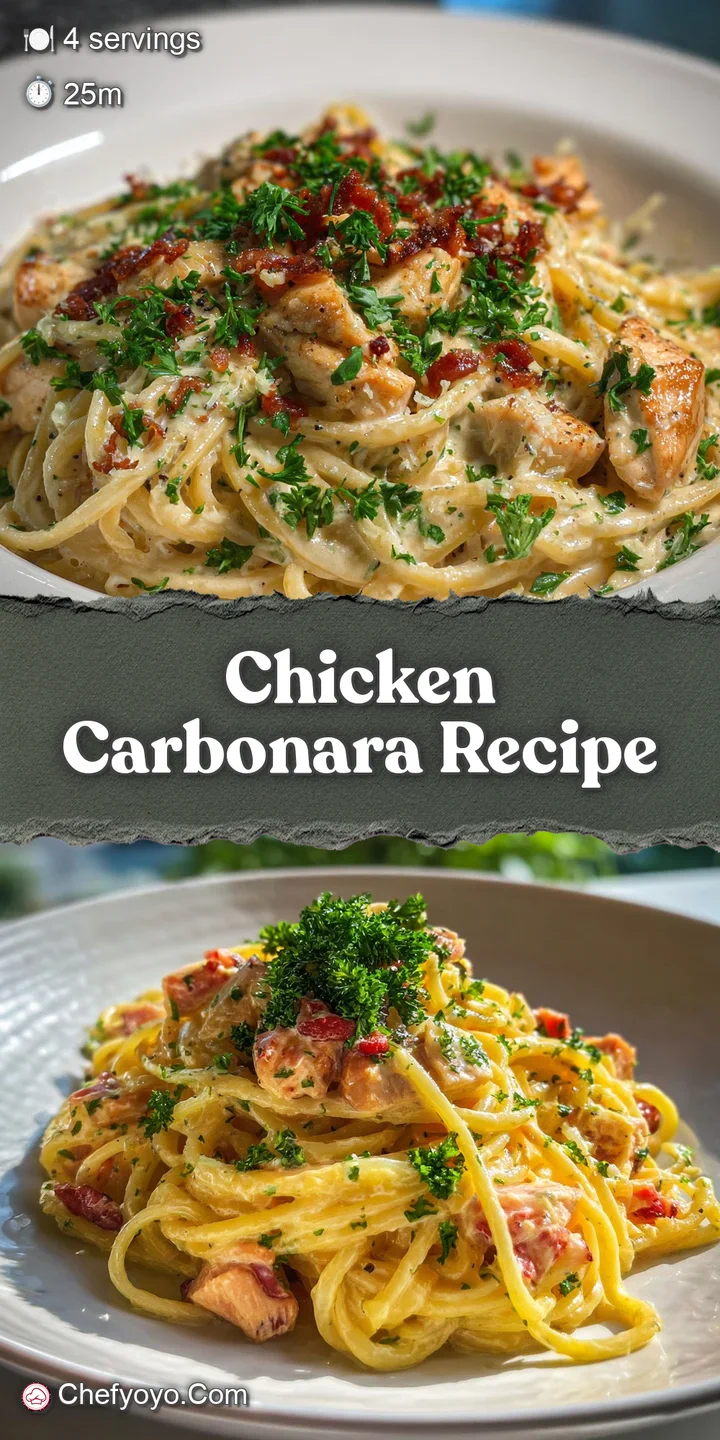
When plating, use a carving fork to twirl the spaghetti into a tall nest in the center of a wide, shallow bowl. Top with an extra crack of black pepper and a few leaves of that freshly chopped parsley. The contrast of the golden sauce against the bright green herbs makes the dish look as vibrant as it tastes.
If you’re feeling adventurous, a tiny drizzle of truffle oil right before serving adds a fusion forward aroma that is absolutely intoxicating.
For those who love this profile but want something even faster, my Air Fryer Chicken recipe can be used to prep the chicken in advance, making the final assembly of the pasta even quicker on those nights when you are truly pressed for time. Enjoy your kitchen journey this one is a rewarding one to get right!
Very High in Sodium
1180 mg of sodium per serving (51% of daily value)
The American Heart Association recommends limiting sodium intake to about 2,300mg per day.
Tips to Reduce Sodium in Your Carbonara
-
Reduce Pancetta-25%
Pancetta is a major source of sodium. Reduce the amount used by half (2 oz) or substitute with unsalted cooked ham for a lower sodium option.
-
Lower Sodium Cheese-20%
Pecorino Romano is very high in sodium. Use half Pecorino Romano (0.75 cups) and replace the other half with a lower sodium cheese like part skim mozzarella or ricotta salata. Taste as you go!
-
Omit Added Salt-15%
The recipe already contains high sodium ingredients. Omit the 0.5 tsp of added salt entirely, and adjust seasoning with pepper and herbs after tasting.
-
Choose Low Sodium Pasta-5%
While most pasta is low in sodium, check the label to ensure you are using the lowest sodium option available. Every little bit helps!
-
Spice It Up!
Use fresh herbs and spices like garlic powder, onion powder, red pepper flakes, or a blend of Italian herbs to enhance the flavor of your carbonara without adding sodium.
Chicken Carbonara Recipe FAQs
What are the ingredients in chicken carbonara?
The core ingredients are spaghetti, chicken breast, pancetta, egg yolks, whole egg, Pecorino Romano cheese, heavy cream, garlic, parsley, salt, and black pepper. These come together to create a rich, emulsified sauce that coats the pasta beautifully.
What are the 4 ingredients in traditional carbonara?
Traditionally, carbonara has only four main ingredients: pasta, eggs (often just yolks), Pecorino Romano cheese, and guanciale (cured pork cheek). Black pepper is also essential for flavor, and pasta water is crucial for emulsifying the sauce.
What are the 5 ingredients in a simple chicken carbonara?
A simplified chicken carbonara typically includes spaghetti, chicken, pancetta, eggs, and Pecorino Romano cheese. Black pepper and reserved pasta water are key for achieving the signature silky texture.
What is the secret to making carbonara?
The secret is managing heat and using starchy pasta water to create a stable emulsion. Whisking the tempered egg and cheese mixture vigorously into the hot pasta and rendered fat, off the direct heat, is crucial to prevent scrambling and achieve a glossy, velvety sauce. If you enjoyed mastering the sauce stability here, see how we apply similar principles of emulsion in our Peruvian Green Sauce: Authentic Aji Verde in 10 Minutes.
Can I use bacon instead of pancetta?
Yes, you can substitute bacon for pancetta. Bacon will add a smokier flavor and may release more grease, so be sure to drain off excess fat before adding the garlic and pasta.
How do I prevent my carbonara sauce from scrambling?
Remove the pan from direct heat before adding the egg mixture and toss vigorously. Tempering the eggs by whisking in a little hot pasta water first also helps to gradually raise their temperature, preventing a sudden shock that causes them to scramble.
Why is my carbonara sauce clumpy?
Clumpy sauce usually means the pan was too hot when the eggs were added or the cheese wasn't grated finely enough. Ensure your heat is very low or off completely when combining the eggs, and always use a microplane for finely grated Pecorino Romano to help it melt smoothly into the sauce.
Chicken Carbonara Recipe
Ingredients:
Instructions:
Nutrition Facts:
| Calories | 810 kcal |
|---|---|
| Protein | 54 g |
| Fat | 36 g |
| Carbs | 65 g |
| Fiber | 3 g |
| Sugar | 2 g |
| Sodium | 1180 mg |
