Japanese Chicken Yakitori Recipe
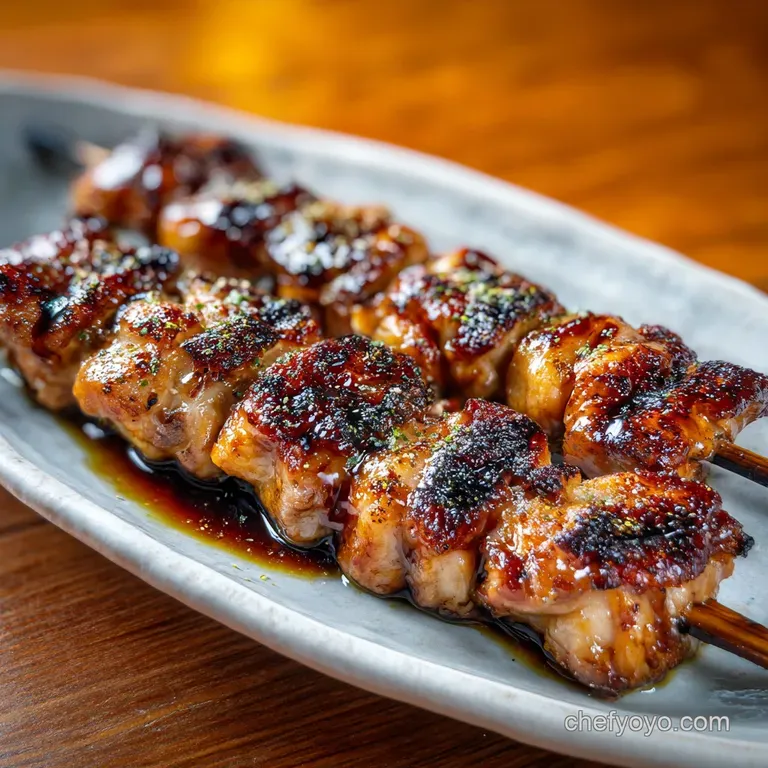
- Time: Active 25 minutes, Passive 10 minutes, Total 35 minutes
- Flavor/Texture Hook: Charred, salty sweet glaze with succulent chicken
- Perfect for: Casual dinner parties or a high protein weeknight treat
- Authentic Japanese Chicken Yakitori Recipe with Sticky Tare
- Understanding the Science Behind This Japanese Skewer Technique
- Planning Your Timeline for a Flawless Skewer Night
- Selecting Quality Ingredients for the Best Possible Results
- Essential Tools Needed for a Professional Izakaya Experience
- Step-by-Step Guide to Crafting These Signature Skewers
- Avoiding Common Pitfalls for the Most Succulent Chicken
- Modifying Your Ingredients to Suit Different Dietary Needs
- Storing Your Leftovers and Reducing Your Kitchen Waste
- Creative Ways to Serve and Enjoy Your Yakitori
- Recipe FAQs
- 📝 Recipe Card
Authentic Japanese Chicken Yakitori Recipe with Sticky Tare
The first time I tried to recreate that smoky hiss of a Tokyo izakaya in my own apartment, I accidentally set off two smoke detectors and nearly singed my eyebrows. I was chasing that specific aroma - the smell of rendered chicken fat hitting white hot coals - but I was trying to do it with a flimsy frying pan and bottled sauce.
It was a disaster, honestly. The chicken was rubbery, the sauce was watery, and the whole house smelled like burnt sugar for three days.
But I've learned a lot since those smoky early days. What actually works isn't a fancy grill, it's the technique of layering the glaze and choosing the right cut of meat. You need the fat from skin on thighs to create that signature sizzle and the patience to let your sauce reduce until it's thick enough to coat a spoon like velvet.
We're going for that beautiful contrast where the edges of the leeks get a bit of a "shatter" crunch while the chicken stays incredibly tender inside.
We've got the timing down to a science now, so you won't be standing over the stove all night. This version uses a stovetop to broiler method or a over high heat sear that gets you those caramelized "burnt ends" we all crave.
It's the kind of meal that feels like a celebration but only takes about 35 minutes from the first chop to the last bite. Let's get into the details so you can avoid my early mistakes and get straight to the good stuff.
Understanding the Science Behind This Japanese Skewer Technique
The Glossy Glaze Physics: Reducing the soy and mirin mixture concentrates the natural sugars and amino acids, creating a viscous liquid that clings to the protein through surface tension.
Maillard Reaction Maximization: High heat triggers a chemical reaction between the honey's sugars and the chicken's proteins, resulting in that distinct brown crust and savory aroma.
Collagen Breakdown: Using skin on thighs ensures that the collagen in the connective tissue melts into gelatin, providing a silky mouthfeel that breasts simply cannot replicate.
Choosing Your Cooking Method
| Method | Time | Texture | Best For |
|---|---|---|---|
| Cast Iron Skillet | 10 minutes | Maximum crust | Quick indoor dinners |
| Outdoor Charcoal | 12 minutes | Smoky depth | Authentic flavor seekers |
| Oven Broiler | 8 minutes | Even browning | Large batch cooking |
If you are a fan of quick meals with rich sauces, you might find this technique reminds you of the way we build flavor in our Chicken and Noodles Recipe. Both rely on reducing liquids to create a coating that stays put.
Planning Your Timeline for a Flawless Skewer Night
Getting the timing right is the difference between a relaxed dinner and a frantic kitchen. Start by making your tare sauce first because it needs time to simmer and thicken while you prep the meat.
While the sauce bubbles away, soak your bamboo skewers for at least 20 minutes; this prevents them from turning into kindling the moment they hit the heat.
If you are scaling this up for a crowd, remember that doubling the recipe doesn't mean doubling the salt. Keep your spices and salt to about 1.5 times the original amount to keep the balance.
For a smaller solo meal, you can easily halve the ingredients, but keep the sauce pan small so the liquid doesn't evaporate too quickly and burn.
Chef Tip: Use two skewers per portion for the wider pieces of chicken. This prevents the meat from spinning around when you try to flip them, ensuring an even sear on both sides.
Selecting Quality Ingredients for the Best Possible Results
| Ingredient | Science Role | Pro Secret |
|---|---|---|
| Mirin | Glaze viscosity | Look for "Hon mirin" for real fermented sugar depth |
| Chicken Thighs | Fat to lean ratio | Keep the skin on to baste the meat naturally |
| Raw Honey | Caramelization | Adds a floral note and speeds up the browning process |
For the most authentic experience, you’ll want to gather these specific items. If you find yourself out of a particular ingredient, check the substitution table below to keep the flavors on track.
- 120ml soy sauce: Provides the salty backbone. Why this? High salt content triggers the curing process for better texture.
- 120ml mirin: Adds sweetness and shine.
- 60ml sake: Tenderizes the meat through alcohol enzymes.
- 30ml raw honey: Creates a sticky, thick glaze.
- 1 clove garlic: Smashed for a mellow infusion.
- 1 slice ginger: Bruised to release aromatic oils.
- 1 tsp black peppercorns: Adds a subtle heat.
- 600g chicken thighs: Skin on is vital for moisture.
- 4 large leeks: Use only the white and light green parts.
- 1 tbsp neutral oil: For the initial sear.
- 1 tsp togarashi: Optional for a spicy kick.
| Original Ingredient | Substitute | Why It Works |
|---|---|---|
| Mirin (120ml) | Dry Sherry + 1 tsp sugar | Mimics the fortified wine profile and sweetness |
| Sake (60ml) | Dry White Wine | Provides necessary acidity and alcohol for tenderizing |
| Raw Honey (30ml) | Brown Sugar | High molasses content creates a similar dark, sticky crust |
For another great way to use these pantry staples, you should definitely try the Forget the Jar recipe which shares a similar umami rich foundation.
Essential Tools Needed for a Professional Izakaya Experience
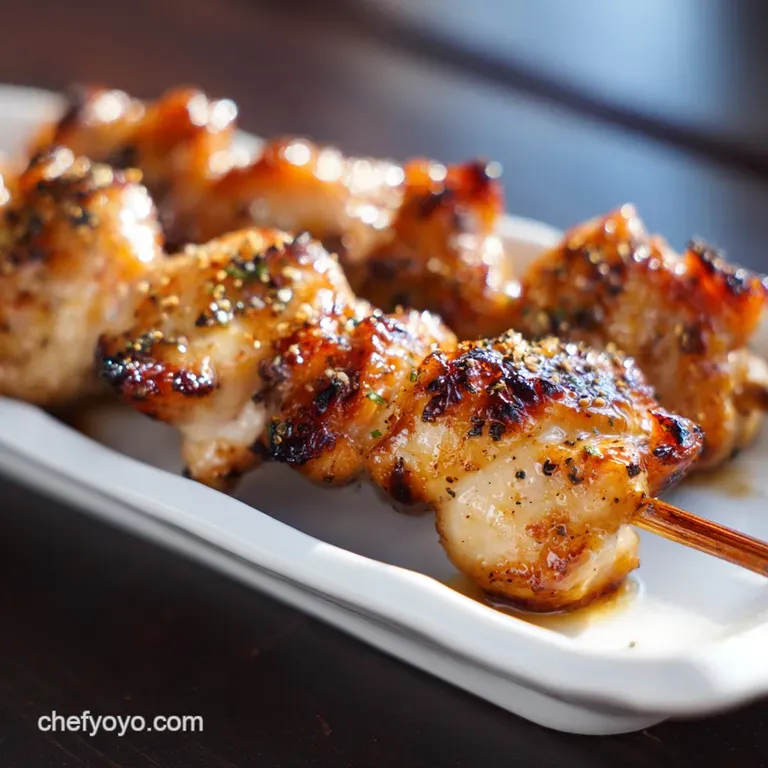
You don't need a specialized Yakitori grill to make this work. A heavy bottomed skillet, preferably cast iron (like a Lodge), is your best friend here because it holds heat better than stainless steel. You will also need about 12 to 15 bamboo skewers.
Make sure they are the shorter 6 inch variety so they fit easily in your pan.
A small saucepan is necessary for reducing the tare. Don't go too big, or the sauce will spread too thin and scorch. Finally, a pastry brush is non negotiable for the "triple dip" finish. You need to be able to paint that glaze onto the hot chicken to build up those layers of flavor.
step-by-step Guide to Crafting These Signature Skewers
- Simmer the tare. Combine the 120ml soy sauce, 120ml mirin, 60ml sake, 30ml honey, garlic, ginger, and peppercorns in a saucepan. Note: Simmer until reduced by half and thick enough to coat a spoon.
- Soak the skewers. Submerge your bamboo skewers in water for 20 minutes. Note: This prevents them from burning during the over high heat cooking.
- Prep the chicken. Cut the 600g of chicken thighs into 1 inch cubes. Note: Keeping the skin attached helps the fat render and crisp up.
- Slice the leeks. Cut the 4 leeks into 1 inch lengths. Note: Try to match the size of the chicken for even contact with the pan.
- Thread the skewers. Alternate chicken and leeks, starting and ending with chicken. Press them together tightly so they stay moist.
- Heat the pan. Add 1 tbsp neutral oil to a skillet over medium high heat until it shimmers and wisps of smoke appear.
- Sear the meat. Place skewers in the pan and cook for 3 minutes on the first side until the chicken is golden and the leeks begin to char.
- First glaze. Flip the skewers and brush the seared side generously with the reduced tare.
- Finish cooking. Cook for another 3 to 4 minutes while continuing to flip and brush with sauce every minute.
- Final rest. Remove from heat and give them one last brush of sauce until they look dark, glossy, and caramelized.
Avoiding Common Pitfalls for the Most Succulent Chicken
A common myth is that you should marinate the chicken in the tare sauce before cooking. This actually draws moisture out of the meat and causes the sugars to burn before the chicken is cooked through.
The "dip and grill" method is the traditional way for a reason - it builds flavor on the surface while keeping the interior velvety.
Another thing people worry about is "crowding" the pan. If you put too many skewers in at once, the temperature drops and the chicken starts to steam in its own juices instead of searing. You want a dry, intense heat to get that "shatter" on the skin. Work in batches if you have to; it's worth the extra few minutes.
Solving Texture and Flavor Issues
| Problem | Root Cause | Solution |
|---|---|---|
| Rubbery Chicken | Used breast meat | Switch to skin on thighs for higher fat content |
| Bitter Sauce | Reduced too far | Add a splash of sake or water to thin it back out |
| Soggy Leeks | Too much moisture | Pat leeks completely dry before skewering |
Common Mistakes Checklist
- ✓ Pat the chicken cubes completely dry with paper towels to ensure a fast sear.
- ✓ Don't skip the sake; it's the key to breaking down the tough fibers in thigh meat.
- ✓ Keep the garlic and ginger in large pieces so you can strain them out easily.
- ✓ Use a high smoke point oil like canola or grapeseed, never extra virgin olive oil.
- ✓ Allow the skewers to rest for 2 minutes after cooking to let the juices redistribute.
Modifying Your Ingredients to Suit Different Dietary Needs
If you are looking for a "Shio" (salt) version of this chicken yakitori recipe, simply omit the tare entirely. Rub the chicken with a high-quality sea salt and a little sake before grilling. It's a cleaner, more minimalist flavor profile that really lets the quality of the poultry shine through.
For those needing a gluten-free option, swap the soy sauce for Tamari. It has the same deep umami profile but is fermented without wheat. The behavior of the sauce during reduction remains almost identical, so you won't lose that signature sticky finish.
If you want to lower the glycemic index, you can use coconut aminos, though you may need to reduce it for a few extra minutes as it is naturally thinner.
Storing Your Leftovers and Reducing Your Kitchen Waste
Leftover yakitori is actually a hidden gem for lunch the next day. Store the skewers in an airtight container in the fridge for up to 3 days. When reheating, avoid the microwave if possible as it makes the chicken rubbery.
Instead, slide the meat off the skewers and warm it in a hot pan with a tiny splash of water to loosen the glaze.
Don't throw away the dark green parts of the leeks! While we only use the whites for the skewers, the greens are packed with flavor. Slice them thinly and sauté them with a bit of ginger to top a bowl of rice, or toss them into a freezer bag to use for your next batch of chicken stock.
If you have extra tare sauce, it stays good in the fridge for up to two weeks and makes a fantastic quick marinade for salmon or stir fry.
Creative Ways to Serve and Enjoy Your Yakitori
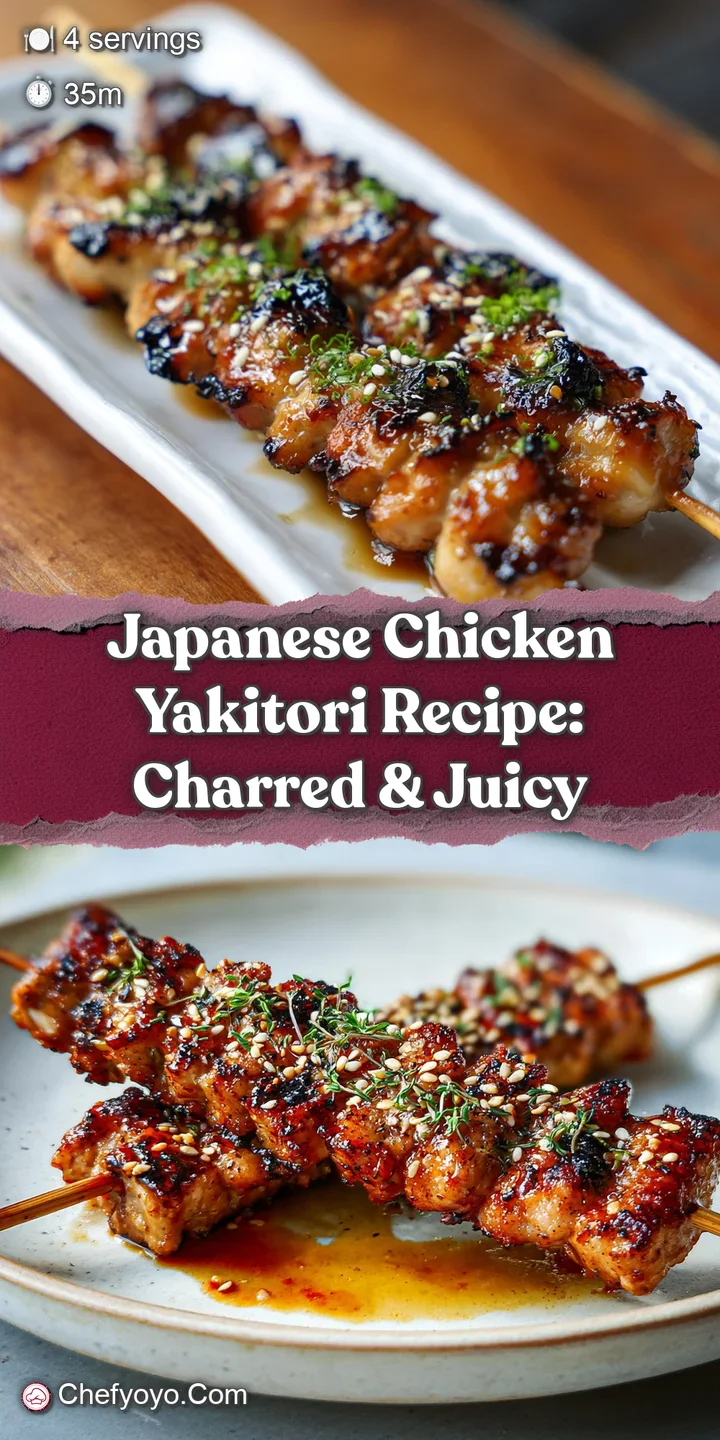
To serve these properly, I like to lay them out on a long, narrow plate - just like you'd see in a small Tokyo alleyway shop. Sprinkle a bit of togarashi over the top if you like heat, or some toasted sesame seeds for a bit of crunch.
It’s traditional to serve these with a side of cabbage leaves or a simple bowl of steamed rice to soak up any stray sauce.
If you are feeling ambitious, create a full izakaya spread. Pair these skewers with some chilled edamame and a cold lager. The salty sweet glaze on the chicken is the perfect partner for something crisp and refreshing.
For a more filling meal, you can serve the chicken over a bed of shredded cabbage with a drizzle of Japanese mayo. It’s simple, comforting, and brings that authentic street food vibe right to your dining table.
Recipe FAQs
What is the sauce for yakitori chicken?
The sauce is called Tare. It's a thick, sweet, and savory glaze traditionally made by reducing soy sauce, mirin, sake, and honey until it heavily coats the back of a spoon.
What are the ingredients in Japanese yakitori?
Chicken thighs and leeks are the core ingredients. You need high-quality skin-on thighs for the best fat rendering and flavor; the leeks provide a sweet, charred vegetable component.
What is yakitori chicken flavour made of?
The primary flavor profile comes from the Maillard reaction on the glaze. This salty sweet char, created by basting with the reduced Tare sauce over high heat, is what defines authentic yakitori.
Do you marinate chicken yakitori?
No, you should not traditionally marinate the raw chicken. Dipping or basting with the Tare sauce only after the chicken has seared locks in the moisture and prevents the sugars from burning too early.
Is it true you must use a charcoal grill for authentic flavor?
No, this is a common misconception. While charcoal adds smoke, you can achieve excellent, deep caramelization using a very hot cast iron skillet followed by a quick stint under the oven broiler.
How to make the tare sauce thick enough to stick to the chicken?
Simmer the sauce until it reduces by at least half. This process concentrates the sugars and thickens the liquid through evaporation, which helps build that stable surface tension needed for glazing.
What is a good substitute if I do not have sake for the tare?
Use dry white wine as a substitute for sake. Both introduce alcohol and a touch of acidity, which helps tenderize the meat fibers slightly; this technique of adding mild acid is essential for balancing rich flavors, much like in our Chicken Francese With recipe.
Chicken Yakitori Recipe Guide
Ingredients:
Instructions:
Nutrition Facts:
| Calories | 458 kcal |
|---|---|
| Protein | 28.1 g |
| Fat | 26.4 g |
| Carbs | 19.2 g |
| Fiber | 1.2 g |
| Sugar | 15.8 g |
| Sodium | 685 mg |
