Bayou Brilliance Chefs Authentic Crawfish Étouffée
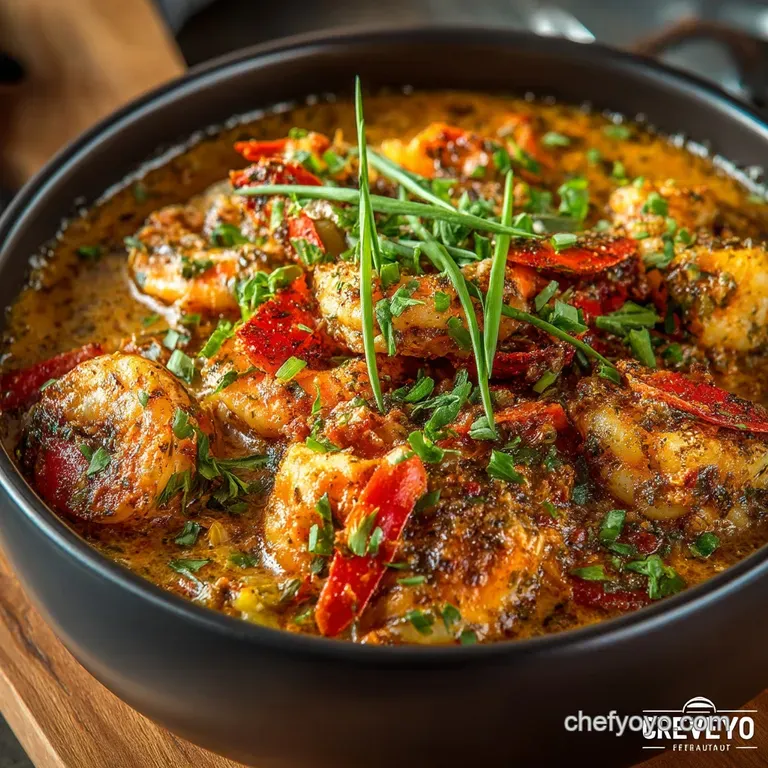
Mastering Authentic Louisiana Crawfish Etouffee
There are few dishes that capture the heart and soul of South Louisiana quite like the Crawfish Etouffee . This culinary masterpiece, rich with heritage and robust flavor, is the quintessential comfort food of the bayou.
While rated as a medium difficulty undertaking, the preparation is incredibly rewarding, culminating in a deeply satisfying seafood stew served over fluffy rice. If you are seeking the definitive Authentic Crawfish Etouffee experience, focusing on proper technique particularly the roux is the only way to achieve true brilliance.
The Soul of Creole Cooking: Understanding the Etouffee Method
The very term "étouffée" is French for "smothered," perfectly describing the cooking method: a protein (in this case, sweet crawfish tails) is gently simmered in a dense, savory sauce.
Unlike its darker, more complex cousin, gumbo, étouffée relies on a lighter, golden blonde roux and skips the thickening agent of okra. The result is a buttery, intensely flavorful sauce built upon the fundamental Crawfish Etouffee Ingredients : the essential blend of onions, celery, and bell pepper, known affectionately as the "Holy Trinity." This process of slow cooking ensures that the base flavors meld perfectly, delivering a glorious punch of spice and seafood decadence that defines a Classic Louisiana Crawfish Étouffée .
Why the Golden Blonde Roux is Non-Negotiable
The roux is the starting line for any great Louisiana dish, and in the case of étouffée, its color dictates the final flavor profile. We are aiming for a golden blonde or copper hue the color of peanut butter. This requires patience and precision.
By combining equal parts fat and flour (specifically 1/2 cup of unsalted butter and 1/2 cup of all-purpose flour), you create the foundation. The successful preparation of this base requires your undivided attention, stirring constantly over medium heat for 10 to 15 minutes.
Rushing this step over high heat risks burning the mixture, which necessitates starting over completely. The deep, nutty scent of a properly cooked golden roux provides the necessary savory depth that thickens and flavors the entire sauce without overpowering the delicate taste of the crawfish.
A Trip to the Bayou: Defining True Louisiana Flavor
The unmistakable flavor of an authentic étouffée is complex, yet comforting. It begins with the rich, buttery texture derived from the roux, which is immediately followed by the aromatics of the sautéed Holy Trinity.
The incorporation of two tablespoons of Cajun or Creole seasoning blend, along with a teaspoon of dried thyme and two bay leaves, builds layered heat. Critically, the unique sweet and slightly muddy flavor of the crawfish is the star.
If you are fortunate enough to have reserved crawfish fat that bright orange or yellow liquid gold often found with the peeled tails adding it directly to the butter and flour at the start will turbocharge the color and flavor, lending that crucial bayou essence to your New Orleans Crawfish Etouffee Recipe .
Stocking Your Pantry for the Perfect Crawfish Étouffée
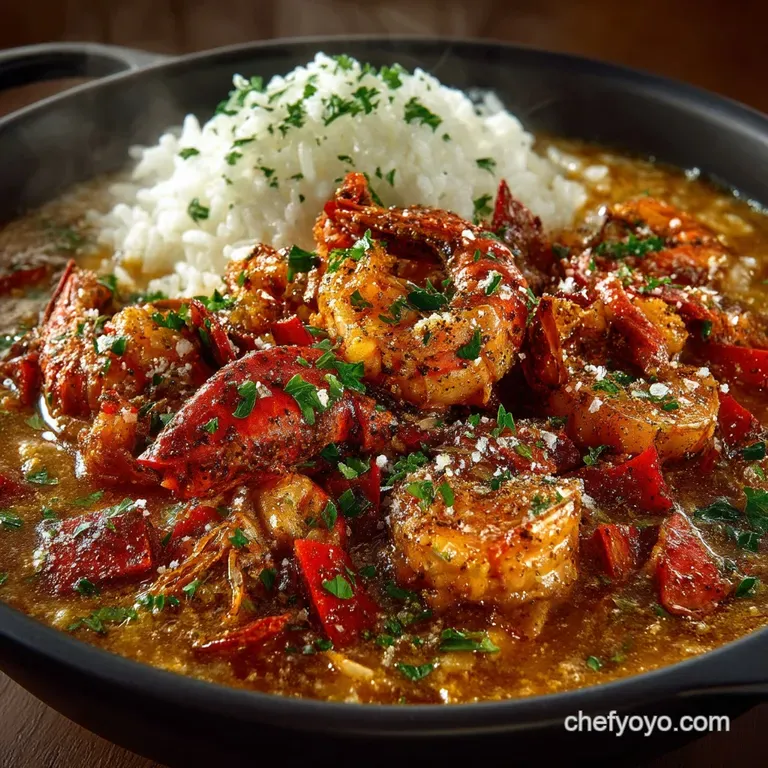
Achieving excellence in this dish starts long before the pot hits the stove. Gathering high-quality ingredients is paramount for an outstanding result in this Crawfish Etouffee Recipe .
The Holy Trinity and Beyond: Essential Produce
The foundational vegetables must be prepped precisely. You will need one cup of yellow onion, 3/4 cup of celery, and 3/4 cup of green bell pepper. It is essential to finely dice these ingredients (known as brunoise) so they break down smoothly into the sauce during the smothering process.
Beyond the Trinity, ensure you have approximately two tablespoons (or six medium cloves) of minced garlic ready to contribute its sharp aroma later in the cooking process.
Selecting the Best Crawfish Tails (Fresh vs. Frozen)
For this recipe, one pound (450g) of pre-cooked, peeled crawfish tails is required. While fresh is always optimal, high-quality frozen tails, thawed completely, work perfectly well. The most crucial consideration when sourcing your seafood is the retention of the crawfish fat.
As previously mentioned, reserve any crawfish liquid or fat that comes with your protein, as this will elevate your Creole Crawfish Etouffee from delicious to divine.
Since the crawfish tails are already cooked, they are only integrated at the very end to avoid turning the sweet meat tough and rubbery.
Spice Cabinet Secrets: Building Layered Heat
The seasoning is where you dial in the personality of your dish. Start with 1 1/2 to 2 tablespoons of your preferred Cajun or Creole seasoning blend, adjusting the amount based on your desired heat level.
In addition to the dried thyme and bay leaves, a single tablespoon of tomato paste is an optional but highly recommended addition, lending a beautiful depth and subtle colour to the rich sauce.
You will also need four cups of low-sodium chicken or fish stock, which should be warmed slightly before use to prevent the roux from seizing up when introduced. Don't forget the final touch of fresh lemon juice, essential for brightening the overall flavor.
Essential Kitchen Gear for the Smothering Process
A reliable kitchen setup is key when learning How To Make Crawfish Etouffee . The most important piece of equipment is a heavy bottomed Dutch oven or a sturdy pot. This is vital because it distributes heat evenly, minimizing the risk of scorching the roux during the critical initial phase.
You will also need a whisk or a wooden spoon for constant stirring, along with your basic cutting board and measuring tools.
Related Recipes Worth Trying
- Authentic Shrimp Etouffee Recipe Creamy Dark Roux Louisiana Classic — Master this Classic Louisiana Shrimp Etouffee built on a patient perfect dark roux Enjoy plump shrimp smothered in a rich velvety sauce Stop settling for...
- Easy Shrimp Etouffee For Classic Cajun Cooking Turn To This — Mais cher For Classic Cajun Cooking Turn to this Shrimp Etouffee An authentic Cajun food recipe smothered in flavor and ready in under an hour Bon temps rouler
- Etouffee Recipe: My Easy & Authentic Louisiana Crawfish! — Want an easy etouffee recipe that tastes like you're in Louisiana? This crawfish etouffee is authentic, creamy, and ready in under an hour! Get my tips now!
step-by-step Guide to Making Crawfish Etouffee (The Smothering Process)
The total process takes approximately 60 minutes, with the cooking time clocking in at around 40 minutes. This detailed breakdown ensures a flawless execution.
Phase 1: Achieving the Perfect Golden Blonde Roux
Begin by melting the 1/2 cup of butter in your heavy bottomed pot over medium heat. Stir in the 1/2 cup of flour until completely smooth; if you have reserved crawfish fat, add it now. This marks the start of the required 10– 15 minutes of constant stirring.
Maintain medium low heat, adjusting downwards if the mixture bubbles or smokes too aggressively. Continue stirring until the mixture transforms from a pale paste into a deep, nutty, peanut butter or copper color. Once achieved, you must proceed immediately to stop the cooking process.
Phase 2: Building the Flavor Base (Sautéing the Trinity)
To halt the roux’s progression and prevent burning, immediately introduce the finely diced onion, celery, and bell pepper. Stir these vegetables thoroughly into the hot roux. Cook for 5 to 7 minutes until they soften and become translucent.
This technique, called sweating, draws out the moisture and stops the roux from darkening further. Next, incorporate the minced garlic, the optional tablespoon of tomato paste, the Cajun seasoning, and the dried thyme. Stir these aromatics for just one minute until their scent is highly fragrant.
Phase 3: The Gentle Simmer and Seafood Integration
The next critical step in this Crawfish Etouffee Recipe Easy process involves adding the liquid. Slowly whisk in the four cups of warm stock, beginning with just one cup to ensure a smooth, lump free sauce forms before adding the remainder.
Introduce the bay leaves and bring the liquid to a gentle simmer. Reduce the heat to low and allow the sauce to cook, uncovered, for 20 to 25 minutes. This slow simmer allows the flavors to deepen and the sauce to thicken slightly.
Once the simmering is complete, remove the pot completely from the heat source. Gently stir in the pre-cooked, peeled crawfish tails. It is absolutely crucial not to boil the crawfish, as this will ruin their texture; the residual heat of the étouffée is sufficient to warm the tails through in about five minutes.
Phase 4: Final Touches and Garnishing for Presentation
Once the crawfish is warmed, stir in that indispensable one teaspoon of fresh lemon juice. This small amount of acidity cuts through the richness of the roux and butter, significantly brightening the overall flavor profile.
Taste the sauce and adjust the salt, pepper, or Cajun seasoning as needed to ensure the sauce is robust and savory. Ladle the hot étouffée generously over a mound of hot, cooked long grain white rice.
Finish the presentation with a generous sprinkle of fresh, chopped parsley and thinly sliced spring onions (scallions) for visual appeal and a fresh herbaceous lift.
Chef’s Notes and Troubleshooting Your Étouffée
Even the most accomplished cooks can benefit from a few expert tips to refine their final dish.
Storage Secrets: Keeping Your Leftovers Fresh
This rich stew is a fantastic candidate for meal prepping, as the flavors often deepen overnight. Store leftover étouffée in an airtight container in the refrigerator for up to three to four days. It also freezes well for up to three months.
To reheat, thaw overnight and warm gently on the stovetop, adding a splash of stock or water if the sauce appears too thick after chilling.
What to Serve With This Decadent Dish
The classic pairing for Classic Louisiana Crawfish Étouffée is non-negotiable: a mound of steaming, fluffy long grain white rice acts as the perfect neutral canvas to soak up the rich, savory sauce.
To contrast the decadent, spicy stew, serve a light, vinegary side, such as a crisp green salad or a simple coleslaw. For beverages, the richness pairs beautifully with a crisp, cold Pilsner, a dry Rosé wine, or classic southern sweet iced tea.
Troubleshooting: Too Thin, Too Thick, or Lacking Heat?
If you find your sauce too thin after the 25-minute simmer, continue cooking for another 5– 10 minutes uncovered, allowing more liquid to evaporate. If it’s too thick, simply whisk in a quarter cup of additional warm stock until the desired consistency is achieved.
If the heat or spice level is lacking, don't stir in raw seasoning powder directly, as it may clump. Instead, mix a teaspoon of seasoning with a tablespoon of hot stock, dissolve it fully, and then stir that seasoned liquid back into the étouffée.
Seasonal Swaps: Using Shrimp or Crab as Alternatives
The "smothered" method translates beautifully to other proteins, making it an incredibly versatile dish. If crawfish are unavailable, substituting high-quality peeled shrimp creates a delicious Shrimp Étouffée.
Follow the exact same procedure, but be mindful of the cooking time for the alternative protein: shrimp only need to cook in the hot sauce for two to three minutes until they turn opaque and pink. You can also utilize crab meat, though caution must be taken to simply warm it through to avoid a tough texture.
For a slight variation on the Creole Crawfish Etouffee profile, you may increase the tomato paste to 1/4 cup and even add drained, petite diced tomatoes along with the stock for a deeper, more pronounced tomato flavor.

Recipe FAQs
Crikey, I’ve messed up the roux! How do I stop it from going lumpy or burnt?
The roux is the heart of this dish, so don't rush it low and slow is the key, mate. Use medium low heat and stir constantly for the full 10-15 minutes; if it smells nutty, it's perfect, but if it smells burnt, you're better off starting over, as that bitter taste won't leave.
If you get little lumps when adding the stock, don't fret; simply pass the finished sauce through a fine mesh sieve before adding the crawfish to achieve that silky, smooth finish.
I can’t find crawfish tails. Can I make this Bayou Brilliance Crawfish Etouffee recipe with something else?
Absolutely! If crawfish is rarer than sunshine on a bank holiday, feel free to substitute with high-quality peeled shrimp or lump crab meat for a delicious seafood alternative. If using shrimp, add them just 2-3 minutes before serving so they cook perfectly until pink and opaque, avoiding that rubbery texture.
Remember that the unique flavour of classic Crawfish Etouffee is hard to replicate completely, but the buttery roux base still carries the dish beautifully.
My crawfish went rubbery. What did I do wrong?
That’s a classic mistake, but easily avoided! Since almost all purchased crawfish are already pre-cooked, boiling or aggressively simmering them will make them tough as old boots. The trick is to remove the étouffée from the heat completely before gently stirring the crawfish tails in.
The residual heat of the thick sauce is plenty to warm them through in about five minutes, keeping them perfectly tender.
This makes a generous amount can I freeze the leftovers for another day?
Yes, this recipe freezes like a dream and is brilliant for batch cooking! Once cooled, transfer the étouffée (without the rice, naturally) into freezer safe containers and it will keep well for up to three months.
To reheat, thaw overnight and gently warm on the hob; you might need to add a splash of stock if it's thickened too much. Just make sure the final reheating is gentle to protect those delicate crawfish tails.
I'm a bit of a lightweight with heat. How can I control the spiciness of the dish?
You have full control over the spice level, which often comes primarily from the Cajun or Creole seasoning blend. Start with just 1 tablespoon of seasoning and taste it carefully before adding more. You can always add heat, but you can’t easily take it away!
For true spice lovers, skip the seasoning during cooking and serve with a bottle of proper Louisiana hot sauce, like Tabasco, on the side that way everyone can adjust to their preference.
Classic Crawfish Etouffee Recipe
Ingredients:
Instructions:
Nutrition Facts:
| Calories | 1138 kcal |
|---|---|
| Protein | 16.9 g |
| Fat | 26.5 g |
| Carbs | 106.9 g |
| Fiber | 27.7 g |
| Sodium | 68 mg |
