Crack Burgers: Ultimate Flavor Bomb

- Time: Active 20 minutes, Passive 10 minutes, Total 30 minutes
- Flavor/Texture Hook: Savory, tangy, and incredibly juicy
- Perfect for: Weekend backyard hangouts or a heavy hitting weeknight dinner
- Bold Flavors in Every Bite of Crack Burgers
- Mastering Savory Beef Texture Secrets
- Component Deep Dive Analysis
- Sourcing Vibrant and Bold Components
- Essential Gear for High Heat Sizzling
- Precision Steps for Intense Flavor
- Solving Common Meat Texture Problems
- Scaling for Large Gatherings
- Debunking Burger Prep Myths
- Preserving Boldness Through Proper Storage
- Vibrant Plating for Maximum Impact
- Critical Level of Sodium
- Recipe FAQs
- 📝 Recipe Card
Bold Flavors in Every Bite of Crack Burgers
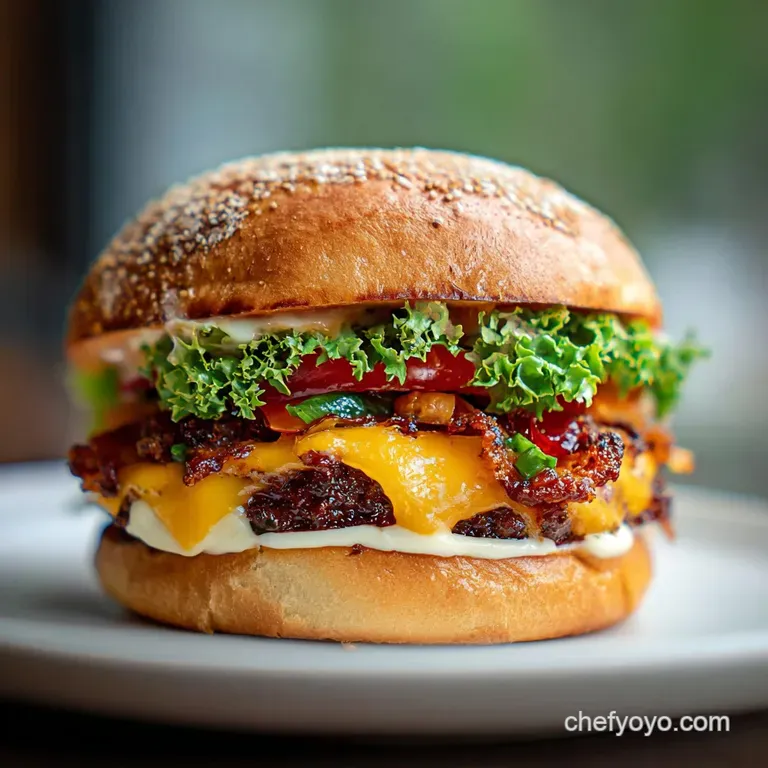
I remember the first time I threw these onto a cast iron skillet. The second the beef hit the metal, this wild, herbal aroma from the ranch dressing mix exploded into the kitchen. It was not just your standard "burger smell," it was something sharper, more savory, and honestly, a bit addictive.
My friends were hovering over the stove before the patties even finished searing, lured in by that smoky bacon scent.
We have all had those dry, crumbly burgers that need a gallon of ketchup to survive, but these are a different beast. The secret lies in the weirdly brilliant addition of cream cheese and sour cream. It sounds chaotic, but it creates a texture so velvety that it ruins regular burgers for you.
If you are looking for that vibrant, street food style punch, this is the one.
Right then, let's get into why this works so well. We are not just making a sandwich, we are engineering a massive hit of umami. You will want to keep your beef cold and your skillet screaming hot to get that beautiful, dark crust we are after.
Trust me on this, once you smell that cheese melting into the ranch seasoned beef, you will never go back to plain salt and pepper.
Mastering Savory Beef Texture Secrets
The Dairy Fat Buffer: Lactic acid in the sour cream and cream cheese breaks down tough protein strands for a tender bite. This creates a moisture barrier that prevents the beef from drying out during the sear.
Maillard Reaction Catalyst: The sugars in the cream cheese caramelize rapidly against the heat. This results in a deeper, darker crust that shatters slightly before you hit the soft center.
| Method | Time | Texture | Best For |
|---|---|---|---|
| High Heat Skillet | 10 minutes | Crispy, charred exterior | Maximum flavor development |
| Outdoor Grill | 12 minutes | Smoky, slightly drier | Large summer crowds |
| Air Fryer | 15 minutes | Uniformly tender | Low mess weeknight meals |
Using a heavy skillet is my preferred route because you trap all those rendering fats. Much like the technique used for the beef in my Spaghetti and Meatballs recipe, handling the meat as little as possible ensures it stays light rather than turning into a dense puck.
Moisture Shield Science
The inclusion of fat heavy dairy acts as a physical barrier. It keeps the beef juices locked inside while the exterior undergoes intense caramelization.
Cold Hand Integration
Keeping your hands and the meat cold prevents the fat from melting before it hits the pan. If the fat melts during mixing, you lose that signature juicy "snap."
The Maillard Sear
High heat is non negotiable for that deep brown color. This chemical reaction creates hundreds of new flavor compounds that define a great burger.
Component Deep Dive Analysis
| Ingredient | Science Role | Pro Secret |
|---|---|---|
| 80/20 Ground Beef | Primary fat source | Never use 90/10; you need fat for the dairy to emulsify. |
| Cream Cheese | Binding agent | Ensure it is totally soft before mixing to avoid white lumps. |
| Dry Ranch Mix | Flavor powerhouse | This provides the salt, so do not add extra table salt. |
For the Savory Beef Mixture
The foundation is 680g (1.5 lbs) of ground beef. We are using an 80/20 ratio because the fat carries the bold ranch flavors throughout the meat. You will also need 115g (0.5 cup) of bacon, which must be cooked until it has a significant shatter before you crumble it.
Buns and Assembly
We are using 4 brioche buns because their sweetness balances the salty, tangy interior of the burger. Much like the fluffy texture found in an Egg Sandwich on recipe, a toasted bun provides the structural integrity needed to hold up against the juicy beef.
Sourcing Vibrant and Bold Components
- 680g Ground Beef (80/20): Substitute with ground turkey if needed, but add 1 tbsp of olive oil to compensate for lower fat. Why this? The 20% fat ratio is essential for a succulent, dripping burger.
- 115g Crispy Bacon: Substitute with turkey bacon or smoked pancetta. Why this? Provides a smoky crunch that contrasts the velvety beef.
- 115g Sharp Cheddar: Substitute with Pepper Jack for a spicy kick. Why this? Freshly shredded melts better than the pre bagged stuff.
- 28g Ranch Seasoning: Substitute with a mix of dried dill, garlic powder, and onion powder. Why this? It is the "crack" in the burger don't skip the herbs.
- 30ml Sour Cream: Substitute with full fat Greek yogurt. Why this? Adds the necessary acidity to cut through the heavy fats.
- 30g Cream Cheese: Substitute with Mascarpone for a milder finish. Why this? Acts as a glue for the bacon and cheese bits.
- 2.5ml Black Pepper: Substitute with white pepper for a more floral heat. Why this? Cuts through the richness of the cheddar.
- 4 Brioche Buns: Substitute with potato rolls. Why this? Their buttery crumb absorbs the juices without disintegrating.
- 30g Unsalted Butter: Substitute with ghee for a higher smoke point. Why this? Creates a golden, toasted "seal" on the buns.
Essential Gear for High Heat Sizzling
To get that vibrant, street food crust, a cast iron skillet is your best friend. It holds heat better than stainless steel, ensuring the temperature doesn't drop when the cold patties hit the surface. You will also need a wide metal spatula to flip the burgers without breaking them.
Chef Tip: Freeze your butter for 10 minutes then grate it into the meat mixture if you want "butter burgers" on another level. It creates tiny pockets of steam that make the patty even fluffier.
A digital meat thermometer is also a lifesaver here. Since these burgers have extra fat and dairy, they can look done on the outside while the middle is still too soft. Aiming for that specific internal temperature ensures you don't end up with a raw center or a charred, dry exterior.
Precision Steps for Intense Flavor
1. Chill and Mix
In a large glass bowl, combine the 680g beef, 115g bacon, 115g cheddar, ranch packet, sour cream, cream cheese, and pepper. Note: Use a fork to mix gently so you don't overwork the proteins.
2. Portion and Shape
Divide the mixture into 4 equal portions of roughly 170g each. Note: Form them into patties about 2cm thick and press a thumbprint into the center to prevent bulging.
3. Chill the Patties
Place the shaped patties in the fridge for 15 minutes. Note: This sets the fats and ensures they don't fall apart when they hit the hot skillet.
4. Prep the Buns
Spread 30g of butter onto the cut sides of the brioche buns. Note: Toast them in a dry pan over medium heat until golden and smelling like a bakery.
5. High Heat Sizzling
Heat your skillet over medium high heat until a drop of water flicked onto it dances and evaporates instantly. Note: This takes about 3 full minutes of preheating.
6. The First Sear
Place patties in the pan and cook for 4 minutes without moving them. Note: You are waiting for that sizzling, deep brown crust to form.
7. The Flip
Flip the patties carefully using a wide spatula. Note: You should see a dark, caramelized surface that looks almost like a crust.
8. Resting for Juiciness
Cook for another 4 minutes until the internal temperature hits 71°C. Note: Remove from heat and let them rest on a plate for 3 minutes before serving.
Solving Common Meat Texture Problems
Crumbling Patty Fixes
If your burgers are falling apart, it usually means the meat was too warm during the mixing phase or they weren't chilled long enough. The dairy helps bind, but it needs a cold start to stay structural.
| Problem | Root Cause | Solution |
|---|---|---|
| Falling apart | Meat was overworked or too warm | Chill shaped patties for 20 mins before cooking. |
| Excessive smoke | Skillet heat is too high for the fat | Lower heat slightly and use a high smoke point oil. |
| Soggy buns | Juices soaking in immediately | Toast buns longer to create a crisp moisture barrier. |
The resting phase is the most ignored step but it is the most vital. If you cut into that burger the second it leaves the pan, all that velvety moisture we worked so hard for will just dump onto the plate.
Common Mistakes Checklist
- ✓ Preheat your cast iron for at least 3 minutes (essential for the crust).
- ✓ Use cold beef straight from the fridge (prevents fat melt).
- ✓ Avoid pressing down on the patties with a spatula (don't squeeze out the juice).
- ✓ Shred your own cheese (pre shredded has cellulose that prevents melting).
- ✓ Let the meat rest for 3 to 5 minutes before the first bite.
Scaling for Large Gatherings
Cooking for Two
If you are only making 2 burgers, you can halve all the ingredients easily. Use half a packet of ranch seasoning and save the rest in a zip top bag. Reduce your skillet size so you don't burn the rendered fat in the empty spaces of a large pan.
Feeding a Crowd
When doubling or tripling the recipe, do not mix it all in one giant bowl. Work in batches of 1.5 lbs of beef to ensure the ranch and dairy are evenly distributed. For spices, only go to 1.5x the ranch seasoning if you are doubling the beef, as the saltiness can become overwhelming quickly.
| Servings | Beef Amount | Cheese Amount | Cook Method |
|---|---|---|---|
| 2 people | 340g | 60g | Small skillet |
| 4 people | 680g | 115g | Large 12 inch skillet |
| 8 people | 1.36kg | 230g | Outdoor flat top / Griddle |
Debunking Burger Prep Myths
Myth: Adding salt to the meat early makes it better. Truth: Salt actually dissolves muscle proteins and turns your burger into a tough, sausage like texture if mixed in too early.
However, in this recipe, the ranch mix contains salt, which is why we chill the patties to reset that texture before cooking.
Myth: You must press the burger to cook it faster. Truth: Unless you are making a specific "smash burger," pressing just forces out the fat and moisture. It doesn't speed up the internal cooking significantly but it does guarantee a drier result.
Preserving Boldness Through Proper Storage
Fridge Storage: You can keep the raw, seasoned meat in the fridge for up to 24 hours. Once cooked, store the patties in an airtight container for 3 days. To reheat, use a toaster oven or a skillet with a splash of water and a lid to steam it back to life without drying the edges.
Freezer Guidelines: These freeze beautifully! Shape the patties and wrap them individually in parchment paper and then foil. They stay fresh for 2 months. Thaw them completely in the fridge before hitting the skillet to ensure the middle cooks through.
Zero Waste Tip: If you have leftover meat mixture that you don't want to turn into a burger, brown it in a pan and use it as a "crack beef" topping for nachos or stuffed baked potatoes. The ranch and bacon flavors are incredible over crispy fries too.
Vibrant Plating for Maximum Impact
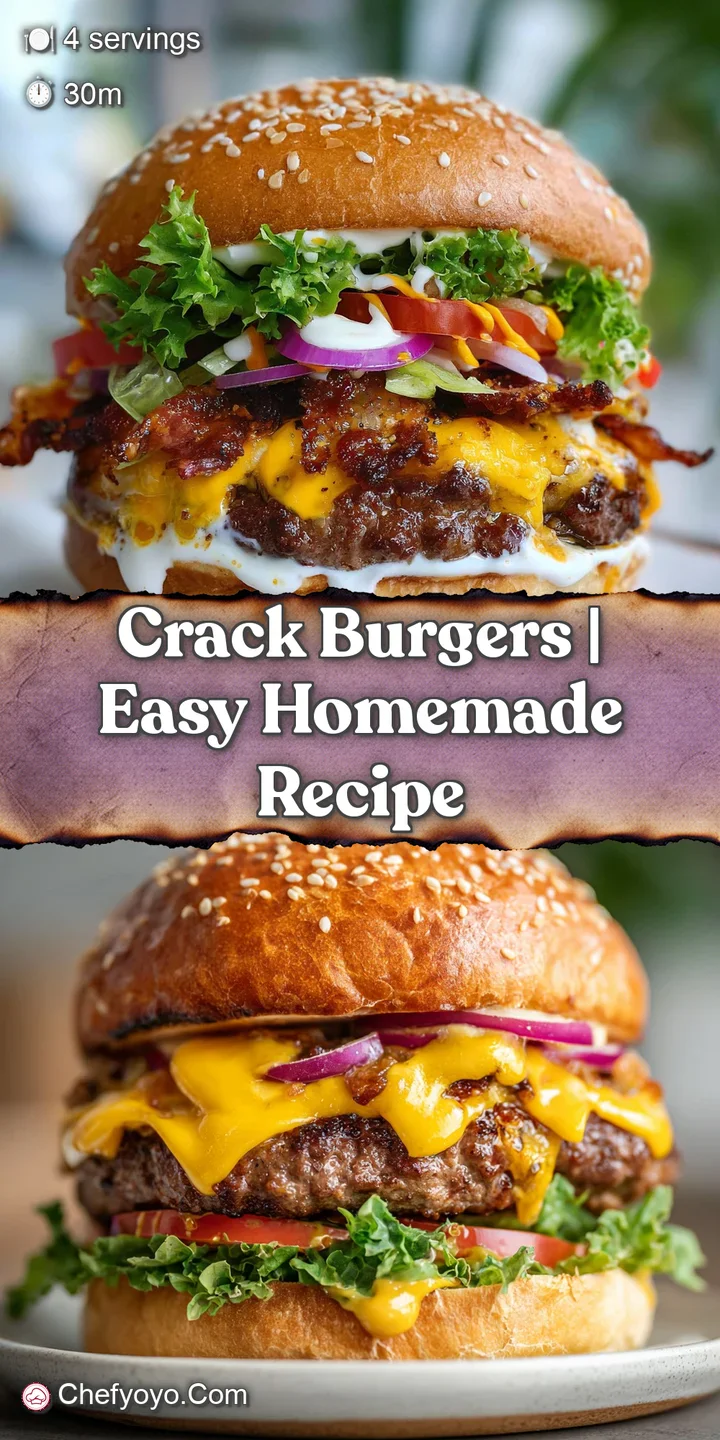
Presentation is everything when you have a burger this bold. Use a wooden board for a rustic, street food feel. I love adding a bright pop of color with some pickled red onions or a thick slice of heirloom tomato to contrast the deep browns of the seared beef.
Stack the burger high, and if you really want to show off the interior, cut one in half with a serrated knife. You should see the vibrant flecks of orange cheddar and green herbs from the ranch. It is a visual cue that this isn't just a standard patty it is something special.
Serve it with a side of salty fries and maybe some extra sour cream for dipping.
Critical Level of Sodium
1438 mg mg of sodium per serving (63% % of daily value)
The American Heart Association recommends limiting sodium intake to no more than 2,300mg per day for most adults. Ideally, aim for 1,500mg per day for even greater heart health benefits.
Tips to Reduce Sodium in this Recipe
-
Reduce Bacon-25%
Bacon contributes significantly to the sodium content. Reduce the amount of bacon by half or consider using a low-sodium bacon alternative. This can significantly decrease the overall sodium.
-
Lower Sodium Cheese-15%
Sharp cheddar is high in sodium. Replace it with a lower sodium cheese option like Swiss or Monterey Jack, or use a smaller amount of the cheddar.
-
Ditch the Ranch-15%
Ranch seasoning is a major sodium contributor. Make your own ranch style seasoning blend with low-sodium ingredients or reduce the amount you use and supplement with herbs.
-
Choose Low-Sodium Buns-10%
Brioche buns can contain a surprising amount of sodium. Seek out low-sodium bun alternatives, or consider making your own to control the sodium content.
-
Leaner Ground Beef-5%
While not a huge sodium source, using 90/10 ground beef instead of 80/20 will slightly reduce the need for added salt, resulting in a minor decrease.
-
Spice it Up!
Enhance the flavor with fresh or dried herbs and spices like garlic powder, onion powder, smoked paprika, or chili powder to reduce the need for salt. Experiment with different combinations to find your favorite.
Recipe FAQs
Why are they called crack burgers?
They are incredibly addictive. The name comes from how quickly people become hooked on the unique, bold flavor profile, often described as irresistible.
What's the secret ingredient for crack burgers?
A combination of dairy and ranch seasoning. The cream cheese and sour cream create an incredibly moist and tender texture, while the dry ranch mix provides the signature tangy, savory flavor that makes them so craveable.
What is the 5 6 7 rule for burgers?
This rule is not applicable to crack burgers. The 5-6-7 rule typically refers to cooking times for a standard burger (5 minutes per side for medium rare, 6 for medium, 7 for well done), but crack burgers require a more precise temperature and texture check due to their unique ingredients.
How to keep crack burgers from falling apart?
Chill the shaped patties for at least 15 minutes. This step is crucial as it allows the fats and binders (cream cheese and sour cream) to firm up, helping the patties maintain their structure during cooking. Avoid overworking the meat mixture during preparation.
Can I substitute the ground beef?
Yes, but with adjustments. If substituting ground turkey, add 1 tablespoon of olive oil to compensate for the lower fat content, which is essential for binding the other ingredients and ensuring juiciness. If you enjoyed mastering the technique of incorporating fats for moisture, see how it applies to our Breakfast BLT Egg Sandwich Recipe: The Ultimate Boss Sauce Upgrade.
Is it true that overmixing the beef makes burgers tough?
Yes, this is a common misconception for standard burgers, but less so here. While overmixing beef for traditional burgers can break down proteins and create a dense texture, the dairy in crack burgers acts as a tenderizer.
However, it's still best to mix gently to ensure even distribution of ingredients without compacting the meat too much.
How do I achieve a good crust on crack burgers?
Preheat your skillet over medium high heat for at least 3 minutes until a drop of water dances and evaporates instantly. This ensures the surface is screaming hot, which is key for the Maillard reaction to create that desirable dark crust on the exterior of the burger.
Crack Burgers Recipe
Ingredients:
Instructions:
Nutrition Facts:
| Calories | 1016 kcal |
|---|---|
| Protein | 53g |
| Fat | 70g |
| Carbs | 41g |
| Fiber | 1g |
| Sugar | 6g |
| Sodium | 1438mg |
