Creamy Herb Chicken with Glazed Mashed
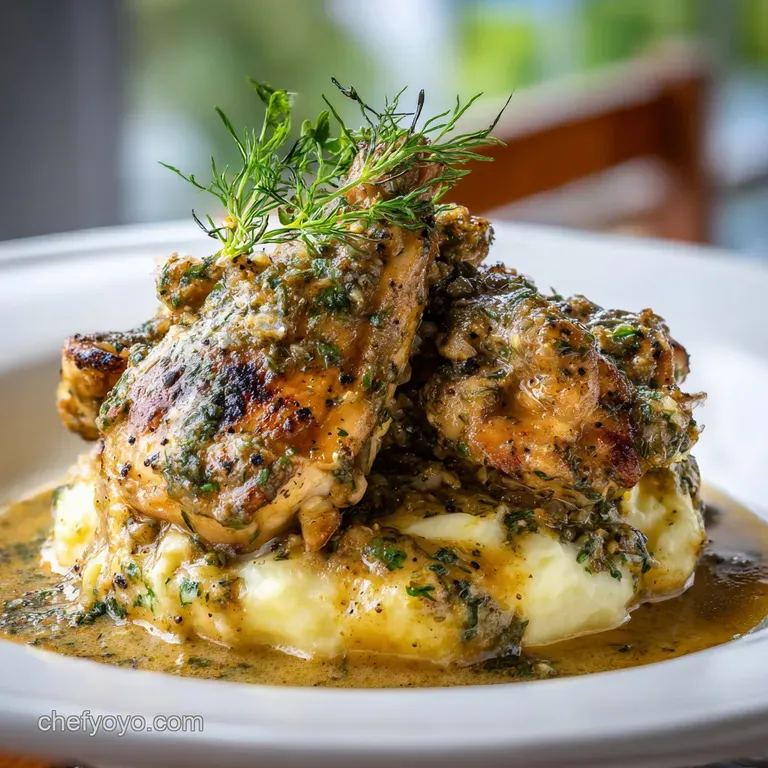
- Time: Active 15 minutes, Passive 20 minutes, Total 35 minutes
- Flavor/Texture Hook: Silky herb cream meets sweet balsamic honey glaze.
- Perfect for: Date nights or a high end Sunday dinner.
- Authentic Creamy Herb Chicken with Glazed Mashed
- Why This Flavor Marriage Works
- Key Specs for Meal Planning
- Essential Elements for Your Plate
- Tools for a Smooth Service
- Step-by-Step Culinary Orchestration
- Common Hurdles and Quick Solutions
- Creative Twists on the Classic
- Proper Storage and Waste Reduction
- Plating and Enjoyment Strategy
- Myths About Creamy Chicken
- Recipe FAQs
- 📝 Recipe Card
Authentic Creamy Herb Chicken with Glazed Mashed
The second the chicken thighs hit the hot olive oil, that distinctive, sharp sizzle tells you everything you need to know. It’s the sound of a golden brown crust forming, a texture that will eventually play so well against the velvety herb sauce.
I remember the first time I tried this combination; I was trying to recreate a dish from a tiny French bistro I visited years ago, but I kept ending up with soggy skin and bland potatoes. Indulge in this Creamy Herb Chicken with Glazed Mashed Potatoes recipe for a comforting and flavorful meal.
The real magic happens when you deglaze the pan with white wine. The steam rises in a fragrant cloud, carrying notes of garlic and dried Italian herbs that fill the entire house. It’s not just about the smell, though it’s about those tiny brown bits stuck to the bottom of the pan, the fond, which hold all the concentrated flavor.
We’re going to turn those bits into a sauce that’s so rich you’ll want to eat it with a spoon.
But what really sets this version apart is the glaze on the potatoes. Most people just stop at butter and milk, but we’re adding honey and balsamic glaze. It sounds unconventional, but it creates this subtle sweetness that cuts right through the richness of the heavy cream.
It’s a contemporary twist on a classic that makes the whole plate feel intentional and creative. You're going to love how the smoky paprika adds a hint of mystery to the finish.
Why This Flavor Marriage Works
- Maillard Reaction: Searing the chicken at high heat creates complex flavor molecules that provide a savory base for the cream sauce.
- Acidic Balancing: The white wine and balsamic glaze provide necessary acidity to "cut" through the heavy fats in the cream and butter.
- Amylopectin Management: Using Yukon Gold potatoes ensures a naturally buttery texture due to their medium starch content, preventing the graininess found in starchier varieties.
- Lipid Emulsification: Warmed milk and butter combine with the potato starches to create a stable, silky mash that doesn't weep or separate.
The Science of the Glazed Finish
The honey and balsamic glaze undergo a mild caramelization when folded into the warm potatoes. This creates a "glaze" effect where the sugars coat the starch granules, adding a glossy sheen and a complex sweet tart profile that bridges the gap between the savory chicken and the rich cream.
| Thickness | Internal Temp | Rest Time | Visual Cue |
|---|---|---|---|
| 0.75 inch | 165°F | 5 mins | Juices run clear when pierced |
| 1 inch | 165°F | 5 mins | Meat feels firm to the touch |
| 1.25 inch | 165°F | 7 mins | Golden brown crust is uniform |
The resting period is non negotiable here. When you let the chicken sit for five minutes after cooking, the muscle fibers relax and reabsorb the juices. If you cut into it too soon, all that moisture ends up on the cutting board instead of in your mouth, which is a tragedy we want to avoid.
Key Specs for Meal Planning
Before we get the pans hot, let's look at the component roles. This isn't just a list of things to buy; it's a map of how the textures will interact. Much like the technique used in our Classic Chicken Marsala Recipe, we are building layers of flavor that rely on high-quality fats and proper reduction times.
| Component | Science Role | Pro Secret |
|---|---|---|
| Heavy Cream | Fat based emulsifier | Don't let it boil hard or it may break; simmer gently. |
| Yukon Gold Potatoes | Starch structure | Steam them dry for 2 minutes after boiling for fluffier mash. |
| White Wine | Deglazing agent | Use a dry wine like Sauvignon Blanc to avoid unwanted sweetness. |
| Balsamic Glaze | Flavor bridge | Adds "umami" and acidity to the sweet honey notes. |
The choice of Yukon Gold potatoes is very specific. While Russets are great for frying, they can sometimes become too mealy in a dish this rich. Yukons have a natural creaminess that feels more contemporary and upscale.
They hold their shape better during the cubing process and absorb the warmed milk without turning into a gluey mess.
Essential Elements for Your Plate
Right then, let's talk about the shopping list. You want the freshest garlic you can find if it has that little green sprout in the middle, toss it, as it will make your sauce bitter.
For the chicken, I always go for boneless, skinless thighs because they stay juicy even if you accidentally overcook them by a minute or two.
- 1.5 lbs boneless, skinless chicken thighs: Why this? Higher fat content than breasts ensures they stay moist during the over high heat sear.
- 1 tbsp extra virgin olive oil: For that initial sear and flavor base.
- 2 tsp dried Italian seasoning: A pre blended mix provides consistent herbal notes.
- 3 cloves garlic, minced: Freshly minced is vital for the aromatic base.
- 0.5 cup dry white wine: To lift the fond and add a bright top note.
- 0.75 cup heavy cream: The foundation of our silky sauce.
- 2 lbs Yukon Gold potatoes, peeled and cubed: The gold standard for creamy mash.
- 4 tbsp unsalted butter: Controls the salt level while adding rich mouthfeel.
- 0.25 cup whole milk, warmed: Why this? Warmed milk prevents the potatoes from cooling down and becoming gummy.
- 2 tbsp honey: For the signature glaze sweetness.
- 1 tbsp balsamic glaze: Adds depth and a touch of vinegar bite.
- 0.5 tsp smoked paprika: For a subtle, woody undertone.
- 0.5 tsp salt: Essential for drawing out all the other flavors.
- 0.5 tsp cracked black pepper: Provides a sharp, floral heat.
| Fresh Ingredients | Shortcut Substitute | Why It Works |
|---|---|---|
| Fresh Minced Garlic | Garlic Paste (tube) | Consistent flavor, though slightly less pungent than fresh. |
| Dry White Wine | Chicken Broth + Lemon | Provides the liquid and acidity without the alcohol. |
| Balsamic Glaze | Balsamic Vinegar + Sugar | Simmer together to reduce into a homemade glaze. |
Using fresh ingredients is always the goal, but if you're in a pinch, the shortcuts work surprisingly well. Just remember that if you use broth instead of wine, you'll want a big squeeze of lemon juice to replace that missing acidity. Otherwise, the cream sauce can feel a bit "heavy" on the palate.
Tools for a Smooth Service
You don't need a professional kitchen, but a few specific tools make this much easier. A heavy bottomed skillet, preferably cast iron or stainless steel, is non negotiable for the chicken. Non stick pans won't give you that beautiful brown fond we need for the sauce.
For the potatoes, a potato ricer is my secret weapon. If you don't have one, a sturdy masher works, but a ricer ensures there are absolutely zero lumps, giving you that velvety texture we're after.
Also, have a small saucepan ready to warm your milk and butter together cold dairy is the enemy of fluffy mashed potatoes.
Chef's Tip: Freeze your butter for 10 minutes before adding it to the potatoes, then grate it in using a box grater. This allows the butter to melt instantly and evenly into the hot starch without over mixing the potatoes.
step-by-step Culinary Orchestration
1. The Foundation (Potatoes)
Place the 2 lbs of peeled and cubed Yukon Gold potatoes into a large pot of salted water. Bring to a boil and cook for about 15 minutes until a fork slides in with zero resistance. Note: Overcooking them slightly is better than undercooking for a smooth mash.
2. The Sear (Chicken)
While the potatoes boil, pat the 1.5 lbs of chicken thighs completely dry with paper towels. Season both sides with salt, pepper, and the dried Italian seasoning. Heat 1 tbsp of olive oil in your skillet over medium high heat.
Add the chicken and cook for 5-7 minutes per side until deep golden brown and crispy.
3. The Sauce Infusion
Remove the chicken from the pan and set it aside to rest. Turn the heat down to medium and add the 3 cloves of minced garlic. Sauté for about 30 seconds until the kitchen smells like a garlic heaven.
Pour in the 0.5 cup of white wine, scraping the bottom of the pan to loosen all those brown bits.
4. The Creamy Reduction
Once the wine has reduced by half, pour in the 0.75 cup of heavy cream. Let it simmer for 3-4 minutes until it coats the back of a spoon. Add the chicken back into the pan for 1 minute to warm through and soak up that herb infused goodness.
5. Finishing the Mash
Drain the potatoes and return them to the warm pot for 1 minute to steam off any excess moisture. This is crucial for texture. Pass them through a ricer or mash them thoroughly.
6. The Glazed Finish
Fold in the 4 tbsp of butter and the 0.25 cup of warmed milk. Once smooth, swirl in the 2 tbsp of honey, 1 tbsp of balsamic glaze, and the 0.5 tsp of smoked paprika. The potatoes should look glossy and slightly tinted from the glaze.
7. The Final Assembly
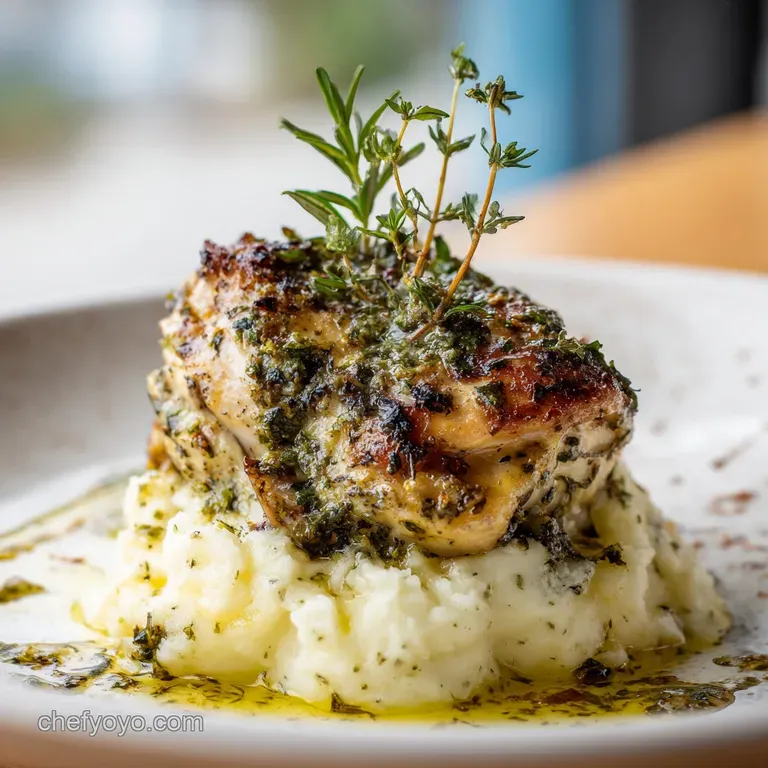
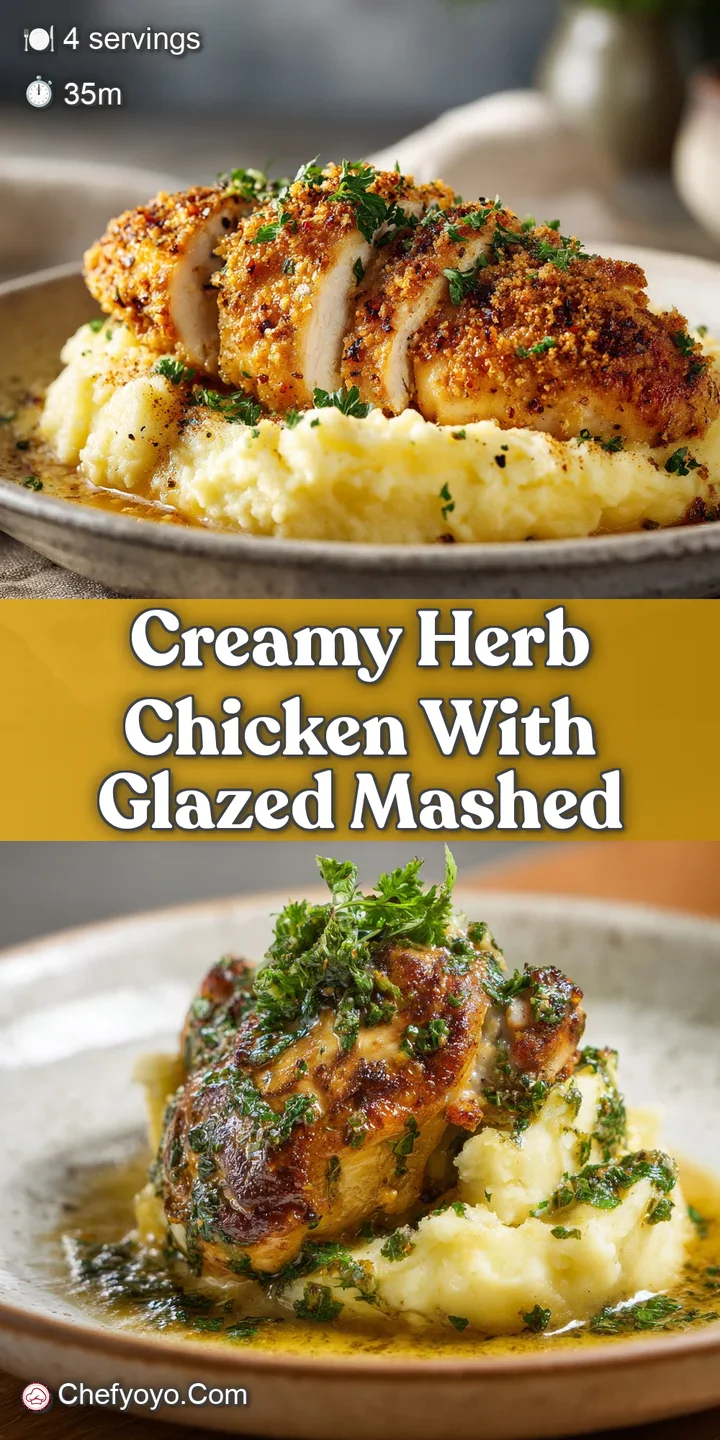
Plate a generous scoop of the glazed mashed potatoes and top with a chicken thigh. Spoon a healthy amount of the herb cream sauce over the top, ensuring it cascades down the sides of the potatoes.
8. Precision Checkpoint
Check the internal temperature of the chicken; it should hit exactly 165°F (74°C). If it's a few degrees under, the carryover heat while resting will finish the job.
Common Hurdles and Quick Solutions
One mistake I once made was adding the milk straight from the fridge into the hot potatoes. It chilled the starch immediately and turned the whole batch into something resembling school paste. Honestly, don't even bother if you can't warm the milk it makes that much of a difference.
Another common issue is the sauce breaking. If you see the oil separating from the cream, it usually means the heat was too high or you added the cream to a pan that was screaming hot. We want a gentle simmer, not a rolling boil.
3 Signs of Overworked Potatoes
- The texture becomes stretchy or elastic like bread dough.
- The surface looks shiny in a "plastic" way rather than a "buttery" way.
- The mash feels heavy and dense on the tongue instead of light and airy.
| Problem | Root Cause | Solution |
|---|---|---|
| Gummy Potatoes | Over mashing or cold dairy | Use a ricer and always warm your milk/butter first. |
| Broken Sauce | Heat too high | Remove from heat and whisk in a splash of cold cream. |
| Bland Chicken | Not enough sear | Ensure the pan is shimmering hot before adding meat. |
Common Mistakes Checklist
- ✓ Pat the chicken completely dry before seasoning to ensure a hard sear rather than steaming.
- ✓ Don't overcrowd the pan; if your skillet is small, cook the chicken in two batches.
- ✓ Warm the milk and butter together before adding them to the potatoes.
- ✓ Let the wine reduce sufficiently; if too much liquid remains, the sauce will be watery.
- ✓ Always rest the chicken for at least 5 minutes to keep the juices inside the meat.
Creative Twists on the Classic
If you're feeling like a change, this recipe is incredibly flexible. For another comforting twist, you might look at how we handle poultry in our Chicken and Noodles Recipe, which focuses more on a velvety, thick gravy.
1. The Mediterranean Shift
Instead of Italian seasoning, use dried oregano and lemon zest. Swap the balsamic glaze for a squeeze of fresh lemon and a handful of capers in the sauce. This version feels lighter and works beautifully in the summer months.
2. dairy-free Adaptation
You can use full fat coconut milk in place of the heavy cream. It will add a subtle nutty note, but it still provides that necessary richness. For the potatoes, use a high-quality olive oil instead of butter and unsweetened almond milk.
3. The Spicy Garlic Twist
Add 1 tsp of red pepper flakes when you sauté the garlic. This gives the cream sauce a "back of the throat" heat that pairs amazingly well with the sweet honey glaze on the potatoes. If you go this route, increase the smoked paprika to 1 tsp for a deeper color.
Proper Storage and Waste Reduction
This dish stores surprisingly well, though the potatoes may need a little help when reheating. Keep everything in an airtight container in the fridge for up to 3 days. When you're ready for leftovers, I recommend reheating the potatoes separately with an extra splash of milk to bring back that silky texture.
For the chicken, a low and slow reheat in the oven or a covered skillet is better than the microwave, which can make the meat rubbery. If you have leftover sauce, don't you dare throw it out! It’s basically liquid gold.
Use it the next morning over some poached eggs or toss it with some simple pasta for a quick lunch.
Zero Waste Tip: Don't toss those potato peels! Toss them with a little olive oil, salt, and pepper, then roast them at 400°F (200°C) for 15 minutes.
They turn into crispy potato skins that are the perfect snack while you're waiting for the main course to finish.
Plating and Enjoyment Strategy
When it comes to serving, I like to use wide, shallow bowls rather than flat plates. This keeps the herb cream sauce pooled around the potatoes so every forkful gets a bit of everything. The contrast between the golden chicken skin and the dark balsamic swirls in the mash is a total visual treat.
If you want to go the extra mile, a quick garnish of fresh parsley or chives adds a pop of green that makes the whole dish look contemporary. This is a "comfort first" meal, so don't feel like you need to be too fussy with the presentation the aromas alone will have everyone at the table ready to dive in.
If you find yourself with extra chicken and want to try a different sauce profile entirely, check out our How to Make recipe for a version that uses a more vegetable forward approach. It's a great way to use the same protein in a completely different way.
Myths About Creamy Chicken
- Searing seals in juices: This is a classic kitchen myth. Searing is actually for flavor (the Maillard reaction) and texture. The "sealing" doesn't actually happen, but the flavor boost is so significant we do it anyway.
- Boiling potatoes in cold water is unnecessary: Starting potatoes in cold water is actually vital. It ensures the outside and inside cook at the same rate. If you drop them into boiling water, the outside turns to mush before the center is even warm.
- Cream curdles if you boil it: High fat heavy cream is actually quite stable at high temperatures. While you don't want to boil it violently for long periods (it might break), a gentle simmer is perfectly safe and necessary for reduction.
Recipe FAQs
Can I substitute chicken breasts for the thighs in this recipe?
No, it is not recommended for optimal results. Chicken breasts are leaner and will dry out much faster during the initial high heat sear, leading to a tougher texture.
How to ensure the mashed potatoes are silky and not gluey?
Pass the cooked potatoes through a ricer or food mill immediately. Avoid over mixing once the butter and milk are added; overworking the starch is what develops that undesirable gluey texture.
What is the purpose of deglazing the pan with white wine?
Deglazing dissolves the fond, or browned bits, from the bottom of the skillet. These bits hold intense, concentrated flavor that becomes the foundation of your herb cream sauce.
Is it true that adding cold dairy to hot potatoes will ruin the mash?
Yes, this is a common misconception that is rooted in chemistry. Adding cold milk or butter shocks the hot potato starches, causing them to seize up and become dense rather than creamy; warm your dairy first.
How to prevent the heavy cream sauce from separating or breaking?
Simmer the cream gently over medium low heat after the wine has reduced. If you notice separation, immediately remove the pan from the heat and whisk in a teaspoon of cold cream or broth to stabilize the emulsion.
What is the best way to reheat the leftovers?
Reheat the chicken and sauce gently on the stovetop over low heat. For the potatoes, stir in an extra splash of milk or cream while reheating them separately to restore their original smooth texture.
How do the honey and balsamic glaze affect the savory chicken?
The glaze provides necessary acidity and sweetness to cut through the richness of the cream and butter. This flavor balancing act elevates the dish beyond simple cream sauce comfort food; if you enjoy controlling sweet and acid in dishes, master this technique using our The Proper Classic recipe.
Creamy Herb Chicken Glazed
Ingredients:
Instructions:
Nutrition Facts:
| Calories | 885 kcal |
|---|---|
| Protein | 39.8 g |
| Fat | 54.5 g |
| Carbs | 51.3 g |
| Fiber | 4.8 g |
| Sugar | 11.6 g |
| Sodium | 582 mg |
