Rasta Pasta: Creamy Jerk Chicken Pasta
- Time:10 minutes prep + 20 minutes cook = 30 minutes total
- Flavor/Texture Hook: Spicy, velvety, and vibrant
- Perfect for: High energy weeknight dinners or meal prep
- Making Your Rasta Pasta Recipe
- Why This Recipe Works
- Quick Comparison Guide
- Component Analysis Deep Dive
- Essential Pantry Staples
- Essential Kitchen Tools
- Step By Step Method
- Fix Common Mistakes
- Bold Flavor Variations
- Scaling the Recipe
- Storing Your Leftovers
- Perfect Serving Ideas
- Recipe FAQs
- 📝 Recipe Card
Making Your Rasta Pasta Recipe
Forget the idea that you need a dozen loose spices and three hours of simmering to get a real Caribbean vibe on your plate. I used to think the depth of flavor in this dish came from some secret, all day reduction, but honestly, that’s just a myth that keeps people from cooking bold food on a Tuesday.
The magic isn't in the time; it’s in the layers of heat and how you handle that jerk seasoning paste.
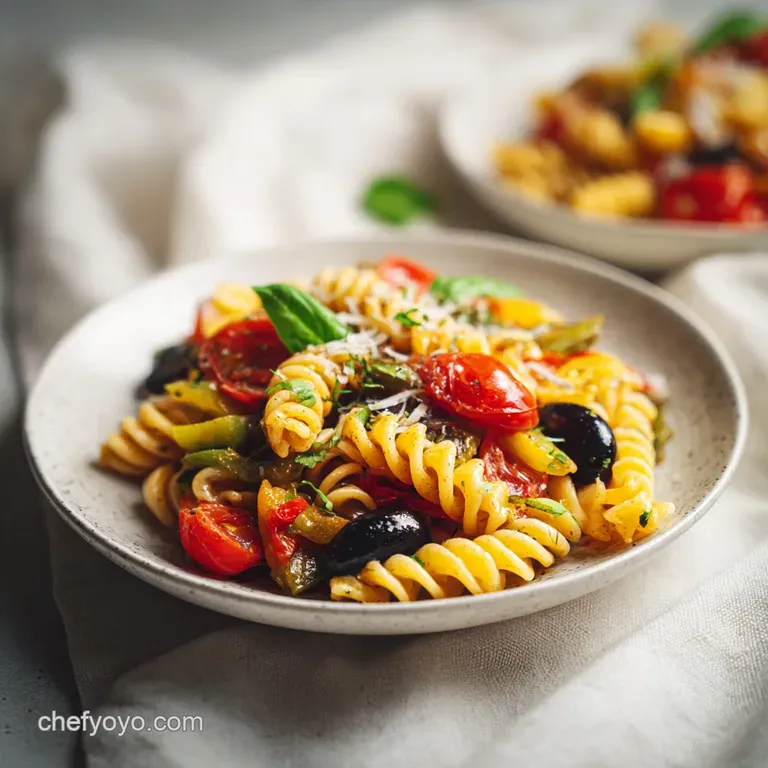
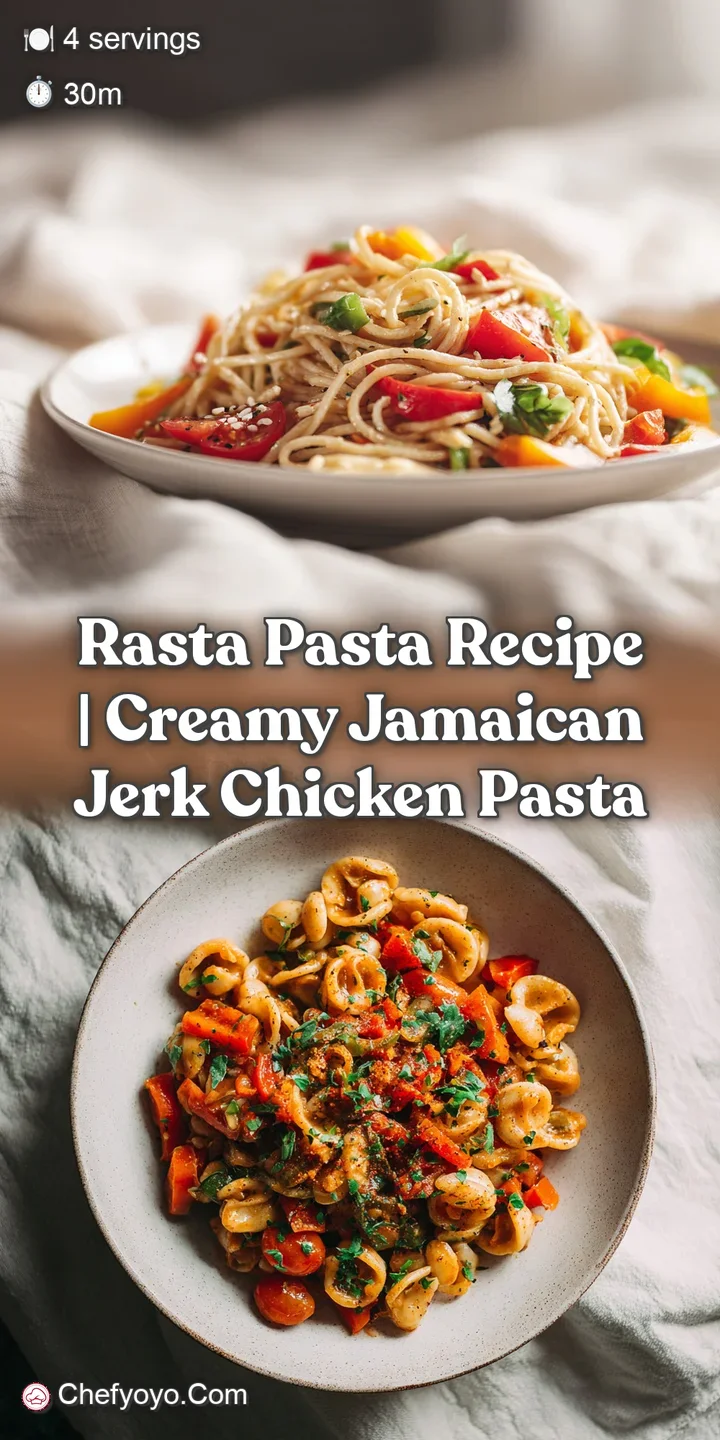
The first time I saw this dish, the colors practically jumped off the plate. Red, yellow, and green peppers dancing in a cream sauce that looked way too rich to be so spicy. I was worried the cream would drown out the jerk heat, or worse, the jerk would make the cream curdle into a mess.
But when that first forkful hit, I realized they don't fight each other. They’re best friends. The cream rounds out the sharp edges of the Scotch bonnet peppers in the jerk paste, leaving you with a warm, glowing heat rather than a stinging bite.
We are going for a texture that I call "the velvet cling." You want every single tube of penne to be draped in a sauce that’s thick enough to hold onto the ridges but silky enough to slip across your tongue. We achieve this by being smart with our pasta water and not being afraid of a little fat.
If you've been looking for a way to break out of your pasta and red sauce rut, this is the one. It’s loud, it’s colorful, and it’s going to change how you look at your spice drawer forever.
Why This Recipe Works
When we talk about what makes this specific dish sing, it comes down to some really cool interactions between fats and acids. It isn't just about throwing ingredients in a pan; it's about how those ingredients transform under heat to create that signature Caribbean profile.
- Fat Solubility: The capsaicin in the jerk seasoning is fat soluble, meaning the heavy cream and coconut milk actually carry the heat across your palate more evenly than a water based sauce ever could.
- Starch Emulsification: Using reserved pasta water acts as a bridge, allowing the fat in the cream and the water in the vegetables to bond into a single, cohesive sauce.
- Aromatic Layering: Searing the chicken in the jerk paste first creates a fond those little brown bits on the pan that dissolves back into the sauce, deepening the flavor profile instantly.
- Texture Contrast: Keeping the peppers "tender crisp" ensures a snappy "shatter" in every bite, which prevents the dish from feeling like a heavy, mushy bowl of mush.
By understanding these few points, you can see why we don't just dump everything in at once. We are building a foundation of flavor, layer by layer, starting with the protein and ending with the fresh green garnish.
This method ensures that the allspice and thyme don't get lost in the shuffle but instead stand out against the rich, cheesy backdrop.
| Thickness | Internal Temp | Rest Time | Visual Cue |
|---|---|---|---|
| 1/2 inch strips | 165°F | 3 mins | Opaque and golden brown |
| 1 inch cubes | 165°F | 5 mins | No pink in center |
| Thin shavings | 165°F | 2 mins | Edges are slightly curled |
If you are a fan of these deep, complex flavors but want something with a bit more of a traditional Italian backbone for your next meal, you might find my slow simmered spaghetti sauce to be a great contrast to the quick heat of this pasta.
Quick Comparison Guide
I get asked all the time if there is a "real" way to do this or if the quick version is just a shortcut. The truth is, the classic method usually involves making your jerk marinade from scratch with fresh Scotch bonnets, which is amazing if you have the time and the gloves to handle those peppers.
However, for most of us, the jerk paste version hits 95% of the flavor profile with 10% of the effort.
| Method | Time | Texture | Best For |
|---|---|---|---|
| Stovetop Fast | 30 mins | Silky & Zesty | Busy weeknights |
| Classic Braised | 1 hour 30 mins | Deep & Fork tender | Sunday family dinner |
| Pressure Cooker | 20 mins | Soft & Integrated | Ultra fast prep |
Using the stovetop method is my absolute favorite because it gives you total control over the sauce's thickness. You can watch it reduce in real time and decide exactly when it has reached that perfect velvety consistency.
Component Analysis Deep Dive
Every ingredient in this list has a specific job to do. When we choose our elements, we aren't just looking for fillers; we’re looking for components that contribute to the "Rasta" identity the colors of the flag and the soul of the island.
| Ingredient | Science Role | Pro Secret |
|---|---|---|
| Heavy Cream | Emulsion Base | High fat prevents curdling from the jerk's acidity |
| Jerk Paste | Flavor Catalyst | Searing it in oil "blooms" the dried spices inside |
| Pasta Water | Binding Agent | The starches act like a natural glue for the sauce |
| Bell Peppers | Structural Snap | Use three colors to hit the aesthetic and nutrient range |
The heavy cream provides the body, but the coconut milk is the secret weapon that adds a subtle sweetness to balance the heat. I always recommend using full fat versions for both; this isn't the place to go "light" because the fat is what keeps the sauce from breaking when you add the cheese.
Essential Pantry Staples
To get this right, we need a mix of fresh produce and heavy hitting pantry items. Don't skimp on the jerk seasoning find a brand that you actually like the smell of, because that's the primary flavor driver here.
- 1 lb chicken breast: Thinly sliced. Why this? Slices cook faster and provide more surface area for the jerk seasoning to cling to. (Substitute: Shrimp or tofu)
- 2 tbsp Jamaican jerk seasoning paste: The wet kind, not just the dry rub. Why this? Paste contains vinegar and oils that create a deeper, more complex flavor than dry powder. (Substitute: 1 tbsp jerk dry rub + 1 tbsp oil)
- 1 tbsp neutral oil: Avocado or canola. Why this? You need a high smoke point so the jerk paste doesn't burn during the sear. (Substitute: Grapeseed oil)
- 1 lb penne pasta: The classic shape. Why this? The ridges (rigate) capture the creamy sauce perfectly. (Substitute: Fusilli or rigatoni)
- 1 of each Bell Pepper (Red, Yellow, Green): Thinly sliced. Why this? They provide the "Rasta" colors and a necessary crunch. (Substitute: Any color bell pepper, though you'll lose the theme)
- 3 cloves garlic: Minced fresh. Why this? Fresh garlic provides a sharp punch that jarred stuff lacks. (Substitute: 1 tsp garlic powder added to the cream)
- 3 green onions: Separated whites and greens. Why this? Whites provide onion flavor while cooking; greens provide fresh garnish. (Substitute: Shallots for the whites)
- 1 cup heavy cream: The stabilizer. Why this? The high fat content ensures a smooth, non broken sauce. (Substitute: Extra coconut milk for a dairy-free version)
- 0.5 cup full fat coconut milk: For tropical depth. Why this? It adds a nutty sweetness that traditional dairy lacks. (Substitute: More heavy cream)
- 0.5 cup freshly grated parmesan: Salty umami. Why this? It thickens the sauce and adds a savory finish. (Substitute: Pecorino Romano)
- 1 tsp dried thyme: Earthy notes. Why this? Thyme is a foundational herb in Caribbean cooking. (Substitute: 1 tbsp fresh thyme)
- 0.5 tsp ground allspice: The warm backbone. Why this? This is the "secret" flavor in jerk that most people can't place. (Substitute: Pinch of cloves and cinnamon)
- 0.5 tsp salt & 0.25 tsp black pepper: Base seasoning. Why this? To highlight the other bold ingredients. (Substitute: Sea salt)
If you're out of jerk paste, you can try mixing your own using homemade Italian seasoning as a base and adding plenty of cayenne, allspice, and a splash of lime juice, though the authentic paste is always better.
Essential Kitchen Tools
You don't need a professional kitchen, but a few specific tools make this much easier. A large skillet is non negotiable because we are tossing a pound of pasta and a lot of veggies all at once.
- Large Skillet or Deep Sauté Pan: 12 inches minimum. You need room to move the ingredients without them steaming.
- Large Pot: For boiling the pasta.
- Microplane or Grater: For the fresh parmesan. Pre shredded cheese is coated in starch and won't melt as smoothly.
- Tongs: Essential for tossing the pasta and chicken together.
- Chef's Knife: For getting those peppers into perfect, uniform slices.
Chef's Tip: Freeze your parmesan for 10 minutes before grating. It makes the cheese firmer and prevents it from clumping or melting from the heat of your hands, giving you a much finer "snow" that melts instantly into the sauce.
step-by-step Method
This process is fast, so have all your peppers sliced and your chicken prepped before you turn on the stove. Once the heat starts, the whole thing moves like a whirlwind.
1. Al Dente Pasta Prep
Boil a large pot of salted water and cook the 1 lb penne pasta for 1-2 minutes less than the package instructions. Note: This ensures the pasta finishes cooking in the sauce without getting mushy. Reserve 1/2 cup of starchy pasta water before draining the pot.
2. Searing The Protein
Toss the 1 lb sliced chicken breast in the 2 tbsp jerk seasoning paste until every piece is coated. Heat 1 tbsp oil in a large skillet over medium high heat. Add the chicken in a single layer and sear until golden brown and cooked through, usually about 5-6 minutes.
Remove the chicken from the pan and set aside to rest.
3. Sautéing The Trinity
In the same skillet (don't wash out those flavorful chicken bits!), add the sliced red, yellow, and green bell peppers, the 3 cloves of minced garlic, and the white parts of the 3 green onions.
Sauté for 3-4 minutes until the peppers are tender crisp and the garlic smells fragrant.
4. Building The Sauce
Pour in the 1 cup heavy cream and 0.5 cup coconut milk. Stir in the 1 tsp dried thyme and 0.5 tsp allspice. Bring the mixture to a gentle simmer for 2-3 minutes until the sauce begins to thicken and bubble slightly.
5. The Final Fusion
Whisk in the 0.5 cup grated parmesan cheese and the reserved 1/2 cup pasta water. Stir constantly until the sauce is smooth, glossy, and emulsified. Return the cooked chicken and the drained penne to the skillet. Toss thoroughly until every noodle is draped in the velvet sauce.
6. Finishing Touches
Season with 0.5 tsp salt and 0.25 tsp black pepper to taste. Garnish with the green tops of the onions and serve immediately while the sauce is hot and fluid.
Fix Common Mistakes
Even the best cooks run into trouble sometimes, especially with cream based sauces. The most common issue is the sauce "breaking," which is when the fat separates and leaves you with an oily mess.
Why Your Sauce Broke
A broken sauce usually happens because the heat was too high after the cheese was added, or the cream wasn't high fat enough. If you see oil pooling at the top, don't panic. You can often save it by adding a splash of that reserved pasta water and whisking vigorously over low heat.
| Problem | Root Cause | Solution |
|---|---|---|
| Oily Sauce | Heat too high or no starch | Whisk in 1 tbsp hot pasta water |
| Bland Pasta | Not enough salt in water | Add a pinch of jerk seasoning at the end |
| Soggy Peppers | Cooked too long | Add peppers later or use higher heat |
Common Mistakes Checklist
- ✓ Pat the chicken dry before adding the jerk paste to ensure a better sear.
- ✓ Never skip the pasta water; it is the "glue" that keeps the sauce from being runny.
- ✓ Use a heavy bottomed skillet to prevent the cream from scorching on the bottom.
- ✓ Grate your own cheese; the cellulose in bagged cheese prevents a smooth melt.
- ✓ Don't overcook the pasta in the water; it needs that "bite" to hold up in the sauce.
Bold Flavor Variations
This recipe is a fantastic canvas for different proteins and dietary needs. Since the base is so flavorful, you can swap things around without losing the soul of the dish.
For a Vegetarian Rasta Pasta
You can easily make this vegetarian by swapping the chicken for thick slices of portobello mushrooms or even chunks of roasted sweet potato. If you use mushrooms, sear them just like the chicken to get that meaty texture.
Some people also love adding firm tofu cubes that have been pressed and tossed in the jerk seasoning.
The Shrimp Swap
Shrimp is a very popular variation. To do this, use 1 lb of large, peeled and deveined shrimp. Sear them for only 1-2 minutes per side until they turn pink and opaque. Be careful not to overcook them, as they will spend another minute in the hot sauce at the end.
Shrimp adds a sweetness that pairs beautifully with the coconut milk.
| Original Ingredient | Substitute | Why It Works |
|---|---|---|
| Chicken Breast (1 lb) | Large Shrimp (1 lb) | Cooks faster and adds natural sweetness. Note: Reduce sear time to 2 mins. |
| Heavy Cream (1 cup) | Cashew Cream (1 cup) | Provides similar thickness for a vegan version. Note: Adds a slight nutty flavor. |
| Penne (1 lb) | Zucchini Noodles (2 lbs) | Lowers carb count significantly. Note: Don't boil; toss in hot sauce for 1 min only. |
If you find the dish is too spicy for some guests, you can "cool it down" by increasing the amount of coconut milk and decreasing the jerk paste by half. The sugar in the coconut milk acts as a natural buffer for the pepper heat.
Scaling the Recipe
If you are cooking for a crowd or just for yourself, scaling this recipe requires a little bit of math to keep the flavors balanced.
- To Scale Down (1/2 batch): Use a smaller skillet (10 inch). Reduce the cook times by about 20% as the smaller volume will heat up much faster. You can use a whole small egg to coat the chicken if you are using it as a binder, or just stick to the paste.
- To Scale Up (2x batch): Work in batches! Don't try to sear 2 lbs of chicken in one pan or it will steam instead of browning. For the spices, only increase the salt and allspice to 1.5x the original amount, then taste and adjust. Doubling the spices right away can often lead to an overwhelming or overly salty dish.
- Baking Note: If you decide to double this and put it in a casserole dish to keep warm, lower your oven to 200°F and cover it tightly with foil to prevent the sauce from drying out.
Storing Your Leftovers
Cream sauces can be finicky in the fridge, but if you store them correctly, Rasta Pasta makes an incredible lunch the next day. The flavors actually have more time to meld, often making the leftovers even tastier.
- Storage: Place leftovers in an airtight container and keep in the fridge for up to 3 days. I don't recommend freezing this dish, as the cream and coconut milk will likely separate and become grainy when thawed.
- Zero Waste Tip: Don't throw away those green onion roots! You can place them in a small jar of water on your windowsill, and they will grow back in about a week, giving you a constant supply of fresh garnish.
- Reheating: This is the most important part. Do NOT microwave on high. The high heat will break the emulsion and leave you with a bowl of oil. Instead, reheat in a skillet over low heat with a splash of milk or water to loosen the sauce back up.
Perfect Serving Ideas
This pasta is a complete meal on its own, but the right presentation makes it feel like a restaurant experience. I love serving this in wide, shallow bowls to show off the vibrant colors of the peppers.
Since the dish is quite rich and spicy, I usually skip the heavy garlic bread and go for something fresh. A simple side of sliced mango or a light cucumber salad with a lime vinaigrette provides a refreshing contrast to the creamy heat.
If you want to lean into the Caribbean theme, serving this with a cold ginger beer or a hibiscus tea (sorrel) is the way to go.
The final garnish is where you can get creative. Beyond the green onions, a squeeze of fresh lime juice right before eating can brighten up the heavy cream and make the jerk spices pop.
It’s that final hit of acid that takes the dish from "good" to "I need the recipe right now." Trust me, once you bring this to the table, there won't be a single noodle left. Enjoy the bold, vibrant heat!
Recipe FAQs
What ingredients do I need for Rasta pasta?
You need a foundation of penne, chicken breast, and jerk seasoning paste. The dish relies on heavy cream, full fat coconut milk, and freshly grated parmesan, accented by red, yellow, and green bell peppers, garlic, green onions, dried thyme, allspice, salt, and pepper.
What is Rasta sauce made of?
The sauce is an emulsified blend of heavy cream, coconut milk, and parmesan cheese. By whisking in starchy pasta water during the final step, you create a velvety texture that coats the noodles perfectly.
What cheese is best for Rasta pasta?
Use only freshly grated parmesan cheese. Avoid bagged, pre-shredded varieties because the anti caking agents they contain prevent a smooth melt, resulting in a grainy rather than silky sauce.
What pasta is good for high cholesterol?
Choose whole grain penne to increase fiber intake. While the sauce remains indulgent, swapping for high fiber pasta can help balance the meal, much like how we incorporate hearty vegetables in our butternut squash pasta to add nutritional density.
How to keep the sauce from becoming runny?
Add the reserved starchy pasta water gradually while whisking the cheese. This water acts as the critical binder that prevents the cream and coconut milk from separating, ensuring the sauce clings to the penne instead of pooling at the bottom of the bowl.
How to ensure the chicken doesn't dry out?
Sear the chicken in a single layer over medium high heat until golden, then remove it immediately from the pan. Cooking it separately ensures you don't overcook the meat while waiting for the vegetables to soften and the sauce to thicken.
Is it true I should boil the pasta until very soft?
No, this is a common misconception. You must cook the penne for 1-2 minutes less than the package instructions, as the pasta finishes cooking directly in the hot sauce; this ensures it retains a firm "bite" rather than turning mushy.
Creamy Rasta Pasta Recipe
Ingredients:
Instructions:
Nutrition Facts:
| Calories | 958 kcal |
|---|---|
| Protein | 54g |
| Fat | 41g |
| Carbs | 89g |
| Fiber | 6g |
| Sugar | 8g |
| Sodium | 780mg |
