Creamy Shrimp Fettuccine with Homemade Garlic Alfredo
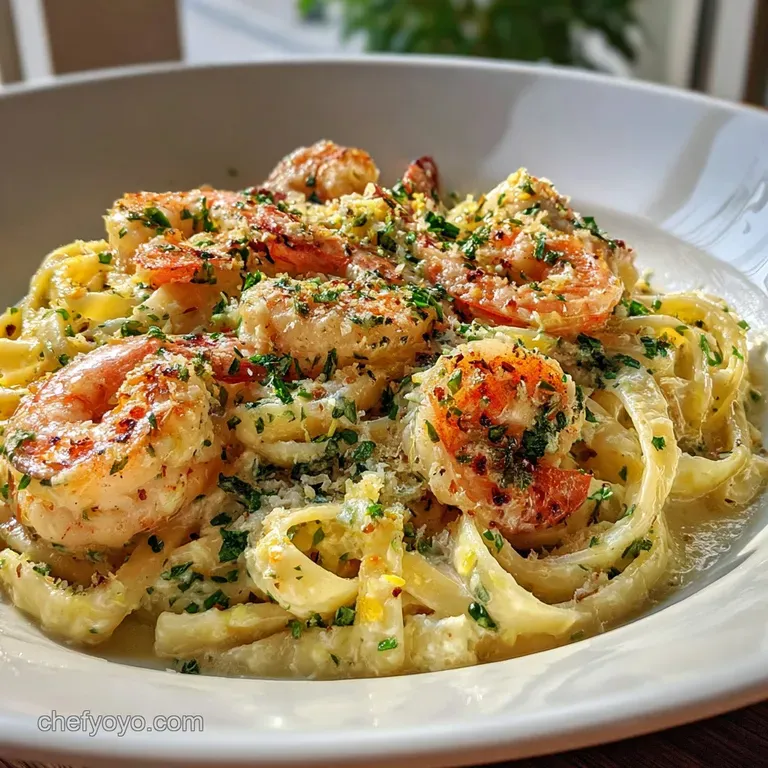
- Time: Active 15 minutes, Passive 15 minutes, Total 30 minutes
- Flavor/Texture Hook: Silky, garlic forward cream sauce with snappy, charred shrimp
- Perfect for: A high end weekend date night or a contemporary family dinner
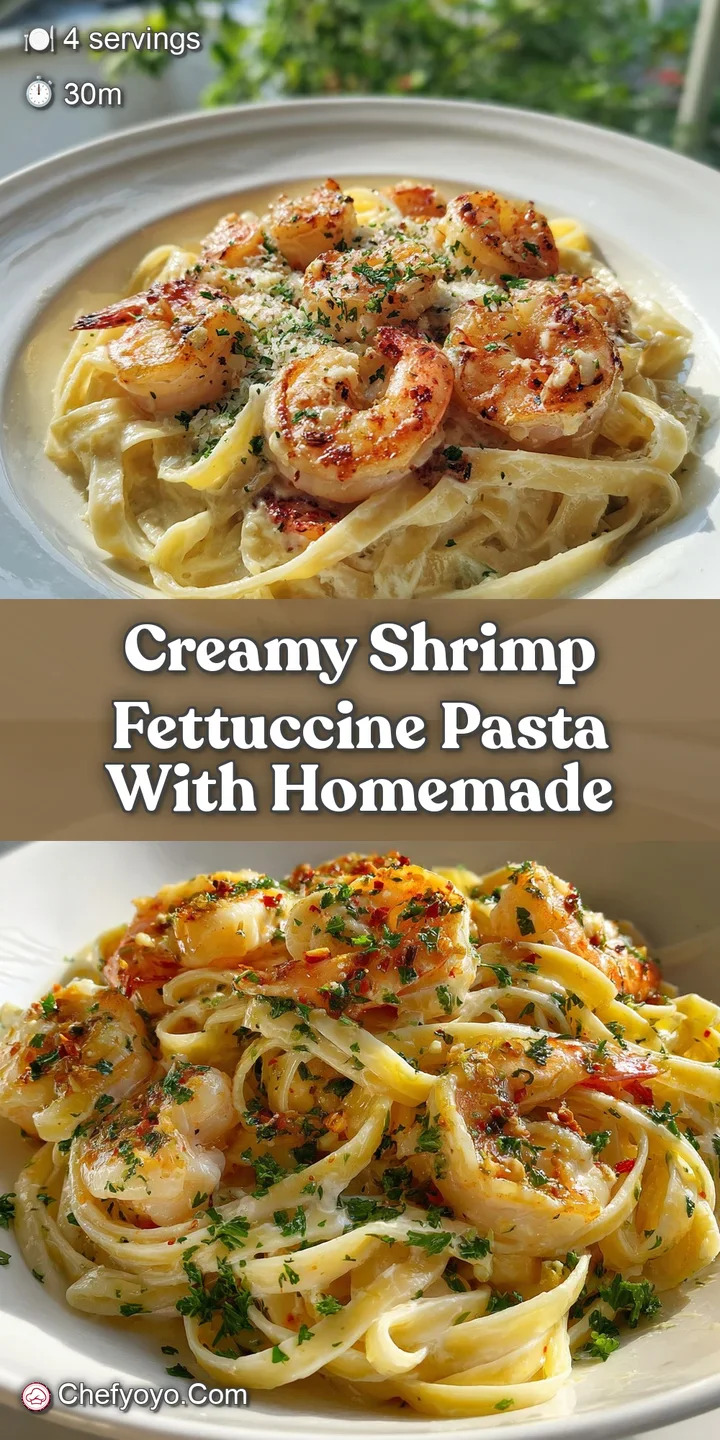
- Creamy Shrimp Fettuccine Pasta with Homemade Alfredo Sauce and Garlic
- The Science Behind Our Creamy Shrimp Fettuccine Pasta with Homemade Alfredo Sauce and Garlic
- Understanding the Precise Time and Temperature for Success
- The Essential Components for Your Silky Pasta Creation
- Choosing the Best Tools for a Contemporary Kitchen
- Step-by-Step Guide to Achieving the Perfect Texture
- Professional Troubleshooting for Common Homemade Sauce Mistakes
- Adapting Your Dish with Flavorful Substitutions and Tweaks
- Effective Storage Solutions to Maintain That Velvety Finish
- Curating the Perfect Side Dishes for Your Meal
- The Truth About Traditional Alfredo
- Recipe FAQs
- 📝 Recipe Card
Creamy Shrimp Fettuccine Pasta with Homemade Alfredo Sauce and Garlic
The sound of 1 lb of large shrimp hitting a hot pan is a specific kind of music - a sharp, rhythmic sizzle that signals something special is happening. I remember the first time I tried to make this for a group of friends back in my early twenties; I was so nervous about the sauce that I actually forgot to salt the pasta water.
It was a tragedy of blandness that I’ve spent years making up for. Indulge in this Creamy Shrimp Fettuccine Pasta with Homemade Alfredo Sauce and Garlic, a recipe that promises a decadent and unforgettable meal.
This isn't just about dumping cream into a pan; it's about the chemistry of the "cling." We've all had that pasta where the sauce pools at the bottom of the bowl, leaving the noodles dry and lonely.
We are going to avoid that entirely by using techniques I picked up while obsessing over contemporary Italian American fusion. It’s about building layers of flavor - from the smoky hit of paprika on the shrimp to the funky, aged depth of the Parmigiano Reggiano.
You can expect a dish that feels sophisticated but takes only 30 minutes of your life. We are skipping the heavy cream cheese shortcuts because, honestly, the authentic texture comes from the marriage of high fat dairy and starchy water.
It’s a bit of a kitchen tightrope walk, but I’m going to hold your hand through the whole process so your sauce stays smooth and your shrimp stay tender.
The Science Behind Our Creamy Shrimp Fettuccine Pasta with Homemade Alfredo Sauce and Garlic
The Physics of the EmulsionStarch Suspension: Reserved pasta water contains amylose, which acts as a bridge between the fats in the butter and the water based liquids, preventing the sauce from splitting.
Protein Denaturation: Searing the shrimp quickly over high heat causes the proteins to coil and firm up just enough to "shatter" when bitten, rather than becoming mushy.
The Maillard Reaction: The combination of 1 tbsp olive oil and 0.5 tsp smoked paprika creates a complex flavor profile on the shrimp's surface through rapid browning.
Fat Saturation: Using heavy cream with at least 36% milkfat ensures the sauce is viscous enough to coat the 12 oz of fettuccine without requiring a flour based roux.
| Shrimp Thickness | Internal Temp | Rest Time | Visual Cue |
|---|---|---|---|
| 0.5 inch | 145°F (63°C) | 2 minutes | Opaque white with pink curls |
| 1 inch | 145°F (63°C) | 3 minutes | Firm to touch, tail turns bright red |
| Jumbos (over 1 inch) | 145°F (63°C) | 3 minutes | Flesh is matte, no longer translucent |
Making sure your protein is timed correctly is the difference between a gourmet meal and a rubbery disaster. I always suggest pulling the shrimp off the heat when they still have a tiny hint of translucency in the very center, as the carryover heat will finish the job while they rest.
Understanding the Precise Time and Temperature for Success
When we talk about "Homemade Alfredo Sauce and Garlic," the garlic isn't just an afterthought. We use 4 cloves of minced garlic, but the trick is when you add them. If you toss them into a screaming hot pan, they’ll turn bitter and brown in seconds. We want them to gently infuse the 4 tbsp of unsalted butter, creating a mellow, sweet foundation. If you love this flavor profile, you might notice similarities to my Go To Recipe for steamed shrimp.
Chef Tip: Grate your Parmigiano Reggiano from a block right before you need it. The pre shredded stuff in the green can or even the plastic tubs is coated in potato starch or cellulose to prevent clumping. That coating is the enemy of a velvety sauce - it will make your Alfredo feel grainy.
| Component | Science Role | Pro Secret |
|---|---|---|
| Starchy Pasta Water | Emulsifier | Never toss it! It’s the "liquid gold" that binds cheese to pasta. |
| Parmigiano Reggiano | Umami & Structure | Use a microplane for a "snow like" texture that melts instantly. |
| Heavy Cream | Viscosity | Don't boil it aggressively; gentle simmering prevents the fat from separating. |
| Fresh Nutmeg | Flavor Bridge | A tiny pinch enhances the nuttiness of the cheese without tasting "spiced." |
The chemistry of this dish relies on the 1.5 cups of freshly grated cheese melting into the warm cream. If the cream is too cold, the cheese clumps; if it’s boiling, the cheese becomes stringy. We are aiming for that "Goldilocks" zone of steaming but not bubbling.
The Essential Components for Your Silky Pasta Creation
To get this right, we need to be specific about our elements. For the 12 oz of fettuccine, I prefer a bronze cut pasta if you can find it. It has a rougher surface that grabs the sauce much better than the shiny, smooth cheap stuff.
- 12 oz fettuccine pasta: The backbone of the dish. Why this? The wide surface area is ideal for carrying heavy, cream based sauces.
- Substitute: Linguine or Tagliatelle (similar shape, slightly different thickness).
- 1 lb large shrimp: Peeled and deveined. Why this? They cook quickly and provide a satisfying, meaty bite.
- Substitute: Scallops (sear for the same amount of time for a different luxury feel).
- 1.5 cups Parmigiano Reggiano: Freshly grated. Why this? Provides the salt and the complex, nutty flavor profile.
- Substitute: Pecorino Romano (yields a saltier, tangier finish).
- 1 cup heavy cream: The heart of the sauce. Why this? High fat content ensures a stable, rich emulsion.
- Substitute: Whole milk mixed with a bit of roux (lighter but less stable).
- 4 cloves garlic: Minced. Why this? Aromatics that define the flavor profile.
- Substitute: 1 tsp garlic powder (not recommended, but works in a pinch).
- 4 tbsp unsalted butter: For the sauce base. Why this? Allows you to control the total salt content of the dish.
- Substitute: Ghee (higher smoke point, very nutty).
If you are looking for a slightly different take on this base, my Silky Alfredo Sauce recipe uses cream cheese for an even thicker, tangier result, though today we are sticking to the classic cream and Parmesan method.
Choosing the Best Tools for a Contemporary Kitchen
You don't need a professional kitchen to pull this off, but a few specific tools will make your life much easier. First, a large pot (at least 6 liters) for the 12 oz of pasta is non negotiable. Pasta needs "room to swim" to prevent clumping.
A wide, deep skillet or a sauté pan is essential for the sauce. You want enough surface area to toss the pasta effectively. I personally use a 12 inch stainless steel pan because it allows me to see the color of the butter and garlic as they cook.
If you use a dark non stick pan, it’s much harder to tell if your garlic is beginning to burn.
Finally, a sturdy pair of tongs. You’ll use these to move the fettuccine from the pot to the skillet. Don't worry about draining the pasta in a colander; moving it directly with tongs allows a little extra starchy water to hitch a ride into the sauce, which is actually a good thing.
step-by-step Guide to Achieving the Perfect Texture
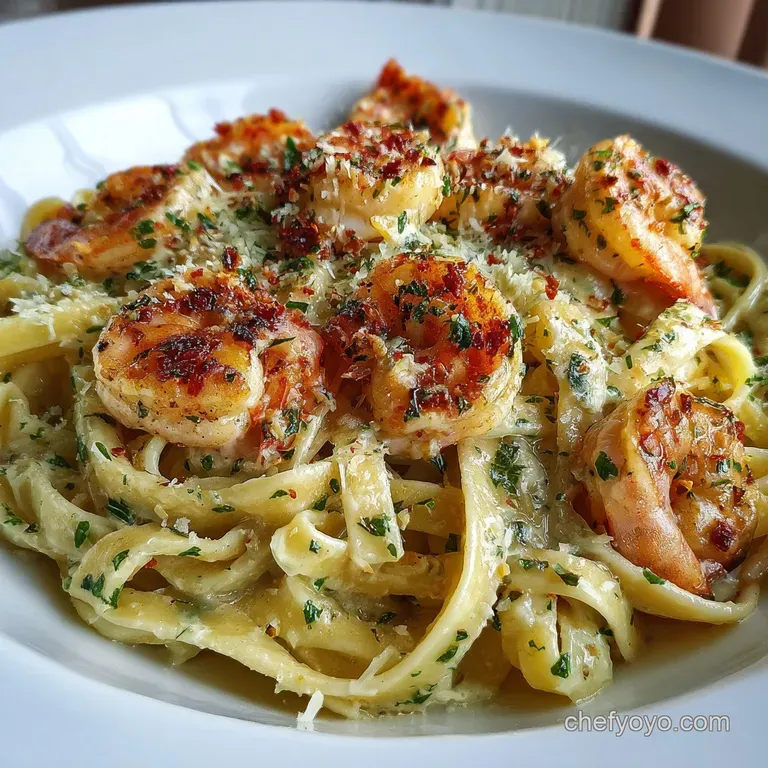
- Boil the water. Fill a large pot with water and add 2 tbsp sea salt. Wait until it's a rolling boil before adding the 12 oz fettuccine.
- Prep the shrimp. Toss 1 lb large shrimp with 0.5 tsp smoked paprika, 0.5 tsp kosher salt, and 0.25 tsp black pepper. Note: This creates a "dry brine" that helps the shrimp stay juicy.
- Sear the protein. Heat 1 tbsp olive oil in your skillet over medium high heat. Add the shrimp and cook for 2 minutes per side until they turn opaque and slightly charred. Remove from the pan and set aside.
- Sauté the aromatics. Lower the heat to medium. Melt 4 tbsp unsalted butter and add 4 cloves of minced garlic. Cook for 1 minute until the garlic is fragrant but not browned.
- Simmer the cream. Pour in 1 cup heavy cream. Bring to a gentle simmer for 2-3 minutes until it begins to thicken slightly.
- Reserve and drain. Before the pasta is fully cooked (about 1 minute before the box instructions say), reserve 1 cup of starchy pasta water. Drain the rest or move the pasta directly.
- Incorporate the cheese. Remove the skillet from the heat. Whisk in 1.5 cups Parmigiano Reggiano and a pinch of fresh nutmeg. Stir until the cheese has completely melted into a smooth liquid.
- The final toss. Add the fettuccine and the seared shrimp back into the skillet.
- Emulsify. Add about 1/4 cup of the reserved pasta water. Toss everything vigorously with tongs until the sauce transforms from watery to a velvety coating. Add more water if it seems too thick.
- Garnish and serve. Sprinkle with 2 tbsp fresh parsley. Serve immediately while the sauce is at its creamiest.
Professional Troubleshooting for Common Homemade Sauce Mistakes
Why Your Alfredo Sauce Is Grainy
This usually happens for one of two reasons: the heat was too high when you added the cheese, or you used pre shredded cheese. When cheese gets too hot too fast, the proteins clump together and separate from the fat. To fix this, always remove the pan from the heat before adding the Parmigiano.
Why Your Shrimp Is Tough
If your shrimp feels like a rubber ball, it’s overcooked. Remember that they will continue to cook slightly once you add them back into the hot pasta and sauce at the end. Pull them off the initial sear the second they turn C shaped and opaque. If they've curled into a tight "O," they've gone too far.
| Problem | Root Cause | Solution |
|---|---|---|
| Sauce is too thick | Too much evaporation or too much cheese | Whisk in 2 tbsp of reserved pasta water at a time. |
| Sauce is thin/watery | Not enough cheese or cream didn't simmer | Simmer for 2 more mins or add 1/4 cup extra cheese. |
| Shrimp are bland | No seasoning during the sear phase | Ensure paprika and salt are applied before hitting the pan. |
Common Mistakes Checklist
- ✓ Don't rinse your pasta - you need that surface starch to help the sauce stick.
- ✓ Ensure the heavy cream is at room temperature before adding to the butter (prevents curdling).
- ✓ Pat the shrimp completely dry with paper towels before seasoning (ensures a better sear).
- ✓ Never skip the nutmeg; it’s the secret ingredient that makes the dairy taste richer.
- ✓ Use a timer for the pasta - "al dente" is crucial since it finishes cooking in the sauce.
Adapting Your Dish with Flavorful Substitutions and Tweaks
If you need to scale this recipe down for a solo dinner, it’s quite simple. For a half portion (2 servings), use 6 oz of pasta and 0.5 lb of shrimp. You can still use 2 cloves of garlic (because there’s no such thing as too much garlic) and 0.5 cups of heavy cream.
Reduce the simmering time by about 30%, as smaller volumes of liquid evaporate faster.
When scaling up for a party (8 servings), I highly recommend cooking the shrimp in two batches. If you crowd the pan with 2 lbs of shrimp, they will steam in their own juices instead of searing, and you'll lose that beautiful color and texture.
For the sauce, don't just double the salt; start with the original amount and taste at the end, as the 3 cups of cheese will provide significant sodium.
| Premium Option | Budget Alternative | Flavor Impact | Savings |
|---|---|---|---|
| Parmigiano Reggiano | Grana Padano | Slightly sweeter, less nutty | Save $5-7 per block |
| Wild Caught Shrimp | Frozen Farmed Shrimp | Less "ocean" flavor, still good | Save $10 per lb |
| Heavy Cream | Half and Half + Butter | Lighter mouthfeel | Save $2-3 |
If you find yourself out of fettuccine but still craving that comfort, you can easily pivot. This sauce is remarkably similar to the one in my My Creamy Pasta recipe, which is a great reference if you want to swap the shrimp for chicken or veggies.
Effective Storage Solutions to Maintain That Velvety Finish
Creamy sauces are notoriously difficult to store because the emulsion breaks once it cools. However, you can keep leftovers in an airtight container in the fridge for up to 2 days.
I don't recommend freezing this dish; the cream and cheese will separate during the thawing process, resulting in a grainy, oily mess that even the best tongs can't save.
To reheat, avoid the microwave if possible. It heats unevenly and will cause the oil to leak out of the cheese. Instead, place the pasta in a small skillet over low heat. Add a splash of milk or a tablespoon of water. Stir constantly and gently until it’s warmed through.
The added liquid helps re emulsify the sauce so it becomes silky again.
For a zero waste approach, save the shrimp shells! You can throw them into a freezer bag and, when you have enough, boil them with some onion and celery to make a quick seafood stock.
Also, if you have leftover parsley, chop it up and mix it with a little softened butter and garlic to make a compound butter for toast the next morning.
Curating the Perfect Side Dishes for Your Meal
Since this Creamy Shrimp Fettuccine Pasta with Homemade Alfredo Sauce and Garlic is quite rich, you want sides that provide a sharp, bright contrast. A crisp arugula salad with a lemon vinaigrette is my top choice. The bitterness of the greens and the acidity of the lemon cut right through the heavy cream.
Another contemporary favorite is roasted broccolini with a heavy squeeze of charred lemon and some chili flakes. The earthy, roasted notes pair beautifully with the smoky paprika on the shrimp.
If you’re looking for something heartier, a side of garlic bread made with a crusty baguette can help you swipe up every last drop of that homemade Alfredo.
If you are a fan of these velvety textures but want a different protein, you should definitely check out my Chicken and Noodles Recipe. It uses a similar logic of building a rich sauce but applies it to chicken for a more "Sunday dinner" vibe. No matter what you choose, the key is balance - rich, creamy pasta needs something bright, fresh, or crunchy to stand alongside it.
The Truth About Traditional Alfredo
Many people believe that "real" Alfredo requires cream cheese or a flour based roux. In reality, the most traditional version (Alfredo di Lelio's original) used nothing but butter and cheese.
Our version uses heavy cream to make it more stable for the home cook, but we avoid the flour because it can make the sauce taste "pasty" and dull the brightness of the garlic.
Another common myth is that you must add oil to your pasta water to keep the noodles from sticking. This actually creates a slick coating on the pasta that prevents the sauce from adhering. If you have enough water and stir the 12 oz of fettuccine for the first 2 minutes of boiling, they won't stick.
The starch on the surface of the pasta is your friend - it is the "glue" that makes this recipe work.
Finally, some say you can't use frozen shrimp for a high end dish. That's simply not true! Most shrimp are flash frozen on the boat anyway. Just make sure you thaw them completely in the fridge and pat them very dry.
Moisture is the enemy of the sear; if the shrimp are wet, they’ll boil in the pan rather than getting that beautiful, smoky crust from the paprika.
Recipe FAQs
Can I use pre-shredded Parmesan cheese instead of grating it fresh?
No, stick to freshly grated Parmesan. Pre-shredded cheeses contain anti caking agents like cellulose that actively prevent a smooth, velvety sauce from forming, often resulting in a grainy texture.
How to avoid grainy Alfredo sauce when finishing the dish?
Remove the skillet from the heat entirely before whisking in the cheese. The residual warmth is enough to melt the Parmigiano; boiling the cream causes the fat and protein to separate, leading to graininess.
How to determine when the shrimp are perfectly cooked for this recipe?
Sear them until they are opaque and form a 'C' shape. If they curl into a tight 'O,' they are overcooked and will be tough; they should finish cooking slightly with the carryover heat in the sauce.
Is it true that you should skip adding oil to the pasta cooking water?
Yes, skipping the oil is crucial. Adding oil prevents the sauce from clinging to the noodles; the starch released from the pasta, especially when using a bronze die cut fettuccine, is what creates the necessary sauce emulsion.
How to properly reheat leftovers to restore the sauce's creaminess?
Reheat gently on the stovetop over low heat, adding a splash of milk or water. Avoid the microwave, as the high heat separates the fat and protein in the sauce, making it oily and watery.
How to substitute the heavy cream if I want a lighter sauce base?
Yes, you can substitute with half and-half, but thicken it first. Whisk in 1 teaspoon of cornstarch (mixed with cold water) per cup of half and-half before simmering to mimic the viscosity of heavy cream.
What is the best way to ensure the garlic imparts flavor without turning bitter?
Sauté the minced garlic over medium low heat in the butter for just one minute until fragrant. If the garlic begins to brown or turn golden, the heat is too high, and the resulting flavor will be sharp and bitter.
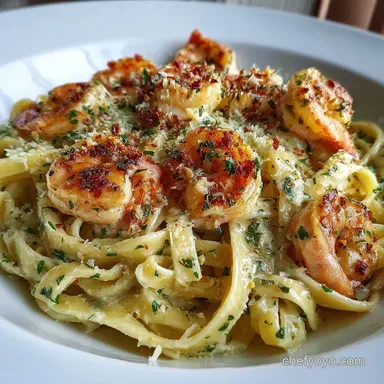
Creamy Shrimp Alfredo Fettuccine
Ingredients:
Instructions:
Nutrition Facts:
| Calories | 893 kcal |
|---|---|
| Protein | 48 g |
| Fat | 48 g |
| Carbs | 66 g |
| Fiber | 3 g |
| Sugar | 2 g |
| Sodium | 680 mg |
