Baked Chicken Wings: Pub-Style Crispy Results
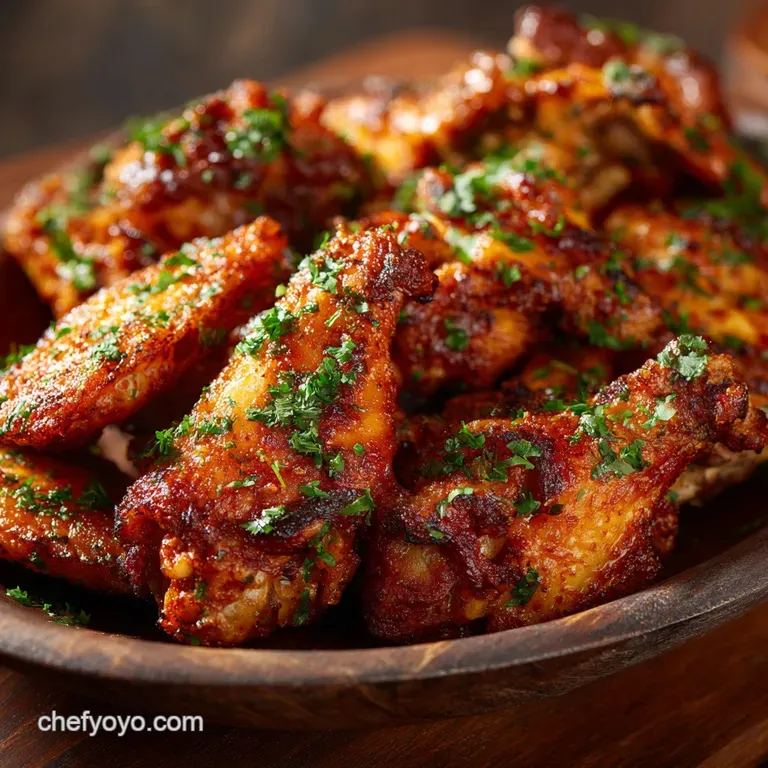
- Welcome to The Gaffer's Guide to Ultimate Crispy Wings
- The Science of the Crunch: Why Baking Powder is Your Secret Weapon
- Essential Kit: The Ingredients You Need for Pub-Style Baked Chicken Wings
- The Perfect Bake: Step-by-Step Instructions for Max Crispness for Baked Chicken Wings
- Troubleshooting & Chef's Secrets for Flawless Baked Wings
- Match Day Ready: Perfect Pairings and Serving Suggestions for Baked Chicken Wings
- Handling the Leftovers: Storage and Reheating Guide for Your Baked Chicken Wings
- Recipe FAQs
- 📝 Recipe Card
Welcome to The Gaffer's Guide to Ultimate Crispy Wings
Stop whatever you are doing right now. Can you smell it? That deep, savoury, slightly smoky aroma hitting the back of your throat, paired with that satisfying, razor sharp crackle of skin as you bite down? That, my friend, is the sound and smell of perfect Baked Chicken Wings .
(1) This recipe is the real deal.
For years, I told myself that truly crispy wings were a fryer only affair. I tried grilling, I tried air-frying, but nothing delivered that specific pub-style crunch without the absolute mess and oil commitment. Then I discovered the chemical cheat code that changes everything. It saves time, it saves money, and honestly, it’s far less messy than making something like my Crock Pot Santa Fe Chicken: Easy Weeknight Dump and Go Recipe .
We're going to ditch the hot oil entirely. We are going to use a simple pantry staple to achieve a shatteringly crisp texture, giving you the best Oven Baked Chicken Wings you have ever had. (2) Trust me, this method guarantees success. Let's crack on.
The Science of the Crunch: Why Baking Powder is Your Secret Weapon
The secret to truly glorious Baked Chicken Wings (3) isn't luck; it's chemistry. If you follow standard recipes, the surface moisture on the wings steams the skin before it can crisp.
We need to actively dry out that skin before the heat hits it, and this is where aluminum free baking powder comes in like a culinary superhero.
What Makes These "Pub-Style" Wings Superior?
These wings are superior because we target maximum surface area dryness. Unlike grilling, where rendered fat tends to soften the skin, the wire rack setup and the two-stage baking process ensure that fat drips away immediately.
The result is a uniformly crisp surface, almost like tiny crackling, perfect for coating in sticky, tangy sauce. This level of crunch is what separates a decent effort from the best Crispy Baked Chicken Wings Recipe (4) out there.
Quick Overview: Prep Time vs. Baking Time
You need to prioritize drying time over actual baking time if you want success. While the active prep is only about 15 minutes, the chilling time ( 30 minutes to 4 hours) is non-negotiable for achieving that ultra crisp skin.
Don't skip the refrigeration step just because you're hungry. Patience is the cost of entry for spectacular Easy Baked Chicken Wings . (5)
Is This Recipe Suitable for a Large Crowd?
Absolutely, yes, but you must scale intelligently. When scaling this recipe, the main danger is crowding the baking sheets. You should never, ever stack or even let your wings touch, or they will steam. If you double the recipe, use two baking sheets and rotate them halfway through the over high heat bake. It might be easier to make a massive batch of something like my quick Chicken Bacon Ranch Mini Pizzas: The Quick 27 Minute Weeknight Meal if your oven is too small for multiple trays, but honestly, these Baked Chicken Wings (6) are worth the effort of using both racks.
The Chemical Reaction That Dries the Skin
When you coat the wings in baking powder and salt, a chemical reaction occurs. The baking powder (sodium bicarbonate plus acid) slightly raises the skin’s pH. This encourages the peptide bonds in the skin to break down more effectively.
When exposed to heat, this high-pH skin darkens quicker and releases moisture faster. It essentially transforms the surface into a dry, porous shell, ready to shatter. The Baked Chicken Wings (7) achieve maximum crispness because the baking powder ensures the skin turns into a dehydration zone.
Managing Moisture for Optimal Skin Texture
Moisture management is key. This is why we pat the wings aggressively dry before seasoning. Any residual water on the surface will counteract the baking powder and lead to steaming. I once thought "pat dry" meant a quick dab, and my wings turned out rubbery. Rookie mistake.
You need to assume the wings are soaked and use plenty of paper towels until the skin actually feels tacky.
Oven Placement: Maximizing Heat Circulation
The wire rack is mandatory. It lifts the wings off the pan, allowing air to circulate completely around them. If they sit directly on the pan, the bottom will inevitably steam in its own rendered fat.
Placing the pan in the upper middle third of the oven ensures even, intense heat exposure, which is necessary to finish these glorious Baked Chicken Wings . (8)
Chef's Note: Don't use non-stick cooking spray on the wire rack! The rendered fat prevents sticking naturally, and the spray can sometimes interact oddly with the high heat and baking powder, leading to residue.
Essential Kit: The Ingredients You Need for Pub-Style Baked Chicken Wings
We are keeping the ingredients list lean because the flavour profile should come from the intense, concentrated meat and crispy skin, not a million different spices.
Selecting the Best Wing Parts (Flats vs. Drumettes)
When you buy wings, you usually get a mix of flats (the middle section, also called the wingette) and drumettes (the meaty part that looks like a tiny drumstick). I always separate them myself if they come whole, or I buy them separated.
Flats crisp up more uniformly due to their smaller, flatter surface area, while drumettes stay juicier inside. For the Best Baked Chicken Wings (9) experience, I recommend a 50/50 mix.
| Ingredient | Why We Use It | The Gaffer's Substitution |
|---|---|---|
| Baking Powder | The chemical drying/crisping agent. | None! If you skip this, increase chilling time to 8 hours minimum. |
| Kosher Salt | Extracts moisture and seasons deeply. | Fine table salt, but use 1/2 the volume to avoid over salting. |
| Frank’s RedHot | The definitive flavor for Buffalo sauce. | Louisiana Hot Sauce or crystal hot sauce. Must be cayenne based. |
| Unsalted Butter | Adds rich mouthfeel and stabilizes the sauce. | dairy-free plant butter or margarine. Do not use oil (it separates). |
| Honey (optional) | Balances vinegar/heat, aids stickiness. | Brown sugar or maple syrup for sweetness and stickiness. |
Buffalo Sauce Foundation: Choosing Your Heat Level
I adore the classic Buffalo tang, which is why Frank’s RedHot is essential it has the perfect cayenne base and acidity. However, you can absolutely adjust this. For a milder flavour, use 1/2 cup of Frank's and add 1/4 cup of mild tomato paste to mellow it out.
If you crave intense heat, try subbing out a quarter of the Frank’s for Cholula or a ghost pepper sauce. Just remember: the richer the sauce, the less crisp the wings will remain once tossed. The classic Buffalo sauce gives fantastic results for these Baked Chicken Wings . (10)
Dry Rub Essentials: Salt, Pepper, and the Key Baking Agent
The dry rub needs to be simple so that the high heat can work its magic without burning delicate spices. Salt draws out moisture, and the baking powder seals the deal. Garlic powder and smoked paprika just add that deep, savoury undercurrent that makes these wings addictive.
Avoid using dried herbs like oregano or thyme here; they will absolutely scorch at 425°F (220°C). Save the herbs for a cool down dip, not for the surface of the Oven Baked Chicken Wings . (11)
The Perfect Bake: step-by-step Instructions for Max Crispness for Baked Chicken Wings
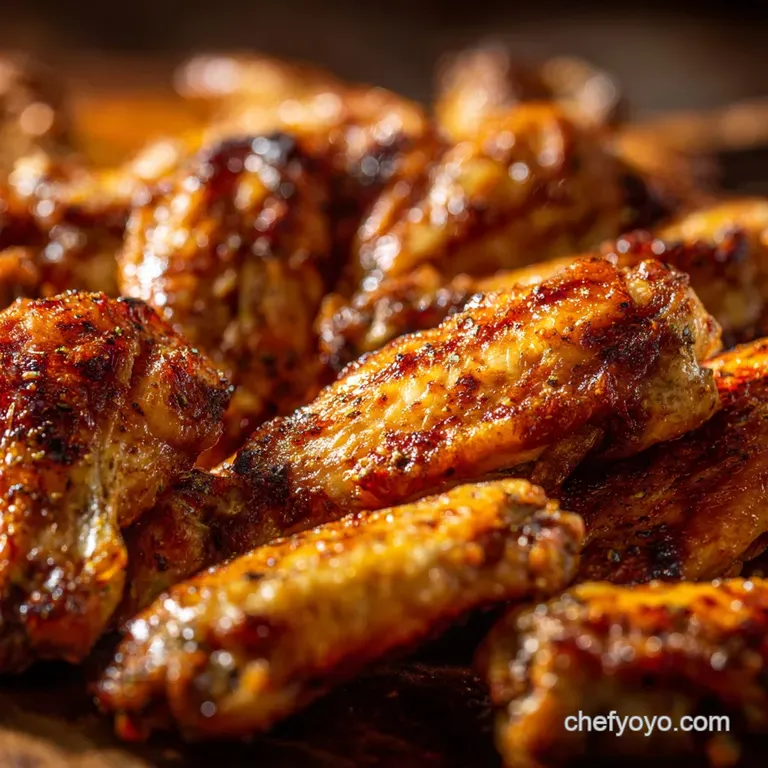
The sequence of steps is critical here. You need the over low heat phase to render the fat, and the over high heat phase to achieve the crust.
Prepping the Wings: The Crucial Pat-Dry
This is where many people fail. You must aggressively pat the wings dry using paper towels. I spend a full minute per pound of wings just ensuring they are completely dry to the touch. Once dry, toss them in a large bowl. Sprinkle your salt, pepper, paprika, and, most importantly, the baking powder over them.
Uniform Coating: Applying the Crisp Agent
Toss the wings until every single piece is dusted evenly. The wings should look slightly ghostly, coated in a fine white powder, but not pasty. If the mixture is turning into a paste, your wings weren't dry enough initially! Place them on the wire rack, ensuring zero contact between wings.
This setup is crucial for producing restaurant quality Crispy Chicken Wings Baking Powder (12) style. Pop the tray into the fridge for at least 30 minutes, or longer if you can manage it.
Two-Phase Baking Method: Low and Slow, Then High Heat Finish
- Phase One (Rendering): Start the oven at 275°F (135°C). This low temperature gently renders the fat beneath the skin without burning the surface. Bake for 25 minutes. You will see fat collecting on the pan below the rack.
- Phase Two (Crisping): Now, crank that heat up to 425°F (220°C). Flip the wings using tongs. This higher heat causes the dried skin to rapidly dehydrate and crisp up. Bake for another 15– 20 minutes. You are looking for a deep mahogany brown colour. The resulting Baked Chicken Wings 400 (13) degree technique (or 425°F) gives us the perfect crunchy finish.
Tossing the Wings: Achieving the Sticky Sauce Glaze
While the wings are resting for 5 minutes (let them rest!), make your sauce. Melt the butter, then whisk in the hot sauce, vinegar, and any optional honey or Worcestershire. It should be warm and homogenous. Transfer the piping hot wings to a large bowl, pour the sauce over, and toss quickly.
The rapid cooling of the sauce on the hot, porous skin creates that desired sticky glaze. Serve these perfect Baked Chicken Wings (14) immediately!
Troubleshooting & Chef's Secrets for Flawless Baked Wings
Why Your Wings Aren't Getting Crispy (Common Mistakes)
This is a recurring complaint, but the solution is always the same handful of problems. If your Baked Chicken Wings (15) aren't crisping, check these three things:
- You Skipped the Chill: Chilling the seasoned wings uncovered in the fridge is essential. It air-dries the surface, making the baking powder much more effective. If you didn't chill them, they are doomed to steam.
- You Crowded the Pan: If the wings are touching, moisture is trapped, and they steam. Use two trays if necessary. Seriously, this matters more than the exact oven temperature.
- You Used Baking Soda: Baking powder and baking soda are not interchangeable here. Baking soda requires acid to activate and lacks the specific chemical structure needed to raise the skin's pH effectively without leaving a soapy residue. Only use aluminum free baking powder for these phenomenal Wings Recipe Oven (16) style.
Scaling the Recipe for Bulk Preparation
If you are cooking a massive batch of Baked Chicken Wings (17) for a game day or a big party, prepare two trays and rotate them between the top and bottom racks every 10 minutes during the over high heat phase.
This ensures both trays receive adequate convection and crisp evenly. If you have a convection setting on your oven, use it! It dramatically speeds up the over high heat crisping phase.
The Importance of Sauce Temperature
Always toss the very hot wings in warm sauce. If the sauce is cold, it will immediately drop the temperature of the wings, causing condensation on the surface and making them soft instantly.
The residual heat from the wings needs to cook the sauce slightly, allowing it to adhere better and maintain some of the skin's integrity before serving. This is how you prevent amazing Crispy Baked Chicken Wings (18) from becoming soggy messes.
Match Day Ready: Perfect Pairings and Serving Suggestions for Baked Chicken Wings
What is a perfect wing without the perfect support system? While the tangy Buffalo flavour is strong enough to stand alone, the right sides and dips make the experience truly memorable.
The Ultimate Dipping Sauce Trio (Beyond Blue Cheese)
Blue cheese dip is traditional and delicious, but sometimes you want a change. My recommended trio for these Baked Chicken Wings (19) includes:
- Classic Blue Cheese: Crumbled blue cheese (like Gorgonzola or Roquefort) mixed with sour cream, mayonnaise, a dash of vinegar, and pepper.
- Chipotle Ranch: Mix your favourite bottled ranch with a tablespoon of finely chopped chipotle in adobo for a smoky kick.
- Honey Mustard: A simple blend of Dijon mustard, honey, and a splash of cider vinegar.
If you have vegetarian friends joining the party, don't forget to whip up a batch of Spicy Buffalo Cauliflower Bites: Ultra Crispy Vegetarian Wings and serve them with the same trio of dips!
Best Side Dishes to Complement the Tangy Heat
You need something cool and crunchy to cut through the richness of the wings and butter. A classic Caesar salad works wonderfully, as does a simple coleslaw dressed with vinegar rather than heavy mayonnaise.
If you’re making a proper meal of it, maybe something starchy and hearty, like homemade sweet potato fries or a simple baked potato, would be the ticket. Just keep the sides light and fresh, complementing the savory, spicy nature of the Baked Chicken Wings . (20)
Craft Beer Pairings for Crispy Baked Chicken Wings
The spice and tang require a robust drink that can stand up to the flavour assault without being overpowered. Skip the heavy stouts and opt for something crisp. An American Pale Ale (APA) is a classic choice, as its hop bitterness perfectly balances the heat.
A light Lager or a Pilsner is a safe bet if you want to dial back the flavour complexity. For a fruitier twist, a dry hard cider also cuts through the richness beautifully.
Handling the Leftovers: Storage and Reheating Guide for Your Baked Chicken Wings
I know, leftovers are rare when talking about these magnificent Baked Chicken Wings (21), but sometimes it happens. Do not, under any circumstances, store these covered on the counter that's a quick trip to the bin.
Why Your Wings Aren't Getting Crispy (Common Mistakes) (Second appearance, addressing post bake)
When reheating, people often make the mistake of using the microwave. The microwave turns the beautiful, crisp skin into sad, chewy rubber. To save your leftover Garlic Parmesan Baked Chicken Wings (22) or Buffalo wings, you need dry, high heat.
Scaling the Recipe for Bulk Preparation
You can store un-sauced, fully cooled wings in an airtight container in the fridge for up to 4 days. If you sauced them, they will only last 2 3 days, as the sauce degrades the skin faster. Freezing is best done before saucing.
Place the cooled, baked wings on a tray until frozen solid (flash freeze), then transfer them to a freezer bag. They keep well for up to 3 months.
The Importance of Sauce Temperature
To reheat those leftover Baked Chicken Wings in Oven (23), preheat the oven to 350°F (175°C). Place the wings back on a wire rack over a baking sheet. Bake for 10– 15 minutes, or until sizzling hot and the skin has re-crisped slightly.
If they were previously sauced, the skin won't be quite as crisp as the first time, but they'll still be infinitely better than microwaved mush. If they were un-sauced, toss them in fresh, warm sauce after reheating for that day-one texture.
There you have it my complete guide to achieving the world's crunchiest Baked Chicken Wings . (24) Stop relying on messy fryers or disappointing baked versions. This technique is simple, uses ingredients you already own, and delivers perfection every single time.
Seriously, these are the Best Baked Chicken Wings (25) you will ever pull from your oven. Go make a batch right now!
Recipe FAQs
Why is baking powder essential for achieving maximum crispness?
Baking powder is a secret weapon because it raises the pH level on the chicken skin’s surface, which breaks down the proteins and draws moisture outward. As the wings bake at high heat, this moisture evaporates rapidly, creating tiny air pockets that solidify into a beautiful, shattery crust.
My wings came out chewy, not crispy. What went wrong?
The primary reason for chewy wings is residual moisture or overcrowding on the pan. Always pat the wings completely dry with paper towels before tossing them with the baking powder mixture to ensure the crisping agent can work effectively.
When is the best time to apply the sauce?
For the crispiest wings possible, the sauce must be applied after the wings are fully cooked and removed from the oven. Applying the sauce prematurely introduces liquid and sugars that will steam the skin and make the crispy coating soft and soggy.
How can I adapt this recipe for different flavors (e.g., BBQ or Teriyaki)?
This technique is highly versatile and works with virtually any sauce style, provided you bake the wings naked first. Follow the baking steps exactly, and then simply toss the crispy wings in your preferred warm sauce, like a thick sticky BBQ or a sweet ginger Teriyaki, just before serving.
What is the safe internal temperature for chicken wings?
Chicken wings are safe to eat when they reach a minimum internal temperature of 165°F (74°C) measured in the thickest part of the meat, avoiding the bone. However, wings often benefit from cooking slightly longer, up to 175°F (80°C), which further breaks down the connective tissue and improves texture.
What is the best way to store and reheat leftover wings to maintain crispness?
Store fully cooled leftover wings in an airtight container in the refrigerator for up to 3 days. To reheat, place them on a wire rack set over a baking sheet and bake at 350°F (175°C) for 10 15 minutes until warmed through and the skin is refreshed.
Crispy Baked Chicken Wings Recipe
Ingredients:
Instructions:
Nutrition Facts:
| Calories | 500 kcal |
|---|---|
| Fat | 35 g |
| Fiber | 1 g |
