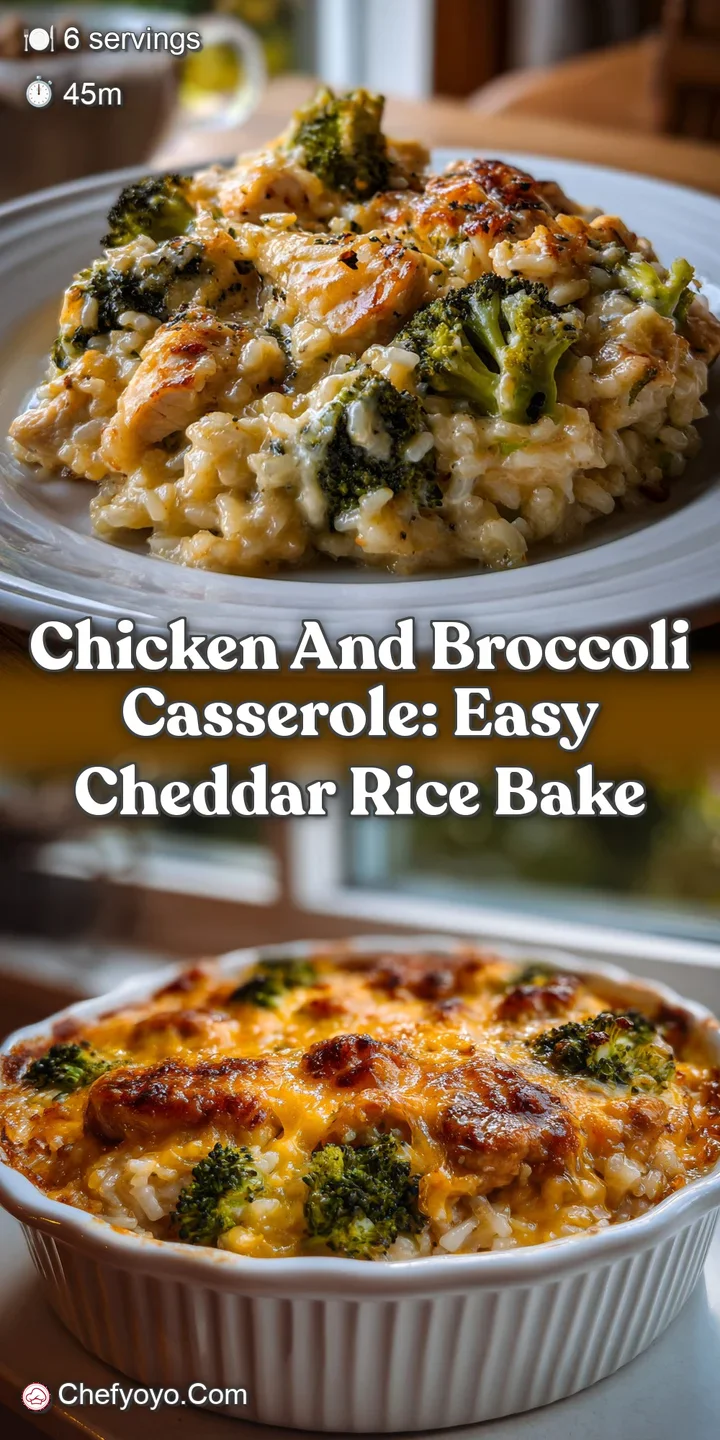
The Perfect Chicken and Broccoli Casserole
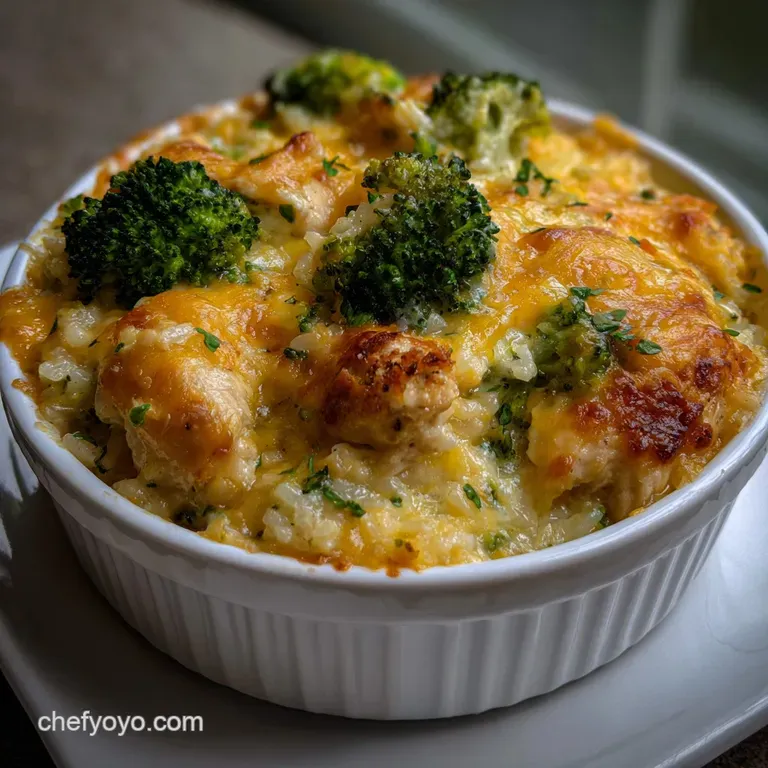
- Effort/Time: 15 minutes prep / 45 minutes total
- Flavor Hook: Sharp cheddar melt meets smoky paprika warmth
- Perfect for: Busy-weeknight fuel or make-ahead meal prep
- The Ultimate Chicken and Broccoli Casserole: A Family Favorite
- The Science of Comfort: Why This Recipe Works
- Essential Ingredients and Smart Substitutions
- How to Make Chicken and Broccoli Casserole Step-by-Step
- Expert Tips and Common Mistakes to Avoid
- Storage, Freezing, and Reheating Instructions
- What to Serve with Chicken and Broccoli Casserole
- Recipe FAQs
- 📝 Recipe Card
The Ultimate Chicken and Broccoli Casserole: A Family Favorite
Nothing kills the mood like a tray of mushy, water logged vegetables drowning in a bland, broken sauce. I spent years pulling watery disasters out of my oven before I realized the chemistry of the chicken and broccoli casserole requires a specific moisture management strategy.
We’ve all been there: the rice is crunchy, the broccoli is gray, and the family is reaching for the takeout menus. This version relies on a velvety base that clings to every floret without turning the dish into a soup.
I once served a version so dry it actually squeaked against the fork a total kitchen heartbreak. But that failure led me to the golden ratio of 0.5 cup full fat sour cream and 0.5 cup whole milk.
When you pull this from the oven, the smell of toasted Panko and bubbling sharp cheddar hits you before you even see the golden brown crust. It’s a sensory reset button for a long Tuesday. This recipe delivers a structural integrity that stays intact from the first scoop to the last reheated bite.
The secret lies in how we handle the protein and the cruciferous crunch. By using 1 lb cooked chicken breast, we skip the risk of "meat juice" thinning out our sauce mid-bake. We are aiming for a specific texture profile: a velvety interior contrasted by a topping that provides a literal shatter when your fork breaks the surface. If you’re looking for another comforting classic that masters the sauce-to-protein ratio, my Chicken and Noodles Recipe: Velvety Sauce in 45 Mins uses a similar physics based approach to creaminess.
The Science of Comfort: Why This Recipe Works
- Lipid Emulsification: The lactic acid in the sour cream acts as a stabilizer, preventing the 10.5 oz condensed cream of chicken soup from splitting under high heat.
- Starch Retrogradation Control: Using 3 cups cooked rice ensures the grains have already undergone gelatinization, meaning they won't steal moisture from the sauce during the 30 minutes bake time.
- Hygroscopic Topping: The 0.5 cup Panko breadcrumbs absorb any rising steam from the broccoli, protecting the crispness of the crust while the 2 tbsp melted butter facilitates the Maillard reaction.
Why You’ll Love This Easy One-Pan Meal
The beauty of the chicken and broccoli casserole is the efficiency of energy and cleanup. You are essentially creating a self contained ecosystem where the 4 cups fresh broccoli florets steam inside the sauce.
This "Easy Chicken Broccoli Casserole Recipe" eliminates the need for multiple pots and pans, focusing instead on the assembly of high-quality components. You get a complete macronutrient profile 40.5 g of protein and 43.4 g of carbohydrates in every single serving.
Texture is the unsung hero of this "Broccoli Cheddar Chicken Rice Casserole". Most people forget that we eat with our ears as much as our taste buds. The crunch of the Panko, the snap of the broccoli, and the soft give of the rice create a rhythmic eating experience.
It’s a balanced meal that feels indulgent but relies on clean, accessible ingredients like garlic and onion powder to build depth.
A Nostalgic Twist on Classic Home Cooking
This dish is a direct evolution of the mid-century modern "hot dish," but updated for a palate that demands more than just salt. We use 0.5 tsp smoked paprika to add a wood fired dimension that the original 1950s recipes lacked.
It’s the kind of meal that reminds you of Sunday dinners but fits into a 45 minutes window. Trust me, the 0.5 tsp salt and 0.25 tsp black pepper might seem simple, but they are the foundational minerals that make the cheddar pop.
I find that this "Chicken and Broccoli Casserole with Rice" bridges the gap between childhood comfort and adult nutritional needs. It’s high density fuel that doesn't feel like a chore to eat.
When the 2.5 cups sharp cheddar cheese hits its melting point, it creates a protein fat matrix that binds the chicken and rice into a singular, cohesive bite. It's the ultimate solution for those "what's for dinner" brain fades we all suffer from.
Understanding the Balance of Creamy and Crunchy Textures
To achieve that specific velvety mouthfeel, the 0.5 cup whole milk is non-negotiable. Lower fat milks lack the globular fat structure needed to coat the 1 lb cooked chicken breast effectively. If the sauce is too thin, it runs to the bottom of the pan; if it's too thick, the dish becomes heavy and leaden.
This recipe hits the sweet spot of viscosity.
The 0.5 cup Panko breadcrumbs are the literal "crown" of the dish. Unlike traditional breadcrumbs, Panko has a larger surface area, which allows for more contact with the 2 tbsp melted butter.
This leads to a more intense Maillard reaction the chemical reaction between amino acids and reducing sugars that gives browned food its distinctive flavor. It's the difference between a soggy lid and a golden, shattered crust.
The Role of Cheddar in the Perfect Sauce Base
We use 2.5 cups sharp cheddar cheese because of its high acidity and punchy flavor profile. Sharp cheddar undergoes a longer aging process, which breaks down the complex proteins into smaller, more flavor packed peptides.
This intensity is necessary to stand up against the 4 cups fresh broccoli florets, which can sometimes be bitter.
When you divide the cheese, you're using half to create an internal bond within the "chicken and broccoli casserole" and the other half to create a protective, bubbling layer on top.
This dual action cheese application ensures that every forkful has that signature "cheese pull" while also contributing to the structural integrity of the serving. It’s a calculated move for maximum flavor distribution.
Essential Ingredients and Smart Substitutions
Yes, you can swap ingredients in a chicken and broccoli casserole, but you must account for moisture changes to avoid a soggy mess.
| Original Ingredient | Substitute | Why It Works |
|---|---|---|
| 10.5 oz Cream of Chicken | Cream of Mushroom | Similar viscosity; adds earthy umami notes. |
| 0.5 cup Sour Cream | Plain Greek Yogurt | High protein; adds a sharper tang. Note: May curdle if boiled. |
| 0.5 cup Panko | Crushed Ritz Crackers | Higher fat content; adds a buttery, salty finish. |
| 1 lb Chicken Breast | 1 lb Canned Tuna | Lean protein; alters flavor to a classic "tuna bake" profile. |
| 3 cups White Rice | 3 cups Quinoa | Increases fiber; adds a nutty, slightly crunchy texture. |
The Science Behind Sharp Cheddar Cheese
- What It Does
- Acts as a primary flavoring agent and structural binder for the rice and chicken.
- The Chemistry
- As the cheese heats, the casein protein matrix collapses, releasing fat globules that emulsify with the whole milk.
- Why This Matters
- This creates a smooth, flowable sauce that coats the broccoli without breaking into oil and solids.
Choosing the Best Rice for Liquid Absorption
For this chicken and broccoli casserole, the 3 cups cooked white or brown rice must be "fluffy," not gummy. I prefer using a long grain variety like Lundberg Family Farms Jasmine Rice.
Long grain rice has a higher ratio of amylose to amylopectin, which means the grains stay separate and distinct even when baked in a heavy sauce.
If you use a short grain or "sticky" rice, the starch molecules will bind too tightly, turning your casserole into a block of paste. The rice acts as a structural scaffold for the 1 lb cooked chicken breast.
By using pre-cooked rice, we control the exact hydration level of the dish, ensuring the sauce stays on the ingredients rather than being absorbed by the grain.
Fresh vs. Frozen Broccoli: Making the Right Choice
The 4 cups fresh broccoli florets are the gold standard here. Fresh broccoli contains intact cellular walls made of cellulose and pectin. During the 30 minutes bake, these walls soften but maintain enough "bite" to provide a textural contrast.
If you must use frozen, you must thaw and squeeze them bone dry first.
Frozen broccoli has already undergone cell wall rupture due to ice crystal formation. If you toss it in frozen, it will release excess water into your "Healthy Chicken and Broccoli Casserole," leading to a diluted sauce.
For the best result, stick to fresh florets cut into bite sized pieces to ensure they cook at the same rate as the rest of the assembly.
Protein Options: Using Rotisserie vs. Raw Chicken
Using 1 lb cooked chicken breast is a strategic move for the home cook. I often grab a Perdue Harvestland Rotisserie Chicken and shred the breast meat. This ensures the chicken is already seasoned and tender.
If you were to use raw chicken, the 30 minutes bake time might not be sufficient to reach the 165°F safety threshold without overcooking the broccoli.
On top of that,, raw chicken releases albumin (that white, coagulated protein) and water as it cooks. In a closed casserole environment, this moisture has nowhere to go but into your sauce.
By using pre-cooked meat, you are locking in the 40.5 g of protein per serving without compromising the "Chicken Broccoli Rice Casserole Easy" workflow.
dairy-free and gluten-free Alternatives
If you need to pivot, you can find success with specific swaps. For a gluten-free "Chicken and Broccoli Casserole with Cream of Chicken Soup," look for Pacific Foods gluten-free Condensed Soup.
Replace the 0.5 cup Panko with crushed gluten-free rice cereal or Ian's gluten-free Panko to maintain that essential "shatter" texture.
For a dairy-free approach, full fat coconut milk can replace the 0.5 cup whole milk, though it will add a slight tropical note. Use a cashew based "sour cream" to maintain the creamy mouthfeel.
Keep in mind that plant based cheeses don't always have the same protein denaturation properties as sharp cheddar, so the "bind" might be slightly looser.
How to Make Chicken and Broccoli Casserole step-by-step
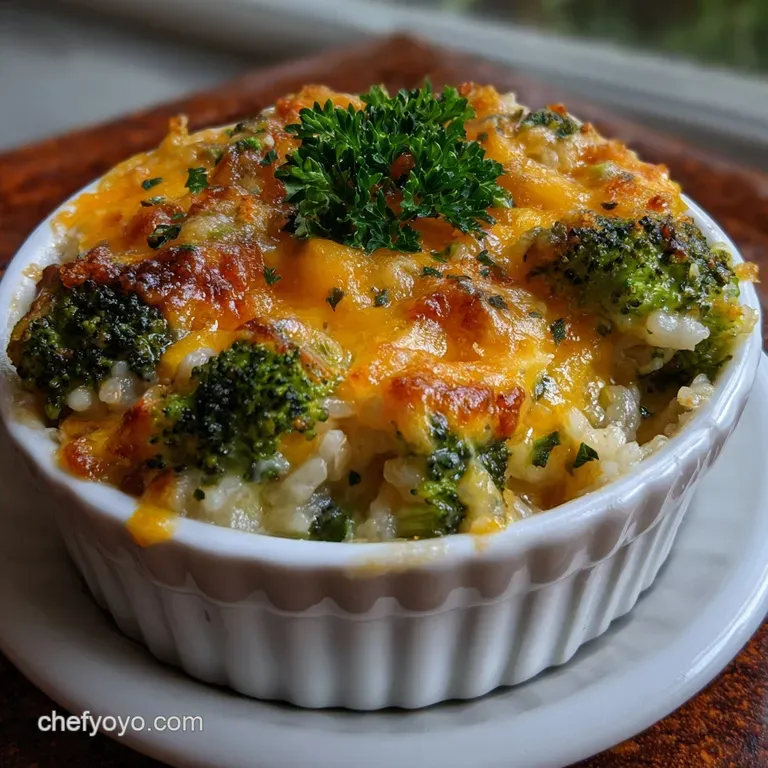
Prepping Your Components for Maximum Flavor
- Preheat your oven to 350°F. Note: This temperature allows for even heat penetration without scorching the dairy base.
- Grease a Lodge 9x13-inch Ceramic Casserole Dish. Note: Proper lubrication prevents the cheddar from polymerizing onto the sides of the dish.
- Chop 4 cups fresh broccoli florets into uniform pieces. Note: Uniformity ensures all pieces reach the same level of pectin softening simultaneously.
- Shred 1 lb cooked chicken breast. Note: Shredding increases surface area, allowing the sauce to coat every fiber of the protein.
Whisking a Smooth and Velvety Cheese Sauce
- Combine 10.5 oz condensed soup, 0.5 cup sour cream, and 0.5 cup whole milk. Note: The milk acts as a solvent to thin the dense condensed soup into a pourable state.
- Add 1 tsp garlic powder, 1 tsp onion powder, and 0.5 tsp smoked paprika. Note: Dry spices require lipids (fat from the milk/sour cream) to bloom and release flavor.
- Fold in 1.25 cups of the sharp cheddar cheese. Note: Adding half the cheese now creates an internal structural matrix during the bake.
- Whisk until no streaks of sour cream remain. Note: A homogenous mixture prevents "hot spots" of acidity that could curdle the sauce.
Assembling the Layers for Even Baking
- Stir the 3 cups cooked rice and 1 lb chicken into the sauce. Note: Pre-mixing ensures that no "dry pockets" of rice exist in the final dish.
- Fold in the 4 cups fresh broccoli florets gently. Note: Over mixing can break the delicate florets into "broccoli dust," ruining the texture.
- Spread the mixture evenly into your prepared dish. Note: A flat surface ensures the Panko topping browns at a uniform rate.
- Top with the remaining 1.25 cups sharp cheddar cheese. Note: This creates a "steam lid" that keeps the chicken moist while the broccoli cooks.
Achieving a Perfectly Golden Breadcrumb Topping
- Mix 0.5 cup Panko with 2 tbsp melted butter. Note: The butter coats each crumb, facilitating the Maillard reaction for a golden brown finish.
- Sprinkle the Panko evenly over the cheese layer. Note: Avoid clumping; clumps will stay soggy while the rest of the topping burns.
- Bake for 30 minutes until the edges sizzle. Note: The sizzle indicates that the internal temperature has reached the boiling point of the sauce.
- Rest for 5 minutes before serving. Note: Resting allows the starch in the rice to "set," making for cleaner scoops.
Chef's Note: For an unconventional flavor boost, grate 0.25 tsp of fresh nutmeg into the sauce. Nutmeg contains myristicin, which chemically enhances the "nutty" profile of the sharp cheddar.
Expert Tips and Common Mistakes to Avoid
Most failures in chicken and broccoli casserole come from lack of temperature control or poor moisture management. If you notice your casserole is too runny, you likely didn't drain your broccoli well enough, or you used a low-fat sour cream that couldn't handle the heat.
| Problem | Why It Happens | The Fix | Pro Protocol |
|---|---|---|---|
| Dry Rice | Rice was undercooked before adding. | Ensure rice is fully tender before assembly. | Use a Zojirushi Rice Cooker for consistent grain hydration. |
| Oily Surface | Cheese separated due to high heat. | Use "sharp" rather than "mild" cheddar. | Use a ThermoWorks Thermapen to ensure internal temp is 165°F. |
| Soggy Topping | Steam trapped under the Panko. | Don't cover with foil during the last 15 mins. | Grate cold butter into the Panko instead of melting it for "shrapnel" texture. |
Common Myths
Myth: You must blanch the broccoli before adding it to the and broccoli casserole. Truth: False. The 30 minutes bake time at 350°F is the perfect duration to steam "al dente" florets inside the sauce.
Blanching first often leads to mushy, overcooked greens.
Myth: low-fat dairy works just as well for the sauce. Truth: Scientific reality says otherwise. low-fat dairy has a higher protein-to-fat ratio, making it prone to "breaking" or curdling when exposed to the acidic environment of condensed soup.
Always use full fat components for a velvety finish.
Storage, Freezing, and Reheating Instructions
Yes, the chicken and broccoli casserole survives the fridge for 3 4 days when stored in an airtight container like a Glasslock Food Storage Set. The flavors actually deepen over 24 hours as the aromatics from the onion and garlic powders continue to infuse the rice.
- Freezing: You can freeze this "Easy Chicken Broccoli Casserole Recipe" for up to 3 months. Wrap the dish tightly in plastic wrap and then heavy duty foil. Note: For best results, freeze before the final bake.
- Reheating: To avoid the "rubbery chicken" syndrome, reheat in the oven at 325°F covered with foil. This creates a gentle steam environment.
- Microwaving: If you're in a rush, add a teaspoon of water to the bowl before microwaving to replenish the moisture lost to the fridge.
For those looking to diversify their meal prep, this casserole follows the same "big batch" logic as my Tater Tot Casserole: Crispy Topping Homemade Cream Sauce, which is another freezer friendly staple in my house.
What to Serve with Chicken and Broccoli Casserole
Since this is a heavy, cream based meal, you need acidity to cut through the fat. A crisp green salad with a Maille Dijon Mustard vinaigrette is the ideal companion. The sharp vinegar notes cleanse the palate between bites of the rich, cheesy rice.
How to Prevent a Mushy or Soggy Casserole
The primary cause of a soggy chicken and broccoli casserole is the "frozen vegetable trap." If you use frozen broccoli, the ice crystals have already destroyed the plant's cell walls. When heated, they dump water into your sauce.
If you must go the frozen route, thaw them completely and use a kitchen towel to squeeze out every drop of moisture.
Another culprit is the rice. If your 3 cups cooked white or brown rice is over hydrated (mushy) before it even enters the dish, it will continue to disintegrate during the 30 minutes bake. Aim for rice that is "just done" so it can absorb a tiny bit of the sauce's flavor without losing its shape.
Common Pitfalls That Impact Flavor Depth
Under seasoning the "Chicken and Broccoli Casserole No Soup" (or even the soup version) is a common crime. Condensed soup provides salt, but it doesn't provide complexity. That’s why the 1 tsp garlic powder and 0.5 tsp smoked paprika are vital. Without them, the dish tastes flat and one-dimensional.
Also, don't skimp on the 0.5 cup sour cream. It provides the necessary "tang" that balances the richness of the 10.5 oz condensed cream of chicken soup. If you find the dish too heavy, a squeeze of fresh lemon juice over the top just before serving can brighten the entire flavor profile.
Freezing Guide: How to Meal Prep for Busy Weeks
To meal prep this "Chicken and Broccoli Casserole with Cream of Chicken Soup," I recommend the "Divide and Conquer" method. Assemble the chicken, rice, and sauce in individual foil tins. Do not add the 0.5 cup Panko and 2 tbsp melted butter until the day you plan to bake.
When you're ready to eat, move a tin from the freezer to the fridge 24 hours in advance. This allows for even thawing. Top with your fresh buttered Panko and bake as directed. This ensures the topping never gets soggy from sitting in the freezer's moisture.
Best Practices for Reheating Without Drying Out
The "low and slow" method is king for reheating a chicken and broccoli casserole. If you blast it in the microwave at 100% power, you will vibrate the water molecules so fast that they escape as steam, leaving your chicken like leather.
Instead, use a toaster oven set to 300°F. Cover the dish with a piece of parchment paper this allows some steam to escape so the Panko doesn't get soggy, but keeps enough moisture in to keep the rice velvety.
It usually takes about 15 minutes to reach an internal temperature of 145°F, which is perfect for leftovers.
Refreshing Side Dishes to Balance the Meal
If you want something warmer than a salad, try roasted carrots with a touch of honey. The sweetness of the carrots complements the savory, smoky notes of the paprika in the chicken and broccoli casserole.
Alternatively, a simple cucumber salad with dill and white wine vinegar provides a cooling contrast to the hot, bubbly cheese.
For a true comfort food feast, you might even consider serving a small bowl of Gumbo: Classic Dark Roux Chicken and Sausage Recipe as a starter. While both are chicken based, the dark roux of the gumbo offers a completely different flavor profile to the creamy, cheddar heavy casserole.
Garnish Ideas to Elevate Your Presentation
A brown and white casserole can look a bit "blah" on the plate. I like to finish mine with a handful of chopped fresh parsley or chives. The bright green color signals freshness and adds a mild oniony bite that cuts through the 2.5 cups sharp cheddar cheese.
Another pro tip: sprinkle a tiny bit of flaky Maldon Sea Salt over the Panko crust once it comes out of the oven. This tiny hit of salt on the surface makes the butter flavor in the topping explode.
It’s these small, technical touches that turn a standard weeknight meal into a "masterclass" level chicken and broccoli casserole. Enjoy the sizzle!
Recipe FAQs
How can I prevent the broccoli from becoming watery in the bake?
Blanching broccoli slightly before layering prevents mushiness. This brief exposure to boiling water gelatinizes the starch granules, reducing water release during the main bake cycle.
- Use fresh or thawed, squeezed frozen florets
- Ensure the sauce base is thick (roux heavy)
- Maintain high oven temperature (400°F minimum)
Is pre-cooked chicken necessary for this recipe?
Yes, fully cooked chicken is mandatory. Raw chicken breast requires 20-25 minutes minimum at 165°F internal temperature, which will overcook the cheese sauce and dry the edges.
Should I use shredded cheddar or block cheddar?
Block cheddar yields a smoother melt. Pre-shredded varieties contain anti caking agents like cellulose or potato starch which impede full liquid emulsification, resulting in a slightly gritty texture.
What liquid yields the best cream base?
Half and-half provides superior richness over standard milk. The higher fat content stabilizes the sauce, contributing necessary body to coat the rice/pasta and support the heavy topping structure.
Can I substitute Panko breadcrumbs for regular breadcrumbs?
Panko results in a noticeably crispier topping. Regular breadcrumbs absorb more ambient moisture during baking, creating a denser crust, while Panko's larger, airier flakes brown faster and shatter upon impact.
Myth: Adding flour to the cold butter before melting prevents lumps.
Myth: Adding flour to the cold butter before melting prevents lumps. Reality: This creates a raw roux that requires careful cooking to eliminate the starchy taste; whisking flour into the hot liquid after melting the fat is the standard procedure.
Can I use frozen vegetables instead of fresh broccoli?
Yes, but completely thaw and drain them first. Frozen vegetables, especially broccoli, are often flash blanched and carry significant surface water that compromises the casserole's structural integrity, unlike the preparation used for Broccoli and Cheese Twice Baked Potatoes: Our Creamy Comfort Classic.
Crispy Chicken Broccoli Casserole
Ingredients:
Instructions:
Nutrition Facts:
| Calories | 602 kcal |
|---|---|
| Protein | 40.5 g |
| Fat | 28.3 g |
| Carbs | 43.4 g |
| Fiber | 1.5 g |
| Sugar | 3.2 g |
| Sodium | 785 mg |
