Crispy Classic Orange Chicken Better Than the Takeaway
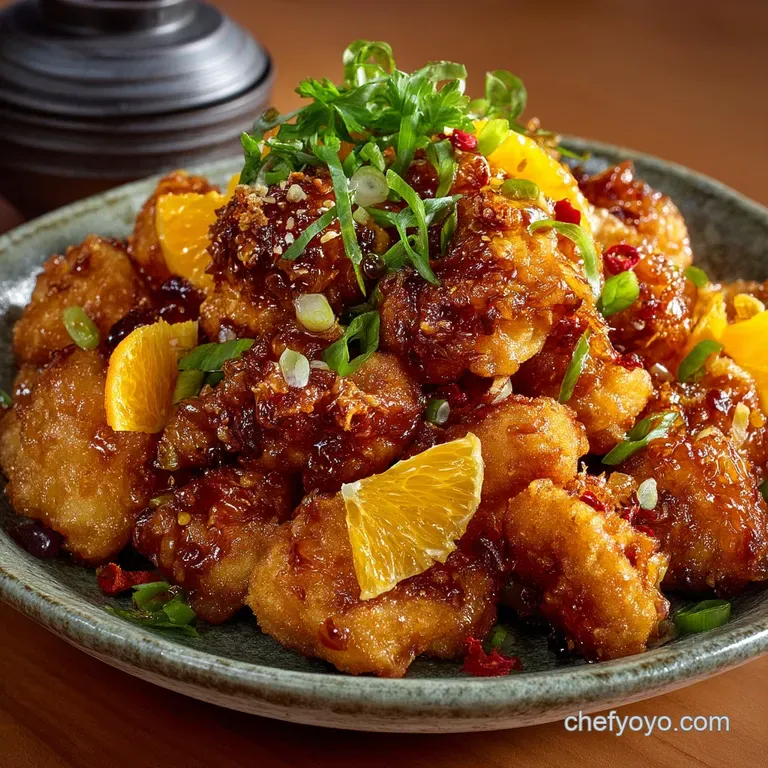
Why This Homemade Orange Chicken Reigns Supreme
Forget the pale imitations and overly saturated flavors of mall food court cuisine; achieving truly spectacular Orange Chicken means taking control of the process from start to finish.
This Orange Chicken Recipe moves past the cloying sweetness often associated with lower quality takeout, focusing instead on a profound textural contrast and a brilliantly balanced sweet and-sour glaze.
While many recipes aim for convenience, ours prioritizes the perfect, aggressively crispy coating and the vibrant zest of fresh oranges. The result is a dish that is deeply satisfying, showcasing why this beloved Chinese American staple has captured so many palates.
Unlike the Panda Express Orange Chicken Recipe , which is designed for mass production, our homemade version guarantees freshness, intense citrus brightness, and unparalleled crunch.
Mastering the Aggressively Crispy Texture
The secret to a successful Orange Chicken dish lies entirely in the structure of the coating, and this requires two essential components: the right batter composition and the technique of double frying.
We use a combination of all-purpose flour and cornstarch, along with a touch of baking powder, which creates a batter that puffs slightly and remains featherlight. However, the true mastery comes with oil temperature management.
The first fry, conducted at a moderate 325°F (160°C) for 3– 4 minutes, cooks the dense chicken thigh cubes thoroughly. The second, quick blast at 375°F (190°C) is non-negotiable; this flash of high heat expels residual moisture from the crust, sealing in the structural integrity and delivering that loud, satisfying crunch we crave before it meets the sauce.
The Essential Difference: Fresh Zest vs. Extract
The flavour profile of this dish hinges on using whole, fresh fruit. Our Orange Chicken Sauce Recipe avoids artificial orange flavoring entirely. While the freshly squeezed juice provides necessary acidity and moisture, the concentrated essential oils found in the microplaned zest are what truly elevate the glaze, transforming it into a complex, zingy coating.
The zest carries the intense, authentic citrus note that prevents the overall sauce from tasting flat or merely sweet. Coupled with fresh ginger, minced garlic, and rice vinegar, the resulting Orange Chicken Sauce is bright, punchy, and utterly dynamic, offering the perfect counterpoint to the richness of the fried chicken.
Essential Components for the Crispy Coating and Vibrant Glaze
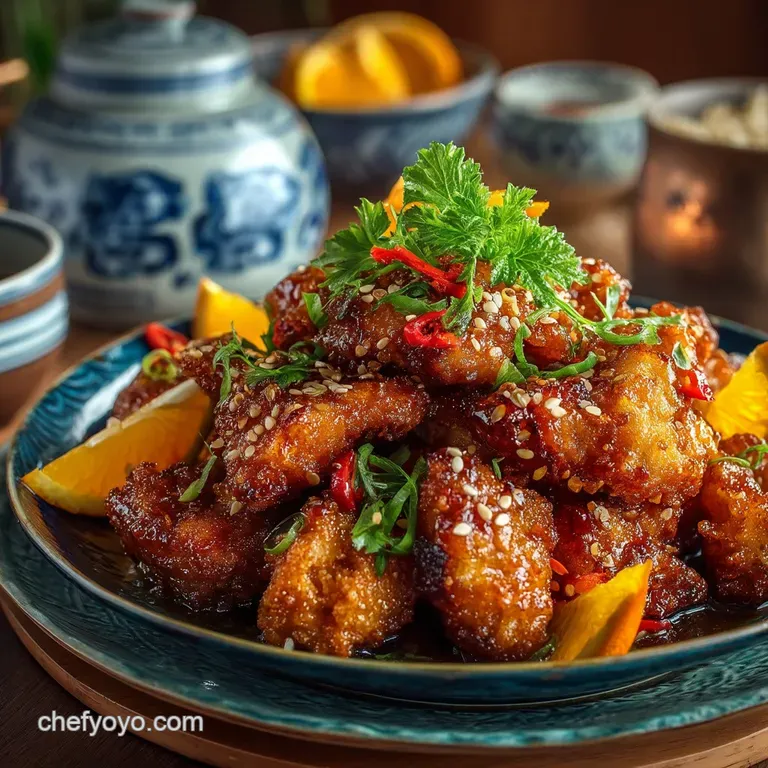
Before we move into the cooking process, understanding the function of each ingredient and piece of equipment is key to transforming this recipe into an Easy Orange Chicken experience. Precision at this stage ensures success later on.
Choosing the Ideal Chicken Cut for Frying
For maximum flavour and moisture retention, boneless, skinless chicken thighs are the superior choice for this Orange Chicken Recipe. They possess a higher fat content than breast meat, which keeps them succulent and juicy even after the deep frying process.
We cut them into uniform 1 inch cubes to ensure even cooking and efficient coating coverage. While chicken breast can be used as a substitute often preferred by those seeking a leaner, slightly more Healthy Orange Chicken option you must be careful to avoid overcooking it during the initial fry, as it tends to dry out quickly.
Sourcing the Best Navel Oranges
Since the flavour relies heavily on the quality of the citrus, selection matters. Navel oranges are usually the best choice due to their thick peel, making them easier to zest, and their balanced sweetness and acidity. When selecting your fruit, choose firm, unblemished oranges.
Critically, remember to zest the orange before cutting it for juicing, ensuring you only collect the bright orange peel and avoid the bitter white pith beneath.
Dry Ingredients and Marinade Requirements
The two core components for the legendary crispness are all-purpose flour and cornstarch in the batter, boosted by baking powder to provide lift. This combination ensures the coating fries up light and porous, not heavy or dense.
Prior to battering, the chicken receives a quick, powerful marinade of soy sauce, sesame oil, egg, and garlic. A minimum 30-minute rest in this mixture allows the flavours to penetrate the meat while the egg acts as a binder, ensuring the subsequent dry batter adheres effectively.
Equipment Checklist for Failsafe Frying
Because this recipe hinges on precise temperature control for successful deep frying, a few pieces of equipment move from "nice-to-have" to "essential." Most importantly, a digital thermometer is non-negotiable for monitoring the oil temperature during both the 325°F cooking stage and the 375°F crisping stage.
Plus,, using a heavy bottomed pot or a wok ensures stable heat. Finally, a wire rack set over a baking sheet is necessary for draining the fried chicken immediately, which prevents the crispy crust from steaming and becoming soft while it rests.
Related Recipes Worth Trying
- Copycat Texas Roadhouse Butter Chicken Skillet Velvety Smoky — This Texas Roadhouse Butter Chicken Skillet copycat delivers juicy marinated chicken breast in a rich smoky Makhani sauce Its the ultimate easy chicken dish...
- Silky Marry Me Chicken Pasta Easy Tuscan Comfort Food Dinner — The ultimate Marry Me Chicken Pasta recipe This creamy Tuscanstyle dish is packed with sundried tomatoes and spinach Perfect home comfort food or for...
- Ultimate Chicken Enchiladas Recipe ScratchMade Red Chile Sauce — Skip the canned sauce These Chicken Enchiladas use a rich smoky rouxbased red chile sauce Ideal quick easy after work dinners using rotisserie chicken...
The Definitive step-by-step Guide to Cooking Orange Chicken
Executing the recipe involves careful sequencing, moving from marinating to frying to the final glaze. Each step builds upon the last, culminating in a dynamic, restaurant quality meal.
Preparing and Marinating the Chicken Pieces
Start by cubing your chicken thighs into consistent 1 inch pieces. In a mixing bowl, combine the cubes with the beaten egg, light soy sauce, sesame oil, and minced garlic. The soy provides umami depth, while the sesame oil adds an authentic aromatic quality.
Cover the bowl and allow the chicken to rest and absorb these flavours in the refrigerator for at least 30 minutes. This is a crucial, passive step that builds the foundational flavour of the meat itself.
Mixing the Perfect Two-Part Batter
While the chicken is marinating, prepare the dry mix in a large bowl: whisk together the flour, cornstarch, baking powder, and salt. Once the chicken is ready, combine the cold water with the dry ingredients.
Use a whisk to mix gently until the ingredients are just combined a slightly lumpy consistency is exactly what you want. Avoid over mixing, as developing too much gluten will lead to a tough, chewy exterior instead of a light, delicate crunch.
Achieving Golden Brown Crispness (Temperature Control)
Heat your neutral oil in your dedicated frying vessel to exactly 325°F (160°C). Toss the marinated chicken pieces directly into the batter until fully coated, and carefully drop them into the hot oil in small, spaced batches.
Overcrowding the pot is the enemy of crispiness, as it drastically lowers the oil temperature. Fry each batch for 3– 4 minutes, until pale blonde and cooked through. Remove the chicken and rest it on the wire rack for 5– 10 minutes.
Next, increase the oil temperature to 375°F (190°C) and return the chicken for the second fry, cooking for only 1– 2 minutes until they achieve a deep, aggressively golden brown color.
Simmering the Zingy Citrus Sauce
With the chicken resting after the double fry, it's time to build the glaze. In a small saucepan, combine all the sauce ingredients: fresh orange juice and zest, rice vinegar, sugar, soy sauce, minced ginger, garlic, sesame oil, and optionally, red pepper flakes.
Bring the mixture to a gentle boil over medium heat, stirring until the sugar fully dissolves. Whisk together the cornstarch slurry (cornstarch mixed with cold water) until smooth, then slowly drizzle it into the simmering liquid while stirring continuously.
This step instantly thickens the Orange Chicken Sauce to the desired syrupy consistency. Once it reaches the texture of thin syrup, remove it from the heat immediately.
Pro Tips, Troubleshooting, and Storage Strategies
Success in this dish is often measured by the crisp factor and the complexity of the citrus glaze, requiring a few expert strategies to guarantee a perfect outcome.
How to Prevent the Chicken From Getting Soggy
The most common mistake when finishing Orange Chicken is soaking the beautiful fried exterior in the sauce prematurely. To preserve that crunch you worked so hard for, ensure you only toss the finished, crispy chicken pieces into the warm glaze just before serving literally seconds before plating.
On top of that,, the double fry method is the foundation of longevity; it minimizes the moisture content, creating a protective barrier against the liquid sauce. It is this method that distinctly separates superior Orange Chicken vs General Tso , which often utilizes a slightly denser coating intended to absorb more sauce.
Serve the coated chicken immediately upon removal from the saucepan.
Customizing the Heat Level (Spicy Orange Chicken Variations)
This recipe offers a base sweetness and sourness that is highly adaptable to heat. We incorporate 1 teaspoon of red pepper flakes into the sauce for a noticeable, but mild, kick. If you desire a spicier profile perhaps a Hunan style variation feel free to double the red pepper flakes or incorporate fresh Thai chilies.
For an even more intense, aromatic heat, consider adding a small amount of dried Sichuan peppercorns to the oil before adding the sauce ingredients; the resulting numbing sensation provides excellent complexity against the bright citrus.
Best Side Dishes to Complete the Meal
To balance the richness of the fried chicken and the concentrated sweetness of the glaze, simple, clean side dishes are best. Steamed Jasmine rice is the classic choice, perfectly designed to soak up any excess Orange Chicken Sauce remaining on the plate.
For a refreshing textural and nutritional contrast, serve a stir fry of tenderstem broccoli, blanched green beans, or baby bok choy tossed simply with garlic and a splash of soy sauce. These greens cut through the decadent nature of the main dish, rounding out the meal.
Safely Storing and Reheating Leftovers
While this dish is best enjoyed immediately after preparation, leftovers can be stored safely in an airtight container in the refrigerator for up to three days. Expect the texture to soften overnight, as the sauce will inevitably penetrate the coating.
To reclaim some of that lost crispiness without drying out the chicken, avoid the microwave. The best reheating method is a quick blast in a preheated oven or, ideally, an air fryer at 350°F (175°C) for about 5– 8 minutes.
This high, dry heat will revitalize the coating and maintain the integrity of the Healthy Orange Chicken you worked hard to create.
Recipe FAQs
My chicken goes soggy quite quickly! How do I keep this Orange Chicken crunchy for longer?
The secret is the double fry, which is absolutely non-negotiable for that proper crispy shell the first cooks the chicken, and the second flash fry crisps the coating and drives out moisture. Crucially, only toss the chicken in the sauce right before serving.
If it sits in the sauce for more than a few minutes, even the best coating will surrender and go soft, spoiling that 'better than the takeaway' crunch.
The sauce tastes too sweet, or it's not thickening properly. How can I fix the consistency or flavour?
If the sauce is overly sweet, balance it out with a dash more rice vinegar or a splash of soy sauce to introduce saltiness and acidity. If it’s too thin, you likely need a bit more of that good old cornstarch slurry.
Ensure the sauce is simmering gently when you add the slurry, and whisk continuously until it reaches the desired syrup like consistency. If it becomes too thick, simply stir in a tablespoon of warm water or orange juice to thin it out slightly.
I'm trying to cut back on oil. Can I make this Orange Chicken in an air fryer or skip the deep fry entirely?
While you can certainly cook the chicken pieces in an air fryer or pan-fry them, be aware that you won't achieve the same featherlight, puffy crispiness as with traditional deep frying due to the heavy batter.
If you must use an air fryer, try baking the coated chicken at 400°F (200°C) for 15 minutes, flipping once. For a gluten-free version, swap the flour for a mix of rice flour and potato starch, and use Tamari instead of standard soy sauce.
Is there a secret to making the orange flavour really ‘zing’? Mine always tastes a bit dull.
The real zing comes from the orange zest, not just the juice! The zest contains concentrated essential oils, giving the dish its aromatic punch. Make sure you use a microplane to get a fine zest, avoiding the bitter white pith beneath.
Also, if you use a quality fresh orange (rather than a cheap concentrate) and include the optional ginger and red pepper flakes, the flavour will really pop and taste far fresher than any jarred version.
What's the best way to handle leftovers and store the Orange Chicken properly?
For best results, store the leftover crispy chicken and any remaining sauce separately in airtight containers in the fridge (they last 3 4 days). To reheat the chicken, avoid the microwave as it ruins the texture; use an air fryer or oven (350°F/175°C) until piping hot and re-crisped.
Reheat the sauce gently on the hob and then toss the re-crisped chicken in the warm sauce right before serving it’s a small kerfuffle, but worth the effort!
Crispy Orange Chicken Better Than Takeaway
Ingredients:
Instructions:
Nutrition Facts:
| Calories | 3428 kcal |
|---|---|
| Protein | 26.4 g |
| Fat | 76.3 g |
| Carbs | 172.0 g |
| Fiber | 23.4 g |
| Sodium | 13016 mg |
