Dan Dan Noodles: Numbing & Savory
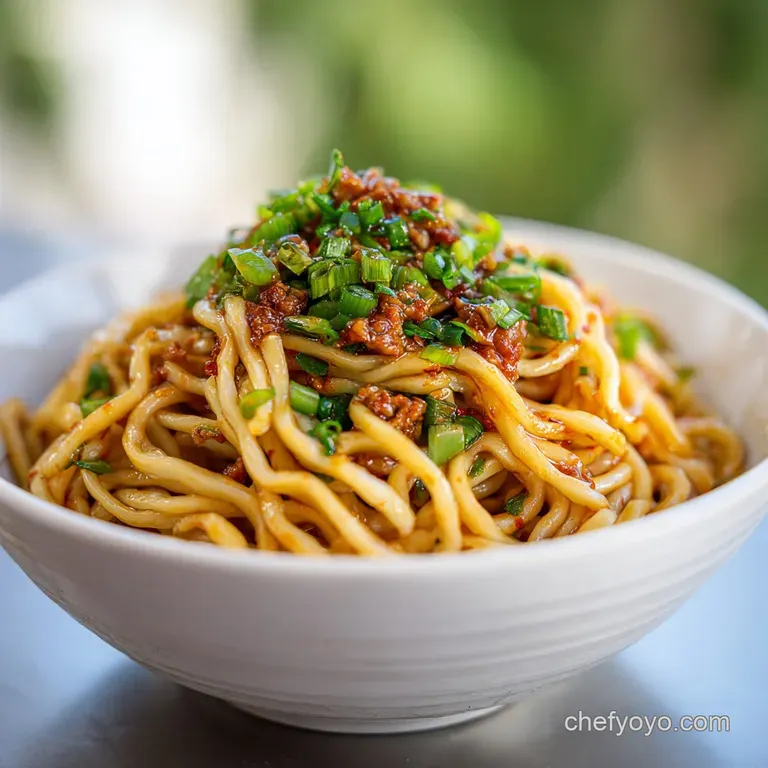
- Time: Active 10 minutes, Passive 10 minutes, Total 20 minutes
- Flavor/Texture Hook: Silky, numbing, and savory
- Perfect for: High energy weeknight dinners or a bold lunch
- Achieve Vibrant Balance with Dan Dan Noodles
- The Science of Sichuan Flavor Layers
- Essential Components for Balanced Umami
- Tools for Noodle House Success
- Layering Flavors from Pan to Plate
- Solving Common Texture and Heat Issues
- Customizing Your Spicy Noodle Bowl
- Debunking Noodle Myths
- Keeping Leftovers Silky and Fresh
- Very High in Sodium
- Recipe FAQs
- 📝 Recipe Card
Achieve Vibrant Balance with Dan Dan Noodles
The first time the scent of toasted Sichuan peppercorns hit my nose in a cramped kitchen, I knew my cooking was about to change forever. There is a specific, electric sizzle that happens when ground pork meets a hot wok, followed by that citrusy, numbing aroma that dances through the air.
It is a sensory overload in the best way possible, promising a bowl that is anything but boring. I used to think I could just throw some chili flakes on noodles and call it a day, but I was so wrong. The real magic is in the layering.
We are talking about a dish that relies on a vibrant fusion of textures. You have the silky, slippery noodles, the crunch of toasted peanuts, and the gritty, savory bits of preserved mustard greens. It is a symphony of mouthfeel.
When you take that first bite, the sesame paste coats your tongue, followed by the slow burn of chili oil and the bright, acidic punch of Chinkiang vinegar. It is a balanced masterpiece that feels like a warm hug and a lightning bolt all at once.
This version is designed for those who crave that noodle house intensity without needing a thousand obscure tools. We are going to focus on the Maillard reaction to get that pork incredibly savory and use a simple emulsification technique to ensure your sauce is velvety rather than oily.
Right then, let's get into why this specific method works so well.
The Science of Sichuan Flavor Layers
- Maillard Mastery: Searing the pork until it is nearly crispy creates melanoidins, which provide the deep, savory "browned" flavor that offsets the sharp vinegar.
- Capscacin Solubility: Mixing the chili oil with warm noodle water helps distribute the heat evenly across the fat and water phases, preventing "greasy" spots.
- Acidic Brightness: Chinkiang vinegar contains complex fermentation byproducts that act as a flavor enhancer, much like salt, making every other ingredient taste more like itself.
- Numbing Chemistry: Hydroxy alpha sanshool in Sichuan peppercorns creates a "paraesthesia" sensation, which actually increases the sensitivity of your taste buds to the other vibrant flavors.
| Fresh Approach | Shortcut Method | Texture Impact | Speed Factor |
|---|---|---|---|
| Hand ground peppercorns | Pre ground powder | Intense numbing, gritty crunch | Adds 5 minutes |
| Fresh wheat noodles | Dried spaghetti | Silky, chewy, starch heavy | Same cook time |
| Sui Mi Ya Cai | Pickled radishes | Deep umami, fermented funk | Harder to find |
Essential Components for Balanced Umami
Selecting the right elements is the difference between a flat bowl and a vibrant fusion experience. You want to look for "Chinkiang" on the vinegar bottle it has a malty, woody profile that regular rice vinegar just can't mimic.
For the noodles, fresh is always king because the surface starch helps the sauce cling to every strand like a velvet glove.
| Ingredient | Science Role | Pro Secret |
|---|---|---|
| Chinese Sesame Paste | Primary Emulsifier | Use toasted paste; it is thicker and nuttier than tahini. |
| Sichuan Peppercorns | Sensory Trigger | Toast them whole then grind for a "fizzing" tongue sensation. |
| Chinkiang Vinegar | pH Balancer | Adds a fermented depth that cuts through the heavy fat of the pork. |
For the sauce base, you will need 2 tbsp Chinese sesame paste and 3 tbsp soy sauce. This creates the salty, nutty foundation. We will brighten it with 2 tbsp Chinkiang black vinegar and 3 tbsp chili oil with sediment (the "crunchy" bits are non negotiable).
To get that signature hum, add 1 tsp toasted Sichuan peppercorns, finely ground, and 1 tsp sugar to round out the edges. Use 0.25 cup hot noodle cooking water to thin it into a pourable silk.
The topping requires 0.5 lb lean ground pork and 2 tbsp Sui Mi Ya Cai (preserved mustard greens). You will also need 1 tbsp Shaoxing wine, 1 tsp dark soy sauce for color, and 1 tbsp neutral oil for frying.
Finally, grab 10 oz fresh wheat noodles, 2 heads baby bok choy (quartered), 2 sliced green onions, and 1 tbsp toasted, crushed peanuts.
Why this? The Sui Mi Ya Cai provides the essential fermented "crunch" that defines the dish's soul.
Tools for Noodle House Success
You don't need a high BTU burner to make this work, but a heavy bottomed skillet or a carbon steel wok is your best friend here. The goal is to keep the heat high enough so the pork fries rather than steams.
A mortar and pestle is also a game changer for the peppercorns; the volatile oils released from freshly crushed seeds are much more vibrant than anything sitting in a jar.
If you are looking for a side that matches this intensity, the technique is similar to the one used in our Garlic Shrimp Crostini recipe where we focus on quick heat and aromatics. A simple spider strainer is also helpful for moving the noodles directly from the water into the bowls, preserving that precious starch.
Layering Flavors from Pan to Plate
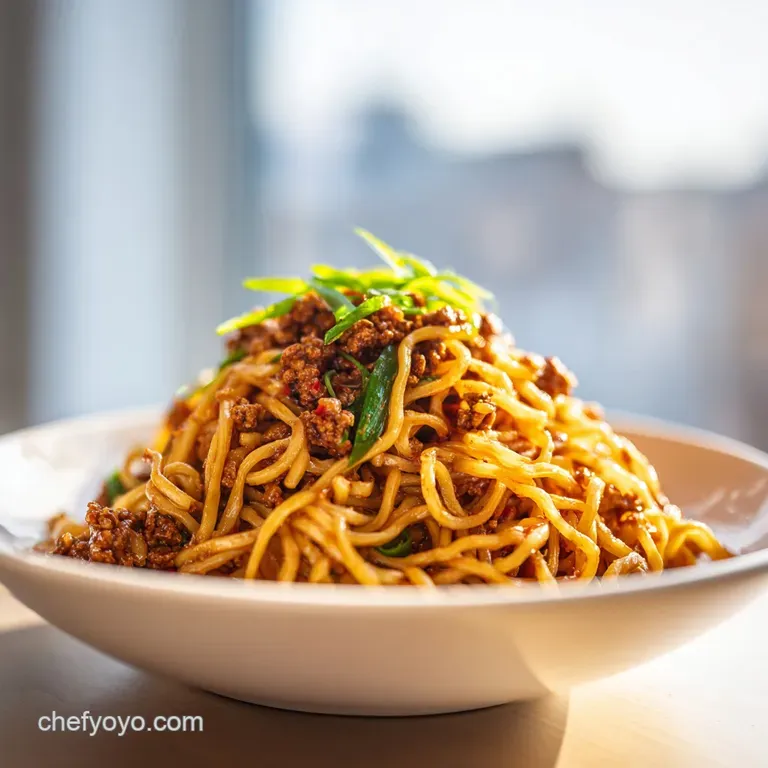
1. Build the Flavor Base
In a small bowl, whisk together the sesame paste, soy sauce, black vinegar, chili oil, ground peppercorns, and sugar. Note: This creates a concentrated paste that will later be loosened by the noodle water.
2. Prepare the Serving Bowls
Divide the sauce concentrate equally between two deep bowls. Add 0.125 cup of hot noodle cooking water to each bowl and stir until the sauce is smooth and emulsified.
3. Sear the Protein
Heat the neutral oil in a skillet over high heat until it begins to shimmer. Add the ground pork, breaking it into small crumbles with a spatula.
4. Deglaze and Season
Once the pork is browned, add the Sui Mi Ya Cai and Shaoxing wine. Cook for 2 minutes until the wine has evaporated and the pork is sizzling.
5. Add Depth
Stir in the dark soy sauce. Continue frying for 1 minute until the pork is deeply mahogany and slightly crispy. Set aside.
6. Cook the Greens
Bring a large pot of water to a boil. Drop the quartered bok choy in for 1 minute until vibrant green but still crunchy, then remove with tongs.
7. Boil the Noodles
In the same water, add the fresh wheat noodles. Cook for about 2-4 minutes (check package) until they are chewy and have lost their raw flour taste.
8. Assemble the Bowl
Lift the noodles out and drop them directly into the sauce filled bowls. Place the bok choy on the side.
9. Top and Garnish
Spoon a generous amount of the pork mixture over the noodles. Sprinkle with sliced green onions and crushed peanuts for a final textural shatter.
Solving Common Texture and Heat Issues
Sometimes the sauce doesn't behave. If you find your sesame paste is sitting in a hard lump at the bottom of the jar, don't panic. It is just the natural oils separating. Give it a vigorous stir, or even a quick blitz in a mini blender, to bring it back to a creamy state.
If the dish feels too heavy, a tiny extra splash of vinegar at the very end can act like a "reset" button for your palate.
My Sauce is Too Thick or Grainy
This usually happens if the sesame paste isn't fully incorporated with the liquid or if the noodle water wasn't hot enough.
| Problem | Root Cause | Solution |
|---|---|---|
| Broken Sauce | Added water too fast | Add water one tablespoon at a time while whisking. |
| Clumped Noodles | Noodles sat too long | Toss with sauce immediately after draining. |
| Dull Flavor | Not enough acid | Add a half teaspoon more Chinkiang vinegar. |
Common Mistakes Checklist
- ✓ Never skip toasting the Sichuan peppercorns; raw ones taste like soap.
- ✓ Don't drain your noodles in a colander and let them sit; they will turn into a brick.
- ✓ Avoid overcooking the pork; you want a "sizzle" and "shatter," not dry pellets.
- ✓ Use the "sediment" from the chili oil jar; that is where the real flavor lives.
- ✓ Check that your sesame paste is 100% toasted sesame seeds, not tahini with lemon.
Customizing Your Spicy Noodle Bowl
If you want to scale this down for one person, simply halve the ingredients. For the pork, you can still cook the full half pound and keep the extra in the fridge for a quick stir fry the next day. When scaling up for a crowd, keep the sauce and the pork topping separate until the moment of serving.
Do not try to boil 2kg of noodles in a small pot; they will release too much starch and become gummy.
- To Scale Down (1 Serving): Use exactly half of all measurements. Cook the noodles in at least 2 liters of water to maintain temperature.
- To Scale Up (4+ Servings): Double the pork and sauce, but boil noodles in batches to ensure they stay "al dente."
- Vegetarian Dan Dan Noodles: Swap the pork for finely minced shiitake mushrooms or firm tofu crumbles. Use a bit more soy sauce to mimic the meat's savory depth.
If you are looking for a milder, creamier profile, you might enjoy the approach in our Garlic Parmesan recipe which trades the chili heat for a silky cheese based emulsion.
Debunking Noodle Myths
One big misconception is that the "red" color in the bowl should come from tomato or paprika. It doesn't. That vibrant hue comes strictly from the chili oil and the dark soy sauce. If your sauce looks pale, you likely haven't used enough chili oil sediment or your dark soy sauce is actually light soy sauce.
Another myth is that this dish is meant to be a soup. It isn't. While there is liquid in the bowl, it should be a thick, clinging sauce. If you find yourself needing a spoon for a clear broth, you've added too much water. It should feel closer to a Chicken and Noodles Recipe in terms of how the sauce coats the protein.
Keeping Leftovers Silky and Fresh
Storage: Keep the meat topping and the sauce in separate airtight containers in the fridge for up to 3 days. I don't recommend storing cooked noodles, as they will soak up all the sauce and turn into mush. If you must, keep them separate and toss with a tiny bit of oil.
Freezing: The cooked pork topping freezes beautifully for up to 2 months. The sauce base (without the noodle water) can also be frozen, though the sesame paste might need a good whisk after thawing to fix the emulsion.
Zero Waste: Don't throw away the green onion ends! Put them in a jar of water on your windowsill to regrow them. If you have leftover bok choy stems, dice them finely and add them to the pork mixture for extra crunch.
Any leftover chili oil can be drizzled over eggs the next morning for a vibrant breakfast.
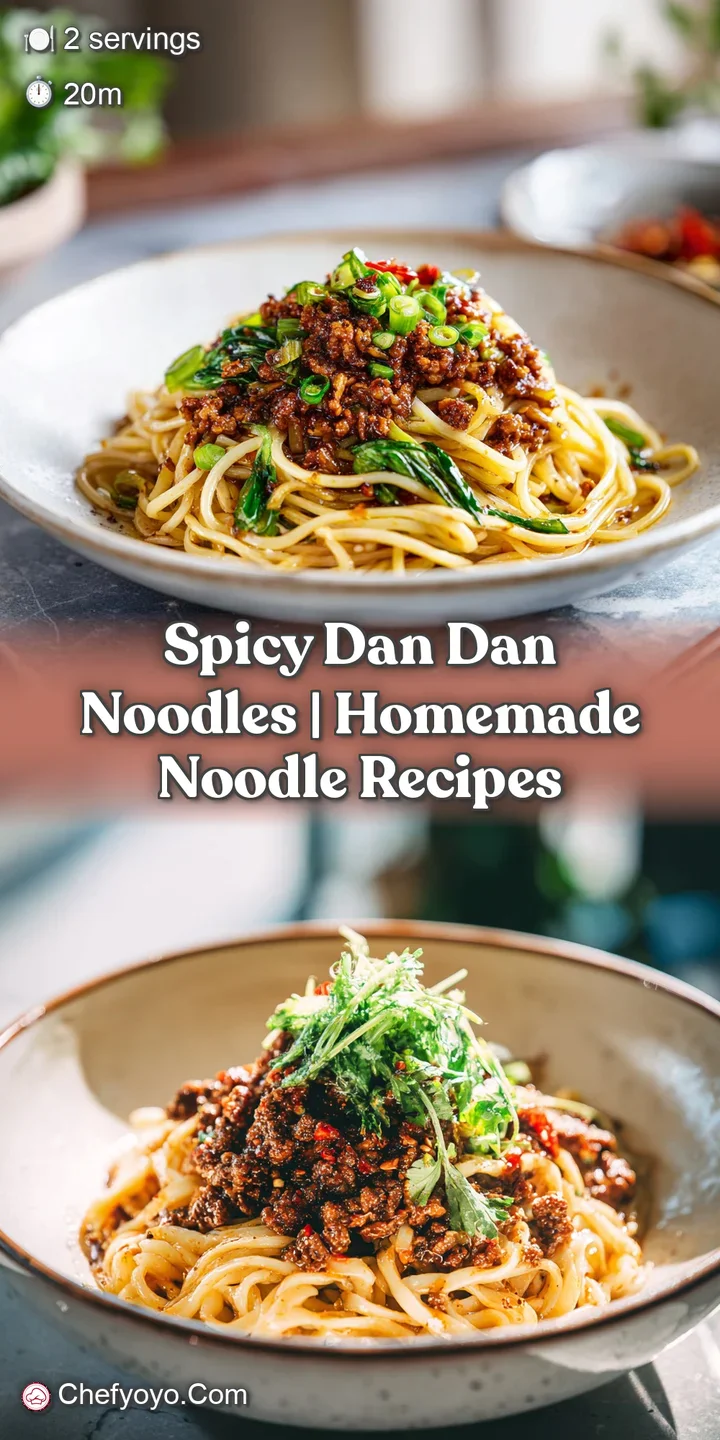
Very High in Sodium
1940 mg mg of sodium per serving (84% of daily value)
The American Heart Association recommends limiting sodium intake to about 2,300mg per day for overall cardiovascular health.
Tips to Reduce Sodium in This Recipe
-
Reduce Soy Sauce-25%
Soy sauce is a major source of sodium. Reduce the amount from 3 tbsp to 1.5 tbsp and consider using a low-sodium soy sauce alternative.
-
Control Chili Oil-15%
Carefully measure and potentially reduce the amount of chili oil used, especially if the sediment is high in sodium. Consider making your own to control the sodium content.
-
Omit or Reduce Sui Mi Ya Cai-15%
Sui Mi Ya Cai (Sichuan preserved vegetable) is very high in sodium. Consider omitting it entirely or significantly reducing the amount used.
-
Limit Dark Soy Sauce-10%
Dark soy sauce contains more sodium than regular soy sauce. Use only 0.5 tsp of dark soy sauce to maintain the color.
-
Noodle Water-5%
Avoid using too much noodle water. If using, make sure it is unsalted, or use fresh water instead.
-
Flavor with Herbs & Spices
Enhance the flavor profile with fresh herbs and spices like ginger, garlic, white pepper, and star anise to compensate for the reduced sodium.
Recipe FAQs
What is a dan dan noodle?
It is a highly flavorful, savory Sichuan street food dish. It typically features wheat noodles tossed in a spicy, complex sauce containing preserved vegetables, chili oil, Sichuan peppercorns, and often a ground meat topping.
What do dan dan noodles taste like?
They taste intensely savory, nutty, and deeply aromatic with a signature numbing sensation. The flavor profile balances saltiness from soy sauce, acidity from black vinegar, heat from chili oil, and the tingling "ma la" effect from the peppercorns.
Why are they called dan dan noodles?
They are named after the pole, or "dan," used by street vendors to carry the ingredients. Vendors balanced baskets containing the noodles, sauce components, and topping on carrying poles across their shoulders.
Is dan dan Chinese or Japanese?
Dan Dan noodles are authentically Chinese. Specifically, they originate from the Sichuan province, famous for its bold, numbing, and spicy cuisine.
Must I use Sichuan peppercorns for authentic flavor?
Yes, for the true experience, they are essential. These peppercorns provide the unique citrusy aroma and the tingling numbing sensation known as mala, which is the defining characteristic of the dish.
How do I ensure my sauce emulsifies instead of separating?
Add hot noodle cooking water slowly to the sauce base while whisking vigorously. The starch in the water acts as a binder, helping the fats and liquids merge into a silky coating.
Can I make a milder version without compromising the depth of flavor?
Yes, reduce the chili oil and skip adding extra dried chili flakes. You can substitute the chili for a richer savory base, similar to the technique used to deepen flavor in our Creamy Milk Alfredo Sauce recipe, by focusing on toasted sesame paste and dark soy.
Dan Dan Noodles In 20 Min
Ingredients:
Instructions:
Nutrition Facts:
| Calories | 912 kcal |
|---|---|
| Protein | 37.5 g |
| Fat | 56.4 g |
| Carbs | 64.2 g |
| Fiber | 4.8 g |
| Sugar | 5.2 g |
| Sodium | 1940 mg |
