Gumbo: Deep South Chicken and Sausage Classic
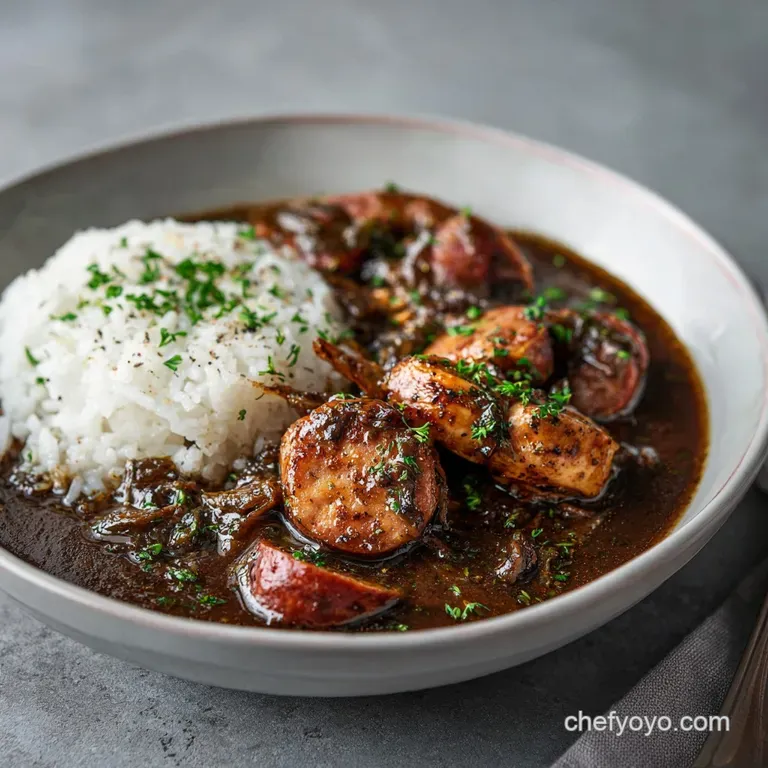
- The Ultimate Dark Roux Chicken and Andouille Sausage Gumbo
- The Alchemy of Cajun Cooking: Mastering the Dark Roux
- Essential Components for Your Deep South Meal
- The Method: Step-by-Step Guide to Cooking Gumbo
- Achieving Culinary Depth: Why This Recipe Works
- Troubleshooting and Expert Secrets
- Preservation: Storing Your Homemade Stew
- Traditional Pairings and Serving Your Hearty Meal
- Recipe FAQs
- 📝 Recipe Card
The Ultimate Dark Roux Chicken and Andouille Sausage Gumbo
The moment that dark, rich, almost chocolate colored roux hits the diced vegetables, you know you're making real Gumbo. That deep, smoky, nutty scent is pure magic; it’s the smell of Louisiana cooking right in your own kitchen. Forget the watery, pale versions you sometimes find outside the Deep South.
We are aiming for a stew thick, satisfying, and totally transformative. This is the Gumbo experience you’ve been dreaming about.
I know what you're thinking: isn't Gumbo incredibly hard? Honestly, no. It requires patience, maybe a little elbow grease, and definitely a heavy bottomed pot, but it’s not complicated.
The effort is completely front loaded into making that perfect dark roux, and once that foundation is solid, the rest is just glorious simmering. Plus, this recipe makes a huge batch, which means guaranteed leftovers that taste even better the next day. Talk about a culinary lifesaver!
Ready to ditch those instant seasoning packets and build flavor the right way? We're going to break down every step, focusing on the real world tricks I learned the hard way (yes, I have absolutely burned a roux before, and it smells like despair).
Let's crack on and make an unbelievably flavorful bowl of homemade Gumbo .
The Alchemy of Cajun Cooking: Mastering the Dark Roux
What Makes This Authentic Louisiana Recipe So Special?
This isn't just a basic chicken stew. This Gumbo recipe uses the darkest roux possible without burning, giving it a profound umami flavor that provides a gorgeous backdrop for the spicy Andouille sausage.
The color should be like rich milk chocolate or an old copper penny; anything lighter, and you missed out on the flavor development. We achieve that deep color through slow, consistent stirring and careful temperature control no rushing allowed here.
It’s a slow food masterpiece, built for maximum coziness.
Decoding the Trinity: Onion, Celery, and Bell Pepper
The Holy Trinity is the foundation of Cajun cooking. Onion, celery, and bell pepper provide the aromatic base and essential moisture for our Gumbo. But there’s a trick to how we use them here. Instead of sautéing them first, we dump them straight into the hot, finished roux. Why?
The moisture from the chilled vegetables immediately cools down the incredibly hot fat/flour mixture, halting the cooking process instantly. This saves your beautiful dark roux from burning and gives you time to breathe before adding the stock.
The Difference Between Gumbo and Jambalaya
This is a classic rookie mistake, but it’s an easy distinction. A Gumbo is essentially a thick, savory stew that is served over rice. You ladle the flavorful broth, meat, and vegetables into a bowl, then spoon rice on top.
Jambalaya, on the other hand, is a rice dish where the rice is cooked in the pot with the broth, absorbing all the liquid and flavors as it cooks. Both are fantastic, but they are structurally different meals. This recipe is all about that deep, brothy bowl of Gumbo magic.
Essential Components for Your Deep South Meal
Detailed Breakdown of Meats: Chicken Thighs vs. Andouille
For this particular Gumbo , we use two crucial proteins. The Andouille sausage is non-negotiable for that smoky, spicy punch. Make sure you use actual smoked Andouille; it needs to be the good stuff.
We slice it up and render the fat first, pulling out the solids but leaving that delicious smoky fat behind to enrich the roux. We use boneless, skinless chicken thighs because they are designed for long, slow cooking.
Unlike dry chicken breast, thighs retain moisture and essentially fall apart into tender shreds during the long simmer.
The Role of Minced Garlic in the Broth
While some recipes call for roasted garlic paste, we’re using fresh minced garlic in this easy Gumbo recipe . It’s introduced right after the Holy Trinity has softened in the roux.
Adding the garlic and spices (thyme, paprika, cayenne) at this stage lets them "bloom" in the hot oil for about sixty seconds before the liquid goes in. This quick bloom activates the oils in the spices, preventing that raw spice flavor and delivering a deeper, more rounded finish to the final Gumbo.
Selecting the Right Oil for Your Dark Roux
Listen up, this is a major warning! Do not use butter. Butter has milk solids, and those solids burn long before you get the flour dark enough. We need a neutral, high smoke point fat, like vegetable oil, canola oil, or even good old lard if you have it.
The secret to the most beautiful dark roux for a proper Gumbo is consistent heat, and that requires fat that can handle 350°F (175°C) without smoking or scorching.
Emergency Substitutions for Filé Powder
Filé powder is ground sassafras leaves; it's a traditional Native American thickener and adds a specific earthy, almost lemony flavor. Often, it's sprinkled on the finished Gumbo at the table, not cooked into the broth. If you can't find it, don't panic!
Your Gumbo will still be absolutely delicious because the roux provides all the necessary thickening power. If you truly want a substitution, try a touch of powdered thyme or a tiny bit of liquid smoke, but honestly, skipping it entirely is the best move if you can't source the real thing.
| Ingredient | Substitution | Why it Works |
|---|---|---|
| Andouille Sausage | Smoked Kielbasa or Chorizo | Provides necessary smoke and fat, adjust cayenne as needed. |
| Chicken Thighs | Boneless Pork Shoulder (diced) | Holds up beautifully during the long simmer. |
| Chicken Stock | Vegetable Stock (for vegetarian) | Still provides depth, though flavor won't be as rich. |
| Filé Powder | Skip it entirely | The dark roux provides sufficient thickening. |
The Method: step-by-step Guide to Cooking Gumbo
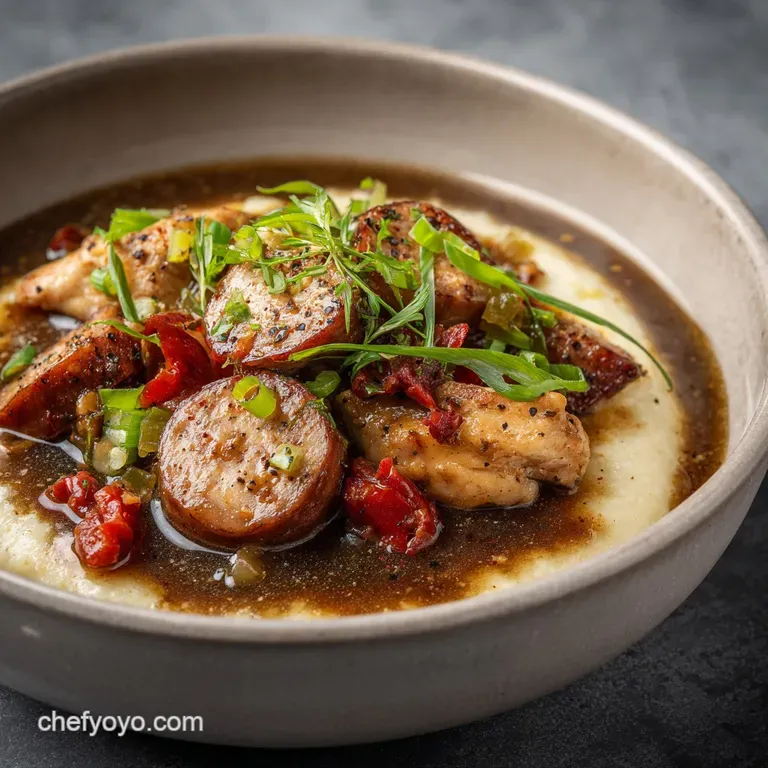
Phase 1: The Critical 45 Minutes of Roux Development
This is where the magic (and the workout) happens. Get your oil and flour measured, put on a podcast, and commit to the stirring. The heat should be medium low. Whisk the fat and flour until smooth. You need to stir constantly , scraping the bottom and sides to ensure nothing sticks and burns.
The roux will change color gradually from pale, sandy blonde to peanut butter, then copper, and finally, a rich, dark mahogany, like melted milk chocolate. The darker the roux, the deeper the flavor of your Gumbo. If you smell burning, it is scorched, and you must dump it and start over.
Trust me, burnt flavor permeates everything.
Phase 2: Sautéing the Holy Trinity and Deglazing
Once your roux is perfect (mahogany color achieved!), immediately toss in the diced onion, celery, and bell pepper. Listen for the sizzle; that's the moisture cooling the roux down. Stir continuously for 5– 7 minutes until the vegetables soften and start to wilt.
This releases incredible flavor into the roux. Now, add your garlic, smoked paprika, thyme, and cayenne. Cook for just one minute until fragrant don't let the garlic scorch!
Phase 3: The Low Simmer and Flavor Marriage
Pour in the chicken stock very slowly, whisking as you go. The mixture will seize up and look scary thick, but keep adding liquid until the base is smooth. Add the reserved Andouille, the raw seasoned chicken pieces, bay leaves, and Worcestershire.
Bring the Gumbo up to a rolling boil, then immediately reduce the heat to the lowest possible simmer. Partially cover the pot, letting some steam escape. Let this simmer gently for a minimum of 75 minutes, or up to 2 hours.
Testing for Proper Consistency and Seasoning
After the long simmer, the chicken will be fork tender, and the broth will have thickened beautifully from the roux. It should coat the back of a spoon lightly. Remove the bay leaves now you don’t want to serve those!
This is the most important part of cooking any Cajun Gumbo recipe : tasting and adjusting. You will need more salt than you think. Start small, taste, add more. If it needs a little punch, a few dashes of hot sauce or another teaspoon of Worcestershire will wake it right up.
Achieving Culinary Depth: Why This Recipe Works
This Chicken and Sausage Gumbo works because we treat the roux not as a thickener, but as an ingredient unto itself. We pushed the cooking time on the roux right to the edge, developing those deep, caramel, smoky notes that simply cannot be replicated with a light roux.
By adding the stock slowly, we prevent lumps, ensuring a silky, rich base. The long, low simmer ensures the cheap cuts of chicken thigh break down beautifully and release their flavor into the broth, creating a cohesive, deeply satisfying whole.
Chef’s Note: Never add fresh herbs (like parsley or green onions) during the long simmer. They’ll lose their brightness. They are reserved exclusively for the garnish, added right before serving, ensuring a fresh, vibrant contrast to the heavy, dark stew.
Troubleshooting and Expert Secrets
The Maillard Reaction: Unlocking Umami in the Roux
When you’re staring at that pot for 45 minutes, remember you’re encouraging the Maillard reaction. This is the chemical process of amino acids reacting with reducing sugars, creating hundreds of different flavor compounds.
That deep color change in the flour isn't just browning; it's flavor complexity being built molecule by molecule. It’s why this homemade Gumbo tastes so much deeper than canned varieties.
Building Flavor Layers: Timing the Protein Additions
The timing is critical. We render the sausage first to get that essential smoky fat. The chicken goes in raw with the broth so it can slowly braise and break down, enriching the liquid.
If you were making a true Seafood Gumbo recipe instead, you would add the raw shrimp in the last ten minutes of cooking, ensuring it stays tender and doesn't get rubbery. Everything has its moment in the pot.
Avoiding a Scorched Roux: Temperature Control
If you only take one piece of advice today, let it be this: use a heavy bottomed Dutch oven . Thin pots heat unevenly, which means you’ll have hotspots that scorch the roux even while the rest of the mixture is fine.
The thick walls of a Dutch oven retain and distribute heat consistently across the entire base, making the 45 minute stirring session significantly less stressful. It's the only way to guarantee a perfect Gumbo roux recipe .
Why Your Dish Tastes Bland (And How to Fix It)
Blandness in Gumbo usually boils down to two things: undersalted stock or failure to season at the end. I prefer low-sodium stock so I control the final salinity. Once the simmer is done, taste it. Does it feel flat? Add salt. Does it need heat? Cayenne and hot sauce. Does it need depth? A dash more Worcestershire.
Don't be afraid to season aggressively; this is a hearty stew designed to stand up to rice.
Preservation: Storing Your Homemade Stew
Safely Refrigerating and Reheating Leftovers
Gumbo keeps beautifully! Place cooled leftovers in an airtight container in the fridge for up to 4 days. When reheating, do it slowly on the stovetop over low heat. If you reheat it too fast, the roux and fat can separate slightly. Just bring it gently up to temperature, stirring occasionally.
This is one of the few dishes where the flavors meld and deepen overnight, making the next day’s lunch even better than dinner.
The Freezer Effect: Maintaining Texture After Thawing
Yes, you can absolutely freeze Gumbo, which is great because this recipe yields a ton! Freeze it in portion sized containers without the rice. The roux acts as a wonderful stabilizer, preventing separation. Thaw the frozen Gumbo overnight in the refrigerator, and then reheat as instructed above.
This Chicken and Sausage Gumbo freezes much better than some seafood versions, staying thick and rich without texture loss.
Traditional Pairings and Serving Your Hearty Meal
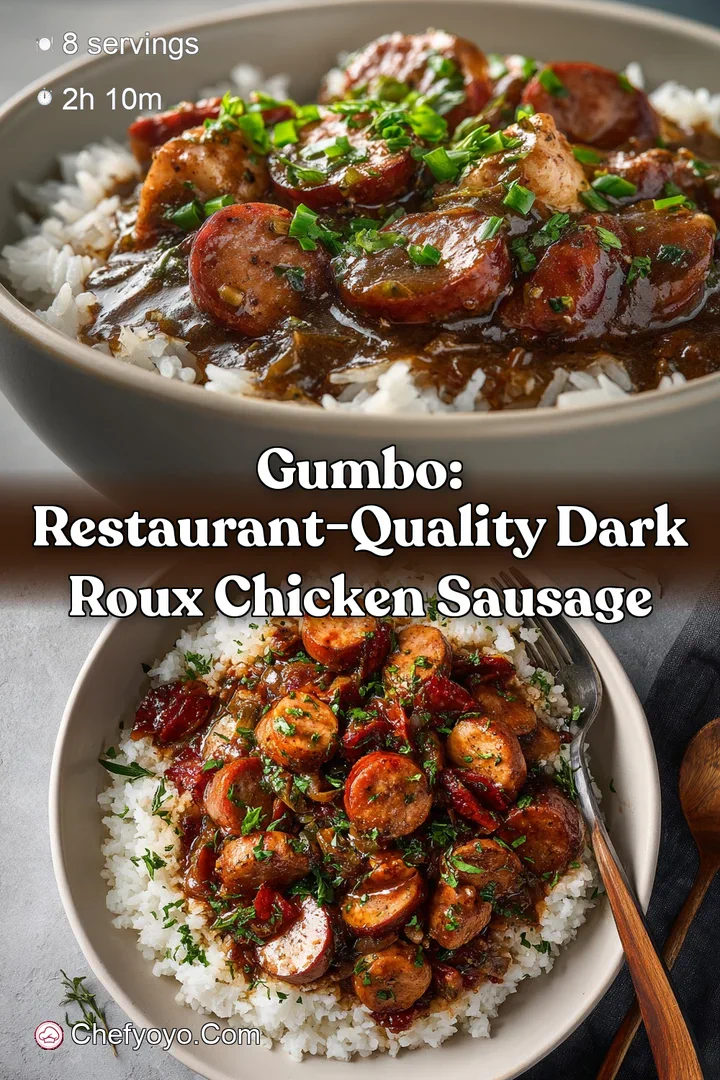
A perfect bowl of Gumbo requires simplicity in its serving. Always start with a scoop of steaming hot, fluffy long grain white rice in the bowl. Ladle the rich stew over the top, making sure everyone gets a good mix of chicken and sausage.
For the traditional finishing touches, set out the garnishes: fresh chopped parsley, thinly sliced green onions, and hot sauce. If you managed to source some, a little container of Filé powder should be placed on the side for people to sprinkle over their bowls it adds thickness and aroma when stirred into the hot stew. Serve it with a simple slice of crusty French bread to soak up every last drop. If you're really interested in regional specialties, you might want to try my My Louisiana Green Gumbo Is a Louisiana Tradition next! It's an entirely different style of Gumbo , but equally satisfying.
Recipe FAQs
What temperature should I cook my roux at, and what should I do if it burns?
The roux should be cooked over medium low to medium heat, requiring constant stirring for 30 45 minutes to achieve the dark, chocolate brown color necessary for authentic Gumbo.
If the roux burns, even slightly (you see black specks), it must be discarded immediately and started over, as burnt flour imparts an irredeemable bitter flavor to the entire dish.
I can't find filé powder. Can I skip it, or is there a substitute?
Filé powder (ground sassafras leaves) is traditionally used as both a seasoning and a thickener, typically added at the table, not during cooking. If you cannot find it, simply omit it; the Gumbo will still be flavorful due to the dark roux and stock base.
Do not attempt to use cornstarch or flour as a replacement for filé, as they will fundamentally alter the desired texture of the Gumbo.
How long does Gumbo last, and can I freeze leftovers?
Gumbo is known to taste even better the day after preparation, and it can be stored tightly covered in the refrigerator for up to 4 days. Yes, Gumbo freezes beautifully; store it without the cooked rice in airtight containers for up to 4 months.
When ready to serve, thaw overnight in the refrigerator and reheat gently on the stovetop until simmering.
My Gumbo tastes slightly greasy or oily. How can I fix this?
Excess oil often rises to the surface if the roux was not fully incorporated into the stock or if too much fat rendered from the sausage. To remedy this, simply use a shallow ladle or spoon to skim the excess oil off the surface of the simmering liquid.
If you refrigerate the gumbo overnight, the fat will solidify into a disk, making it very easy to lift and remove before reheating.
What is the optimal thickness for Gumbo? Mine seems a little too thin.
Gumbo should be thick and hearty, definitely not watery, with a viscosity that heavily coats the back of a spoon. If yours is too thin, partially remove the lid and allow the gumbo to simmer uncovered for an extra 15 to 20 minutes to allow natural reduction.
Alternatively, you can create a small slurry of cornstarch and cold water and stir it in slowly to achieve the desired consistency.
Can I add seafood (like shrimp or crab) to this chicken and sausage recipe?
Yes, you can easily turn this into a “Chicken, Sausage, and Seafood” Gumbo, but timing is crucial. Add raw shrimp only in the final 5 to 7 minutes of cooking until they turn pink and opaque, and only add pre-cooked crab meat in the last few minutes to heat through.
If you add the seafood too early, it will become tough and rubbery.
I want to increase the heat. What is the best way to make the Gumbo spicier?
The easiest way to increase heat is to double the amount of cayenne pepper called for in the recipe or include a tablespoon of hot sauce (like Crystal or Tabasco) alongside the stock.
For sustained heat, you can add 1 to 2 finely chopped jalapeños or serrano peppers to the "holy trinity" mixture while sautéing. Remember, Gumbo is traditionally served with hot sauce on the side for individual adjustments.
Dark Roux Chicken Gumbo Recipe
Ingredients:
Instructions:
Nutrition Facts:
| Calories | 550 kcal |
|---|---|
| Fat | 35 g |
| Fiber | 3 g |
