Dump and Bake Meatball Casserole Recipe
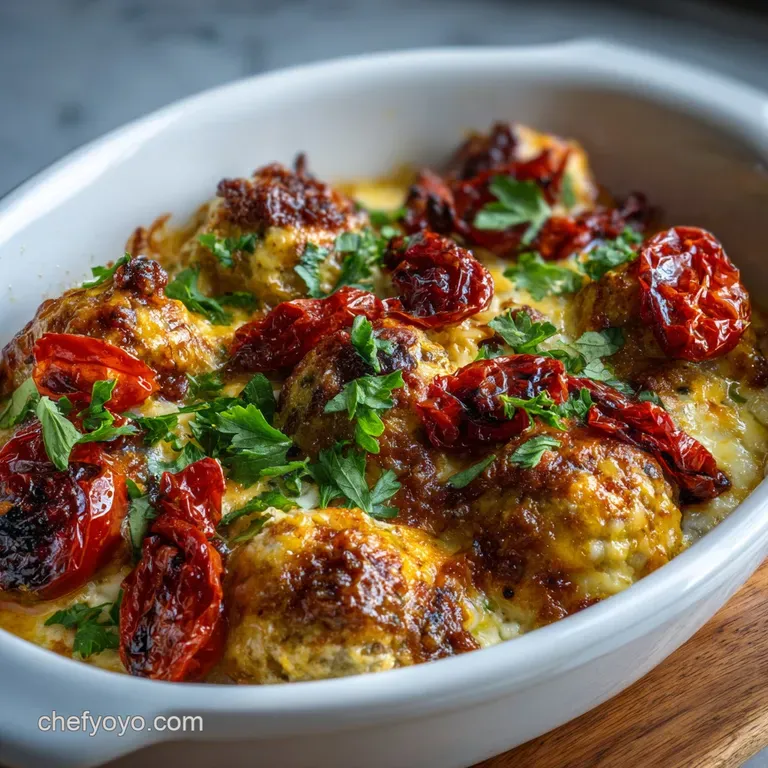
- Time: Active 5 mins, Passive 45 mins, Total 50 mins
- Flavor/Texture Hook: Velvety tomato sauce with molten mozzarella
- Perfect for: Stressful weeknights or feeding a hungry crowd
- Making the Dump and Bake Meatball Casserole Recipe
- The Physics of the Steam Bath
- Essential Recipe Specifications
- Components and Potential Substitutions
- Required Kitchen Equipment
- The Step-by-Step Cooking Process
- Pro Tips and Common Pitfalls
- Flavor Variations and Swaps
- Storing and Keeping Fresh
- Serving and Presentation Ideas
- Debunking Casserole Myths
- Very High in Sodium
- Recipe FAQs
- 📝 Recipe Card
Making the Dump and Bake Meatball Casserole Recipe
Picture this: you walk through the door after a long day, the kids are asking what is for dinner, and your energy is at an absolute zero. I have been there more times than I can count.
Last Tuesday, I stood in my kitchen staring at a bag of frozen meatballs and a box of pasta, wondering if I could just throw them together without the whole "boiling water" ritual. I took a leap of faith, dumped it all into a 9x13 dish, and hoped for the best.
The result was a total winner. As the oven did the heavy lifting, the house started smelling like a cozy Italian trattoria that specific mix of toasted garlic and sweet tomato that makes you instantly hungry.
When I pulled it out, the cheese was bubbling and bronzed, and the pasta had soaked up every bit of the savory beef broth. It was better than the traditional method because the pasta actually tasted like the sauce, not just flour and water.
We are going for a contemporary approach to comfort here. Forget the standing over a steaming pot and the three different dirty bowls. This method is about smart cooking, using the physics of steam to do the work for you.
You are going to get tender meatballs, perfectly al dente pasta, and a sauce that clings to every curve. Let's get into how this magic actually happens in your oven.
The Physics of the Steam Bath
Starch Gelatinization: By cooking the dry pasta directly in the sauce and broth, the starch stays in the pan, creating a naturally velvety sauce that binds perfectly to the noodles.
Convection Cooking: Covering the dish tightly with foil creates a high pressure steam environment that hydrates the pasta evenly while thawing the meatballs simultaneously.
| Servings | Ingredient Adjustments | Pan Size | Cook Time |
|---|---|---|---|
| 4 people | 8 oz pasta, 12 oz meatballs | 8x8 square | 40 mins |
| 8 people | 16 oz pasta, 24 oz meatballs | 9x13 rectangle | 45 mins |
| 12 people | 24 oz pasta, 36 oz meatballs | Two 9x13 pans | 50 mins |
This serving guide ensures you don't end up with a soggy mess or a dry tray. If you are feeding a smaller crew, cutting everything in half works like a charm, but trust me, the leftovers of this dump and bake meatball casserole recipe are even better the next day after the flavors have had a chance to mingle.
Hydrating the Starch Efficiently
The biggest worry people have is crunchy pasta. The trick is the ratio of liquid to solids. Since we aren't draining the water, every drop of beef broth and marinara is absorbed by the penne. You need just enough liquid to submerge the noodles without turning the whole thing into soup.
Managing Moisture with Steam
Tight foil is your best friend here. If the steam escapes, your pasta stays hard. I always double wrap the edges of my baking dish to ensure a complete seal. This traps the moisture, allowing the meatballs to release their juices directly into the sauce.
Optimizing the Protein Finish
We use frozen meatballs because they act as little ice cubes that slowly release moisture as they thaw, keeping the pasta from overcooking too quickly. By the time the pasta is tender, the meatballs have reached a safe, juicy internal temperature.
| Component | Science Role | Pro Secret |
|---|---|---|
| Beef Broth | Hydration Agent | Use low sodium to control the salt concentration during evaporation. |
| Marinara Sauce | Acid & Viscosity | The acidity balances the fat in the meatballs; look for low sugar to prevent scorching. |
| Mozzarella | Emulsified Fat | Freshly shredded melts better because it lacks the starchy anti caking agents in pre bagged versions. |
Essential Recipe Specifications
Getting the numbers right is the difference between a masterpiece and a mistake. We are looking for that specific moment where the sauce has thickened just enough to coat the back of a spoon, and the cheese has developed those beautiful mahogany spots from the broiler.
I learned the hard way that using a pan that is too small leads to uneven cooking. If the pasta is piled three inches deep, the middle will stay raw while the edges turn to mush. Spread it out, give those meatballs some breathing room, and let the liquid circulate.
Chef Tip: For a contemporary twist, I like to toss a rind of Parmesan cheese into the liquid before baking. It dissolves slightly, adding a massive punch of umami that you just can't get from the shaker bottle.
Components and Potential Substitutions
- 16 oz dry penne or rotini pasta: Why this? Ridged pasta shapes grab the sauce better than smooth ones.
- 24 oz lean frozen meatballs: Why this? They provide consistent fat content and hold their shape during the long bake.
- 24 oz low sugar marinara sauce: Why this? High sugar sauces can caramelize too fast and taste cloying.
- 2 cups low sodium beef broth: Why this? Adds more depth than water without making the dish overly salty.
- 1 tsp garlic powder: Why this? Distributes more evenly than fresh garlic in a dump style bake.
- 1 tbsp Italian seasoning: Why this? A quick way to hit all the herbal notes of oregano, basil, and thyme.
- 1/4 tsp red pepper flakes: Why this? Just enough heat to cut through the richness of the cheese.
- 2 cups shredded part skim mozzarella cheese: Why this? Provides that classic "cheese pull" without being excessively greasy.
- 1/2 cup freshly grated parmesan cheese: Why this? Adds a salty, sharp finish that balances the sweet marinara.
| Original Ingredient | Substitute | Why It Works |
|---|---|---|
| Beef Broth | Vegetable Broth | Lighter flavor profile but provides the same hydration for the pasta. |
| Penne Pasta | Fusilli | Similar surface area and cook time. Note: Avoid thin shapes like angel hair. |
| Frozen Meatballs | Turkey Meatballs | Leaner option. Note: May need 5 mins less cook time to avoid drying out. |
While we are talking about meatballs, if you have the time on a weekend, you might want to try making a batch of Homemade Meatballs The recipe to freeze for later. They bring a level of craft that pre packaged versions sometimes miss.
Required Kitchen Equipment
You don't need a pantry full of gadgets for this. A standard 9x13 inch baking dish is your canvas. I prefer glass or ceramic because they hold heat evenly, which is vital for that consistent pasta texture we are chasing.
A sturdy piece of heavy duty aluminum foil is also non negotiable. If you use the thin stuff, it might tear, letting the steam escape and leaving you with crunchy noodles. I also keep a meat thermometer handy hitting that 165°F mark for the meatballs ensures everything is safe and juicy.
Finally, a good box grater makes a world of difference. Shredding your own mozzarella takes about two minutes but results in a much smoother melt. Pre shredded cheese is coated in potato starch to keep it from clumping in the bag, which can make your casserole top look a bit chalky.
The step-by-step Cooking Process
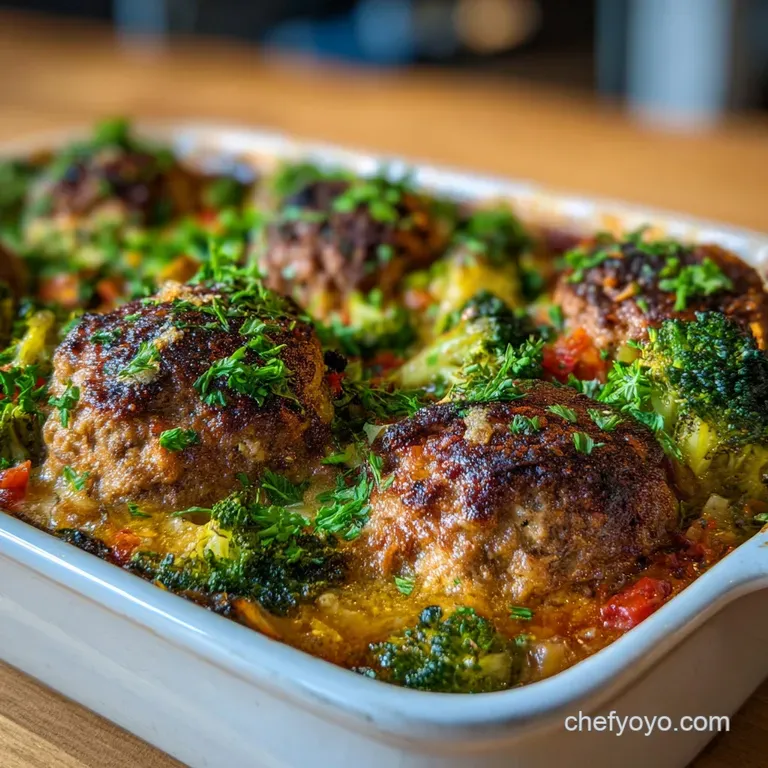
1. Combining the Foundations
Preheat your oven to 400°F. In your 9x13 baking dish, pour in the 16 oz of dry pasta, 24 oz of marinara sauce, 2 cups of beef broth, and all your spices. Stir it well until every piece of pasta is coated in liquid.
Note: Dry spots on the pasta will lead to hard bits after baking.
2. Nestling the Protein
Add the 24 oz of frozen meatballs to the dish. Use a spoon to push them down into the liquid so they are at least halfway submerged. You should see the herbs from the Italian seasoning floating on the surface, smelling faintly of dried thyme and garlic.
3. Executing the Steam Phase
Cover the dish tightly with aluminum foil. Seal the edges well. Place it in the center of the oven and bake for 35 minutes. You will start to smell the sweet aroma of bubbling tomato sauce about halfway through.
4. Checking the Texture
Remove the dish from the oven and carefully peel back the foil watch out for the steam! Give the pasta a quick stir. The noodles should be tender but still have a slight bite.
5. The Cheesy Layer
Sprinkle the 2 cups of mozzarella and 1/2 cup of parmesan evenly over the top. Do not skimp on the edges; that is where the crispy bits happen.
6. Creating the Mahogany Crust
Return the dish to the oven, uncovered. Bake for another 10 to 15 minutes until the cheese is melted and shows golden brown spots.
7. The Sizzle Check
If you want a little extra crunch, turn on the broiler for the last 2 minutes. Watch it like a hawk! You want the cheese to sizzle and "shatter" slightly when you cut into it, not burn.
8. The Rest Period
Remove from the oven and let it sit for 5 to 10 minutes. Note: This allows the sauce to thicken and the pasta to finish absorbing the remaining liquid.
Pro Tips and Common Pitfalls
One mistake I once made was using a "no boil" noodle thinking it would be better. Honestly, don't even bother. Standard dry pasta works perfectly because it has enough structure to withstand the long bake without turning into mush. The starch released from regular pasta is actually what makes the sauce creamy.
But what about the sogginess? If you find your casserole is a bit watery when you pull the foil off, don't panic. That extra 10 minutes of uncovered baking time is designed to evaporate the excess moisture.
If you notice it is very liquidy, just leave the cheese off for five minutes of that time to let more steam escape, then add the cheese for the final stretch.
Preventing the Soggy Bottom
If you over measure the broth, the pasta will lose its shape. Use a liquid measuring cup for precision. 2 cups means 2 cups, not "two big splashes."
Achieving the Perfect Melt
If your cheese isn't browning, it might be too cold. I like to take my mozzarella out of the fridge when I start the oven so it is closer to room temperature when it hits the hot pasta.
Troubleshooting Table
| Problem | Root Cause | Solution |
|---|---|---|
| Crunchy Pasta | Not enough liquid or loose foil. | Add 1/4 cup hot broth and bake covered for 10 more mins. |
| Greasy Sauce | High fat meatballs. | Blot excess oil with a paper towel before adding cheese. |
| Bland Flavor | Low quality marinara. | Stir in a teaspoon of balsamic vinegar or sugar before baking. |
Common Mistakes Checklist ✓ Ensure the foil seal is airtight to trap steam for the pasta. ✓ Stir the pasta and sauce thoroughly before baking to prevent clumping. ✓ Use a 9x13 pan to ensure the pasta is in a relatively shallow layer.
✓ Don't skip the resting time; it is crucial for the sauce consistency. ✓ Check the internal temp of meatballs to ensure they reach 165°F.
Flavor Variations and Swaps
This dump and bake meatball casserole recipe is basically a blank canvas. If you are feeling adventurous, you can easily pivot the flavor profile. Sometimes I add a bag of fresh baby spinach under the cheese layer; it wilts perfectly in the residual heat and adds a nice pop of color and nutrition.
The Flavor Infusion
If you want a more contemporary "Viking" or smoky vibe, try swapping the Italian seasoning for smoked paprika and using a spicy arrabbiata sauce instead of plain marinara. It changes the whole personality of the dish without any extra effort.
Boosting Fiber Naturally
You can use whole grain penne, but keep in mind it usually requires about 1/2 cup more liquid and an extra 5 to 10 minutes of baking time. The texture will be slightly heartier, which pairs well with turkey meatballs.
| Feature | Fast (This Recipe) | Classic (Stovetop) |
|---|---|---|
| Active Labor | 5 minutes | 30 minutes |
| Dishes Used | 1 Baking dish | 1 Pot, 1 Skillet, 1 Colander |
| Pasta Texture | Infused with sauce | Coated in sauce |
If you enjoy the convenience of this style of cooking, you might also love the Green Bean Casserole recipe which uses similar one pan logic for a side dish.
Storing and Keeping Fresh
Leftovers of this casserole are a gift. In fact, some people in my house claim it tastes better on Wednesday than it did on Tuesday. The pasta continues to absorb the nuances of the sauce, making it incredibly flavorful.
- Storage
- Keep leftovers in an airtight container in the fridge for up to 4 days.
- Freezing
- This dish freezes beautifully. You can freeze the entire assembled (but unbaked) casserole for up to 3 months. Just thaw it in the fridge overnight before baking as directed.
- Zero Waste
- If you have a few meatballs left but no pasta, crush them up and use them as a topping for a quick French bread pizza the next day. Any leftover marinara in the jar can be swirled into a morning shakshuka.
When reheating, add a tiny splash of water or broth before microwaving. This creates a little steam that revives the pasta and prevents the cheese from getting rubbery.
Serving and Presentation Ideas
To keep things contemporary and fresh, I love serving this with a bright, acidic side. A simple arugula salad with lemon vinaigrette cuts right through the richness of the meatballs and mozzarella. It provides a crisp "shatter" of texture that balances the velvety pasta.
If you are serving this for a casual dinner party, don't bother plating it in the kitchen. Bring the whole 9x13 dish to the table. There is something so comforting about seeing that big tray of bubbling cheese.
Garnish with a handful of fresh torn basil leaves right before serving the heat from the cheese will release the basil's aroma, making the whole table smell incredible.
For those who love a bit of variety in their pasta bakes, you could also look into The Creamy Homemade recipe for a different take on the "no soup" casserole style.
- 1. Weight
- Use exactly 16 oz of dry pasta; too much will soak up all the sauce and leave the dish dry.
- 2. Temperature
- Ensure meatballs hit 165°F internally for safety and the best texture.
- 3. Resting
- A full 10 minute rest after baking is mandatory for the sauce to set.
Decision Shortcut: If you want a crispy topping, mix 1/2 cup panko breadcrumbs with the parmesan cheese. If you want a creamy sauce, stir in 4 oz of room temperature cream cheese before adding the meatballs.
If you want it spicier, increase the red pepper flakes to 1 teaspoon and use a "hot" Italian spice blend.
Debunking Casserole Myths
One major myth is that you have to boil pasta before baking it to get the right texture. That is simply not true. As long as you have the correct ratio of liquid and a tight seal on your pan, the oven acts as a giant steamer.
Pre boiling often leads to mushy pasta in the final bake because the noodles over absorb moisture during the second cook.
Another misconception is that frozen meatballs are "cheating" and won't taste good. Modern high-quality frozen meatballs are often flash frozen at peak freshness. When they simmer in the marinara and beef broth inside the oven, they absorb those flavors, making them taste just as good as many homemade versions, but with a fraction of the work.
Trust the process, and let the oven do its thing!
Very High in Sodium
1265 mg mg of sodium per serving (55% % of daily value)
The American Heart Association recommends limiting sodium intake to about 2,300mg per day.
Tips to Reduce Sodium in Your Baked Pasta
-
Broth Swap-30%
Use no-sodium added beef broth instead of regular low-sodium broth. This can significantly cut down on the sodium content without sacrificing flavor.
-
Meatball Makeover-25%
Opt for homemade meatballs using lean ground beef or turkey and sodium free seasonings, or find frozen meatballs labeled 'no salt added'. This significantly reduces processed sodium.
-
Sauce Selection-20%
Look for marinara sauce that is specifically labeled 'no salt added'. Alternatively, make your own marinara sauce from scratch to control the sodium content.
-
Cheese Choice-15%
Use low-sodium mozzarella cheese and reduce the amount of parmesan cheese, as it is naturally high in sodium. Consider alternatives like ricotta salata in smaller quantities.
-
Herb Power
Enhance the flavor with a variety of fresh or dried herbs and spices. Experiment with basil, oregano, thyme, and black pepper to boost the taste without adding salt.
Recipe FAQs
Can you cook meatballs in a casserole dish?
Yes, absolutely. Meatballs are excellent baked in a casserole dish, especially when combined with pasta and sauce as in this recipe. They absorb the flavors of the sauce and cook through evenly in the oven.
Is it better to bake meatballs or cook them in sauce?
Both methods work well, but baking in sauce offers unique advantages. Baking directly in the sauce, like in this dump and bake method, allows the meatballs to infuse the sauce with their juices and flavors, while also keeping them moist and tender.
Traditional stovetop simmering is also great for flavor development.
What is the secret of a tender meatball?
Don't overmix the meatball mixture. Overworking the meat develops gluten, which leads to tough meatballs. Gently combine the ingredients just until they are incorporated, and consider incorporating moist binders like breadcrumbs soaked in milk, similar to techniques used in our Turkey Meatloaf Recipe: The Moistest Classic Meatloaf with Glaze.
Can I prepare meatball casserole ahead of time?
Yes, you can assemble it ahead of time. Combine all ingredients except the cheese up to 24 hours in advance, cover, and refrigerate. Add the cheese just before baking, and you may need to add a few extra minutes to the baking time.
Can I use fresh meatballs instead of frozen?
Yes, you can use fresh meatballs. If using fresh, ensure they are fully cooked through before adding them to the casserole, or bake them for a bit longer than the frozen ones to ensure they reach an internal temperature of 165°F.
What kind of pasta works best for dump and bake casseroles?
Ridged pasta shapes are ideal. Shapes like penne, rotini, or fusilli are excellent because their nooks and crannies hold onto the sauce beautifully. Avoid very thin pastas like angel hair, as they can become mushy.
Why is my pasta still crunchy after baking?
Ensure an airtight seal and sufficient liquid. The foil cover is crucial for trapping steam, which cooks the pasta. If your pasta is crunchy, it likely means steam escaped, or there wasn't enough liquid to fully hydrate it.
You can try adding a splash more broth and baking covered for another 10-15 minutes.
Dump Bake Meatball Casserole
Ingredients:
Instructions:
Nutrition Facts:
| Calories | 532 kcal |
|---|---|
| Protein | 31g |
| Fat | 20g |
| Carbs | 53g |
| Fiber | 4g |
| Sugar | 6g |
| Sodium | 1265mg |
