Balsamic Glaze: the Ultimate 15-Minute Drizzle
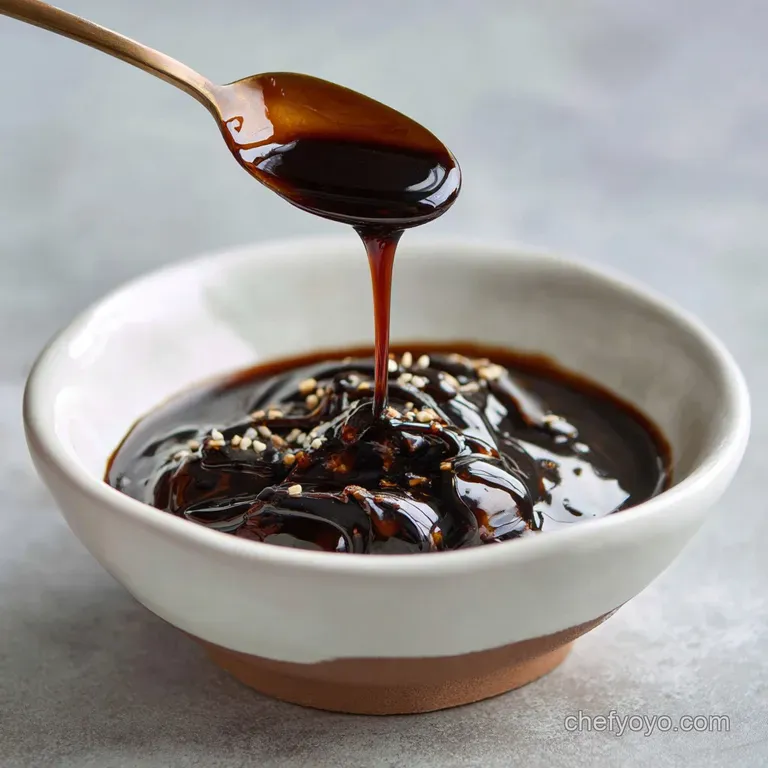
- The Ultimate 15 Minute Balsamic Glaze (The Golden Drizzle)
- Defining the Elixir: What is a Balsamic Reduction?
- The Science of Reduction: Why This 15 Minute Recipe Succeeds
- Selecting Your Base: Choosing the Best Balsamic Vinegar
- Essential Components for a Brilliant Glaze
- Mastering the Technique: Step-by-Step Reduction Guide
- Glaze Gurus: Troubleshooting Common Reduction Mistakes
- Preservation and Shelf Life: Storing Your Homemade Glaze
- Versatile Drizzles: How to Use the Finished Reduction
- Recipe FAQs
- 📝 Recipe Card
The Ultimate 15 Minute Balsamic Glaze (The Golden Drizzle)
Defining the Elixir: What is a Balsamic Reduction?
Oh my goodness, that aroma when a good Balsamic Glaze is simmering! It’s this deep, rich, slightly caramelized perfume that instantly smells expensive.
This dark, velvety syrup is technically a balsamic reduction, which means we’re transforming thin, acidic vinegar into something thick, sweet, and entirely drizzle worthy. Making Balsamic Glaze at home is the scent of a gourmet kitchen, trust me.
Why buy that pricey, thin stuff at the store when this balsamic glaze recipe is absurdly simple, ridiculously fast, and tastes infinitely better? It’s the ultimate secret weapon for elevating basic ingredients, turning a simple salad or a fruit plate into an absolute showstopper.
This homemade version is often cheaper and always has a cleaner, more intense flavour profile.
Forget the complicated processes you might have seen elsewhere. I’ve refined this to a 15 minute miracle, guaranteeing you the thickest, shiniest, homemade Balsamic Glaze ever. Let's crack on and master this golden drizzle so you never go back to the bottled version again.
The Science of Reduction: Why This 15 Minute Recipe Succeeds
The entire process of creating a genuine Balsamic Glaze involves slow, careful heat management. We are essentially concentrating the vinegar's existing flavour components and natural sugars, evaporating the excess water away.
The result is an incredibly complex, syrupy condiment that clings beautifully to everything it touches.
Glaze vs. Vinegar: Understanding the Viscosity Difference
Vinegar is runny because it’s mostly water and acetic acid, which is why it instantly pools on a plate. When we make a balsamic reduction recipe , we apply heat to evaporate that water, leaving behind the rich, darker sugars and concentrated flavour compounds.
This controlled evaporation is the magic that creates that beautiful, dense viscosity we want.
The Importance of a Low and Slow Simmer
This is not a frantic, rolling boil, okay? We need a gentle simmer that maintains stable heat throughout the process. A steady, low temperature prevents the sugar from scorching, which ensures a clean, sweet, and rich flavour profile for your homemade Balsamic Glaze .
Sweetness and Acidity: Achieving Perfect Balance
The small amount of granulated sugar we add does two key jobs. It balances the vinegar's inherent sharpness, cutting through the acidity to give that sweet tart punch, and critically, the sugar helps stabilize the final syrupy texture.
Achieving the perfect pH balance is crucial for a delicious Balsamic Glaze .
Optimal Cooking Temperature for Maximum Syrupiness
I always recommend sticking strictly to medium low heat. If the reduction boils too hard or too fast, it evaporates erratically and often tastes sharper because the sugar ratio isn't handled correctly. We want slow, gentle concentration to build maximum syrupiness.
Controlling the Evaporation Rate
Here’s a quick tip I learned the hard way: use a wider saucepan. A wide saucepan exposes more surface area to the heat. This accelerates the evaporation process significantly, meaning you can achieve the desired reduction faster and at a lower temperature, cutting the cooking time down by half.
Selecting Your Base: Choosing the Best Balsamic Vinegar
The quality of your base vinegar does matter immensely for a truly great Balsamic Glaze . You absolutely don't need the vintage, $100 bottle you keep locked away, but please, skip the cheapest plastic jug stuff entirely. Use something mid-range that you enjoy the taste of raw.
Essential Components for a Brilliant Glaze
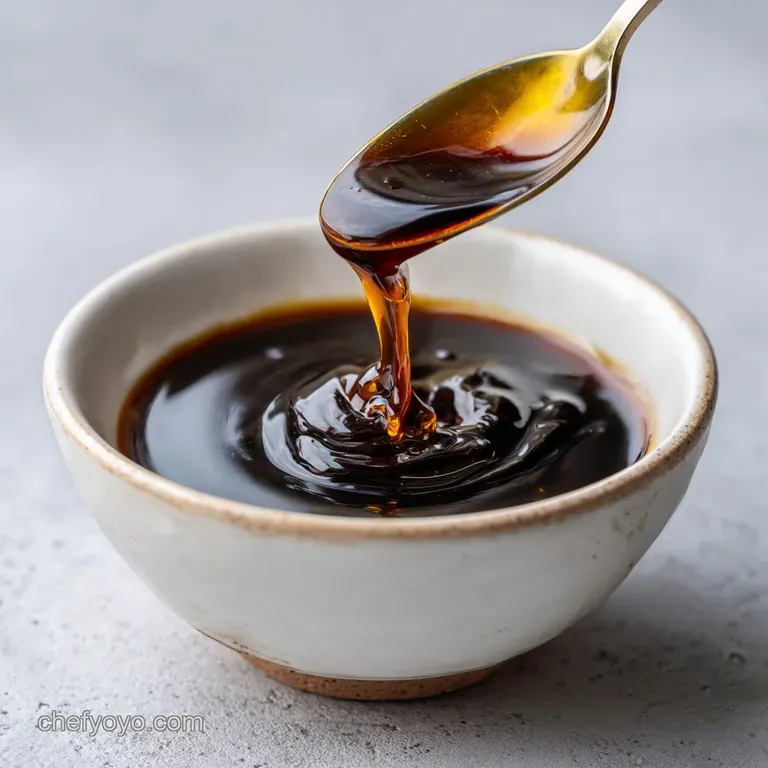
Acidity Levels and Their Impact on Final Flavor
Most commercial balsamic vinegars have an acidity level around 6%. This percentage dictates the final sharpness of your glaze. If you happen to use a higher acidity vinegar, you might need to compensate by adding a tiny bit more sugar when starting your easy balsamic glaze recipe .
Deciphering the Age and Origin Labels
Traditional, aged balsamic is too thick and wildly expensive to cook down it's already reduced! Cheaper, younger stuff, however, is often too thin and watery. Aim for something mid-range, typically labeled Aceto Balsamico di Modena PGI .
This hits the sweet spot between flavour complexity and price point for cooking.
Does Price Dictate Quality for a Reduction?
For a reduction, no, not entirely. Since we are completely altering the texture and concentrating the flavour of the base vinegar, an expensive starting product isn’t necessary. Mid-tier vinegar provides excellent flavour while saving you money.
Save the fancy, dense stuff for drizzling raw over premium ingredients.
Sweetening Agents: Alternatives to Granulated Sugar
If you want a deeper, richer flavour profile, you can swap the granulated sugar for honey or maple syrup. These liquid sweeteners add a beautiful molasses like depth to the Balsamic Glaze . The substitution ratio remains roughly 1:1, but honey tends to thicken slightly faster.
| Ingredient Used | Flavor Profile | Notes |
|---|---|---|
| Granulated Sugar | Clean, pure sweet tart balance | Best for stable thickening |
| Honey or Maple Syrup | Deep, earthy, more complex | Use slightly less heat control |
The Role of Optional Spices and Aromatics
Want to get fancy? A touch of cinnamon stick, a star anise, or a rosemary sprig can add incredible complexity to the reduction. Just remember this golden rule: steep the aromatics only during the final 5– 10 minutes of simmering, and always strain them out completely before the glaze cools.
Adjusting Quantities: Scaling the Recipe Up or Down
If you scale this recipe up say, you triple the quantity the cooking time will increase dramatically, perhaps doubling or more. Don't worry, the fundamental ratio of sugar to vinegar remains exactly the same when making this homemade Balsamic Glaze .
Use a much wider pan for larger batches.
Mastering the Technique: step-by-step Reduction Guide
Making a proper Balsamic Glaze is all about patience, especially in the first few minutes when you introduce the heat. Follow these steps closely to nail the consistency every time.
- Combine and Dissolve: Pour the vinegar and sugar into a heavy bottomed saucepan. Place over medium heat and stir constantly until the sugar is fully dissolved (about 1– 2 minutes).
- Achieve a Steady Simmer: Increase the heat just until you see a gentle, consistent bubbling across the surface, then immediately drop the heat to low or medium low to maintain that gentle simmer.
- Reduce: Simmer steadily, stirring every 3– 4 minutes for 15– 20 minutes total. The liquid should reduce by half, and the aroma will transform from sharp to rich.
- Test and Remove: After 15 minutes, start checking the consistency using the Nape Test (detailed below). The second it passes, remove the pan immediately from the heat. Crucially, do not wait until it looks thick in the pan!
Glaze Gurus: Troubleshooting Common Reduction Mistakes
Initial Heat and When to Introduce Sweetener
If you crank the heat too high at the start, the sugar might scorch before it even fully dissolves, ruining your homemade Balsamic Glaze with a bitter, burnt taste. Always start low and wait for the sugar to dissolve before bringing the mixture to a simmer.
Visual Cues for Testing Readiness (The Nape of the Spoon Test)
This is the most critical step, so pay attention. Dip the back of a cool metal spoon into the simmering liquid. Pull it out, then run your finger through the coating on the spoon’s back. If the line holds cleanly and doesn't run back together immediately, your glaze is ready.
Cooling and Final Consistency Checks
I cannot stress this enough: cooling is not optional. The final, perfect consistency of your gorgeous Balsamic Glaze is determined during this crucial cooling phase. It needs 30 minutes minimum off the heat to fully develop its syrupy texture.
How to Rescue a Reduction That Is Too Thin
Did you pull it too early? No problem. Simply return the thin liquid to the heat and simmer for another 5– 10 minutes. Test frequently using the Nape Test until you hit the sweet spot.
Fixing a Glaze That Has Become Overly Thick or Crystallized
Uh oh, balsamic toffee alert! If you accidentally reduce it too much and it sets hard, don't throw it out. Just add a tablespoon or two of water or extra balsamic vinegar, reheat very gently, and whisk until it’s smooth and drizzly again. Your beautiful Balsamic Glaze is instantly saved.
Avoiding the Dreaded Scorched Pan Taste
Scorching usually happens if you boil too hard or forget to dissolve the sugar completely at the beginning. Always use a heavy bottomed, non-reactive pan (stainless steel or ceramic is best).
If the glaze tastes bitter and scorched, sometimes adding a tiny pinch of salt or a splash of water can counteract it, but often you’ll need a fresh start.
Preservation and Shelf Life: Storing Your Homemade Glaze
Refrigeration vs. Counter Storage Longevity
This homemade Balsamic Glaze is highly acidic, making it naturally resistant to spoilage. I typically keep mine in the fridge because I prefer that extra stiff, thick texture. However, stored in an airtight container in a cool, dark pantry, it will easily last 6 8 weeks.
In the refrigerator, it keeps beautifully for up to two months.
Freezing and Thawing Recommendations
You can freeze large batches, but since it only takes 15 minutes to make, I rarely bother. If you decide to, freeze the Balsamic Glaze in small, measured portions (like ice cube trays).
Thaw gently in the microwave or simply let a cube sit on the counter for 30 minutes.
Reactivating a Stiff Glaze
If your refrigerated Balsamic Glaze gets too stiff to drizzle easily, just run the jar under hot water for a minute or pop it in the microwave for 10 15 seconds. It will instantly return to its perfect, runny, drizzly state.
Versatile Drizzles: How to Use the Finished Reduction
This essential Balsamic Glaze is so versatile it should be permanently stocked in your kitchen. It provides both richness and acidity, making it the perfect finishing touch.
Elevating Cheeses and Charcuterie Boards
This glaze is the absolute star on a cheese board. Drizzled over creamy Burrata, fresh ricotta, or sharp goat cheese, it provides the ideal sweet tart counterpoint. We even use a similar principle when finishing a main course it's phenomenal brushed onto a simple Turkey Meatloaf Recipe: The Moistest Classic Meatloaf with Glaze .
Perfect Finishing Touches for Desserts and Fruits
Don't limit this beautiful reduction to savory dishes! Try this finished Balsamic Glaze over fresh, ripe strawberries, a simple fruit salad, or even a scoop of vanilla bean ice cream. The acidity cuts through the sweetness beautifully; it's unexpectedly brilliant.
Incorporating Glaze into Vinaigrettes and Dressings
If you need a richer, slightly sticky dressing base, this is your answer. Whisking a spoonful of this sticky Balsamic Glaze into olive oil instantly creates a complex, sophisticated vinaigrette. It's also great for adding depth to roasted vegetables, similar to how we use a maple reduction in my recipe for Roasted butternut squash and brussel sprouts with Sticky Maple Soy Glaze . Enjoy mastering your very own Balsamic Glaze !
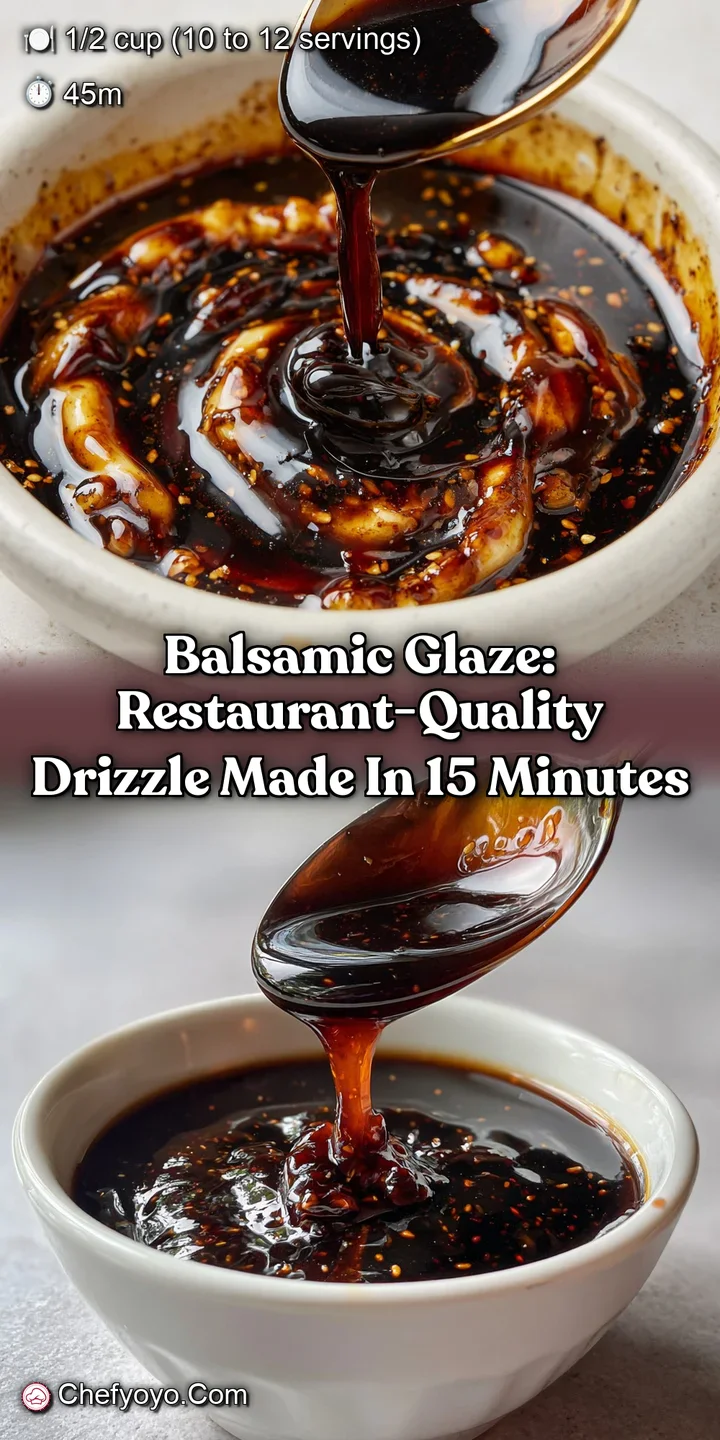
Recipe FAQs
How do I fix my glaze if it's too thin and runny after cooling?
The glaze thickens considerably as it cools, so ensure you test the consistency once it is no longer hot. If it remains too runny, return it to low heat and gently simmer for another 3 to 5 minutes until it coats the back of a spoon.
Be careful not to over reduce, as it will continue to tighten significantly after removal from the heat.
My glaze solidified into a candy like lump upon cooling. What went wrong?
This usually indicates the glaze was severely overcooked, causing the sugars to caramelize too far and harden when cool. Use a lower heat setting and monitor the reduction closely, removing it from the stove immediately once it reaches a syrupy texture.
You can often salvage a very hard glaze by gently dissolving it with a small splash of water or balsamic vinegar over very low heat.
Can I infuse the glaze with other flavors, like herbs or spices?
Absolutely; infusing flavors adds wonderful complexity to the glaze. To do this, add whole herbs like rosemary sprigs, cracked peppercorns, or a smashed garlic clove to the vinegar right before you begin reducing.
Strain the mixture through a fine mesh sieve immediately after removing it from the heat to ensure a smooth, clean finish.
Does the quality of the balsamic vinegar truly matter for the final glaze?
Yes, the starting vinegar quality significantly impacts the final depth and richness of flavor. Using a decent quality balsamic (ideally one labeled "Modena" that you enjoy the taste of) ensures a sweeter, less harsh, and more complex glaze.
Avoid extremely cheap or synthetic vinegars, as their flavor will intensify in a negative way when reduced.
How long can I store homemade balsamic glaze, and how should it be kept?
Stored in an airtight container or jar in the refrigerator, homemade balsamic glaze is highly stable and can last for several months, although peak flavor is generally within 3-4 weeks.
If it becomes too thick or cloudy during storage, simply reheat it slightly on the stovetop or in the microwave to restore its ideal pouring consistency.
How do I know when the glaze has reached the perfect thickness before I remove it from the heat?
The best method is the "spoon test": dip a spoon into the simmering mixture and draw a line through the residue on the back of the spoon with your finger. If the drawn line holds and the liquid does not immediately run together, it is ready to be removed from the heat, as it will thicken further upon cooling.
Can I make this glaze without granulated sugar or by using maple syrup instead?
Balsamic vinegar naturally contains sugar, so reduction alone can create a glaze, but adding a sweetener enhances viscosity and balances the acidity. If substituting, use honey or maple syrup sparingly, or omit added sugar entirely and accept a slightly longer reduction time and a less sweet final product.
Note that using substitutes can change the reduction behavior slightly.
Easy 15 Minute Balsamic Glaze
Ingredients:
Instructions:
Nutrition Facts:
| Calories | 51 kcal |
|---|---|
| Protein | 0.0 g |
| Fat | 0.0 g |
| Carbs | 12.8 g |
