Easy Alfredo Sauce Recipe with Cream Cheese
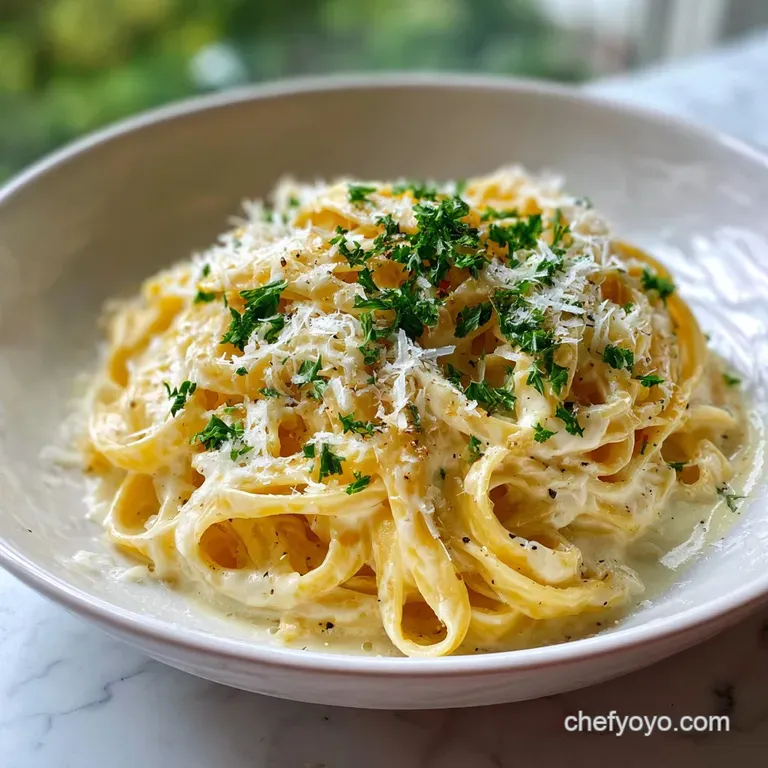
- Time: Active 5 minutes, Passive 10 minutes, Total 15 minutes
- Flavor/Texture Hook: Silky, buttery, and incredibly velvety
- Perfect for: Quick weeknight dinners or impressive date nights
- Creating the Most Velvety Easy Alfredo Sauce Recipe
- Why This Creamy Sauce Works
- Essential Batch Details and Stats
- Choosing Your Premium Ingredients
- Tools for a Silky Finish
- Cooking Your Perfect Alfredo Sauce
- Fixing Common Sauce Mistakes
- Flavor Variations and Substitutions
- Storage and Reheating Tips
- Best Pairings for This Dish
- Debunking Alfredo Myths and Facts
- Recipe FAQs
- 📝 Recipe Card
You know that specific sound when you toss pasta into a hot pan of cream and cheese? That heavy, rhythmic "schloop" that promises a dinner so comforting it feels like a hug? I used to think a truly great easy alfredo sauce recipe required some secret Italian grandmother’s technique or forty minutes of whisking until my arm fell off.
I was wrong. I spent years trying to get that Olive Garden alfredo sauce recipe easy feel at home, only to end up with a grainy, oily mess that looked more like scrambled eggs than a sauce.
The trick, I eventually learned, isn't about working harder, it's about the chemistry of the fats. After many "Friday Night Alfredo" experiments in my own kitchen, I found that adding just a touch of cream cheese acts like an insurance policy for your dinner.
It keeps everything held together so you can focus on pouring the wine instead of panicking over a broken sauce. This isn't just a basic sauce recipe, it’s the version I make when I want zero stress and maximum impact.
We’re going to walk through the exact steps to get that glossy, mirror like finish. You won't need a culinary degree or fancy equipment, just a decent saucepan and a little bit of patience with your heat settings.
Trust me, once you see how easily this comes together, you'll never look at a jar of the pre made stuff the same way again. Let's get into the details of what makes this specific method so reliable.
Creating the Most Velvety Easy Alfredo Sauce Recipe
Mechanism: Emulsification occurs when the proteins in the cream cheese and parmesan bind with the fats from the butter and heavy cream. This prevents the lipids from separating into a greasy layer, ensuring a cohesive, glossy texture.
- Casein Stabilization: The proteins in the heavy cream are protected by the lactic acid in the cream cheese, which prevents curdling when heat is applied.
- Starch Free Thickening: By reducing the heavy cream slightly, we concentrate the solids without needing flour, resulting in a cleaner flavor profile.
- Lipid suspension: High fat content in the 360ml of heavy whipping cream creates a thick, coating consistency that clings to noodles.
- Enzymatic Breakdown: Using freshly grated Parmesan allows the cheese to melt at a lower temperature than pre shredded varieties coated in cellulose.
The real beauty of this homemade alfredo sauce is how it behaves in the pan. Traditional versions rely heavily on the pasta water's starch, but this contemporary easy alfredo sauce uses a high fat to protein ratio to stay stable.
If you’ve ever wondered why your sauce turns into a puddle of oil the second it hits the plate, it’s usually because the emulsion wasn't strong enough. By using a bit of softened cream cheese, we’re essentially creating a safety net for those fats.
I remember the first time I tried this specific method. I was skeptical about the nutmeg, thinking it would make the dish taste like a holiday latte. But in reality, it just adds this faint, earthy warmth that cuts right through the richness of the 115g of unsalted butter. It's those tiny details that take a simple alfredo sauce and make it feel like something you'd pay forty dollars for at a high end bistro. It’s also very similar to the technique I use in my Chicken and Noodles Recipe for that same velvety mouthfeel.
Why This Creamy Sauce Works
| Component | Science Role | Pro Secret |
|---|---|---|
| Heavy Whipping Cream | Primary Liquid Base | Use Horizon Organic for a higher fat percentage and cleaner finish. |
| Parmesan Cheese | Umami & Structure | Grate it on a Microplane to ensure it melts instantly without clumping. |
| Cream Cheese | Emulsion Stabilizer | Philadelphia Brand provides the best pH balance for preventing sauce breaks. |
| Unsalted Butter | Flavor & Gloss | Kerrygold Irish Butter adds a golden hue and a much richer, grassy note. |
The interaction between the 150g of freshly grated Parmesan and the 360ml of heavy cream is where the magic happens. When you use a high-quality butter like Kerrygold, you're not just adding fat, you're adding a specific depth of flavor that store brand butter often lacks.
The 3 cloves of garlic, when sautéed gently in that butter, release sulfur compounds that infuse the entire fat base before the liquid is even added. This ensures the garlic flavor is woven into the sauce rather than just floating on top.
One thing I've noticed is that people often underestimate the power of the 3g of sea salt. If your sauce tastes "flat," it’s almost always a seasoning issue. Salt doesn't just make things salty, it unlocks the nutty notes in the Parmesan.
When you combine this with the 1g of freshly cracked black pepper, you get a sharp bite that balances the heavy dairy. It's a contemporary approach to a classic that prioritizes texture as much as taste.
Essential Batch Details and Stats
This recipe is designed to yield 4 generous servings, making it a staple for family dinners. Because we aren't using a roux, the volume doesn't expand as much as some other sauces, but every milliliter is packed with flavor.
You'll find that 1.5 cups of sauce goes a long way when the quality of the ingredients is this high.
| Feature | Specification |
|---|---|
| Yield | 4 Servings (Approx. 500ml total) |
| Technique | Simmer Reduction & Emulsification |
| Texture | Glossy, thick, and clingy |
| Heat Level | Low to Medium Low |
When you're planning your meal, keep in mind that this sauce is best served immediately. While it can be reheated, the fats are at their most stable right after that final whisking of the cheese. I usually start my pasta water at the same time I start melting the butter.
By the time the noodles are al dente, the sauce is at that perfect "nappe" stage, where it coats the back of a spoon beautifully.
Choosing Your Premium Ingredients
For a truly successful easy alfredo sauce recipe, the quality of your dairy is everything. I always reach for Horizon Organic Heavy Whipping Cream because it has a consistent fat content that doesn't vary by season. This is crucial for getting that "thick but not gloppy" consistency.
- 115g Unsalted Butter: Using unsalted allows you to control the seasoning perfectly. I recommend Kerrygold for its high butterfat content. Why this? Higher fat means a silkier finish and better flavor carrier for garlic.
- 360ml Heavy Whipping Cream: This is the heart of the sauce. Avoid "half and half" for this specific recipe. Why this? Lower fat milks won't emulsify as well with the cheese proteins.
- 56g Full Fat Cream Cheese: Make sure it’s softened to room temperature. Philadelphia is my go to. Why this? Acts as a stabilizer to prevent the sauce from "breaking" or separating.
- 150g Freshly grated Parmesan cheese: Use Parmigiano Reggiano if possible. Why this? Pre shredded cheese contains cellulose which creates a grainy, sandy texture.
- 3 cloves Garlic: Use fresh cloves, not the jarred minced stuff. Why this? Fresh garlic provides a sharp, aromatic bite that jarred versions lack.
- 3g Sea salt: I prefer Diamond Crystal for its clean taste. Why this? Enhances the nutty notes of the aged cheese.
- 1g Freshly cracked black pepper: Grind it fresh for the best aroma. Why this? Pre ground pepper often loses its floral, spicy complexity.
- 0.5g Ground nutmeg: Just a tiny pinch. Why this? Traditional secret for white sauces that adds a mysterious, earthy depth.
If you're looking for an alfredo sauce no heavy cream version, you can swap the heavy cream for whole milk and a bit more cream cheese, but the result will be thinner. For a more adventurous twist, you could even try the Silky Alfredo Sauce recipe which leans even harder into that cream cheese base for an ultra thick result.
Tools for a Silky Finish
You don't need a kitchen full of gadgets, but a few specific tools will make this easy alfredo sauce significantly better. A heavy bottomed saucepan, like a Le Creuset 2 quart stainless steel pot, is ideal because it distributes heat evenly.
Thin pans have "hot spots" that can scorch the milk solids in your cream.
A Microplane Zester is also non negotiable for me. When you grate your 150g of Parmesan on a Microplane, it comes out like tiny snowflakes. This massive surface area means the cheese melts almost instantly into the 360ml of cream, preventing those dreaded clumps.
Finally,, use a silicone whisk. It allows you to get into the "corners" of the pan where cheese likes to hide and burn.
Chef’s Note: If you notice the sauce sticking to the bottom, your heat is too high. Lift the pan off the burner for 10 seconds while whisking vigorously to bring the temperature down.
Cooking Your Perfect Alfredo Sauce
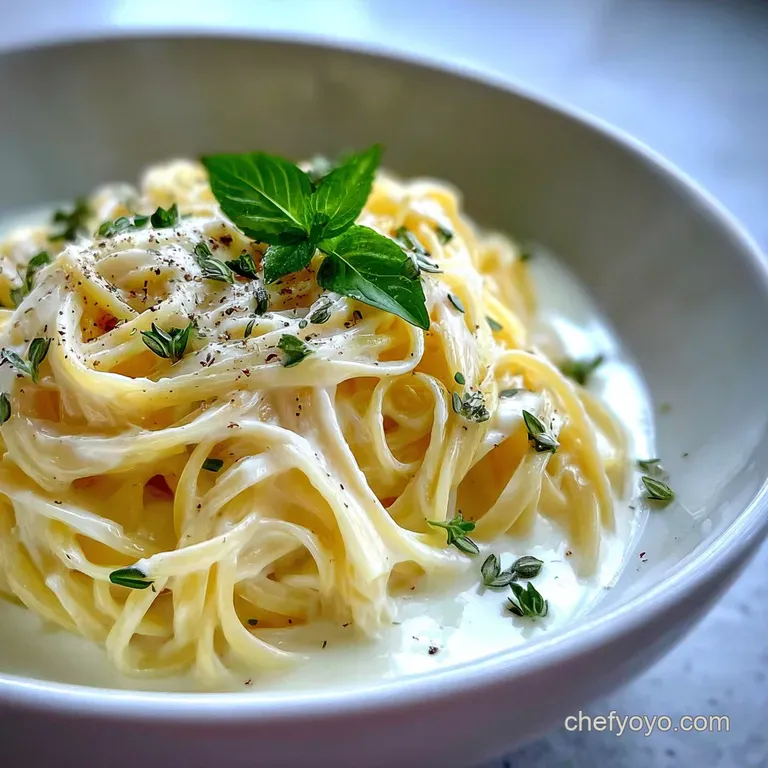
- Sauté aromatics. Melt 115g Unsalted Butter in a Lodge 3 quart saucepan over medium low heat. Add 3 cloves minced Garlic. Note: Cook until fragrant but do not let the garlic turn brown.
- Infuse fats. Stir the garlic for 1 minute until the kitchen smells like a steakhouse.
- Add liquids. Pour in 360ml Heavy Whipping Cream. Note: Slow pouring prevents the cold cream from shocking the hot butter.
- Incorporate stabilizer. Add 56g softened Cream Cheese. Whisk constantly until no white lumps remain.
- Simmer base. Bring the mixture to a very gentle simmer. Note: Do not let it reach a rolling boil, as this can break the dairy bonds.
- Season well. Stir in 3g Sea salt, 1g Black pepper, and 0.5g Ground nutmeg.
- Reduce volume. Simmer for 3 to 5 minutes until the sauce slightly coats a spoon.
- Add cheese. Turn heat to low and add 150g Freshly grated Parmesan in three stages. Note: Adding it all at once can cause a giant cheese ball to form.
- Finish emulsion. Whisk gently until the sauce is glossy and mirror smooth.
- Taste check. Adjust salt if needed. Serve immediately over hot pasta.
- 1. Cream Temperature
- When adding the cheese, the liquid should be roughly 65°C to 70°C for optimal melting.
- 2. Simmer Time
- Exactly 3 minutes of simmering is usually the sweet spot for the 360ml of cream to thicken without becoming a paste.
- 3. Cheese Weight
- Use exactly 150g of Parmesan; too much will make the sauce gritty, too little will leave it watery.
Fixing Common Sauce Mistakes
Fixing Grainy Texture
This is the most frequent complaint with any alfredo sauce recipe. Usually, it happens because the heat was too high when the cheese was added, causing the proteins to tighten up and "clump" instead of melting. Alternatively, it might be that pesky pre shredded cheese.
Solutions for Thin Sauce
If your sauce looks more like milk than alfredo, don't panic. You likely just need a few more minutes of simmering to evaporate more water from the cream. Remember, the sauce will also thicken significantly as it cools slightly on the pasta.
| Problem | Cause | Fix | Pro Tip |
|---|---|---|---|
| Oily Separation | Heat too high/No stabilizer | Whisk in a splash of warm cream | Use cream cheese every time to prevent this. |
| Gritty Feel | Pre shredded cheese used | Pass through a fine mesh sieve | Always grate your own block Parmesan. |
| Bland Flavor | Not enough salt/acid | Add a tiny squeeze of lemon | Salt is key to unlocking the cheese's flavor. |
Flavor Variations and Substitutions
Sometimes you don't have exactly what's on the list, or you want to give this easy alfredo sauce a different vibe. While I'm a purist about the 115g of butter, I've had to make swaps in a pinch before.
| Original Ingredient | Substitute | Why It Works |
|---|---|---|
| Heavy Cream | Whole Milk + 1 tbsp Flour | Creates a roux based sauce. Note: Less rich, more "gravy" like. |
| Parmesan | Pecorino Romano | Adds a sharper, saltier, funkier tang to the dish. |
| Garlic Cloves | 1 tsp Garlic Powder | More uniform flavor distribution but loses the fresh "bite." |
| Cream Cheese | Mascarpone | Adds a subtle sweetness and even more fat. Very contemporary. |
If you want to experiment with a different cheese profile entirely, you might enjoy learning how to Make recipe which uses Jarlsberg for a nuttier, Swiss inspired finish.
Stovetop vs Oven Comparison
| Feature | Stovetop (This Recipe) | Oven (Baked Alfredo) |
|---|---|---|
| Texture | Silky and fluid | Thick and set (casserole style) |
| Time | 15 minutes total | 40-50 minutes total |
| Finish | Glossy sheen | Golden, bubbly crust |
Storage and Reheating Tips
Storage: This sauce keeps in an airtight container in the fridge for up to 3 days. I don't recommend freezing it; the emulsion of the heavy cream and cheese tends to "shatter" when thawed, leaving you with a watery mess that’s hard to bring back.
Reheating: This is where people usually fail. Never, ever microwave alfredo sauce on high. The intense heat will turn your beautiful sauce into a pool of yellow oil. Instead, place it in a small saucepan over very low heat.
Add a splash of milk or water (about 1 tablespoon per cup of sauce) and whisk constantly as it warms. This re introduces moisture and helps the fats re emulsify.
Zero Waste Tip: If you have just a little bit of sauce left over, don't toss it. It makes an incredible base for a "White Pizza." Spread it over a pre made crust, top with some spinach and chicken, and bake.
You can also toss the leftover Parmesan rinds into your next vegetable soup or minestrone for a massive boost of umami.
Best Pairings for This Dish
Alfredo is incredibly rich, so I like to pair it with things that offer a bit of contrast. A crisp, acidic salad with a lemon vinaigrette is the perfect palate cleanser. For protein, I usually go for grilled chicken seasoned simply with salt and lemon, or sautéed shrimp with a bit of chili flakes.
- Pasta Choice: Fettuccine is the classic, but I love using Pappardelle for an even more contemporary look. The wide ribbons hold the 150g of cheese sauce perfectly.
- Vegetables: Steamed broccoli or roasted asparagus are classic for a reason. They provide a "snap" that cuts through the velvety texture of the sauce.
- Wine: A crisp Chardonnay or a Pinot Grigio works wonders here. You want something with enough acidity to slice through the fat of the 360ml of heavy cream.
Debunking Alfredo Myths and Facts
Myth: Authentic Alfredo uses heavy cream. In the original Roman version (Fettuccine all'Alfredo), the sauce was made simply with butter and Parmesan, using the pasta water to create an emulsion.
However, the Americanized version using 360ml of heavy cream has become its own beloved "contemporary" classic because it’s much more stable and richer.
Myth: You should add flour to thicken the sauce. A real easy homemade alfredo sauce video would show you that reduction is the better way to thicken. Flour changes the mouthfeel, making it taste like a béchamel or a gravy.
By simmering the 360ml of cream, you get a much cleaner, more intense dairy flavor.
Myth: Adding oil to pasta water prevents sticking. This actually prevents the sauce from clinging to the noodles! The oil coats the pasta, making it too slick for your hard earned homemade alfredo sauce to "grip." Just use plenty of salted water and give it a stir every few minutes.
If you want a thicker sauce, do this: Simmer the cream for an extra 2 minutes before adding cheese. Increase the Parmesan to 175g for more solids. Whisk in an extra 28g of cream cheese for a denser structure.
This easy alfredo sauce recipe has saved my Friday nights more times than I can count. It's the kind of dish that feels like you spent hours on it, but it's really just about understanding how a few high-quality ingredients play together.
Next time you're craving something warm and satisfying, skip the jar and give this a shot. Your kitchen will smell like a dream, and your pasta will never be the same. Enjoy!
Recipe FAQs
What are the basic ingredients in Alfredo sauce?
Butter, Parmesan cheese, and heavy cream. Authentic Italian recipes rely only on these three staples, often stabilized by pasta water, whereas this easy version includes cream cheese for foolproof emulsion.
How to make white sauce with 3 ingredients?
Yes, traditionally you can. The classic sauce uses butter, Parmesan cheese, and hot pasta water stirred vigorously until emulsified. This process of binding fat and liquid is similar to achieving a stable emulsion in sauces like a Béarnaise Sauce Recipe: Master The Classic Steakhouse Emulsion.
Can I use milk instead of heavy cream for Alfredo?
No, heavy cream is strongly recommended. Whole milk lacks the necessary fat content to create a rich, clinging sauce; it often results in a thin, watery consistency or curdles easily.
What makes a sauce an Alfredo sauce?
The defining components are Parmesan cheese and butter emulsified into a sauce. The term implies a rich, savory, dairy based coating designed specifically for pasta, often enhanced by garlic and nutmeg.
Why is my homemade Alfredo sauce grainy?
The heat was too high when you added the Parmesan cheese. High temperatures cause the cheese proteins to seize and separate from the fat, leading to a gritty texture. You must keep the heat low when incorporating the cheese.
Can I use cream cheese in Alfredo sauce?
Yes, using cream cheese is a modern technique that stabilizes the sauce. The added protein and fat content in cream cheese acts as an insurance policy, helping to bind the butter and cream together to prevent separation or breaking, similar to how a stabilizer works in a thick gravy.
How do I prevent the sauce from breaking when reheating?
Reheat slowly on the stovetop with a splash of liquid. Never microwave Alfredo sauce on high power, as this melts the fat too quickly. Whisk in a tablespoon of warm milk or cream slowly over low heat to help the sauce re-emulsify smoothly.
Easy Alfredo Sauce Recipe
Ingredients:
Instructions:
Nutrition Facts:
| Calories | 713 kcal |
|---|---|
| Protein | 16g |
| Fat | 71g |
| Carbs | 6g |
| Fiber | 0.2g |
| Sugar | 3g |
| Sodium | 963mg |
