Easy Peanut Butter Fudge: No-Fail Recipe
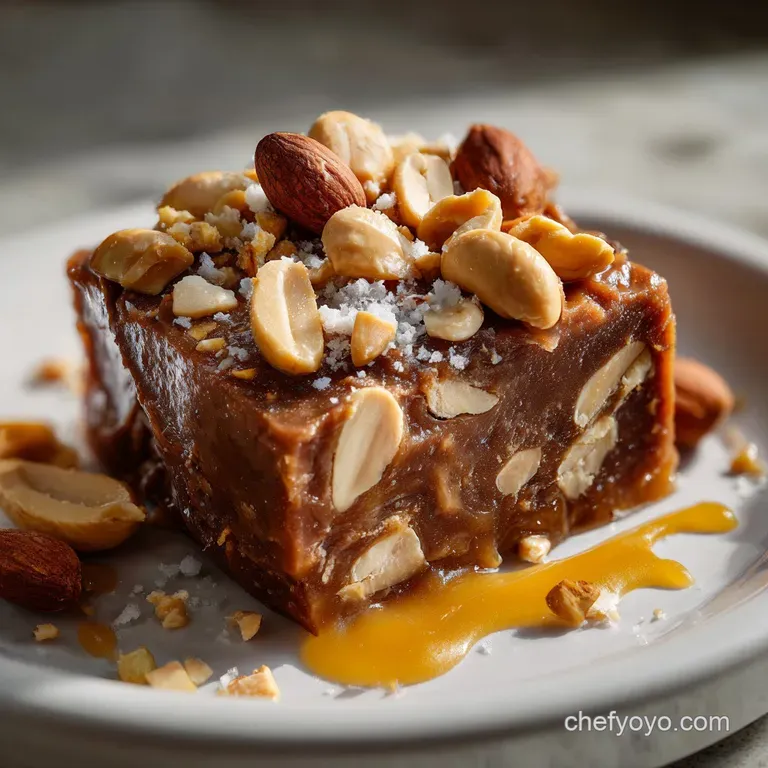
- Effort/Time: Minimal intensity; 12 minute total active labor.
- Flavor Hook: Deeply roasted peanut profile balanced by a crystalline sugar finish and sea salt snap.
- Perfect for: Last-minute gifting, holiday platters, and grab-and-go snacking.
- Achieving Velvet Texture with This Easy Peanut Butter Fudge
- The Molecular Physics of No-Bake Sugar Stabilization
- Thermal Profiles and Logistic Requirements for Rapid Setting
- The Chemistry of Lipid-Rich Suspensions and Emulsifiers
- Essential Tools for Maintaining Thermal Equilibrium
- A Phased Protocol for Optimal Crystalline Structure
- Solving Phase Separation and Structural Instability
- Architectural Modifications for Diverse Flavor Profiles
- Preservation Strategies for Maintaining Moisture Content
- Presentation Tactics for High-Density Confections
- Scaling the Recipe: Precision Logistics
- Recipe FAQs
- 📝 Recipe Card
Achieving Velvet Texture with This Easy Peanut Butter Fudge
Remember the time you tried to make traditional fudge and ended up with a grainy, rock hard slab of disappointment? I’ve been there, staring at a pot of crystallized sugar that cost me an hour of stirring and a burnt thumb. It was frustrating, messy, and honestly, a waste of expensive butter.
That failure drove me to find a workaround that didn't require a degree in thermodynamics or a candy thermometer.
I ruined four batches of old-fashioned fudge before I realized that the secret wasn't more stirring it was better chemistry. By using a pre-stabilized base, we can bypass the volatile sugar boiling phase entirely. This method isn't just a shortcut; it's a structural guarantee.
The result is a glossy sheen and a melt-in-the-mouth consistency that shatters slightly when bitten but turns velvety on the tongue. We are going to use the specific lipid profile of peanut butter to create a dense, satisfying crumb that holds its shape at room temperature.
Let’s get into the mechanics of why this easy peanut butter fudge is the only version you’ll ever need.
The Science of Why it Works This recipe relies on emulsification and lipid stabilization rather than sugar crystallization. The mono- and diglycerides in the frosting act as powerful emulsifiers, binding the peanut oils and sugar into a permanent, smooth suspension that prevents the formation of large, gritty sugar crystals.
The Power of Emulsification
In a traditional peanut butter fudge recipe, you are fighting against the natural tendency of sugar to recrystallize as it cools. By introducing the emulsifiers found in store-bought frosting, we create a barrier around the sugar molecules.
This prevents them from "finding" each other and growing into the large crystals that cause graininess.
Controlled Sugar Crystallization
The frosting already contains finely milled sugar that has been processed to stay smooth. When we heat the Pb fudge recipe components just enough to meld them, we aren't creating a new crystalline structure from scratch. Instead, we are simply rearranging an existing, stable matrix.
This makes the fudge recipes easy to manage even for beginners.
The Molecular Physics of No-Bake Sugar Stabilization
Creating a high-quality easy peanut butter fudge requires understanding how heat interacts with fats and sugars. When we microwave or gently heat our base, we are aiming for a specific viscosity that allows for total integration without scorching the solids.
- Lipid Integration: The oils in 16 oz creamy peanut butter must be fully incorporated into the sugar matrix to prevent "weeping" or oil separation later.
- Thermal Consistency: Achieving a uniform temperature across the 16 oz vanilla or cream cheese frosting ensures that the peanut butter fudge easy setting process happens simultaneously from the edges to the center.
- Aromatic Volatility: We add 1 tsp pure vanilla extract at the very end. This is because high heat can cause the aromatic compounds in vanilla to evaporate, leaving your fudge tasting flat.
Chef's Tips: 1. Microwave in Intervals: Heat the frosting in 30 second bursts. Overheating can cause the oils in the frosting to "break," leading to a greasy finish. 2.
Toast the Garnish: Toss the 1/2 cup chopped roasted peanuts in a dry pan for 2 minutes before folding them in. This releases essential oils and adds a "shatter" texture to every bite.
| Ingredient | Chemical/Physical Role (Science) | The Pro Secret (Why This Matters) |
|---|---|---|
| 16 oz Creamy Peanut Butter | Lipid based structural foundation | Provides the "body" and prevents the sugar from becoming too brittle. |
| 16 oz Vanilla Frosting | Emulsified sugar matrix | Contains stabilizers that prevent graininess without needing a thermometer. |
| 1/4 tsp Sea Salt | Ionic flavor enhancer | Breaks the sweetness barrier and creates a "craveable" flavor profile. |
Thermal Profiles and Logistic Requirements for Rapid Setting
When making this easy peanut butter fudge, timing is everything. Because the mixture begins to set as soon as the temperature drops, your mise en place must be ready. This means your 8x8-inch pan is lined and your 1/2 cup chopped roasted peanuts are measured before the first heating step.
- Prep Time: 10 minutes (mostly lining the pan and measuring).
- Cook Time: 2 minutes (thermal activation of the frosting).
- Total Time: 12 minutes (active labor).
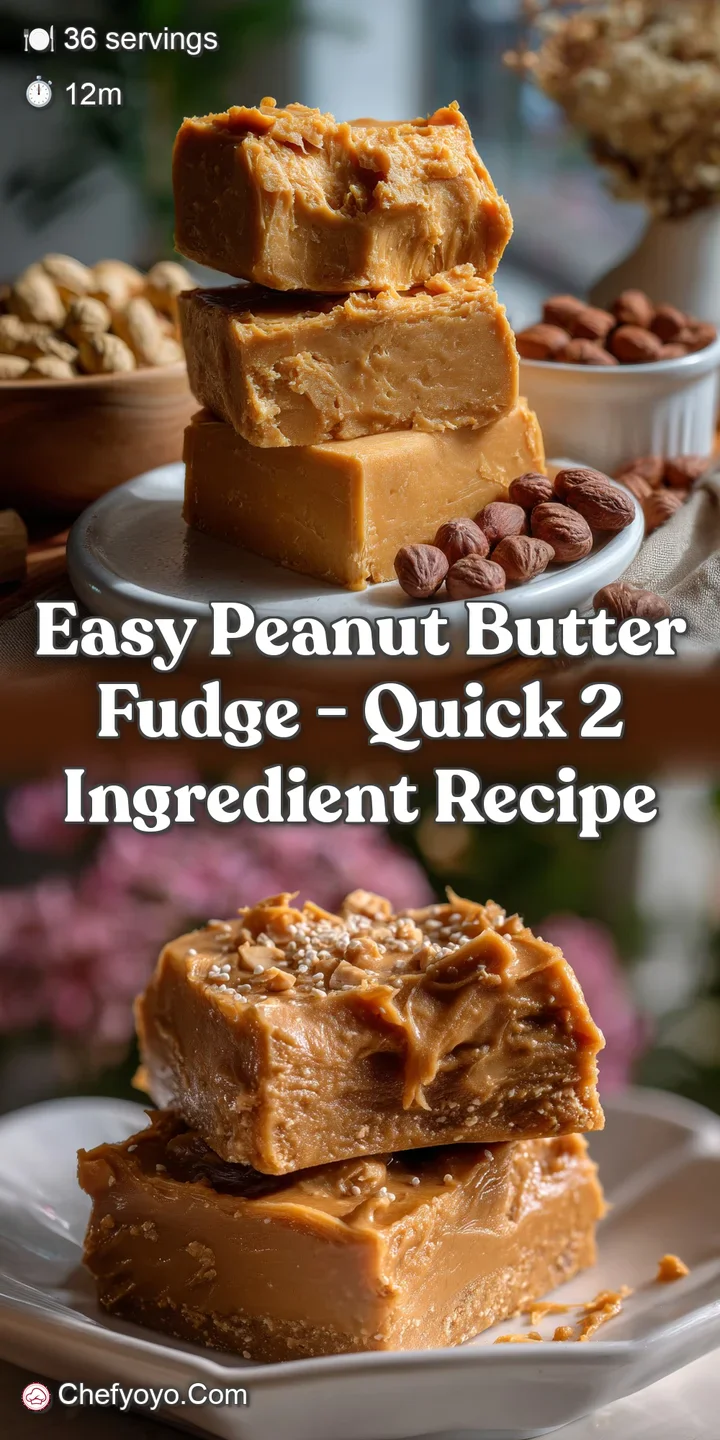
- Yield: 36 servings (cut into 1 inch squares for optimal portion control).
The "set time" is a separate physical process. While the work is done in 12 minutes, the fudge needs at least 1 hour 30 mins in the refrigerator to reach its peak structural integrity. If you cut it too early, the center will be tacky rather than firm. This is similar to the cooling phase in our Neiman Marcus Cake recipe, where resting is vital for the crumb to set.
The Chemistry of Lipid Rich Suspensions and Emulsifiers
To get the best easy peanut butter fudge, the quality of your fats matters. While we are using "easy" ingredients, the specific brands can impact the final "snap."
- 16 oz Creamy Peanut Butter: Why this? High protein-to-fat ratio provides structural "scaffolding" for the fudge. I recommend using a brand like Jif Creamy Peanut Butter because it has built-in stabilizers that prevent oil separation. Natural "oil-on-top" varieties can be used but require much more vigorous stirring to maintain an emulsion.
- 16 oz Vanilla or Cream cheese Frosting: Why this? Acts as a shelf stable fondant base with pre-dissolved sugar.Pillsbury Creamy Supreme is a reliable choice. The cream cheese version adds a slight tang that cuts through the heavy lipids.
- 1 tsp Pure Vanilla Extract: Use a high-quality extract like Nielsen Massey. It provides a floral backnote that bridges the gap between the savory peanuts and the sweet frosting.
- 1/4 tsp Sea Salt: Use Maldon Sea Salt Flakes if possible. The large surface area of the salt crystals provides a localized burst of salinity that contrasts the sugary base.
- 1/2 cup Chopped Roasted Peanuts: These add essential "crunch" and visual appeal.
| Original Ingredient | Substitute | Why It Works |
|---|---|---|
| Creamy Peanut Butter | Almond Butter (16 oz) | Similar fat profile; creates a more subtle, nutty flavor. Note: Often oilier. |
| Vanilla Frosting | Chocolate Frosting (16 oz) | Swaps vanilla for cocoa solids. Results in a denser, "Reese's" style flavor. |
| Sea Salt | Kosher Salt (1/4 tsp) | Provides saltiness but lacks the specific "snap" and mineral depth of sea salt. |
Essential Tools for Maintaining Thermal Equilibrium
You don't need much for this easy peanut butter fudge, but using the right tools prevents common mechanical failures like scorching or uneven mixing.
- Glass Mixing Bowl: Specifically a Pyrex 2 quart Glass Bowl. Glass retains heat better than plastic, which keeps the mixture fluid longer while you're folding in the peanuts.
- Silicone Spatula: A Rubbermaid over High heat Spatula is necessary to scrape the bottom of the bowl, ensuring no "hot spots" of frosting remain unmixed.
- 8x8-inch Square Pan: I prefer a USA Pan Bakeware Square Cake Pan for its sharp corners, which give the fudge a professional, clean cut look.
- Parchment Paper: Essential for "sling" removal. Without it, you'll be digging the 2 Ingredient Peanut Butter Fudge Recipe out with a spoon.
A Phased Protocol for Optimal Crystalline Structure
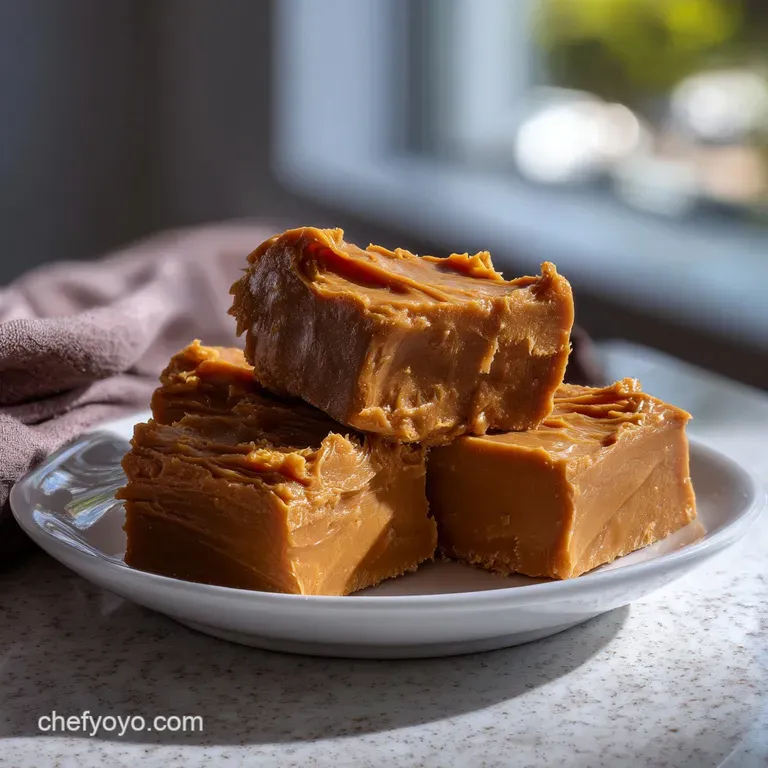
Follow these steps exactly. Speed is your friend here, as the easy peanut butter fudge begins its transition from liquid to solid state very quickly.
- Line the pan. Use a Lodge Cast Iron or metal pan lined with parchment paper, leaving a 2 inch overhang on the sides for easy removal. Note: Prevents sticking and allows for clean cuts.
- Heat the frosting. Microwave the Pillsbury Vanilla Frosting in a large bowl for 45 seconds until completely liquid and bubbling slightly at the edges.
- Incorporate peanut butter. Add the 16 oz Jif Creamy Peanut Butter to the hot frosting immediately. Note: The residual heat from the frosting softens the peanut butter lipids.
- Stir for 1 minute. Use vigorous circular motions until the mixture is glossy, uniform in color, and shows no streaks of white frosting.
- Add aromatics. Fold in the 1 tsp pure vanilla extract and 1/4 tsp sea salt. Note: Adding salt now ensures it dissolves evenly into the warm fat.
- Add texture. Stir in 1/4 cup of the chopped roasted peanuts until they are evenly suspended in the matrix.
- Transfer to pan. Pour the mixture into the prepared 8x8 pan, using your spatula to smooth the top until the surface is flat and reflective.
- Garnish surface. Sprinkle the remaining 1/4 cup peanuts over the top, pressing them in lightly with your palm until they are partially embedded in the fudge.
- Set the structure. Refrigerate for 1 hour 30 mins until the center feels firm and resistant to a light finger press.
- Slice and serve. Lift the fudge out using the parchment "sling" and cut into 36 squares using a warm, sharp knife.
Solving Phase Separation and Structural Instability
Even with fudge recipes easy peanut butter style, physics can go sideways. If your fudge looks "sweaty" or won't firm up, it's usually a temperature or ratio issue.
Why Your Fudge Separates (Oily Surface)
This is caused by "breaking" the emulsion. If the peanut butter is heated too aggressively, the peanut oil separates from the solids. This can also happen if you use "Natural" peanut butter without stirring it perfectly first. The oil floats to the top because it is less dense than the sugar matrix.
Why Your Fudge Stays Soft
This is a "Thermal Mass" problem. If the frosting wasn't heated enough to fully integrate with the peanut butter, the sugar won't set properly. It could also mean the humidity in your kitchen is very high, as sugar is hygroscopic (it attracts water from the air), which softens the Pb fudge recipe.
| Problem | Root Cause | The Fix | Pro Protocol |
|---|---|---|---|
| Oily surface | Overheating or lack of emulsifiers | Blot with a paper towel and chill immediately. | Use stabilized peanut butter (Jif/Skippy). |
| Grainy texture | Sugar recrystallization | Re-melt with 1 tbsp of heavy cream. | Stir constantly while incorporating frosting. |
| Won't set firm | Under heating the frosting | Return to bowl, heat for 20 seconds, and stir again. | Ensure the frosting is actually bubbling before adding PB. |
Architectural Modifications for Diverse Flavor Profiles
Once you master the base easy peanut butter fudge, you can play with the "Flavor Architecture." The 1:1 ratio of frosting to nut butter is a stable foundation for many variations.
- The Chocolate Swirl Twist: After pouring the fudge into the pan, melt 1/4 cup of semi sweet chocolate chips and drop spoonfuls onto the top. Use a toothpick to swirl. This creates a beautiful "marbled" effect without compromising the setting physics.
- Crunchy Texture Variation: Swap the creamy peanut butter for Jif Extra Crunchy. This adds even more internal "shatter" to the peanut butter fudge recipe.
- Vegan/dairy-free Swap: Use a vegan frosting (like some Duncan Hines varieties) and a dairy-free peanut butter. The science remains the same, though the setting time may increase by 30 minutes due to different fat melting points.
Chef's Note: If you're looking for something less sweet to pair with this, our Garlic Butter Recipe provides a great savory contrast for a holiday spread!
Preservation Strategies for Maintaining Moisture Content
Fudge is highly susceptible to "staling," which in the world of candy means losing moisture and becoming crumbly.
- Fridge Storage: Store in an airtight container for up to 2 weeks. The cool temperature keeps the lipids stable and prevents the easy peanut butter fudge from becoming too soft.
- Freezing: This fudge freezes beautifully. Wrap individual squares in plastic wrap and store in a freezer bag for up to 3 months. To eat, thaw in the fridge for 2 hours.
- Reheating: I don't recommend reheating fudge, as it will lose its shape. However, if it's too hard, let it sit at room temperature for 15 minutes before serving.
Zero Waste Philosophy
Don't discard the frosting container. Transform: Use it to store small leftover portions of the fudge. Science: The airtight lid is specifically designed to prevent moisture loss in sugar heavy products, making it the perfect "free" storage vessel for your peanut butter fudge easy treats.
Presentation Tactics for High Density Confections
Since this easy peanut butter fudge is incredibly rich (137 kcal per 1 inch square), presentation should focus on "Small Luxury."
- The "Clean Cut" Method: Dip your knife in hot water and wipe it dry between every single cut. This melts the outer layer of the fudge as you slice, resulting in "Masterclass" level sharp edges.
- Cacao Dusting: For a sophisticated look, dust the finished squares with a light coating of unsweetened cocoa powder. The bitterness balances the 10g of sugar per serving.
- Gifting: Place individual squares in mini cupcake liners. This prevents them from sticking together in a gift box and makes them a perfect easy holiday baking contribution.
The Carryover Effect Explained Much like how meat continues to cook after being removed from heat, fudge continues to "structure" itself after being moved to the fridge. The thermal mass of the 32 oz mixture takes time to reach equilibrium.
Do not rush the 1 hour 30 mins cooling time; the molecular bonds need that time to lock the 9g of fat into place.
Scaling the Recipe: Precision Logistics
When you need to double this easy peanut butter fudge for a large party, the physics of "Thermal Mass" comes into play.
- Salt/Spices: Use 1/2 tsp (double exactly) as the salt isn't as volatile as spices like cinnamon.
- Microwave Time: Do NOT double the time. A 32 oz container of frosting will take about 60 70% longer, not 100% longer. Check it at 1 minute 15 seconds.
- Pan Crowding: If you double the recipe, use a 9x13 pan. If you use a deeper pan, the center will take 40% longer to set because the volume scales cubically while the surface area (for cooling) scales only squared.
- Halving: This recipe halves easily. Use an 8x4 loaf pan to maintain the same thickness.
- Myth
- You must use a candy thermometer for all fudge.
- Truth
- No-bake recipes like this rely on the pre-cooked stability of frosting, making a thermometer unnecessary.
- Myth
- Natural peanut butter is "healthier" for fudge.
- Truth
- Natural PB often leads to oil separation in this specific fudge recipes easy method, resulting in a greasy texture. Stick to stabilized brands for the best mouthfeel.
Enjoy your easy peanut butter fudge—it’s a masterclass in simplicity and science! For another decadent treat that uses a similar "easy but-impressive" philosophy, try our Butter Cookie Recipe.
Recipe FAQs
Can I substitute peanut butter brands?
No, natural peanut butter complicates this hack. Stabilized commercial PB contains added emulsifiers that ensure proper suspension when heated. Natural peanut butter separates, yielding an oily, unstable final product.
Why is my fudge grainy or crystallized?
Rapid cooling or stirring after setting causes sugar crystal formation. The high sugar content requires slow, controlled crystallization, which is bypassed by using frosting's stable emulsion base. Do not refrigerate immediately upon mixing.
- Ensure frosting is room temperature
- Fold gently, avoid vigorous mixing
- Use room temperature peanut butter
Is this recipe lower in sugar than traditional fudge?
Myth: Using frosting reduces the overall sugar load. Reality: Commercial frosting relies heavily on corn syrup and sugar for structure; this recipe is functionally equivalent in sweetness density to classic confectionery.
How does using pre-made frosting achieve the right texture?
Frosting provides a stabilized, pre-emulsified sugar matrix. This bypasses the need to boil sugar to the critical soft ball stage (235°F), which is difficult without a thermometer. If you enjoyed mastering emulsion stability here, see how the same principle applies when preparing a Grilled Vegetable Platter with Yogurt Mint Sauce: Easy BBQ Centrepiece.
Can I freeze leftover fudge pieces?
Yes, freezing maintains quality briefly. Wrap tightly in plastic wrap followed by foil to prevent freezer burn damage to the fat crystals.
Is vanilla extract essential for flavor?
Yes, vanilla deepens the peanut perception. It acts as a flavor bridge, rounding out the intense roasted notes and balancing the heavy sweetness profile.
Should I use creamy or crunchy peanut butter?
Creamy yields superior density and smoothness. Crunchy pieces introduce air pockets and structural irregularities that disrupt the uniform set of the high density matrix. For a different textural experience focusing on chewy structure, review our Peanut Butter Cookies: The Best Chewy Recipe for a Thick Classic.
Easy Peanut Butter Fudge
Ingredients:
Instructions:
Nutrition Facts:
| Calories | 137 kcal |
|---|---|
| Protein | 3.6 g |
| Fat | 9 g |
| Carbs | 12 g |
| Fiber | 1.2 g |
| Sugar | 10 g |
| Sodium | 83 mg |
