Strawberry Mango Salsa: the Sunshine Salsa with a Kick
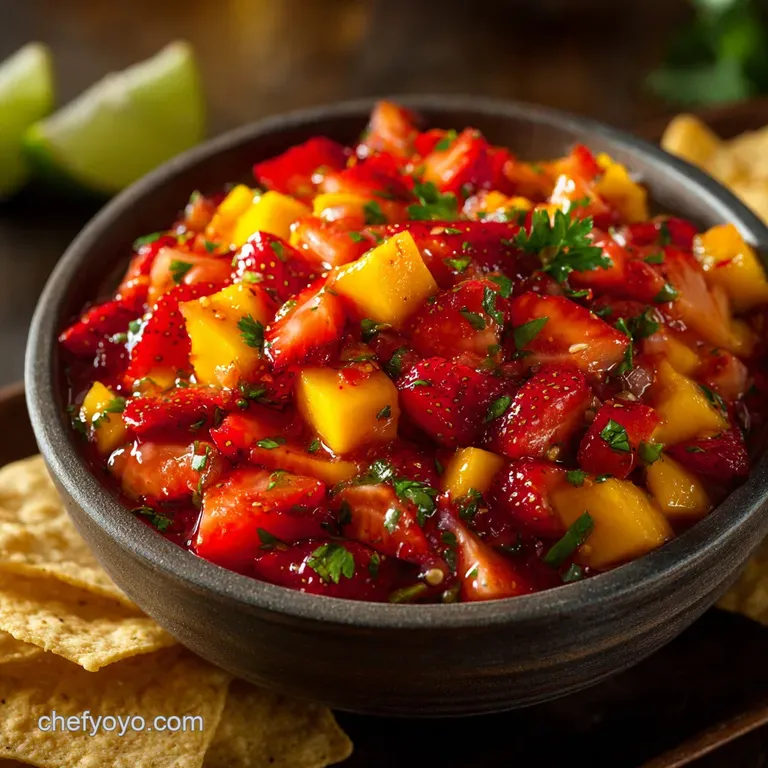
- Introducing the Ultimate Summer Dip: Strawberry Mango Salsa
- The Culinary Science of Balance: Why This Salsa Tastes So Good
- Essential Ingredients for Your Strawberry Mango Salsa (And Smart Swaps)
- Crafting the Perfect Batch: Step-by-Step Method
- How to Store and Preserve Your Fresh Fruit Salsa
- Unlocking Versatility: Creative Ways to Serve Strawberry Mango Salsa
- Recipe FAQs
- 📝 Recipe Card
Introducing the Ultimate Summer Dip: Strawberry Mango Salsa
Seriously, forget heavy, dark red dips for a second. This Strawberry Mango Salsa smells like a proper summer holiday. The moment you mix the fruit with the lime and the jalapeño, your kitchen instantly bursts with sunshine and tropical vibes.
The texture is the best part: crunchy, soft, and slightly juicy, all held together by that amazing cilantro zing.
I call this the ultimate lifesaver recipe because it requires zero cooking. It’s fast, it's cheap when berries and mangoes are in season, and it looks insanely impressive for practically no effort.
When people ask what they can bring to a party, I always tell them to make this salsa it takes 15 minutes max and tastes way better than anything store-bought.
We are diving into the specifics today because simply chopping fruit and throwing it into a bowl won't cut it. We need balance, texture, and that gorgeous punch of acid to make the sweetness sing, not scream. Let’s crack on and make this perfectly vibrant fresh summer mango salsa .
The Culinary Science of Balance: Why This Salsa Tastes So Good
This recipe works because we are aggressively balancing sweet, spicy, and acidic elements. It's not just a fruit salad; it's a meticulously crafted condiment.
The Unexpected Versatility of Fruity Salsa
Fruity salsa might sound like it belongs strictly with cinnamon chips, but trust me, friend, its versatility is its superpower. The high acid content cuts beautifully through rich or fatty proteins, making it a stellar counterpoint to everything from grilled halibut to rich pork tenderloin.
It’s also brilliant because it uses those slightly overripe mangoes and strawberries that are just begging to be used up.
Where Sweet Fruit Meets Savory Spice (The Flavor Profile)
You need to think about the flavor profile like a symphony. The mango provides deep, tropical sweetness, and the strawberries offer a familiar, slightly acidic berry note. That sweetness needs a loud opposition, which comes from the pungent red onion and the earthy cilantro.
Without the savory elements, you just have a compote we are aiming for bright, complex flavor.
Achieving Textural Harmony: The Importance of Precision Dicing
This is non-negotiable for superior salsa. If your mango chunks are huge and your onion dice is tiny, the experience is inconsistent. Uniform dicing ensures that every spoonful delivers the perfect ratio of soft fruit, crunchy onion, and spicy pepper.
I know it seems fussy, but take the extra two minutes.
The Magic of Lime: Acid as the Flavor Catalyst
Lime juice isn't just for adding a citrus flavour; it’s our primary preservative and flavor catalyst. The acid prevents the fruit from browning too quickly and activates the cilantro and onion.
More importantly, the acidity heightens the perception of sweetness in the fruit without us needing to add a ton of sugar.
Taming the Heat: Integrating the Jalapeño for a Gentle Kick
We use jalapeño here, but we are extremely judicious about it. I always remove the seeds and the white inner membranes (the veins) because that’s where 90% of the heat lives. We want a gentle, subtle warmth in the background, not a fiery assault.
A mild strawberry mango salsa is more versatile, allowing the fruit to shine brightly.
Essential Ingredients for Your Strawberry Mango Salsa (And Smart Swaps)
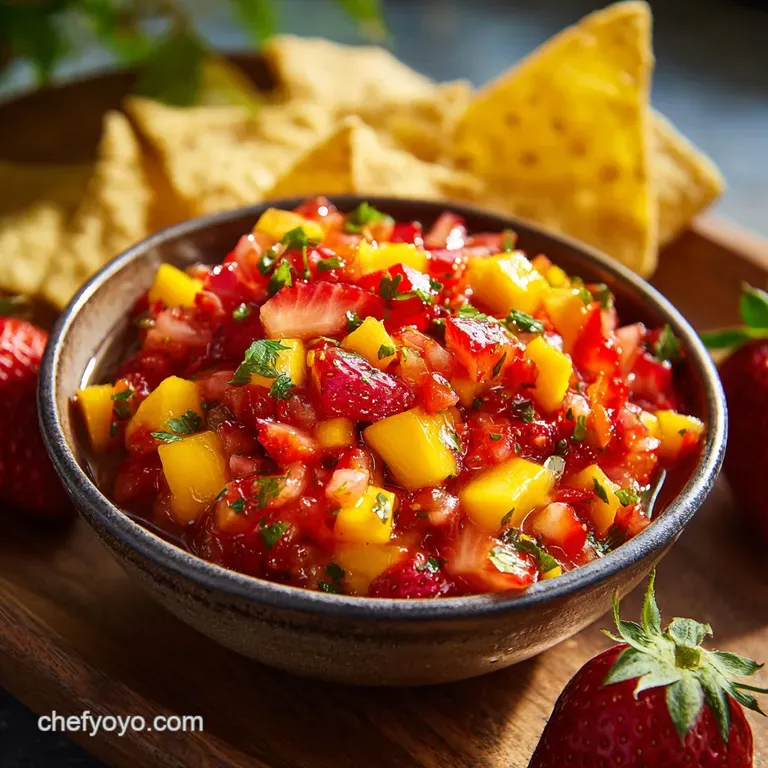
I always say a recipe is only as good as its raw ingredients. If you start with bland, white strawberries, even the best lime juice won't save you.
Selection Secrets: Choosing Ripe Mangoes and Deep Red Strawberries
When selecting mangoes, smell the stem end it should smell strongly tropical and sweet. It should give slightly when pressed, but never feel mushy, or you'll end up with a watery mess. For strawberries, choose the deepest red ones you can find; small, firm berries often have the most concentrated flavor.
The Aromatics: Dicing Red Onion Without the Tears
Chef's Tip: Red onions are key, but their sulfuric compounds can easily dominate. My trick? Dice the onion very finely and then run it under cold water in a sieve for 30 seconds. This "tames the onion" by washing away some of the harsh, volatile compounds. Don't skip this step!
Flavor Tweaks: Substitutions for Jalapeño and Cilantro
What if you hate cilantro? What if you can't find a decent mango? Don’t panic. We can fix this with simple swaps that maintain the desired flavour profile.
| Ingredient | Why We Use It | The Viable Substitute |
|---|---|---|
| Ripe Mango | Creamy sweetness, tropical base. | Peaches or Nectarines (peel them first) or Pineapple (for a tangier base). |
| Strawberries | Brightness, acidity, texture. | Raspberries (halved carefully) or Cherries (pitted and halved). |
| Jalapeño | Gentle, earthy background heat. | Serrano (use 1/4 of the amount, it’s much hotter) or a tiny dash of Cayenne Pepper . |
| Cilantro | Fresh, pungent, savory lift. | Fresh Mint or flat leaf Parsley (use less, though). |
| Red Onion | Crisp texture, mild pungency. | Finely chopped Chives or the white parts of Scallions (Spring Onions) . |
Must Have Equipment for Perfect Dicing
You absolutely need a sharp knife. A dull knife crushes the fruit rather than cleanly cutting it, leading to excessive juice release and a mushy outcome. A non-reactive bowl (glass or stainless steel) is also necessary, preventing the acid from picking up a metallic taste.
Crafting the Perfect Batch: step-by-step Method
Let's put this beauty together quickly and efficiently.
Prepping the Fruit: Cleaning, Hulling, and Perfect Cubes
First, rinse your strawberries and mangoes thoroughly. Hull the strawberries, then dice both fruits into roughly 8 10 mm cubes. The key is uniformity. Set the fruit aside in your non-reactive bowl, resisting the urge to snack too much!
The Mixing Phase: Combining Aromatics and Acid
In a smaller bowl or cup, combine your fresh lime juice, the zest, the salt, and the pepper. Give it a quick whisk to ensure the salt dissolves completely; this creates our curing brine. Now, add the cold rinsed red onion, the minced jalapeño, and the chopped cilantro to the bowl.
Stir that savory base into the dressing mixture.
The Waiting Game: Why Resting is Crucial for Flavor Fusion
Gently pour the savory acid mixture over the diced fruit. Use a rubber spatula to fold the ingredients together carefully, lifting from the bottom of the bowl. Cover the salsa tightly and place it in the fridge for at least 25 minutes, or up to 2 hours.
This resting period allows the salt to draw out a tiny bit of moisture and, crucially, lets the acid marry all those diverse flavors.
Troubleshooting a Watery Salsa: Draining Excess Juices
When you take the salsa out of the fridge, you might notice a small pool of liquid at the bottom. This is normal and often necessary! Use a slotted spoon or gently tilt the bowl to drain off any excess liquid before serving.
Serving wet salsa makes your chips soggy instantly, which is a culinary tragedy.
Adjusting the Spice Level: Seeding vs. Vena Removal
If you want mild heat, remove all seeds and the white membrane from the jalapeño. If you want medium heat, remove the seeds but leave some of the membrane intact. For spicy heat, leave everything in, but trust me, most people prefer the fruity version with just a hint of warmth.
Achieving Optimal Color Retention
The acid in the lime juice helps tremendously with color retention, keeping the mangoes vibrant yellow and the strawberries deep red. However, this salsa is best enjoyed within 12 hours of preparation for peak visual appeal. If you want to use the mango flavor in another way, try the recipe for Classic Restaurant Style Indian Mango Lassi 10 Mins Prep !
How to Store and Preserve Your Fresh Fruit Salsa
Let's talk logistics. You always make too much, right?
Shelf Life Specifics: Refrigerator Storage Guidelines
Because this salsa is full of fresh fruit and high acidity, it holds up reasonably well in the fridge. Store it in an airtight container for up to 3 days . After the third day, the strawberries will start to break down and become mushy, and the color won't be as appealing.
Can You Freeze Strawberry Mango Salsa? (The Answer is Nuanced)
Technically, yes, you can freeze it. However, I strongly advise against it. Freezing and thawing destroys the texture of both mangoes and strawberries, turning them soft and watery.
If you must freeze it, plan to use the thawed salsa blended as a quick, spicy cocktail base or marinade, not as a chunky dip.
Reviving Day-Old Salsa for Maximum Freshness
If your salsa is a day old and looks a little tired, don't throw it out! Simply drain any excess liquid that has accumulated. Then, stir in a fresh squeeze of lime juice, a small pinch of salt, and maybe a tiny sprinkle of freshly chopped cilantro. It instantly brightens up and tastes nearly brand new.
Unlocking Versatility: Creative Ways to Serve Strawberry Mango Salsa
This easy strawberry mango salsa isn't just for dipping. It deserves a starring role at your next meal.
Beyond the Chip: Pairing Salsa with Grilled Fish and Poultry
This is where the salsa truly shines. It provides the perfect sweet, tangy, and cool counterpoint to fatty fish like salmon or savory grilled chicken. It's truly spectacular over flaky white fish like cod or snapper. For a fun summer appetizer, consider serving a scoop of this salsa alongside our Grilled Chicken and Strawberry Spring Rolls: Perfect Summer Appetizer .
Unexpected Uses: As a Topping for Desserts and Breakfast
This salsa works surprisingly well in sweet contexts too! Use it as a vibrant topping for cottage cheese or Greek yogurt in the morning. If you’re feeling adventurous, spoon it over a simple scoop of vanilla ice cream the salt and pepper in the salsa create a fantastic, complex flavor contrast.
Building the Perfect Appetizer Platter
Don't just put the salsa in a bowl. For maximum visual impact, spread a layer of cream cheese on a shallow serving plate, then gently spoon the salsa over the top. Serve with sturdy, unsalted tortilla chips or, even better, homemade cinnamon chips for a truly decadent treat.
Recipe FAQs
How long will Strawberry Mango Salsa stay fresh, and can I make it ahead of time?
This fresh salsa is best consumed within 12 to 24 hours of preparation for optimal texture and flavor. While you can make it 2 3 hours ahead, ensure you cover it tightly and keep it chilled. The acidity of the lime juice will naturally start to soften the diced fruit over time, so precision timing is recommended.
Why is my finished salsa very watery or soupy?
Excess liquid often results from using overly ripe or bruised fruit, or by adding table salt too early, which draws moisture out via osmosis. To prevent this, use firm but ripe mangoes and strawberries, and always hold back on adding the salt until immediately before you plan to serve the salsa.
I want less heat; how can I reduce the spice from the jalapeño?
The majority of the heat in a pepper resides in the white pith and the seeds, not the outer flesh. For a much milder salsa, ensure you completely scrape away all internal membranes before finely dicing the jalapeño.
Alternatively, substitute the fresh jalapeño with a small amount of finely minced red bell pepper for color without any heat.
Can I freeze leftover Strawberry Mango Salsa for later use?
Freezing is not recommended for this fresh fruit salsa due to its high water content. When thawed, the frozen strawberries and mangoes will break down significantly and become mushy. This textural change results in a watery, unpleasant consistency that is unsuitable for dipping.
What are some good fruit substitutions if I don't have fresh mango or strawberries?
Pineapple is an excellent substitution for mango, offering a similar tropical sweetness, acidity, and firm texture. For strawberries, you could try using finely diced kiwi or even firm peaches, ensuring that any substitute fruit is robust enough to hold its shape when chopped.
My salsa tastes a little flat. What is the professional secret to boosting the flavor?
If the salsa tastes bland, it usually needs more acid to contrast the sweetness. Try adding a little extra fresh lime zest alongside the juice, which provides highly concentrated citrus oil flavors. A pinch of cumin or a tiny splash of rice vinegar can also add a necessary savory depth.
What is the best type of chip or accompaniment for this specific fruit salsa?
Due to its inherent sweetness, this salsa pairs wonderfully with sturdy, lightly salted tortilla chips that provide a necessary savory counter balance. Beyond chips, it works brilliantly as a fresh topping for grilled white fish like cod or salmon, or spooned over grilled pork tenderloin.
Easy Strawberry Mango Salsa Recipe
Ingredients:
Instructions:
Nutrition Facts:
| Calories | 100 kcal |
|---|---|
| Fat | 1 g |
| Fiber | 3 g |
