Chefs Secret Fluffy Flavourful Brown Rice Stovetop Absorption Method

- The Cardboard Cure: Why Your Brown Rice Deserves Better
- Sourcing Your Supplies: Essential Components for Success
- The Golden Ratio and Foundational Brown Rice Preparation Tips
- Building the Flavor Base: Step-by-Step Stovetop Technique
- The Patience Principle: Resting and Fluffing for Optimal Texture
- Solving Sticky Situations: Advanced Brown Rice Preparation Tips and Troubleshooting
- Future Planning: Storage Solutions and Nutritional Benefits
- Recipe FAQs
- 📝 Recipe Card
The Cardboard Cure: Why Your Brown Rice Deserves Better
For decades, brown rice has suffered an injustice. It's often relegated to the status of a dry, tough, and frankly, bland health food chore. But I'm here to tell you that truly Fluffy Brown Rice Secret lies not in a complex recipe, but in dedicated technique and understanding the grain itself.
The key to achieving Perfectly Cooked Brown Rice is abandoning the generic ‘boil and-drain’ method used for its white cousin and embracing the precision required by this whole grain. Our goal is to transform the grain from a necessary nutritional component into a genuinely satisfying side dish.
These essential Brown Rice Preparation Tips will ensure a successful result every time.
The Scientific Shift: Absorption vs. Boiling
The husk of brown rice retains the nutrient rich bran and germ layers, which require more time and controlled moisture to break down than polished white rice. When you boil brown rice in excess water and then drain it, you risk two major issues: leaching out water soluble nutrients and creating an inconsistent texture some grains becoming soft while others remain tooth shattering.
Our preferred technique, the Stovetop absorption method, uses a precisely measured 1:2 ratio (liquid to rice) and a tight fitting lid, trapping all the steam and flavor, guaranteeing the rice is cooked evenly from core to surface.
Elevating the Grain: Introducing Savory Foundation Fats
A crucial step often missed when learning how to prepare brown rice is the introduction of a flavor foundation. Simply cooking rice in water yields a sterile result. By starting with a tablespoon of unsalted butter or olive oil, and optionally incorporating a minced clove of garlic, we build immense depth.
This simple addition provides the initial lubrication necessary for the next key step: toasting.
The Payoff: Texture, Flavor, and Foolproof Results
When these methods precise liquid measurement, flavor boosting, and the absorption technique are combined, the payoff is immediate and profound. The resulting rice is nutty, beautifully separated, and wonderfully tender without being mushy.
This comprehensive approach to brown rice cooking tips not only improves texture but transforms the grain into a Healthy Seasoned Rice base, ideal for complementing everything from simple roasted chicken to complex curries.
Sourcing Your Supplies: Essential Components for Success
Before we dive into the specific steps, successful execution begins with quality ingredients and the right gear. Achieving consistently high results requires treating brown rice like the complex ingredient it is, rather than just a simple filler.
We always aim for long grain brown rice, which provides the best structure for separated, fluffy results, and we ditch the tap water in favor of a richer cooking medium.
The Golden Ratio and Foundational Brown Rice Preparation Tips
Mastering the ratio is the most fundamental of all brown rice tips. For this method, we rely on the classic but often ignored 1 part rice to 2 parts liquid. For a standard recipe yielding four generous servings, this means 1 cup of dry rice requires 2 cups of stock.
Selecting the Right Long Grain Variety
While short grain brown rice exists, it tends to be sticker and chewier. For the separated, Fluffy Brown Rice Secret texture we are aiming for, always opt for a good quality long grain brown rice. Its structure ensures the final grains remain distinct after the required 45-to-50-minute cooking time.
Stock vs. Water: Choosing Your Flavor Base
One of the easiest yet most impactful Brown Rice Preparation Tips is replacing plain water with stock. Use 2 cups of low-sodium chicken or vegetable stock per 1 cup of rice. This substitutes bland hydration with savory depth, ensuring every grain is seasoned from the inside out.
Remember to adjust the added salt (about half a teaspoon) if your chosen stock is already highly salted.
Must Have Kitchen Gear for Perfect Rice Prep
You need three key pieces of equipment: a fine mesh sieve for rinsing, accurate measuring cups or a digital kitchen scale (for the precise liquid measurement), and, most critically, a heavy bottomed saucepan or small Dutch oven.
The heavy bottom helps regulate the heat once it’s reduced, and the lid must be tight fitting to prevent precious steam from escaping during the long simmer.
Pre-Soaking or Rinsing: Does it Make a Difference?
Absolutely. Learning how to brown rice before cooking starts with rinsing. Place the 1 cup of brown rice in a fine mesh sieve and rinse under cold running water for 30 60 seconds. This step is vital for washing away excess surface starch and any potential dust.
For extra tenderness, especially if you find your brown rice often comes out slightly firm, consider an optional pre-soak in cold water for 30– 60 minutes before draining thoroughly and proceeding with the recipe.
Achieving Precise Liquid Measurement
While cooking other grains might allow for some approximation, the Stovetop absorption method demands precision. Use a dedicated liquid measuring cup to ensure you have exactly 2 cups (475 ml) of stock ready to go. Any deviation can lead to burnt rice (too little liquid) or mushy rice (too much).
Related Recipes Worth Trying
- Ultimate Nigerian Jollof Rice Recipe Achieve the Party Smoke Flavour — The authentic Nigerian Jollof Rice recipe for perfectly separate smoky grains This classic West African onepot meal is the ideal showstopper for Sunday dinner
- The Monday Classic Proper Louisiana Red Beans and Rice Recipe — Forget the tinned stuff Our traditional Louisiana Red Beans and Rice recipe is slowcooked for rich smoky depth and that essential creamy texture Pure...
- Creamy Louisiana Red Beans and Rice Recipe The Monday Tradition — This authentic Southern Red Beans and Rice Recipe delivers deep smoky flavour and the ultimate creamy texture without fuss Pure New Orleans comfort food...
Building the Flavor Base: step-by-step Stovetop Technique
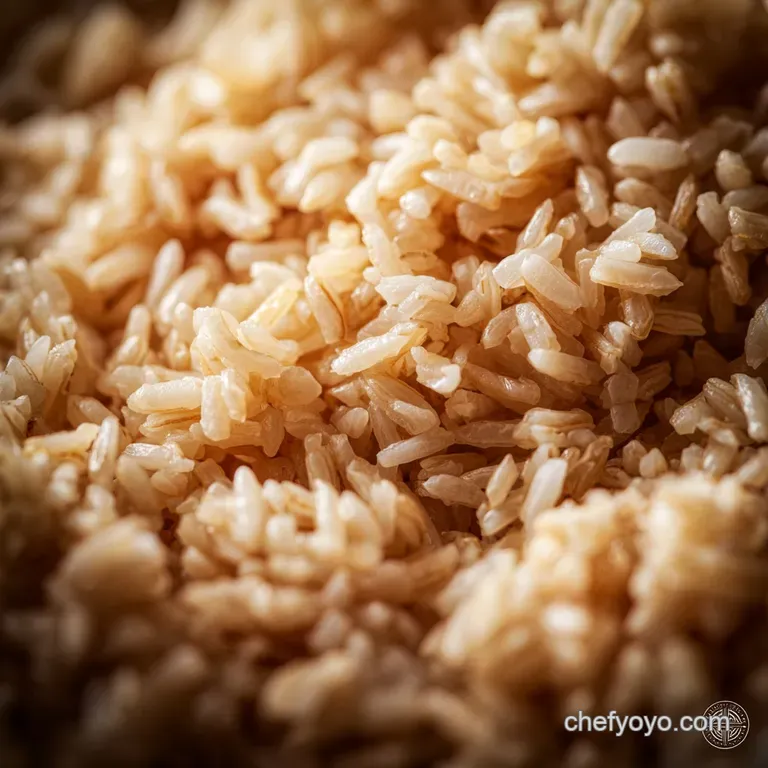
The first stage of cooking is active but fast, setting the stage for flavor intensity. Start by heating your chosen fat be it the 1 Tbsp of butter or oil in your heavy bottomed pot over medium heat.
If using aromatics, such as a small clove of minced garlic, sauté it for a quick 30 seconds until fragrant, taking care not to let it burn. This immediate flavor infusion is the foundation for a truly gourmet grain.
The Patience Principle: Resting and Fluffing for Optimal Texture
Once the flavor base is established, the majority of the work relies purely on time and consistent, low heat. These brown rice tips are non-negotiable for success.
The Crucial 'Toasting' Stage for Nutty Depth
This step is truly the secret to superior texture and flavor. Add the thoroughly drained, rinsed rice to the hot fat and aromatics. Stir constantly for 2– 3 minutes.
You will notice the grains start to look slightly translucent around the edges, and a rich, nutty aroma will fill your kitchen. This is how to prepare brown rice that is structurally sound and deeply flavored.
Low and Slow: Managing Simmer Control
Once the rice is toasted, pour in the measured 2 cups of stock, add the half teaspoon of salt, pepper, and an optional bay leaf. Bring the mixture quickly to a rolling boil over high heat.
Give it one swift, final stir to ensure no rice is sticking to the base of the pot, then immediately reduce the heat to the absolute lowest setting.
Timing and Temperature: Key Brown Rice Preparation Tips for the Simmer
Place the tight fitting lid on the pot the moment the heat is lowered. From this point forward, the lid is the law. The pot must simmer, completely undisturbed, for 45– 50 minutes.
The trapped steam and low, gentle heat allow the liquid to be drawn into the dense brown rice grains uniformly. Resist every temptation to peek; lifting the lid releases the steam crucial for thorough cooking.
The Non-Negotiable Steam Time
After the 45– 50 minutes are up, remove the pot completely from the heat source. Do not remove the lid. Allow the rice to rest and steam in its own residual heat for a mandatory 10 minutes ( 15 minutes is even better).
This period allows any remaining surface moisture to redistribute evenly throughout the grains, preventing a mushy top layer and a dry bottom layer. This essential resting period ensures the perfect, fluffy separation we are aiming for.
Fluffing Protocol: Gentle Handling Post Cook
Only after the rest time is complete should you lift the lid. Discard the bay leaf, if used. Use a fork never a spoon to gently fluff the rice. A fork separates the grains without crushing them, maintaining their integrity and beautiful, light texture.
Solving Sticky Situations: Advanced Brown Rice Preparation Tips and Troubleshooting
Even with the best preparation, variables like stove quality or altitude can affect the outcome. Having Advanced Brown Rice Preparation Tips on hand ensures you can pivot quickly.
Why Your Rice Turned Mushy (And How to Fix It)
Mushy rice is usually the result of one of two issues: either too much liquid was used initially (the ratio was off) or the heat was too high during the simmering phase, forcing the liquid to absorb too quickly.
Ensure your stove is set to the absolute lowest simmer and, if necessary, verify your measuring cups are accurate. If you find the rice is mushy before the liquid is fully absorbed, remove the pot from the heat and proceed immediately to the rest phase to salvage what you can.
Adjusting Cooking Times for High Altitude
At higher elevations, water boils at a lower temperature, meaning food requires more time to cook thoroughly. If you live significantly above sea level, you may need to increase your liquid ratio slightly (e.g., to 2.25 cups of stock) and increase the simmering time by 5– 10 minutes to compensate for the lower boiling point.
Converting the Recipe to a Rice Cooker Method
While the stovetop provides the deepest flavor, you can adapt this recipe for a rice cooker. Complete the toasting and flavor building stages (the garlic and fat sauté) on the stove first, then transfer the toasted rice and measured 2 cups of stock to the rice cooker. Use the 'brown rice' setting.
Once the cycle finishes, still allow the rice to rest in the closed cooker for 10 minutes before fluffing.
Future Planning: Storage Solutions and Nutritional Benefits
A successful batch of perfectly cooked grains opens the door to numerous future meals, but proper handling is key.
Safe Storage Periods and Reheating Techniques
Leftover brown rice must be cooled and stored quickly within two hours of cooking to prevent bacterial growth. Store cooled rice in an airtight container in the refrigerator for up to 3 4 days.
When reheating, sprinkle a tablespoon of water or stock over the rice before microwaving or frying, as this reintroduces essential moisture and prevents it from drying out.
Maximizing the Nutritional Punch of Whole Grains
By eating the whole grain, you gain fiber, magnesium, and essential B vitamins that are stripped away during the processing of white rice. The method of using stock and natural fats (like butter or olive oil) increases satiety while keeping the grain firmly within the bounds of a healthy meal component, maximizing its nutritional contribution.
Creative Culinary Uses for Leftovers (Fried Rice, Bowls)
The firmness and flavor of high-quality brown rice make it an ideal base for many fantastic Brown Rice Side Dishes. Leftovers are perfect for transforming into fried rice the residual starch works perfectly to prevent the dish from becoming sticky.
It also serves as a robust base for grain bowls, such as Buddha bowls or poke bowls, paired with roasted vegetables and protein, or even served cold in vibrant grain salads.
Recipe FAQs
Why does my brown rice always turn out mushy or conversely, dry and crunchy?
It’s often down to liquid ratio or impatiently lifting the lid, which is a massive no-no. Brown rice needs precisely two parts liquid to one part rice, and it relies heavily on the final steam during the rest time to finish cooking properly.
If the grain is crunchy, you likely needed a fraction more liquid or a tighter seal; if it's mushy, you probably peeked while it was simmering!
What are the most crucial Brown Rice Preparation Tips for achieving that perfect, fluffy texture?
The absolute key is patience and respect for the steam think of the pot lid as sacred territory! Do not lift the lid during the 45-minute simmer or the mandatory 10-minute rest, as this traps the crucial moisture needed for even cooking.
Also, make sure you properly rinse and then toast the grains in butter or oil before simmering; this adds incredible nutty depth and helps keep the grains separate.
I find brown rice a bit bland how can I inject a bit more oomph into it?
The simple swap from plain water to a quality, low-sodium stock is the biggest game changer, infusing flavour from the off. For extra punch, sauté some minced garlic or shallots in the fat before toasting the rice, or throw in a couple of dried mushrooms during the simmer.
When you serve it up, a squeeze of fresh lemon juice and a good scattering of chopped parsley really lifts the whole dish.
Is soaking the brown rice really worth the extra faff, or is it just a waste of time?
While soaking adds 30 minutes of prep faff, it is definitely worth considering, especially if you like very tender rice. Soaking helps break down the tough outer bran layer, resulting in a noticeably softer, less chewy grain that feels more like white rice.
It’s certainly not mandatory, but if you’re batch cooking, it gives reliable, spot-on results every time.
Can I cook a big batch of this brown rice ahead of time for meal prep, and how long will it keep?
Absolutely, perfectly cooked brown rice is a splendid component for meal prepping throughout the week. Once cooked, spread it out on a tray quickly to cool before storing it in an airtight container in the fridge for 4 5 days.
When reheating (microwave or stovetop), sprinkle a tablespoon of water over it and cover it tightly; this replaces the lost moisture and keeps it lovely and fluffy.
Fluffy Brown Rice Preparation Tips Stovetop Secr
Ingredients:
Instructions:
Nutrition Facts:
| Calories | 435 kcal |
|---|---|
| Protein | 16.0 g |
| Fat | 7.5 g |
| Carbs | 57.9 g |
| Fiber | 15.8 g |
| Sodium | 10537 mg |
