Tuna Salad: the Ultimate Fresh Crunchy Lunchtime Hero
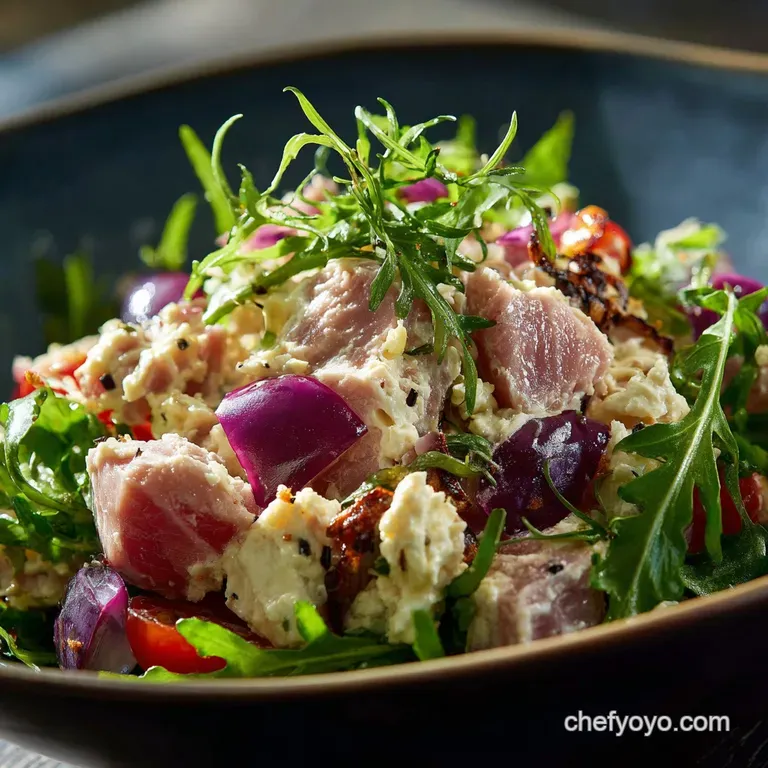
- The Ultimate Fresh & Crunchy Tuna Salad: Why This Recipe Is Your New Lunchtime Hero
- The Science of Sensation: Why This Tuna Salad Recipe Delivers Maximum Freshness
- Required Ingredients and Smart Substitutions for the Ultimate Tuna Salad
- Step-by-Step Method: Preparing Your Ultimate Fresh Tuna Salad
- Chef's Secrets and Avoiding Common Tuna Salad Mistakes
- Storage Solutions: Keeping Your Tuna Salad Fresh and Safe
- Beyond the Sandwich: Creative Serving Suggestions
- Recipe FAQs
- 📝 Recipe Card
The Ultimate Fresh & Crunchy Tuna Salad: Why This Recipe Is Your New Lunchtime Hero
That specific, satisfying crunch, that’s what we’re chasing here. When you manage to nail the texture in a classic tuna salad, it’s seriously unforgettable, creating a flavor profile that is miles away from the bland deli stuff.
I’m talking about bright, refreshing acidity that cuts through the creamy dressing, guaranteeing freshness in every single bite.
This specific tuna salad recipe is a total lifesaver for those frantic weeknights or when you realize you completely forgot to plan lunch. It’s incredibly fast, super cheap, and totally packed with lean, delicious protein. Forget sad desk lunches forever; this is gourmet ease and clean eating combined.
Over the years, I've made every single tuna salad mistake possible, like creating mushy paste or forgetting the crucial acidic kick. I’ve finally cracked the code on achieving maximum flavor and zero sogginess, turning this humble recipe into a certified superstar.
Let’s dive into how to make your very best tuna salad, the one that everyone asks you for.
The Science of Sensation: Why This Tuna Salad Recipe Delivers Maximum Freshness
A perfect tuna salad shouldn’t feel heavy or overly rich. Our focus is on balancing the richness of the base with strong, bright contrasting flavors and textures. It sounds complicated, but trust me, it’s just smart mixing.
Ditching the Heavy Mayo: Our Secret to Brightness and Lightness
Using straight mayonnaise makes for a dense, cloying salad. We fix this by cutting the full fat mayo with a tablespoon or two of Greek yogurt or crème fraîche. This simple trick adds a gorgeous tanginess and lightens the mouthfeel considerably.
The acidity from the yogurt also makes the fish flavor pop, giving the whole dish that clean, vibrant finish we crave.
The Texture Toolkit: Mastering the Perfect Crunch and Crispness
Texture is absolutely non-negotiable for a superior salad. We are using finely diced celery and red onion, making sure the crunch is evenly distributed, not sporadic. The biggest mistake people make is chopping vegetables too large.
We want tiny, sharp explosions of crispness in every bite, not massive celery chunks.
Tuna Selection Guide: Choosing the Best Base (Oil vs. Water)
I prefer high-quality Albacore or Skipjack tuna packed in olive oil, but you must drain it religiously. While oil-packed tuna offers superior flavor and texture, water packed is leaner and just fine if you squeeze every drop out.
Excess liquid, whether oil or water, kills the crunch and ruins the consistency of your dressing.
The Acidity Balance: Elevating Flavor with Citrus and Vinegar
Tuna is salty and rich, meaning it desperately needs acid to balance it out. We rely on fresh lemon juice and the brine from capers or pickles. Dijon mustard is also a powerful secret weapon here, providing a vinegary sharpness that binds the dressing beautifully. Don’t skip the acid!
Thermal Contrast: Why Serving Temperature Matters for Texture
This isn't just about food safety; chilling makes the dish better. When the salad rests in the fridge, the crunchy elements like the celery firm up. Serving it cold, straight from the fridge, highlights the thermal contrast, making the crunchy bits feel even crisper against the cool, creamy base.
Required Ingredients and Smart Substitutions for the Ultimate Tuna Salad
This recipe keeps the ingredient list short, focusing on quality and functionality. Every item plays a specific, critical role in achieving flavor and texture perfection.
Mandatory Crunch: Essential Vegetables for Maximum Crispness
We rely heavily on fresh celery and pungent red onion for their bite. If you’re not a fan of red onion’s intensity, soaking the diced pieces in ice water for ten minutes before using them washes away some of the harsh bite. You could also sub them out completely.
Creamy Base Swaps: Greek Yogurt, Crème Fraîche, and Vegan Options
You have options for the creamy base, which is fantastic news. I love the yogurt, but sometimes I use a bit of sour cream if I have it on hand for a slightly richer feel. For those avoiding dairy or looking for a fully vegan option, feel free to use 100% good quality vegan mayonnaise instead of the mix.
Herb Garden Additions: Freshness Boosters That Define the Dish
Dill and flat leaf parsley are my power duo here; they add so much necessary brightness. Dill gives that classic "salad" flavor, and parsley is essential for freshness. If you want a more Mediterranean vibe, swap them out for fresh oregano and basil it totally changes the profile.
Navigating Sodium: Using Capers and Pickles Responsibly
Capers are tiny bombs of salt and acidity, which is why we love them, but we use them cautiously. If you don't have capers, finely diced pickles (cornichons are excellent) provide that tangy, briny flavor and extra crunch. Always taste before adding extra salt, especially when using these ingredients!
| Ingredient to Substitute | Recommended Alternative | Notes |
|---|---|---|
| Greek Yogurt/Crème Fraîche | Sour Cream or Extra Mayonnaise | Sour cream provides similar tang; more mayo makes it richer and creamier. |
| Red Onion | Finely Minced Shallots or Chives | Shallots are much milder; chives add flavour without the texture heft. |
| Capers | Finely diced Cornichons or Dill Pickles | Provides the necessary acidity and crunch. |
| Fresh Dill | Fresh Tarragon or Chives | Tarragon offers an anise like note that pairs wonderfully with tuna. |
step-by-step Method: Preparing Your Ultimate Fresh Tuna Salad
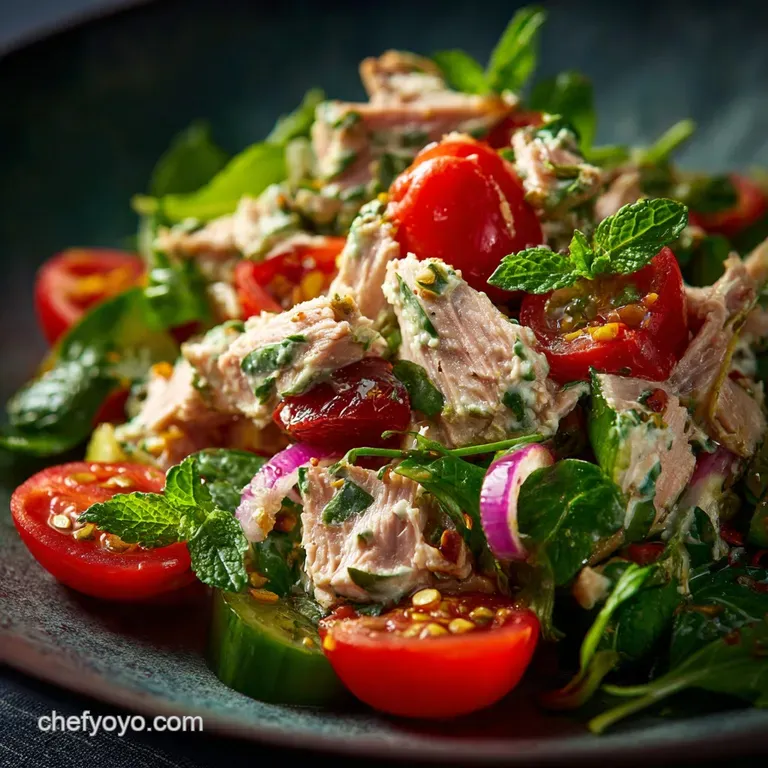
Prepping the Tuna: Thorough Draining is Non-Negotiable
- Open both cans of tuna and drain them completely. This step is crucial. Use the lid or a fork to press down firmly, squeezing out all the liquid.
- For maximum dryness: Turn the tuna out onto a few layers of paper towels and gently press down to wick away any remaining moisture. This only takes a minute but makes a world of difference in the final texture.
Chopping Technique: Ensuring Uniform Size for Optimal Texture
- Finely dice the celery and the red onion. Remember, we are aiming for very small, uniform pieces (think 3 4mm cubes). If the pieces are too big, they dominate the bite.
- Finely chop your fresh herbs (dill and parsley).
The Gentle Mix: Combining Wet and Dry Ingredients
- In a medium mixing bowl, whisk together the mayonnaise, Greek yogurt, Dijon mustard, and fresh lemon juice until smooth.
- Add the dried, flaked tuna to the dressing mixture. Use a fork to gently break the tuna into satisfying, bite sized flakes— do not mash it into a paste.
The Critical Chill: Why Resting the Salad Improves Taste
- Stir in the finely diced celery, red onion, capers, and the chopped herbs.
- Use a rubber spatula to fold all the ingredients together gently until the dressing coats everything evenly.
- Taste the mixture. Add salt and freshly ground black pepper as needed. Start slow —the capers and canned fish are already salty!
- Cover the bowl tightly and chill the tuna salad in the refrigerator for at least 30 minutes. This rest period is essential; it allows the flavors to truly meld and deepen.
Chef's Note: If you want a fun, light summer side, this method works beautifully for my Fiesta Bean Salad Recipe: Easy, No-Cook Summer Gathering Side Dish . The key to both is balancing wet binders with fresh, crisp veg.
Chef's Secrets and Avoiding Common Tuna Salad Mistakes
Preventing a Soggy Salad: Managing Moisture from Vegetables
People often forget that chopped vegetables start weeping moisture immediately after dicing. If you are prepping this salad ahead of time, consider keeping the chopped celery and onion separate and adding them just 30 minutes before serving.
This guarantees maximum crunch right before it hits the plate.
The Salt Test: Seasoning Adjustment After the Chill
Did you know things taste less intensely flavored when they are cold? It’s true! Never do your final seasoning until the salad has fully chilled. Taste it right out of the fridge, then adjust the salt and pepper. This prevents you from over salting the dish when it is warm.
When to Add the Herbs (And Why Timing Matters)
Fresh herbs should always be added towards the end of the mixing process. If you fold them in too early and mix too aggressively, you bruise them, and they lose their vibrant green color and fresh flavor. Keep them bright!
Storage Solutions: Keeping Your Tuna Salad Fresh and Safe
Shelf Life: How Long Does Tuna Salad Last in the Fridge?
Since this recipe contains mayonnaise and fish, safety is key. If stored properly in an airtight container, this tuna salad is fantastic for up to 3 to 4 days in the fridge. Do not push it past day four.
Best Practices for Container Selection
Use a glass or non-porous airtight container. Plastic containers can sometimes absorb the strong onion or dill smells, which is not what we want. Keep it sealed tightly, ideally stored on a middle shelf where the temperature remains consistent.
The Verdict on Freezing Tuna Salad (Spoiler: It’s Complicated)
Can you freeze tuna salad? Technically, yes, but please don't. The moment the dressing (mayonnaise/yogurt) thaws, the emulsion breaks, leaving you with a watery, grainy mess. The crisp vegetables like celery also turn soft and mushy upon thawing. This is a quick make, quick eat recipe. If you need a make-ahead solution, focus on my Southwestern Black Bean Salad: The Quick, No-Cook Summer Side Dish instead, as it holds up much better.
Beyond the Sandwich: Creative Serving Suggestions
The classic tuna salad sandwich is amazing, but don't limit yourself! This fresh, crunchy version is versatile enough to be a component of so many different meals.
- The Low-Carb Crunch: Pile generous scoops into large, crisp Little Gem or butter lettuce cups.
- Jacket Spud Hero: Serve it steaming hot piled high on a baked potato (the British classic!), maybe with a sprinkle of smoked paprika.
- The Savory Dip: Serve it chilled alongside crunchy sliced cucumbers and carrot sticks, almost like an incredibly protein heavy dip.
- Salad Upgrade: Use it as the protein centerpiece on a bed of fresh greens, maybe pairing it with the clean flavors of my Sweet and Spicy Crunchy Thai Cucumber Salad: Quick, Easy Recipe .
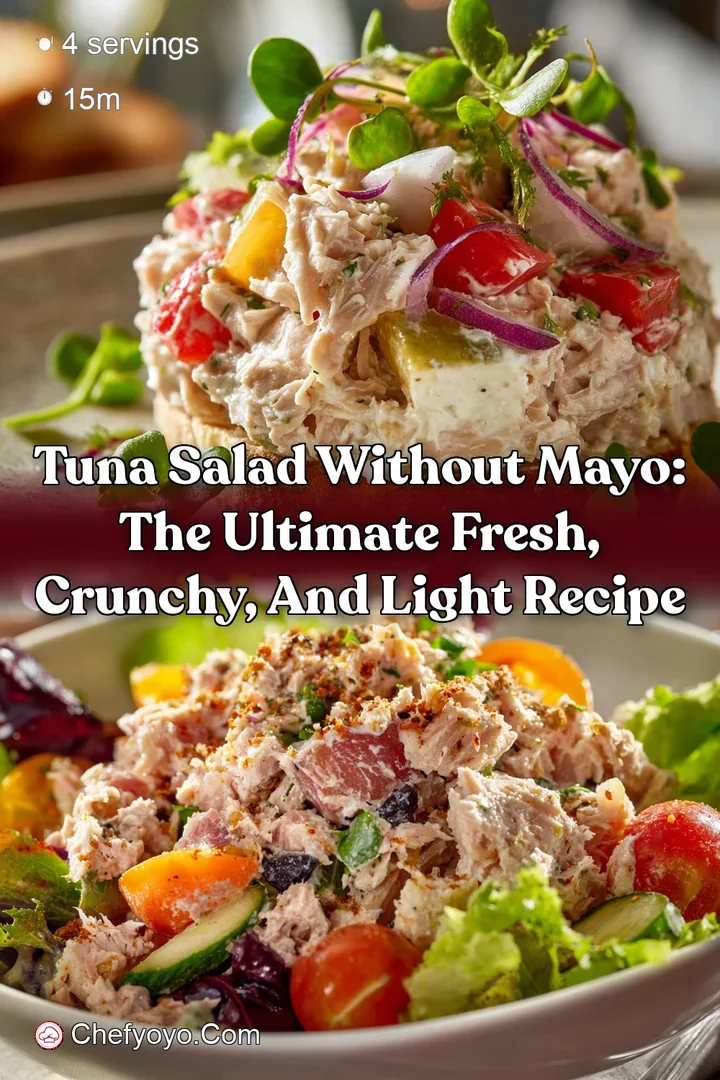
Recipe FAQs
Which type of canned tuna is best for the ultimate texture?
For superior texture, always choose solid white Albacore tuna packed in oil (drained very well) or skipjack tuna packed in water. These varieties offer firmer flakes that hold up better to mixing, ensuring your salad doesn't become mushy or overly pasty.
Avoid finely flaked tuna, which tends to incorporate too much moisture.
Why does my tuna salad sometimes get watery after sitting overnight?
This "weeping" effect usually occurs when salt draws moisture out of the fresh, crunchy vegetables like celery, onions, or cucumbers. To mitigate this, ensure your canned tuna is patted extremely dry before mixing, and consider adding the dressing binder only a few hours before serving, especially if meal prepping.
Can I substitute Greek yogurt or mayonnaise with a healthier or vegan option?
Certainly. For a great vegan or dairy-free binder, use quality vegan mayonnaise or incorporate mashed avocado for a richer, creamier texture and healthy fats. Alternatively, use hummus for a protein boost, but you may need to add extra acid, like lemon juice, to maintain the necessary brightness.
My salad tastes a little dull. How can I brighten the flavor profile?
Tuna salad thrives on acidity and seasoning to cut through the richness of the binder. If the flavour is flat, add a generous squeeze of fresh lemon juice or a splash of vinegar, and incorporate savory enhancements like finely chopped capers or dill pickle relish.
Always taste and adjust salt and pepper levels at the end of preparation.
How long will this tuna salad last in the refrigerator?
When stored promptly in an airtight container, this tuna salad is best enjoyed within 3 to 4 days. While it remains safe to eat during this time, be aware that the crunchy vegetables will begin to soften significantly after the second day of storage.
Can I freeze leftover tuna salad for future use?
No, freezing tuna salad is highly discouraged due to significant quality degradation upon thawing. The emulsion in the mayonnaise or yogurt binder will break and separate, while the high water content of the celery and onions will turn the overall texture mushy and gritty.
Besides sandwiches, what are creative serving methods for this crunchy salad?
This fresh, crunchy recipe is fantastic served atop crisp lettuce cups (such as butter or romaine) for a lighter, low-carb meal. You can also spoon generous portions into hollowed out bell peppers or large Roma tomatoes for an elegant presentation, or use it as a robust dip alongside sturdy crackers and carrot sticks.
Fresh Crunchy Tuna Salad Hero
Ingredients:
Instructions:
Nutrition Facts:
| Calories | 285 calories |
|---|---|
| Fat | 18 g |
| Fiber | 1 g |
