Garlic Butter Chicken Bites Recipe
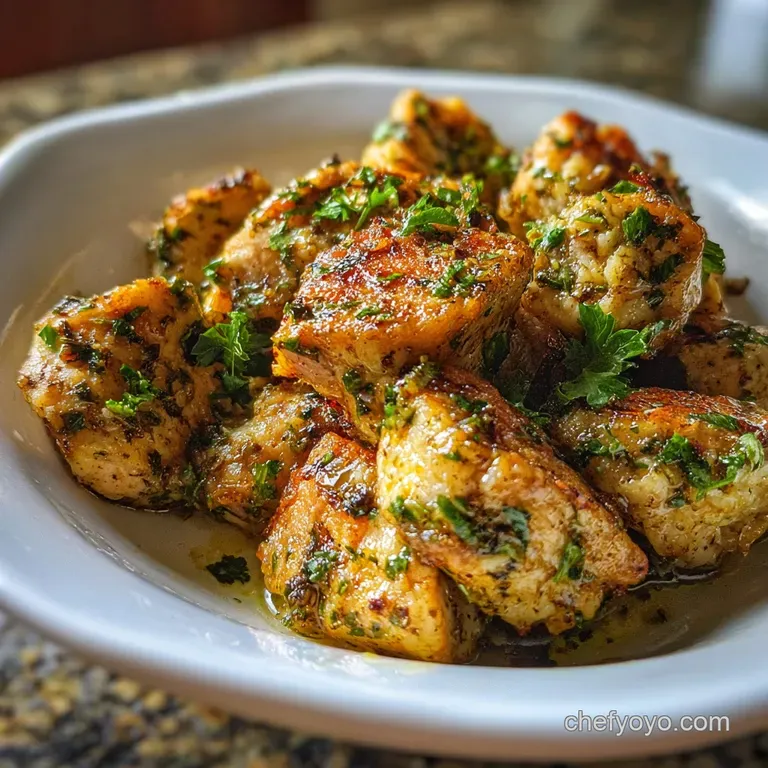
- Time: Active 10 minutes, Passive 8 minutes, Total 18 minutes
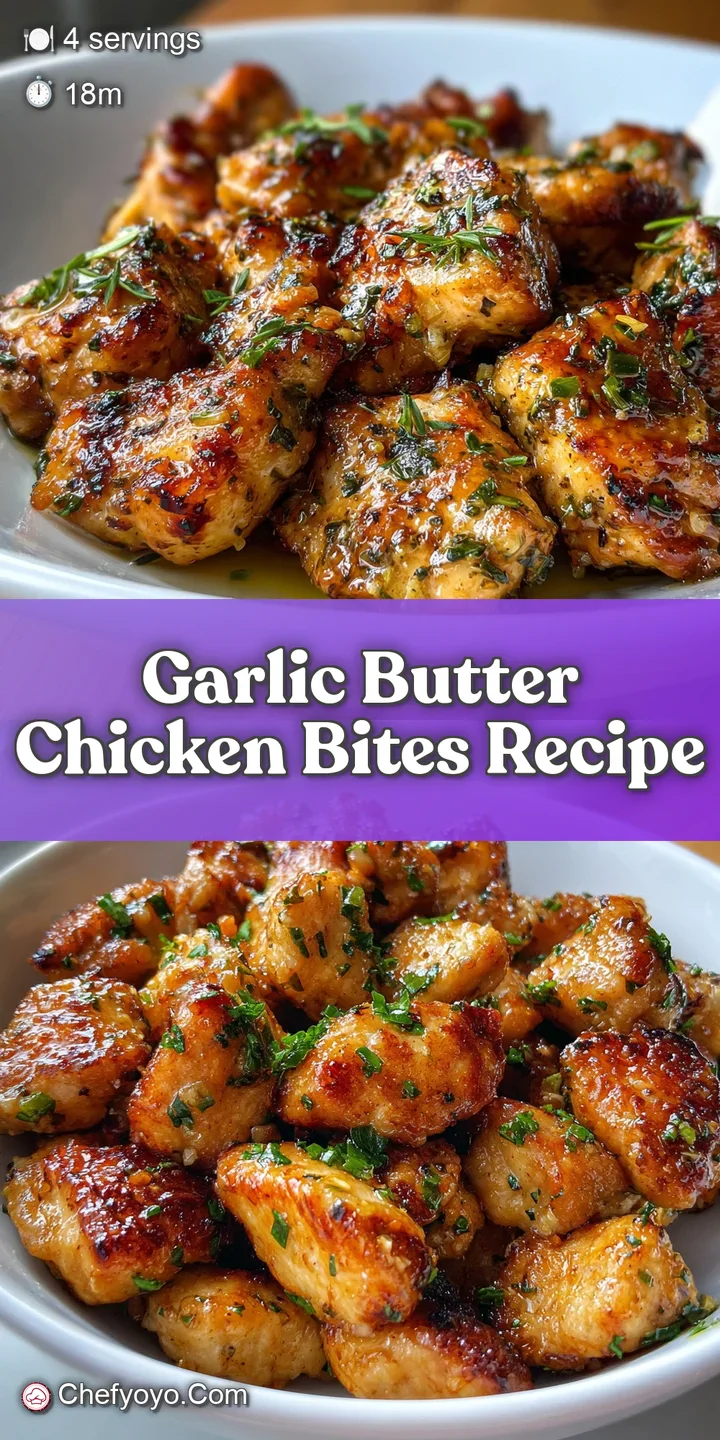
- Flavor/Texture Hook: Shatter crisp edges with a silky, velvet smooth garlic glaze
- Perfect for: High protein weeknight dinners or a quick appetizer for unexpected guests
Quick Garlic Butter Chicken Bites Recipe
The sizzle of protein hitting a cast iron skillet is a sound that honestly cures most of my bad days. I remember the first time I tried making something like this, I made the mistake of crowding the pan with cold, wet chicken.
Instead of getting that beautiful brown crust, the meat just sat there gray and sad, steaming in its own juices. It was a rubbery mess that tasted like nothing but disappointment.
I've spent years obsessing over how to get that perfect, golden brown exterior without overcooking the inside. The secret isn't a fancy grill or a secret spice blend - it's all about moisture control and temperature management.
Once you see those little cubes of chicken turn deep mahogany while the garlic scent fills your kitchen, you'll never go back to basic sautéing again. It’s the kind of meal that makes you feel like a pro even when you're still in your pajamas.
Trust me, this dish is a total lifesaver when you have zero energy but want something that feels fancy. We’re aiming for a texture that has a slight "shatter" on the outside followed by a tender, juicy center.
We'll build the flavor in stages, starting with a dry sear and finishing with a glossy, lemon spiked butter sauce that ties everything together. Let's get into the nitty gritty of why this works.
Science of the Golden Sear
Maillard Reaction: High heat triggers a chemical reaction between amino acids and sugars, creating hundreds of new flavor compounds and a brown crust.
Fat Emulsification: Adding cold butter to the pan at the end creates a stable, thickened sauce rather than a greasy puddle of melted oil.
| Cooking Method | Active Time | Resulting Texture | Best For |
|---|---|---|---|
| Stovetop Skillet | 8 minutes | Crispy, deeply browned crust | Maximum flavor and speed |
| oven-roasted | 15 minutes | Evenly cooked, less crisp | Hands off bulk meal prep |
| Air Fryer | 12 minutes | Super crunchy, less sauce | Low mess snacking |
Choosing the right method depends on your mood, but if you want that authentic "bistro" feel, the skillet is your best friend. The direct contact with the hot metal provides a sear that an oven just can't replicate.
If you're looking for something more hands off, the oven is fine, but you'll miss out on that specific textural contrast between the meat and the glaze.
Component Analysis Deep Dive
| Ingredient | Science Role | Pro Secret |
|---|---|---|
| Avocado Oil | High smoke point fat | Use this for the initial sear to avoid burnt tasting oil bitter notes |
| Unsalted Butter | Emulsifier and flavor | Keep it cold from the fridge until the very last second to ensure a glossy sauce |
| Fresh Garlic | Aromatic compound | Mince it coarsely so it survives the heat without turning into bitter ash |
| Smoked Paprika | Color and depth | This provides the "faux char" look even if your sear isn't perfect |
Essential Components and Swaps
We are using 1.5 lbs boneless skinless chicken breast, cut into 1 inch uniform cubes for this recipe. Cutting them into the same size is non negotiable if you want them all to finish at the same time. You'll also need 1 tsp kosher salt and 0.5 tsp coarsely ground black pepper for the base seasoning.
For the color and a hint of woodsy flavor, we include 1 tsp smoked paprika. The cooking fat is 2 tbsp avocado oil, which I prefer over olive oil here because it handles the high heat much better. The soul of the dish comes from 4 tbsp unsalted butter and 6 cloves fresh garlic, minced.
We’ll finish it with 1 tbsp fresh Italian parsley and the juice from 0.5 fresh lemon to cut through the richness.
| Original Ingredient | Substitute | Why It Works |
|---|---|---|
| Chicken Breast (1.5 lbs) | Chicken Thighs (1.5 lbs) | Higher fat content makes them more forgiving and harder to overcook |
| Avocado Oil (2 tbsp) | Ghee (2 tbsp) | Ghee has a high smoke point and adds a nutty flavor profile |
| Fresh Garlic (6 cloves) | Garlic Confit (2 tbsp) | Note: Adds a much milder, sweeter roasted garlic flavor |
| Smoked Paprika (1 tsp) | Chili Powder (1 tsp) | Provides heat and color but changes the flavor to more Southwestern |
If you find yourself missing the lemon, a splash of white wine or apple cider vinegar works in a pinch to provide that necessary acidity. Just like the technique used in my Garlic Butter Recipe, the quality of your butter matters here, so use the best one you can find.
The Cooking Process
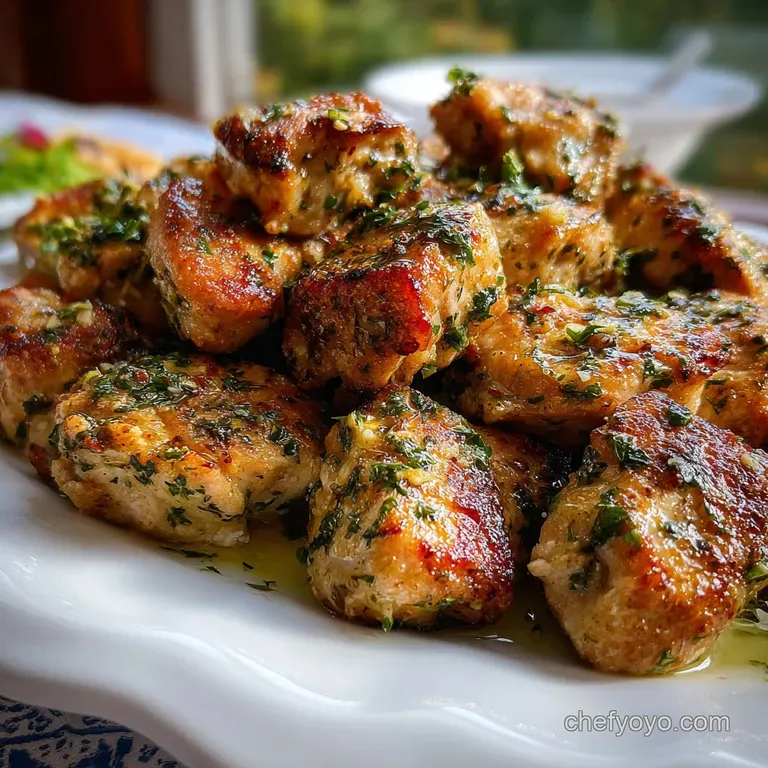
- Pat the 1.5 lbs chicken cubes completely dry with paper towels. Note: Surface moisture is the enemy of a crispy sear.
- Toss the chicken in a bowl with 1 tsp salt, 0.5 tsp pepper, and 1 tsp smoked paprika until evenly coated in a red hue.
- Heat a large skillet with 2 tbsp avocado oil over medium high heat until the oil shimmers and barely smokes.
- Place chicken in the pan in a single layer, ensuring no pieces touch. Note: Work in batches if your pan is too small.
- Sear for 3 minutes without moving them until a deep brown crust forms on the bottom.
- Flip the pieces and cook for another 2-3 minutes until the chicken feels firm to the touch.
- Reduce heat to medium low and add 4 tbsp cold unsalted butter and 6 cloves minced garlic.
- Spoon the melting butter over the chicken for 1-2 minutes until the garlic is fragrant and golden.
- Squeeze 0.5 lemon over the pan and sprinkle 1 tbsp parsley until the sauce looks glossy and thick.
- Remove from heat immediately to prevent the chicken from drying out.
Chef's Tip: Freeze your butter for 10 minutes before cubing it. Adding ice cold butter to a warm pan creates a more stable emulsion, giving you a velvety sauce that doesn't "break" into a greasy mess.
Common Kitchen Fixes
Why Your Chicken Is Rubbery
If the chicken feels like a bouncy ball, it’s likely overcooked. Chicken breast becomes tough the moment it passes 165°F. To avoid this, pull the chicken off the heat when it hits 160°F; the "carryover cooking" will bring it to the safe zone while it rests.
How To Get Glossy Sauce
A broken sauce looks oily and separated. This happens if the pan is too hot when you add the butter. If you see it separating, add a teaspoon of water or chicken stock and whisk vigorously to bring the emulsion back together.
| Problem | Root Cause | Solution |
|---|---|---|
| Gray, soggy chicken | Overcrowded pan | Cook in two batches to allow steam to escape |
| Bitter, black garlic | Added too early | Add garlic only after the chicken is nearly done and heat is lowered |
| Bland flavor | Lack of acidity | Add an extra squeeze of lemon or a pinch more salt at the finish |
✓ Pat chicken completely dry before seasoning to ensure the spices stick and the skin crisps. ✓ Preheat your skillet for at least 3 minutes before adding any oil. ✓ Use a heavy bottomed pan like cast iron or stainless steel for better heat retention.
✓ Do not stir the chicken for the first 3 minutes; let the crust develop undisturbed. ✓ Rest the chicken for 2 minutes before serving to allow the juices to redistribute.
Adjusting Portions
When cutting the recipe in half (for 2 people), use a smaller skillet to prevent the butter from burning in the empty space. You can use a single small egg if you're breading, but since this is a naked sear, just halve the weights exactly.
The cooking time remains mostly the same since the surface area of the individual cubes hasn't changed.
If you are doubling the recipe for a crowd, do not simply double the time. You must work in batches. If you crowd 3 lbs of chicken into one pan, they will steam rather than sear. For the seasonings, you can double everything, but be cautious with the salt - start with 1.5x and taste before adding the rest. This approach is similar to how I handle the sauce in my Chicken Francese With recipe.
| Servings | Chicken Amount | Pan Size | Total Cook Time |
|---|---|---|---|
| 2 People | 0.75 lbs | 8 inch skillet | 8 minutes |
| 4 People | 1.5 lbs | 12 inch skillet | 8-10 minutes |
| 8 People | 3 lbs | Two 12 inch pans | 10 minutes (parallel) |
Debunking Culinary Fables
Many people believe that searing meat "seals in the juices." This is actually a myth. Moisture loss happens regardless of the sear; however, the sear is vital for the Maillard reaction, which creates the flavor we crave. The "juiciness" actually comes from not overcooking the internal proteins.
Another common misconception is that you should always cook with butter from the start. Butter has milk solids that burn at very low temperatures. By starting with avocado oil and finishing with butter, you get the over high heat benefits of the oil and the creamy flavor of the butter without the scorched taste.
Leftover Management
Storage: Keep these in an airtight container in the fridge for up to 3 days. The butter will solidify, so they might look a bit dull when cold, but the flavor is still there.
Freezing: You can freeze the cooked bites for up to 2 months. To reheat, thaw them in the fridge overnight. Avoid the microwave if possible, as it turns the chicken into rubber. Instead, toss them back into a hot skillet for 2 minutes with a tiny splash of water to loosen the sauce.
Zero Waste: Don't throw away that leftover garlic butter in the pan! Toss in some pre cooked pasta or a handful of spinach to soak up every drop of that liquid gold. You can even use the leftover chicken to top a salad or stir it into a Garlic Parmesan Sauce recipe for a quick pasta meal.
Serving Complements
These bites are incredibly versatile. I love serving them over a bed of fluffy jasmine rice or with a side of roasted asparagus. If you want to keep it low carb, cauliflower mash is a fantastic vehicle for soaking up that garlic butter sauce.
For a fusion twist, try serving these with some crusty sourdough bread to mop up the pan drippings. If you're feeling adventurous, you could even toss these bites into a bowl of creamy fettuccine.
The lemon in the chicken cuts through the heavy cream of a pasta sauce beautifully, making it feel lighter than it actually is. It's the kind of "contemporary" comfort food that works for any occasion.
Recipe FAQs
Can I use chicken thighs instead of breast?
Yes, chicken thighs are a great substitute. They have a higher fat content, which makes them more forgiving and harder to overcook than chicken breast.
What is the secret to the glossy garlic butter sauce?
Use cold butter and moderate heat when adding it. Adding ice-cold butter to a warm pan creates a more stable emulsion, resulting in a velvety sauce that doesn't break apart into oil.
Why is my chicken rubbery?
Your chicken is likely overcooked. Chicken breast becomes tough when it exceeds 165°F. Pull it off the heat around 160°F, as carryover cooking will bring it to a safe temperature.
How do I get a good sear on the chicken?
Pat the chicken completely dry and use high heat. Surface moisture prevents browning, and a hot pan is crucial for initiating the Maillard reaction, which creates flavor and crust.
Can I make this ahead of time?
Yes, but it's best reheated gently. Store cooked bites in an airtight container for up to 3 days. Reheat in a skillet with a splash of water rather than the microwave to avoid toughness.
What if I don't have avocado oil?
Ghee is an excellent substitute. It also has a high smoke point and will add a pleasant nutty flavor to the dish, similar to how ghee enhances flavors in various cuisines.
Is searing meat essential for flavor?
Yes, searing is crucial for flavor development. While it doesn't "seal in" juices as often believed, the Maillard reaction during searing creates hundreds of new flavor compounds and the desirable brown crust.
Garlic Butter Chicken Bites
Ingredients:
Instructions:
Nutrition Facts:
| Calories | 449 kcal |
|---|---|
| Protein | 52.8 g |
| Fat | 24.2 g |
| Carbs | 1.8 g |
| Fiber | 0.3 g |
| Sugar | 0.4 g |
| Sodium | 475 mg |
