Sweet Potato Recipe with Roasted Garlic and Herbs
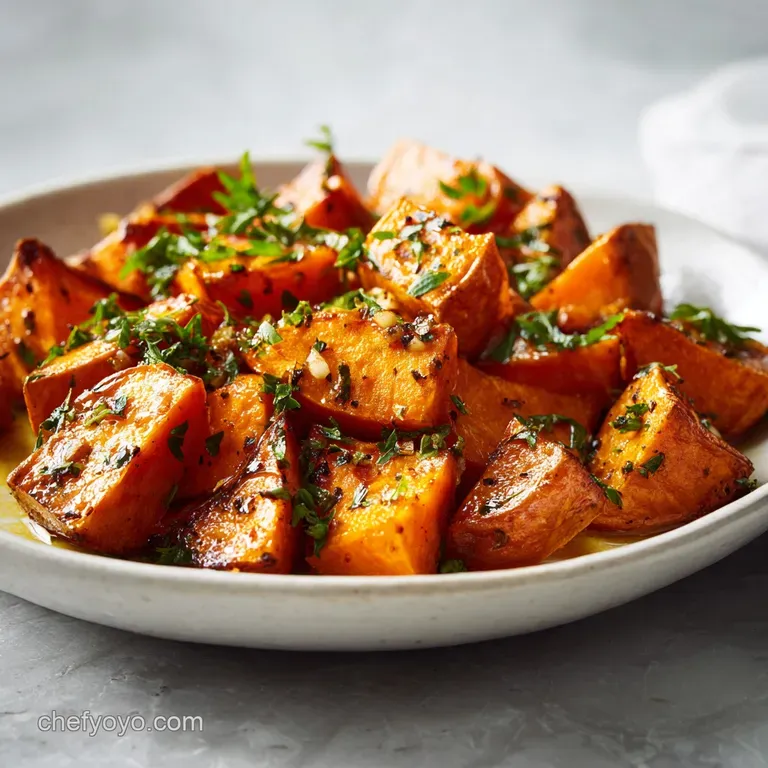
- Time: Active 15 minutes, Passive 35 minutes, Total 50 minutes
- Flavor/Texture Hook: Caramelized exterior with jammy, spreadable roasted garlic
- Perfect for: Holiday centerpieces or a sophisticated weeknight steak side
- The Physics of the Starch Snap
- Analytical Component Breakdown for Maximum Flavor
- Essential Ingredients and Smart Substitutes
- Tools for Achieving Roasting Perfection
- The Culinary Roadmap to Jammy Garlic Excellence
- How to Fix Common Roasting Mishaps Quickly
- Adjusting Your Recipe Volume Safely
- Debunking Traditional Roasting Wisdom
- Freshness Secrets for Storing Your Golden Leftovers
- Plating Aesthetics to Impress Your Dinner Guests
- Recipe FAQs
- 📝 Recipe Card
The Physics of the Starch Snap
To get that specific texture, we have to understand how these tubers react to heat. Sweet potatoes are dense with complex carbohydrates, and if we cook them too low and slow, they just turn to mush.
- Surface Dehydration: High heat (400°F/200°C) rapidly evaporates surface moisture, allowing the oil to "fry" the exterior while the interior steams in its own juices.
- Garlic Insulation: By keeping the cloves whole and nestled among the potatoes, we create a micro environment that protects the delicate garlic sugars from direct oven radiation.
- Maillard Synergy: The amino acids in the garlic and the natural sugars in the Garnet potatoes react at high temperatures to create hundreds of new flavor compounds.
- Herb Infusion: Fats like avocado oil act as a solvent, pulling the fat soluble essential oils out of the rosemary and thyme and coating every cube.
| Potato Cube Size | Internal Temperature | Rest Time | Visual Cue |
|---|---|---|---|
| 1/2 inch | 205°F | 2 mins | Dark brown edges, shrunken appearance |
| 1 inch | 210°F | 5 mins | Golden brown with visible oil bubbles |
| 1.5 inch | 208°F | 8 mins | Matte finish, slight resistance when poked |
The timing for this dish is everything. If you pull them too early, you lose that "shatter" on the edges. If you wait too long, the internal moisture escapes, and you're left with hollow cubes.
Aim for that 35 minutes mark, but watch for the oil to stop bubbling aggressively on the pan surface that's your signal that the exterior is sufficiently dehydrated and crisp.
Analytical Component Breakdown for Maximum Flavor
Selecting the right ingredients isn't just about what's on sale; it's about how the chemistry of each item supports the final structure. We want a over high heat stable fat and a potato that holds its shape under pressure.
| Ingredient | Science Role | Pro Secret |
|---|---|---|
| Garnet Sweet Potatoes | High sugar/moisture ratio | Peel them thin to keep the flesh to crust ratio high |
| Avocado Oil | High smoke point (520°F) | Use room temp oil to ensure it coats the cold potatoes evenly |
| Whole Garlic Cloves | Slow sugar caramelization | Don't peel the tiny "skin" layer if you want them even softer |
| Kosher Salt | Moisture extraction | Diamond Crystal brand provides better coverage without over salting |
The choice of oil here is non negotiable for me. I used to use olive oil, but it often smoked before the potatoes achieved that deep mahogany color I craved. Using avocado or grapeseed oil allows us to push the oven to 400°F (200°C) without the oil breaking down and tasting acrid. This technique is similar to how I approach the base for the Garlic Butter Recipe, where temperature control dictates the final flavor profile.
Essential Ingredients and Smart Substitutes
For this recipe, we are using 3 lbs of Garnet or Jewel Sweet Potatoes. These varieties are the "gold standard" because they have enough moisture to stay creamy inside while the outside browns.
- 3 lbs Garnet Sweet Potatoes: Why this? High sugar content ensures superior caramelization compared to white varieties.
- Sub: Jewel or Beauregard potatoes. Avoid "Jersey" sweets as they are too dry.
- 3 tbsp Avocado oil: Why this? Neutral flavor and high smoke point prevent off flavors at high heat.
- Sub: Grapeseed oil or clarified butter (ghee).
- 12 cloves Fresh garlic: Why this? Whole cloves roast into "garlic butter" rather than burning like minced garlic.
- Sub: Shallot quarters. They offer a similar sweetness but with an onion lean.
- 2 sprigs Fresh Rosemary: Why this? Piney notes cut through the richness of the sweet potato starch.
- Sub: Dried rosemary (use only 1/3 of the amount) or fresh sage.
- 1 tbsp Fresh Thyme: Why this? Adds a subtle earthy floral note that bridges garlic and potato.
- Sub: Fresh Oregano for a more Mediterranean vibe.
- 2 tbsp Fresh Italian Parsley: Why this? Added at the end for a bright, grassy "lift."
- Sub: Fresh cilantro if serving with spicy mains.
- 1.5 tsp Kosher salt & 0.5 tsp Black pepper: Why this? Standard seasoning base for savory depth.
- 0.5 tsp Flaky sea salt: Why this? Provides a final textural "pop" and bursts of salinity.
Tools for Achieving Roasting Perfection
You don't need a high end kitchen, but a few specific tools will make the difference between "steamed" and "roasted."
- Heavy Duty Sheet Pan: A rimmed half sheet pan (like a Nordic Ware) is essential. Thin pans warp in a 400°F (200°C) oven, causing the oil to pool in one corner and leaving half your potatoes dry.
- Sharp Chef's Knife: You need clean cuts on the 1 inch cubes. Ragged edges release too much starch, which can lead to sticking.
- Large Metal Bowl: Tossing in a bowl ensures every single millimeter of the potato is coated in oil. Don't try to mix it on the pan you'll miss spots.
- Fish Spatula: This is my secret weapon. The thin, flexible metal can slide under the potatoes to flip them without tearing that precious crust we’re building.
Chef Tip: Place your empty baking sheet in the oven while it preheats. When you dump the oiled potatoes onto the screaming hot metal, they start searing instantly, preventing them from sticking as the starches set.
The Culinary Roadmap to Jammy Garlic Excellence
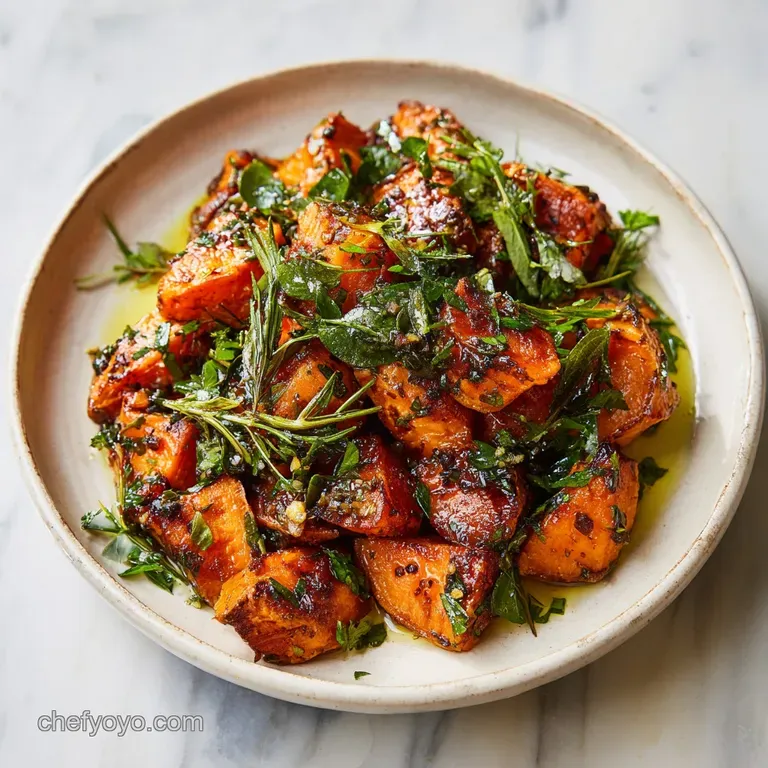
1. The over High heat Prep
Preheat your oven to 400°F (200°C). Peel the 3 lbs of potatoes and cube them into 1 inch pieces. Try to keep them as uniform as possible; outliers will either be raw or burnt.
2. The Infusion Mix
In your large bowl, whisk together 3 tbsp avocado oil, 1.5 tsp kosher salt, 0.5 tsp black pepper, chopped rosemary, and thyme. This creates a "flavor slurry" that sticks to the potatoes.
3. Coating the Components
Add the potato cubes and the 12 whole garlic cloves to the bowl. Use your hands to massage the oil mixture into the vegetables. Every clove should be glistening.
4. The Arrangement
Spread the mixture onto your (ideally preheated) sheet pan. Crucial step: Ensure no two potatoes are touching. If the pan is crowded, they will steam. Use two pans if necessary.
5. The First Roast
Slide the pan into the middle rack. Roast for 20 minutes until the bottoms are golden and starting to release from the pan.
6. The Strategic Flip
Remove the pan and use your fish spatula to flip the cubes. Note: The garlic cloves might be getting soft now handle them gently so they don't burst yet.
7. The Final Caramelization
Return to the oven for another 15 minutes. Cook until the edges are dark brown and the garlic cloves feel like soft sponges when pressed.
8. The Finishing Touch
Transfer to a warm serving bowl. Toss with the 2 tbsp minced parsley and sprinkle with 0.5 tsp flaky sea salt. The heat from the potatoes will wake up the parsley's aroma instantly.
How to Fix Common Roasting Mishaps Quickly
Roasting isn't always a straight line. Sometimes the oven runs hot, or the potatoes are starchier than usual. If you find yourself in a kitchen crisis, don't panic. This dish is forgiving if you know the "why" behind the problem.
Why Your Potatoes Turn Soft
This usually happens if you've overcrowded the pan or didn't use enough oil. The moisture escaping the potatoes has nowhere to go, creating a steam sauna. To fix this mid cook, crank the heat up to 425°F (220°C) for the last 5 minutes and move the pan to the top rack.
This will force a quick surface sear.
| Problem | Root Cause | Solution |
|---|---|---|
| Burnt Garlic | Cloves were too small or exposed | Tuck garlic under larger potato cubes halfway through |
| Uneven Browning | Pan was too thin or oven hot spots | Rotate the pan 180 degrees every 10 minutes |
| Dry Interior | Cubes were cut too small (under 1/2 inch) | Reduce cook time by 10 mins; use as a salad topper instead |
One mistake I once made was using parchment paper. While it makes cleanup easy, it actually insulates the potatoes from the direct heat of the metal. If you want that "shatter" texture, go straight onto the greased metal.
Common Mistakes Checklist:
- ✓ Never crowd the pan - leave at least 1/2 inch between cubes.
- ✓ Don't skip the "massage" - oil must reach every crevice.
- ✓ Avoid pre minced garlic - it will burn and turn bitter in minutes.
- ✓ Wait for the full preheat - a cold oven leads to a soggy interior.
- ✓ Use fresh herbs - dried herbs can become "pointy" and gritty in this over high heat application.
Adjusting Your Recipe Volume Safely
When I'm hosting a big crowd, I often double this recipe. However, you can't just double everything and hope for the best.
Scaling Up (2x to 4x): If you’re doing 6 lbs of potatoes, use two separate sheet pans on different racks. Swap their positions halfway through. For the seasoning, increase salt and pepper to 1.5x rather than a full 2x. You can always add more at the end, but you can't take it away.
Keep the garlic count high people always fight over those roasted cloves!
Scaling Down (1/2): For a small 1.5 lb batch, use a smaller quarter sheet pan. Reduce the total roasting time by about 20%, as the smaller thermal mass will heat up faster.
If you’re only using half an egg for a different recipe, that's fine, but here, the oil remains consistent keep at least 1.5 tbsp to ensure proper coverage.
This recipe pairs beautifully with a hearty soup, much like the flavors found in The Homemade Cheddar recipe. If you have leftovers, they make an incredible base for a morning hash.
Debunking Traditional Roasting Wisdom
There are so many kitchen "rules" that actually hold us back from the best results. Let's clear up a few for this specific dish.
One major misconception is that you need to parboil sweet potatoes before roasting. People think it saves time, but it actually ruins the texture. Parboiling saturates the starch cells with water, making it nearly impossible to get a crispy exterior later.
The "Physics of the Starch Snap" we talked about earlier relies on the potato being dry when it hits the oil.
Another myth is that you should peel the garlic completely. If your oven runs hot, leaving the very last "paper thin" layer on the garlic clove acts as a heat shield. It allows the inside to turn into a jammy puree without the outside becoming a hard shell.
You can just squeeze the garlic out of its skin like toothpaste once it's on your plate.
Freshness Secrets for Storing Your Golden Leftovers
If you happen to have leftovers (a rare occurrence in my house), they store surprisingly well if you follow a few rules.
- Storage: Keep them in an airtight glass container in the fridge for up to 4 days. Avoid plastic if possible, as it tends to trap moisture and make the potatoes "weep" their starch.
- Freezing: You can freeze these for up to 2 months. Layout the roasted cubes on a tray to freeze individually before bagging them. This prevents them from becoming one giant frozen block.
- Reheating: Never use the microwave! It will turn your beautiful roasted potatoes into rubber. Instead, throw them back on a sheet pan at 400°F (200°C) for 8 minutes, or use an air fryer at 380°F (190°C) for 4 minutes.
- Zero Waste Tip: Don't throw away the herb stems! While we only use the leaves for the roast, the stems of rosemary and thyme are packed with flavor. Throw them into a freezer bag and use them the next time you're making a vegetable stock or a bone broth.
Plating Aesthetics to Impress Your Dinner Guests
Presentation is where we take this from a "side dish" to a "centerpiece." For a contemporary fusion look, don't just dump the potatoes into a pile.
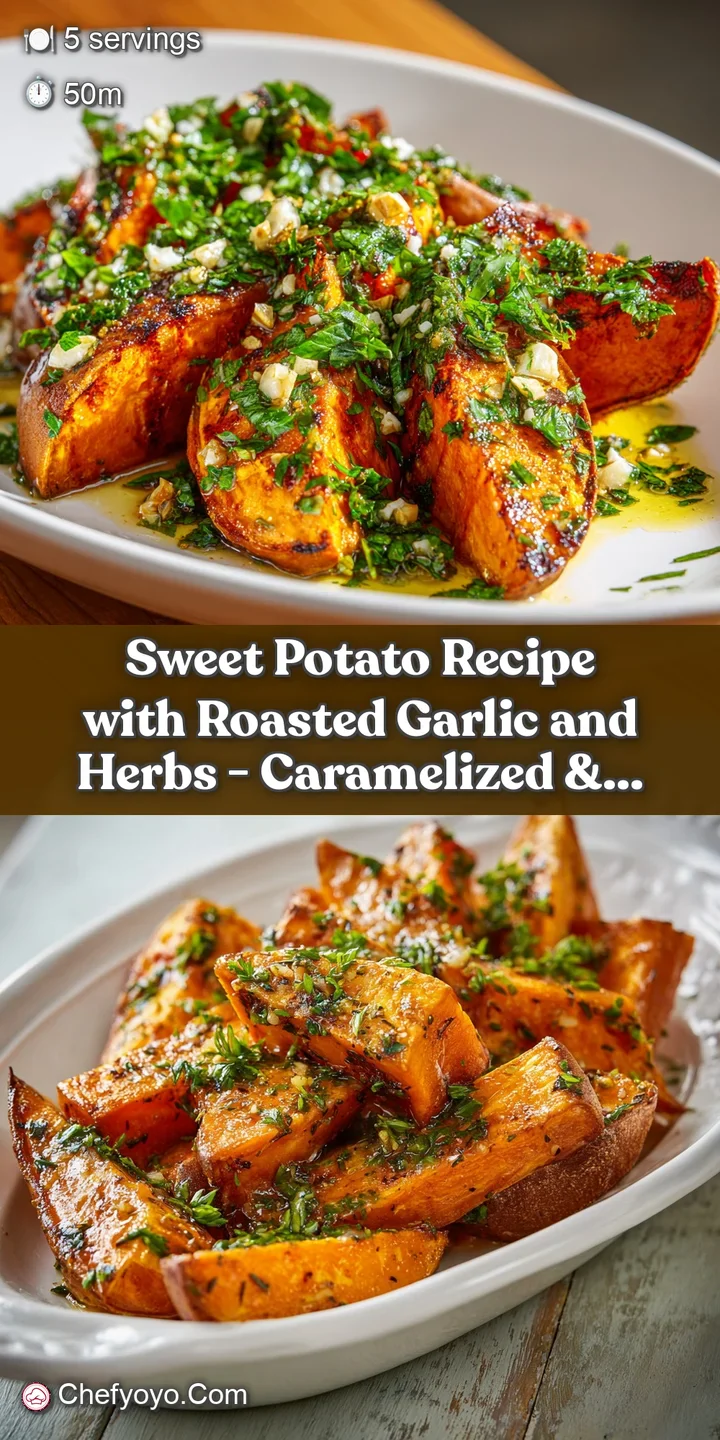
Use a wide, shallow ceramic platter. Spread the potatoes out so you can see the varying shades of orange and brown. Strategically place those 12 garlic cloves on top they are the prizes of the dish! For extra decadence, try adding a dollop of my Garlic Butter Recipe right before serving. The cold butter melting over the hot, herb crusted potatoes creates a glossy sheen that looks incredible under dining room lights.
Finish with a high angle sprinkle of the fresh parsley and that flaky sea salt. The green against the deep orange is a classic color contrast that screams "fresh." If you're feeling fancy, a tiny zest of lemon over the top right before it hits the table adds a contemporary "bright" note that cuts through the roasted garlic's heavy umami.
It's these little layers of flavor and texture that make a home cooked meal feel like a high end restaurant experience. Enjoy every "shatter" and "velvety" bite!
Recipe FAQs
Can I use parchment paper on the sheet pan for easier cleanup?
No, avoid parchment paper for crispness. Parchment insulates the potatoes from the direct heat of the metal, preventing the rapid surface dehydration needed for a crisp crust.
What is the ideal internal temperature for perfectly cooked sweet potatoes?
Aim for 205°F to 210°F depending on cube size. For standard 1 inch cubes, pull them when they reach about 210°F, then allow them to rest for five minutes to finish steaming internally.
How to ensure the roasted garlic cloves do not burn before the potatoes are done?
Tuck the whole garlic cloves under larger potato pieces halfway through roasting. This shields the sugars from direct oven radiation, allowing them to slowly caramelize into a jammy texture.
Should I substitute the avocado oil with extra virgin olive oil?
No, stick with a high smoke point oil like avocado or grapeseed. Extra virgin olive oil breaks down and tastes acrid at the required 400°F, unlike the neutral, stable fat needed for proper searing.
How to achieve a crisp exterior when my oven tends to be uneven?
Rotate the sheet pan 180 degrees every 10 minutes. This distributes the heat exposure evenly across all the cubes, ensuring consistent surface dehydration and crust formation.
Is it true that parboiling the sweet potatoes before roasting saves time?
False. Parboiling ruins the desired texture. Saturated starch cells from boiling will prevent the rapid surface drying necessary for a crispy crust, leading to mushy potatoes.
What is the best method for reheating leftovers to maintain texture?
Reheat in a 400°F oven or air fryer, not the microwave. The microwave introduces moisture and ruins the texture; use dry heat for about 8 minutes to reactivate the crispness.
Garlic Herb Roasted Sweet Potatoes
Ingredients:
Instructions:
Nutrition Facts:
| Calories | 319 kcal |
|---|---|
| Protein | 4.7 g |
| Fat | 8.6 g |
| Carbs | 57.1 g |
| Fiber | 8.2 g |
| Sugar | 11.4 g |
| Sodium | 680 mg |
