Gordon Ramsays 10Minute Scallops: Golden Seared Burnt Butter Basted
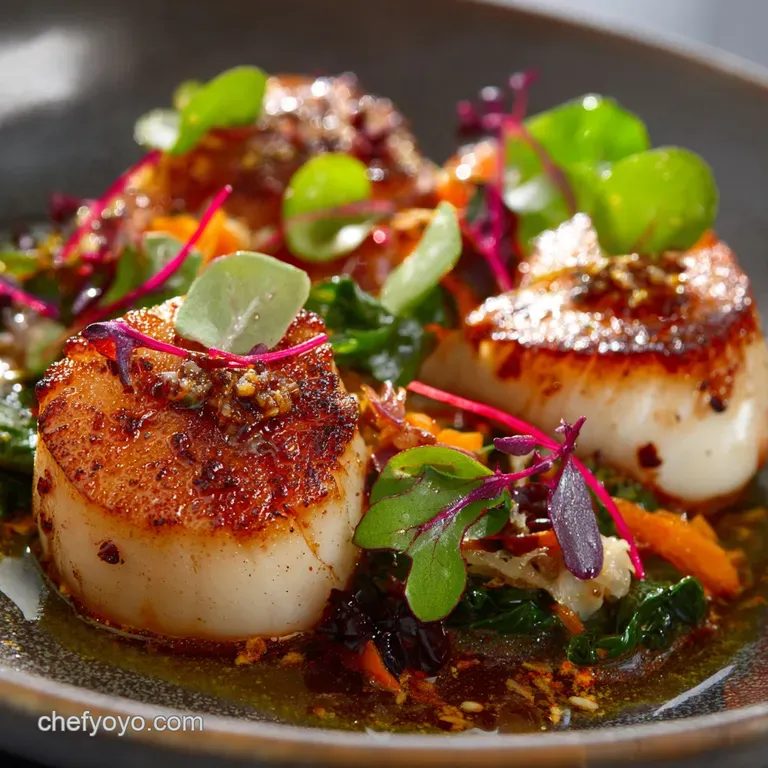
- Master the Maillard: Gordon Ramsays 10Minute Scallops
- Essential Elements: Ingredients for Gordon Ramsay's Golden Scallops
- The Science of Speed: Why This Seared Scallop Method Is Flawless
- Step-by-Step: Achieving the Perfect Sear and Burnt Butter Glaze
- Ramsay's Rules: Pro Tips & Troubleshooting for Your Scallops
- Post-Preparation: Storing and Reheating Cooked Scallops
- Elevate the Plate: Serving Suggestions for Gordon Ramsays 10Minute Scallops
- Recipe FAQs
- 📝 Recipe Card
Master the Maillard: Gordon Ramsays 10Minute Scallops
You know that incredible, almost nutty aroma that hits you when butter is just starting to brown? That smell, combined with the salty kiss of the sea, is exactly what we are chasing today.
We’re aiming for a scallop with a perfect, deep golden crust that gorgeous Maillard reaction and a soft, sweet interior that melts instantly. If you’ve ever paid $30 for three scallops at a fancy restaurant, you know this exact flavor profile.
This method, inspired by the master, Gordon Ramsay, is a pure kitchen cheat code for busy people. It’s unbelievably fast, seriously impressive, and requires almost zero cleanup afterward. You can make restaurant quality Scallops Recipes For Dinner in about 10 minutes flat, leaving you plenty of time to impress your date or just enjoy your own damn dinner. Seriously, this recipe eliminates all the stress of cooking expensive seafood.
Forget everything you think you know about delicate, tricky seafood; we’re going aggressive today. We are going to harness scorching heat, excellent fat, and a few aromatic herbs to deliver perfect [Gordon Ramsay Scallops] every single time. Now, let’s crack on and get this seafood magic done.
Defining the 10 Minute Restaurant Standard
The difference between a chewy hockey puck and a perfectly cooked scallop is usually just 30 seconds and a lack of confidence. The 10 minute promise is real, but it requires precision and a blazing hot pan. This isn't slow cooking; it’s cooking with speed and intent.
The Elegance of Simplicity: Less Is More in Flavor
We are letting the inherent sweetness of the scallop shine through, not burying it under heavy sauces. The genius here is that we use high heat to create the crust, then we drop in cold butter, garlic, and thyme to instantly create a fragrant, beurre noisette (brown butter) sauce for basting.
It’s a flawless system where the sauce cooks in the same pan, at the same time, as the scallop itself.
Debunking the Myth: Are Scallops Really Difficult to Cook?
No! The difficulty lies entirely in moisture control, honestly. I spent years gently steaming my scallops because I was scared of high heat, ending up with bouncy, sad little disks. The key is simply removing the water and trusting the heat. If you conquer the water problem, you conquer the scallop.
Essential Elements: Ingredients for Gordon Ramsay's Golden Scallops
We keep the list short because we want the scallops to be the star. Don't skimp on quality here; these are high impact ingredients.
Choosing the Best Dry-Packed Sea Scallops (The Main Event)
You need large sea scallops, and they absolutely must be dry-packed. Wet-packed scallops are treated with phosphates that make them retain water the scallop tax, if you will. That extra water makes searing impossible, meaning you’ll just steam them into rubber.
| Ingredient | Role | Substitution |
|---|---|---|
| Sea Scallops | Sweet, meaty center | Large, peeled Prawns or thick King Oyster Mushroom slices |
Clarified Butter vs. Ghee: Fat Selection for High Heat
Olive oil gets the pan screaming hot initially, but the butter is what finishes the job and creates that rich, nutty flavor. We want cold, unsalted butter for basting, but if you're worried about burning your dairy solids, Ghee or clarified butter works beautifully.
Ghee has a higher smoke point and still delivers that incredible butter flavor.
The Aromatic Trinity: Thyme, Lemon Zest, and Sea Salt
These three are non-negotiable for that bright, restaurant quality finish. Thyme pairs beautifully with seafood, and smashing the garlic allows it to infuse without burning during the fast cook time. Flaky sea salt (like Maldon) provides the perfect textural crunch at the end.
The Science of Speed: Why This Seared Scallop Method Is Flawless
The whole technique relies on the Maillard reaction, the browning process that creates complex flavors in proteins. To get it right, you need two things: zero moisture and extreme heat.
This method uses a cold-to-hot transition (cold butter into the hot oil/pan) to precisely control the foaming and browning of the butter. This gives us that beautiful beurre noisette without overcooking the delicate scallop meat.
step-by-step: Achieving the Perfect Sear and Burnt Butter Glaze
The Key Role of Dryness and High Heat
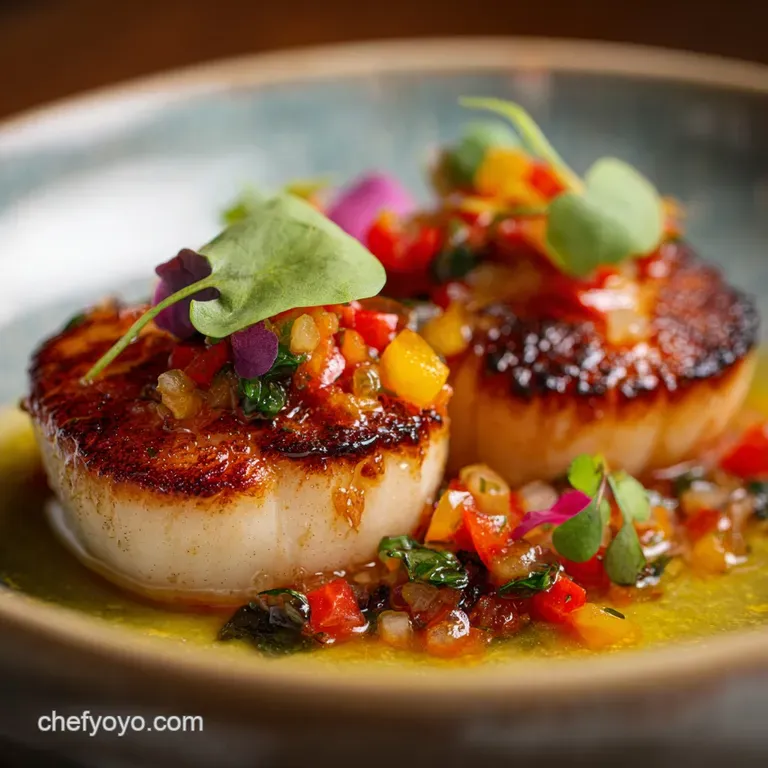
Seriously, if you ignore one piece of advice, don't let it be this one: moisture is the enemy. Your pan needs to be smoking hot, and your [Perfect Scallops] need to be drier than the Sahara desert.
Browned vs. Burnt: Mastering the Thyme Lemon Butter
When you drop the butter in, it should foam aggressively and start to develop tiny brown specks. That’s the milk solids caramelizing that's the flavor gold. If it smells burnt or turns completely black, pull it off the heat immediately.
Chef's Note: Use a heavy bottomed stainless steel or cast iron pan. Thin non-stick pans simply cannot hold the heat needed for this high speed sear.
Preparation: Patting Scallops Bone Dry (Crucial First Step)
Pat those scallops until you feel ridiculous. Remove the small, tough side muscle if present, then season generously with salt and pepper right before they hit the pan. If you season too early, the salt will pull moisture out, ruining your sear.
Searing Ignition: The First Two Minutes of High Heat
Get the oil shimmering, almost smoking, then place the scallops down firmly. Leave them alone! Do not touch them for 90 to 120 seconds. You should see a deep, golden crust running a third of the way up the side before you even think about flipping.
The Butter Finish: Basting and Flavor Infusion
Flip them over, reduce the heat slightly, and throw in your cold butter, smashed garlic, and thyme sprigs. As the butter foams, tilt the pan toward you and continuously spoon the foaming butter over the scallops for about 60 seconds. This is where the magic happens and where the flavor gets deep.
Resting Time: Why Scallops Need a Moment Off Heat
Like any protein, scallops continue to cook internally after leaving the pan. Scoop them out and onto a warm plate immediately after basting. Squeeze half a lemon over the top, which cuts through the richness of the butter and brightens the whole dish.
Ramsay's Rules: Pro Tips & Troubleshooting for Your Scallops
Common Mistake 1: The Overcrowded Pan Penalty
If you try to squeeze too many scallops into the pan, the temperature drops dramatically. They will release moisture and steam instead of searing. If you are cooking for four or more people, cook in two separate batches. Trust me, the 5 minute delay is worth the flawless sear.
Temperature Control: Smoke Point is Your Friend
Use an oil with a high smoke point (light olive oil or vegetable oil) to start. If the oil is smoking wildly before the scallops go in, turn the heat down slightly and wait. You want the pan screaming hot, but not burning the initial fat.
The Water Problem: Fixing Wet or Chewy Scallops
Chewy texture almost always means they were steamed, not seared. If you are dealing with potentially wet scallops, lay them out on a plate lined with paper towels, and stick them in the fridge uncovered for 30 minutes before cooking. The cool, dry air helps evaporate surface moisture.
How to Determine Scallop Doneness (The Squeeze Test)
When pressed gently with your finger, a perfect scallop should feel slightly firm but still give a little resistance. The sides should be opaque, but the center should look just cooked through, not entirely dry. We’re aiming for an internal temperature of around 135°F (57°C).
Post Preparation: Storing and Reheating Cooked Scallops
Best Practices for Refrigerating Leftovers
If you miraculously have any leftovers, store them in an airtight container in the fridge for up to 2 days. Keep the butter sauce separate if possible, but honestly, cooked seafood is best eaten immediately.
Reheating Scallops Without Losing Texture
Do not microwave them! Reheat scallops gently in a small amount of neutral oil (not butter) in a non-stick pan over medium low heat. You are only trying to warm them through, about 30 seconds per side. Overheating will immediately turn them rubbery and sad.
Elevate the Plate: Serving Suggestions for Gordon Ramsays 10Minute Scallops
Because this recipe is so quick, you have plenty of time to whip up a beautiful accompaniment.
For a full, impressive dinner that still feels light, serve these [Scallops Recipes] alongside my fresh recipe for Scallops with Corn and Tomatoes Perfect Seared Seafood Dinner Recipe . The sweetness of the corn and the acidity of the tomatoes cut through the butter perfectly. Alternatively, they pair beautifully with a simple bed of white rice or risotto.
For a bright contrast, a quick side of acidity is always welcome. They pair perfectly with something acidic and crunchy, like a side of Pickled Red Onions The Easy 10Minute Recipe for Tacos and More .
And since you knocked out a restaurant quality dinner in ten minutes, you earned a fast dessert, too! Try the ridiculously easy Light and Lemony Cheesecake Dip The Fluffy NoBake 10Minute Dessert . No baking, no fuss, just like this scallop dish. Enjoy!
Recipe FAQs
Why aren't my scallops getting that beautiful golden crust?
A perfect crust relies on two factors: absolute dryness and extreme heat. Ensure your scallops are patted aggressively dry with paper towels before seasoning, as moisture inhibits the Maillard reaction and causes the pan temperature to plummet.
Use a neutral oil with a high smoke point, heat the pan until it's just smoking, and never overcrowd the pan.
My scallops turned out rubbery. What went wrong?
Rubbery texture is the definitive sign of overcooking, which happens quickly due to the scallop's low-fat and high protein content. Aim for a quick sear of about 90 seconds per side the edges should be opaque while the center remains slightly translucent.
If using a thermometer, remove them immediately when they reach an internal temperature of 130 135°F (54 57°C).
What is “dry-packing,” and how important is it for this recipe?
Dry-packed scallops have not been treated with the sodium tripolyphosphate (STP) solution often used to preserve them, meaning they hold minimal excess water. This lack of added moisture is critical for achieving a crisp, professional sear, making dry-packed superior for this high heat technique.
If you are using wet-packed scallops, they must be soaked in milk for 30 minutes, rinsed, and then dried thoroughly before cooking.
My burnt butter sauce (beurre noisette) tastes bitter. How can I fix this?
The key to successful burnt butter is moving quickly once the solids begin to brown; bitterness occurs when the milk solids incinerate. You must immediately remove the pan from the heat once the solids turn a deep amber brown and the butter smells nutty, like hazelnuts.
If the sauce is slightly bitter, adding a touch more lemon juice or a pinch of sugar can sometimes help balance the flavor.
Can I use dried herbs instead of fresh thyme for the butter sauce?
While fresh thyme provides the best aromatic punch, you can use dried thyme in a pinch, but you must significantly reduce the quantity. Use only about one-half to one-third the amount of dried herb specified for the fresh, as the flavor is much more concentrated and potent.
Toss the dried herbs into the butter just seconds before serving to prevent them from burning.
Can I make the scallops ahead of time or successfully reheat leftovers?
Scallops are highly delicate and are meant to be consumed immediately upon plating to ensure the tender, yielding texture remains intact. We strongly advise against refrigerating and reheating scallops, as the second application of heat will completely ruin the texture, making them extremely tough and dry.
This dish must be prepared right before serving.
Can I substitute other proteins like shrimp or fish for the scallops?
The high heat searing technique works well for large shrimp or prawns, though the cooking time must be adjusted slightly (usually less than 60 seconds per side). However, this technique is too quick for dense proteins like chicken, pork, or steak, which require more time to cook through safely.
This method is best reserved for quick cooking seafood.
Gordon Ramsays Golden 10 Minute Scallops
Ingredients:
Instructions:
Nutrition Facts:
| Calories | 480 kcal |
|---|---|
| Protein | 35.0 g |
| Fat | 34.0 g |
| Carbs | 6.0 g |
