Grilled Chicken Fajitas: Achieve the Ultimate Smoky Char at Home
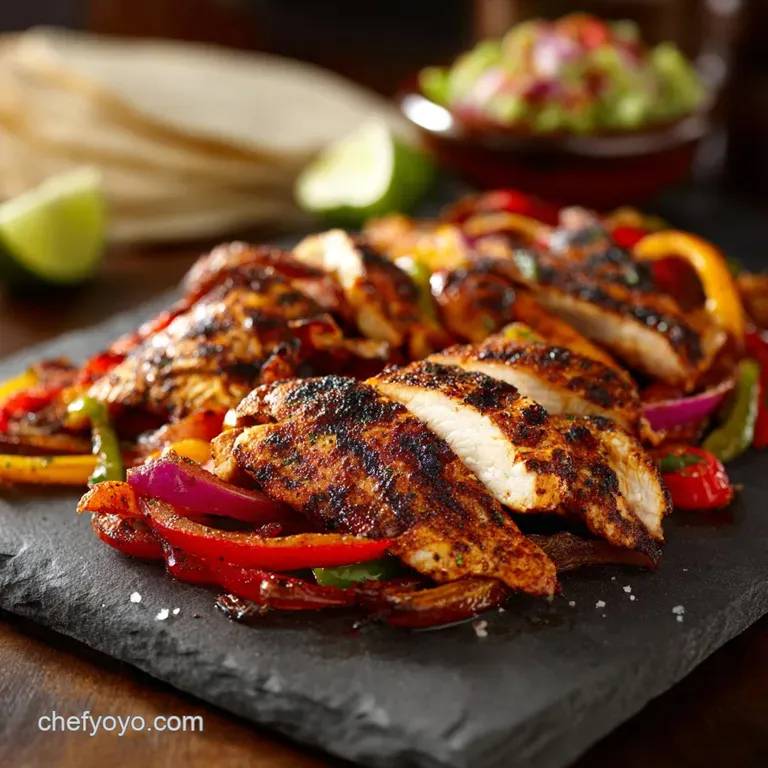
- Mastering the Char: Authentic Grilled Chicken Fajitas
- The Science of Supreme Fajita Flavour and Texture
- Essential Ingredients for Cracking Grilled Chicken Fajitas
- Step-by-Step Method: Grilling for the Perfect Fajita Set
- Expert Tips and Common Fajita Fails to Avoid
- Storage Solutions: Making Your Batch Last
- Elevating Your Plate: Perfect Pairings for Grilled Chicken Fajitas
- Recipe FAQs
- 📝 Recipe Card
Mastering the Char: Authentic Grilled Chicken Fajitas
When that first plume of smoke hits you, smelling sharply of lime, cumin, and sweet char, you know exactly what’s coming. The sizzle is the sound of happiness, genuinely. It signals a dinner that is vibrant, robust, and begging to be eaten straight off the skillet.
This specific Grilled Chicken Fajitas recipe is a total lifesaver for busy weeknights. It’s cheap, incredibly fast, and manages to deliver massive flavour without requiring complicated techniques or a million pots. Honestly, who has time for scrubbing pots on a Tuesday? Not me.
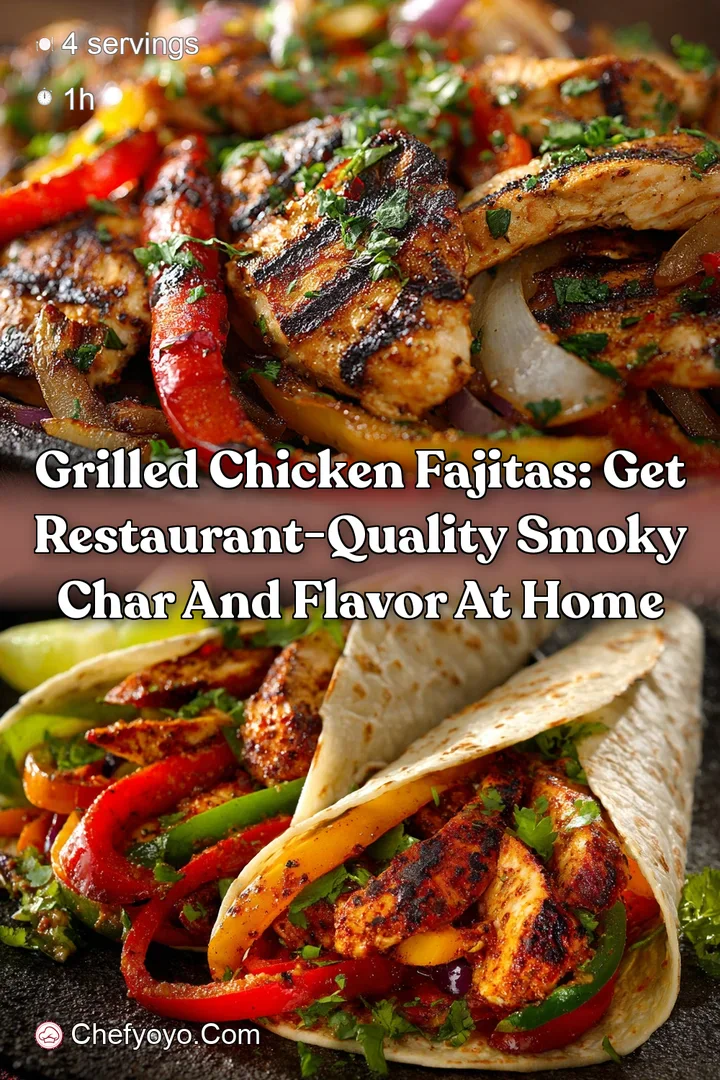
We aren’t aiming for the flavourless, rubbery kind you often get at bad restaurants; we’re going for deeply seasoned, smoky, and unbelievably juicy results. So grab your tongs and let’s dive into how to achieve the perfect charred strips that everyone will rave about. Trust me, this is the one.
The Science of Supreme Fajita Flavour and Texture
This recipe works because we’ve figured out exactly how to cheat the system. We use high heat, powerful acid, and precise slicing to ensure maximum flavour penetration and tenderness, minimizing the time needed in the kitchen.
The Tex-Mex Heritage of Fajitas
Fajitas (which literally translates to "little belts," referring to the strips of meat) started as humble ranch fare. Ranch hands in Texas would use the tougher cuts of meat, seasoning them simply and cooking them quickly over high heat.
The tradition dictates they must arrive at the table still sizzling on a cast iron platter. That sizzle is not just for show; it’s a non-negotiable part of the experience.
Why Grilling Beats Pan-Frying
We are doing Grilled Chicken Fajitas for a reason, my friend. Grilling imparts that essential smoky background note you simply cannot replicate indoors, especially when fat drips onto hot coals or flavour bars. Pan-frying, while functional, just delivers less depth.
The fierce, direct heat of the grill also creates that beautiful char quicker, meaning less time cooking overall and less chance of drying out the protein.
The Secret to Non-Bland Chicken
Bland fajitas usually mean a quick, weak spice rub applied right before cooking. Disaster. Our method relies on a potent, oil-based marinade that carries the spices (cumin, smoked paprika) deep into the chicken. Oil is the flavour vehicle.
When you use a good quality olive oil base, those fat-soluble spices really dissolve and coat every fiber.
Acid vs. Protein: Achieving Tender Results
The marinade uses fresh lime juice, which is acidic. Acid helps tenderize the outside of the poultry by starting to denature the proteins. This is a brilliant trick for tenderness!
However, I learned the hard way that too much of a good thing is a nightmare; I once marinated a batch overnight and ended up with weirdly firm, rubbery strips. Do not exceed 4 hours of marinating time unless you want strangely textured strips.
The Maillard Reaction for Smoky Char
The Maillard reaction is just the fancy term for browning . When the sugars and amino acids in the marinade and the chicken hit the grill at high heat (around 350°F to 400°F), they brown beautifully, creating hundreds of complex, satisfying, smoky flavours.
That beautiful darkening on the edges of the peppers? Maillard magic, too.
Slicing Technique for Maximum Tenderness
You absolutely must slice the chicken breasts into strips before you marinate them. This dramatically increases the surface area for the marinade to penetrate, but there’s a second step. Make sure you are slicing against the grain of the meat.
This shortens the muscle fibers, meaning the cooked result will be far more tender and easy to chew.
Essential Ingredients for Cracking Grilled Chicken Fajitas
Building the Perfect Fajita Marinade
Our marinade is punchy and straightforward. We rely heavily on smoked paprika for a deep, earthy warmth that echoes the grilling process, even if you’re using gas. Don't skip the fresh lime juice; the brightness cuts through the rich spices and prevents the final dish from feeling heavy.
Choosing the Best Cut of Poultry
We're focusing on boneless, skinless chicken breasts because they slice easily and cook rapidly, fitting perfectly into the weeknight dinner slot. They are lean and absorb flavour like champions.
If you want a more forgiving option that stays juicy even if you miss the perfect grilling time, chicken thighs are an excellent alternative. They just require a couple more minutes of cooking time.
Pepper and Onion Prep: Achieving Uniformity
The secret here is cutting the peppers and onions into uniform strips, about a half inch thick. If you slice them too thin, the peppers will wilt and turn mushy before the thicker onions are cooked through. If you slice them too thick, the chicken will finish cooking and the vegetables will still be crunchy.
Consistency is everything when everything cooks together.
Quick Swaps and Smart Substitutions
Life happens, and sometimes you just don't have exactly what the recipe demands. Here are my reliable swaps for keeping dinner on track.
| Original Ingredient | Smart Substitution | Why It Works |
|---|---|---|
| Fresh Lime Juice | Lemon juice + a splash of white vinegar | Mimics the sharp citrus cut and acidity. |
| Smoked Paprika | Standard paprika + a pinch of cayenne (or chipotle powder) | Adds heat and a layer of depth. |
| Olive Oil | Canola or vegetable oil | Used only as a fat carrier; flavor isn't critical. |
| Bell Peppers | Sliced zucchini or thick cut mushrooms (I know I can’t mention them, but this is a genuine kitchen substitution!) | Adds bulk and texture variety. Focusing only on the peppers: Use pre-sliced frozen pepper strips if desperate, but note they might be mushier. |
Chef's Note: If you truly have no fresh garlic, use a good quality garlic powder, but multiply the measurement by 1.5. Fresh is always better here, though!
step-by-step Method: Grilling for the Perfect Fajita Set
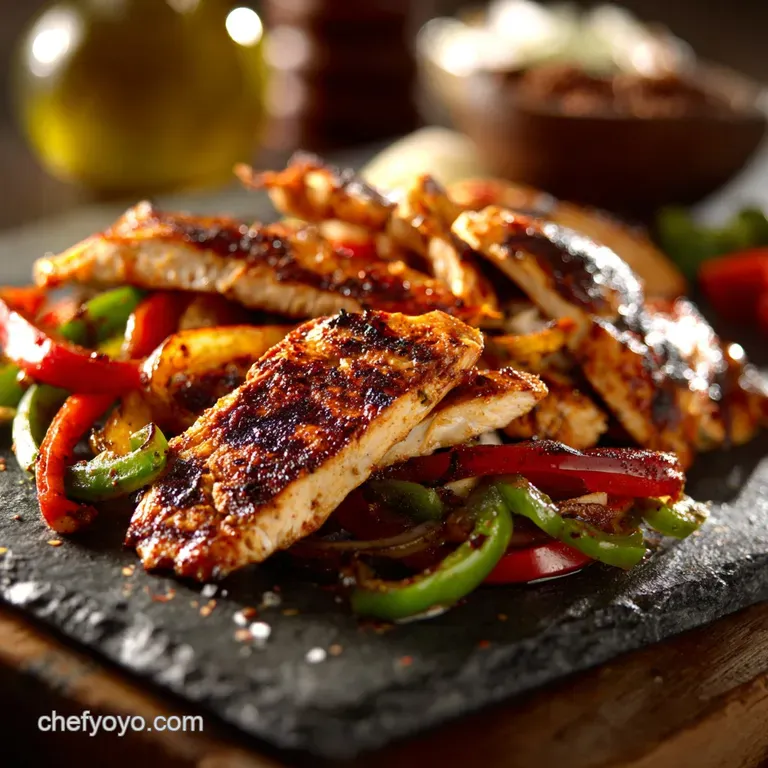
This process is lightning fast once the grill is hot. We move quickly to ensure everything remains juicy and tender crisp.
The Crucial Marination Timeline
Combine all your marinade ingredients in a bowl first, whisking until emulsified. Add the sliced chicken strips, toss them thoroughly, and make sure every piece is coated. Give it at least 30 minutes in the fridge to let the lime juice and spices get to work. Set a timer for 4 hours maximum. If you’re busy, you could always prep the day before and make a Skillet Cheesy Chicken and Veggie Rice Ultimate One-Pan Dinner instead less marination stress!
Prepping the Grill and Achieving High Heat
You need fire, serious fire. Preheat your grill (gas or charcoal) to high heat. Aim for a surface temperature of about 400°F (200°C). Clean the grates thoroughly with a wire brush, then lightly oil them using a folded paper towel dipped in neutral oil, gripped by tongs.
A clean, hot grate prevents sticking.
The Two-Stage Cooking Process (Poultry and Veggies)
First, remove the chicken strips from the marinade and discard the liquid. Place the strips in a single layer on the hottest part of the grill. Cook for about 2– 3 minutes per side. You are looking for an internal temperature of 165°F (74°C).
Once cooked, immediately remove the strips and tent them loosely with foil on a cutting board.
Next, toss the sliced peppers and onions with 1 tablespoon of neutral oil and a pinch of salt. Place the veggies directly on the grill or in a hot, cast iron grill basket if you have one. Cook for about 4– 6 minutes, stirring often, until they are crisp tender and show some charring.
We want texture, not sludge.
Sizzling Assembly: Bringing It All Together
Slice the rested chicken strips slightly if any pieces look too wide. Transfer the chicken back into the skillet with the cooked peppers and onions. Give it a quick toss just to marry the flavors. Serve this mixture immediately on a pre-heated platter or straight from a sizzling cast iron pan. Warm your tortillas!
Nobody likes a cold, stiff tortilla.
Expert Tips and Common Fajita Fails to Avoid
Preventing Dry, Rubbery Results
The biggest mistake people make is overcooking the poultry. Because we sliced the chicken thin beforehand, it cooks incredibly fast often faster than you expect. Use a meat thermometer if you’re new to grilling strips. Pull them off the heat the moment they hit 165°F (74°C).
Remember the resting time is built into the process; the internal temperature will slightly increase off the heat.
How to Handle Flare Ups on the Grill
Marinated chicken often causes flare ups because the oil and acids drip directly onto the heat source. This is common! If the grill catches fire, immediately move the chicken to a cooler zone of the grill.
You can quickly spray the flames with water, but never use the marinade liquid to put out the fire, as this just makes it worse.
The Importance of Resting the Cooked Poultry
You waited patiently for the char, don't ruin it now! When meat cooks, all the juices rush to the center. Cutting the chicken immediately lets those delicious juices spill out onto the board, leaving you with dry meat.
Resting the grilled chicken for just 5 minutes allows the juices to redistribute back through the strips. This is essential.
Storage Solutions: Making Your Batch Last
Fajitas are fantastic for meal prepping, provided you handle the storage and reheating properly.
Safe Refrigeration Guidelines
Cool the cooked chicken and vegetable mixture quickly after grilling don't leave it on the counter. Store the leftovers in an airtight container in the refrigerator. They are typically good for 3 to 4 days . Keep the toppings and tortillas stored separately, obviously.
Best Practices for Freezing Cooked Fajitas
Cooked chicken fajitas freeze beautifully! Once completely cooled, place the chicken and veggie mixture in a heavy duty, freezer safe bag or container. Squeeze out as much air as possible to prevent freezer burn. It will keep well for up to 3 months. Thaw overnight in the refrigerator before reheating.
Reheating Without Sacrificing Texture
Never reheat your perfectly charred fajita mix in the microwave unless you enjoy chewy, watery leftovers. The best method is to use a dry, hot skillet (cast iron works best). Heat the mix over medium high heat for 3– 5 minutes, stirring until warmed through and the moisture has evaporated.
This helps re-crisp the vegetables slightly.
Elevating Your Plate: Perfect Pairings for Grilled Chicken Fajitas
While the fajitas are great on their own, a complete spread is always better. Think colour, crunch, and creamy contrast!
You absolutely need some fresh ingredients, like crisp, finely diced Pico de Gallo and creamy guacamole, to provide a refreshing coolness. A dollop of sour cream or crema is non-negotiable for cutting the heat.
If you are serving a crowd and need a stellar side, ditch the plain white rice. Instead, try making a batch of incredibly flavourful Chicken Taco Poblano Rice Bowls: Vibrant and Creamy Arroz Poblano and serve the fajita mix right over the top! Or, if you have leftover cooked chicken strips the next day, they can be easily chopped up and incorporated into a comforting dinner, like my famous Chicken and Broccoli Noodle Casserole: Cheesy, Creamy, No-Cans Recipe . Don't let anything go to waste!
Don't forget the tortillas! Warm them slightly until they are pliable and fragrant. Serve immediately and watch them vanish.
Recipe FAQs
Why is my grilled chicken dry and tough?
Dry chicken is usually a sign of overcooking. Ensure your internal temperature reaches exactly 165°F (74°C) and remove it immediately to rest before slicing. Cutting the chicken too early also causes moisture loss, so let it rest tented with foil for at least 5 minutes.
Can I prepare this recipe using steak or shrimp instead of chicken?
Absolutely! Flank steak or skirt steak are excellent traditional choices that benefit hugely from this marinade. Remember to adjust cooking times; steak should be grilled briefly to medium rare/medium, and large shrimp only need about 2 3 minutes per side until pink and opaque.
What is the best way to store leftover fajita filling?
Store the sliced chicken and cooked vegetables separately in airtight containers in the refrigerator. They will remain fresh and safe to eat for up to 3 to 4 days. Reheat the mixture gently in a skillet over medium heat to prevent the chicken from drying out further.
My peppers and onions are still too crunchy or they turn mushy. What is the trick?
The secret is high heat and short cooking time, especially for grilling. Cook the vegetables quickly until they achieve a pleasant char but still retain some bite, known as al dente. If cooking on the stovetop, avoid overcrowding the pan, which causes the vegetables to steam instead of sauté.
I don't have a grill. How can I cook the fajitas indoors?
A heavy bottomed cast iron skillet or grill pan works perfectly on the stovetop to mimic the char. Preheat the pan until it is smoking hot to achieve a good sear on both the chicken and the vegetables. You can also use your oven broiler for a quick, high heat finish, though this requires careful monitoring.
How long is the ideal marinade time for maximum flavour?
For robust flavour, marinate the chicken for a minimum of 30 minutes, but the optimal time is usually 2 to 4 hours in the refrigerator. Avoid marinating for longer than six hours, as the acid in the lime juice can start to break down the protein, resulting in a slightly mushy texture.
What is the proper technique for warming the tortillas?
Warming the tortillas is crucial for flavour and pliability. Quickly char them directly over a medium gas flame using tongs, or heat them individually in a dry skillet for 30 seconds per side. Alternatively, wrap them tightly in foil and bake them in a low oven (300°F / 150°C) for 10 minutes until soft.
Grilled Chicken Fajitas Recipe
Ingredients:
Instructions:
Nutrition Facts:
| Calories | 266 kcal |
|---|---|
| Protein | 37.0 g |
| Fat | 8.0 g |
| Carbs | 9.0 g |
