Guava Bars Tropical Cookies Recipe
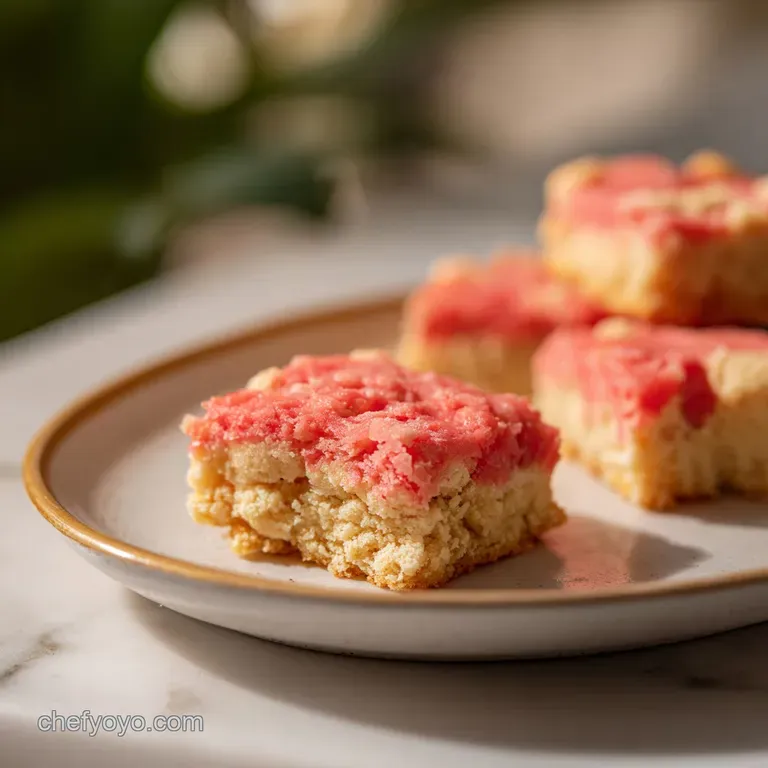
- Time: Active 15 minutes, Passive 30 mins, Total 45 mins
- Flavor/Texture Hook: Velvety guava center with a buttery shortbread shatter
- Perfect for: Tropical themed parties or a bright holiday cookie swap
- The Chemistry of Crumble and Fruit Filling
- Essential Measurements and Timing for Tropical Success
- Selecting the Boldest Elements for Your Dough
- Tools for Achieving the Perfect Textured Bar
- Step-by-Step Guide to a Colorful Tropical Finish
- Correcting Common Texture and Bake Time Mishaps
- Adapting the Recipe for Different Dietary Needs
- Preserving the Vibrant Flavor and Proper Storage
- Garnish Strategy and Bold Color Accent Pairings
- Recipe FAQs
- 📝 Recipe Card
The Chemistry of Crumble and Fruit Filling
To get that professional result, we need to understand how these layers interact. The science of the shortbread is what prevents a total kitchen disaster.
- Starch Gelatinization: The old fashioned rolled oats act as tiny sponges, absorbing excess moisture from the guava filling to prevent a soggy bottom.
- Fat Coat Technique: By rubbing cold butter into the flour, we coat the proteins in fat, which limits gluten development and ensures the crust will shatter rather than chew.
- Acidic Viscosity: The lime juice doesn't just add a citrus zing; it breaks down the pectin in the guava paste, making it spreadable and velvety.
| Method | Time | Texture | Best For |
|---|---|---|---|
| Stovetop Melting | 5 minutes | Completely smooth, velvety | A sleek, professional finish |
| Oven Softening | 8 minutes | Chunky, rustic, thick | When you want a textured bite |
| Microwave | 2 mins | Soft but can be uneven | Quick fixes and low effort |
While the stovetop method requires a bit more stirring, it gives you total control over the vibrancy of the filling. Seeing that paste turn into a glossy, bold red sauce is one of the best parts of this process.
Essential Measurements and Timing for Tropical Success
Precision is your friend when you want a bar that holds its shape. We aren't guessing here; we are building a structural masterpiece of tropical flavors.
| Component | Science Role | Pro Secret |
|---|---|---|
| Guava Paste (16 oz) | Structural sweetener | Slice it into small cubes before melting for a faster, smoother sauce. |
| Unsalted Butter (1 cup) | Shortening agent | Use it cold to create steam pockets that make the crust flaky. |
| Lime Juice (1 tbsp) | Flavor balancer | The acid cuts the "cloying" sweetness of the paste, making it vibrant. |
Using the right fat to flour ratio is what separates a dry cookie from a rich, buttery tropical cookies recipe. I always use light brown sugar because the molasses content keeps the crumble from becoming too sandy.
Selecting the Boldest Elements for Your Dough
Gathering your ingredients is about more than just checking a list; it's about choosing textures that play well together. If you love that shortbread base, you should definitely check out my Cranberry Bliss Bars recipe for another festive twist on this style.
- 1 cup (227g) Unsalted Butter: Keep it cold and cubed. Why this? Cold fat creates the flaky "shatter" texture we want.
- 2 cups (250g) All Purpose Flour: The structural backbone. Why this? Provides enough protein to hold the heavy fruit filling.
- 0.5 cup (100g) Light Brown Sugar: For a hint of caramel. Why this? Adds moisture that white sugar lacks.
- 0.5 cup (45g) Old Fashioned Rolled Oats: Texture and crunch. Why this? Prevents the guava from soaking through the base.
- 16 oz (450g) Guava Paste: The star of the show. Why this? It's more concentrated and stable than jam.
- 1 tbsp Lime Juice: Brightness. Why this? Essential for balancing the tropical sugar profile.
- 0.5 tsp Fine Sea Salt: Enhances all flavors.
- 1 tsp Vanilla Extract: Adds a floral aromatic layer.
| Original Ingredient | Substitute | Why It Works |
|---|---|---|
| Unsalted Butter | Salted Butter | Works well, just omit the extra sea salt in the dough. |
| All Purpose Flour | 1:1 gluten-free Blend | Rice based blends keep the crumble texture but might be thirstier. |
| Lime Juice | Lemon Juice | Provides the same acidity but with a slightly less "tropical" aroma. |
Tools for Achieving the Perfect Textured Bar
You don't need a professional bakery setup, but a few specific tools will make your life much easier. I usually skip the fancy stand mixer and use my hands for the dough to ensure I don't overwork the flour.
- 8x8 inch Square Pan: This provides the ideal thickness for the 24 bar yield.
- Parchment Paper: Essential for lifting the entire block out to slice clean edges.
- Pastry Cutter or Fork: Helps cut the cold butter into the flour without melting it with your hand heat.
- Small Saucepan: For melting that guava paste into a velvety river.
Chef Tip: Freeze your butter for 10 minutes before cubing it. This ensures the fat stays solid until the second it hits the hot oven, which is the secret to a crust that doesn't slump.
step-by-step Guide to a Colorful Tropical Finish
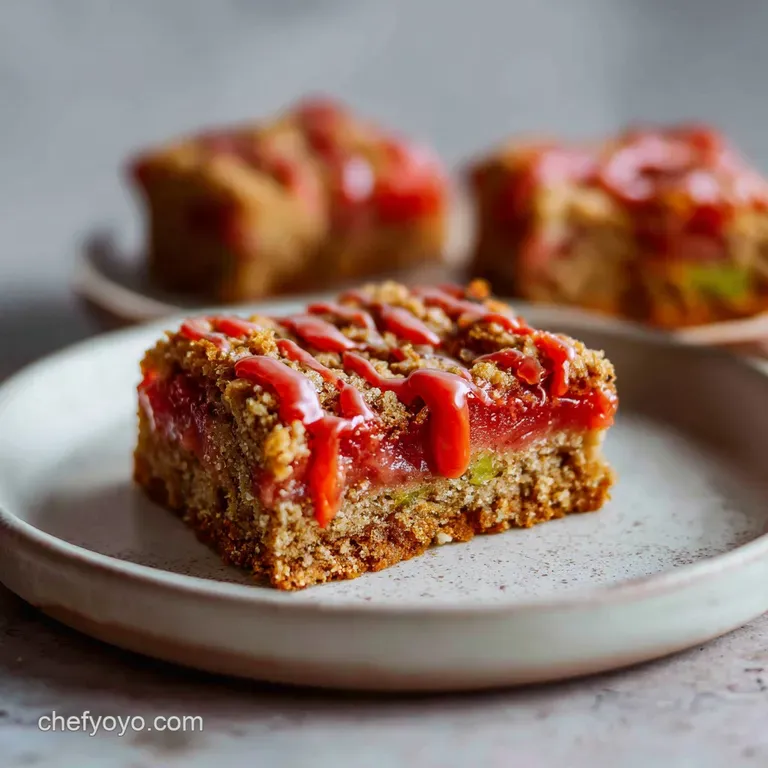
- Prep the heat. Preheat your oven to 350°F (180°C). Note: A hot oven is vital for the initial "set" of the crust.
- Combine dry goods. Mix the flour, brown sugar, oats, and salt in a large bowl.
- Incorporate the butter. Use a pastry cutter to work the cold butter cubes into the flour until it looks like coarse crumbs.
- Reserve the topping. Take 1 cup of this mixture and set it aside for later.
- Press the base. Firmly press the remaining crumb mixture into the bottom of your lined 8x8 pan.
- Par bake the bottom. Bake for 15 minutes until the edges are just barely golden.
- Melt the guava. While the base bakes, heat the guava paste and lime juice in a saucepan over medium low heat until it is smooth and velvety.
- Layer the fruit. Pour the molten guava over the hot par baked crust, spreading it to the edges.
- Add the crumble. Sprinkle that reserved cup of dough over the top of the guava.
- Final bake. Bake for another 15 minutes until the topping is golden and the guava is bubbling.
Correcting Common Texture and Bake Time Mishaps
Even with the best intentions, things can go sideways. The most common mistake I see is people trying to cut these while they are still warm. Don't do it! The filling needs time to set, or you'll just have a delicious red mess on your hands.
Why Your Guava Filling Oozes
If the filling is running out the sides when you cut, it’s usually because the paste wasn’t cooked down enough or the bars are still too hot. Guava paste has a high sugar content that acts like lava when heated. It needs to return to room temperature to regain its structural integrity.
| Problem | Root Cause | Solution |
|---|---|---|
| Soggy Bottom | No par baking | Always bake the base for 15 minutes before adding the fruit. |
| Dry Crumble | Butter too warm | Use cold butter to keep the "pebbly" texture of the topping. |
| Burnt Guava | Heat too high | Melt the paste slowly on low heat; sugar burns easily. |
Common Mistakes Checklist
- ✓ Never skip the parchment paper; these bars are sticky!
- ✓ Ensure the butter is cold from the fridge before mixing.
- ✓ Don't over mix the dough; we want a crumble, not a paste.
- ✓ Wait at least 1 hour for the bars to cool before slicing.
- ✓ Use a sharp, wet knife to get those clean, bold edges when cutting.
Adapting the Recipe for Different Dietary Needs
This recipe is surprisingly flexible. If you want a heartier bite, much like my Classic Soft Oatmeal recipe, you can increase the oats by a quarter cup for extra chew.
The Hawaiian Guava Bars Recipe Twist
In Hawaii, it’s common to add a layer of sweetened cream cheese under the guava. Simply whip 8 oz of cream cheese with 1/4 cup sugar and an egg, spread it over the par baked crust, then top with the guava. It creates a beautiful white and red contrast that looks stunning.
Vegan Substitution
You can swap the butter for a high-quality vegan butter stick (look for one with a high fat content like Miyoko’s). The texture will be slightly softer, but the flavor remains bold. Avoid using coconut oil as a 1:1 swap, as it melts too quickly and will make the crust greasy.
gluten-free Adaptation
A standard 1:1 gluten-free flour works perfectly here. Since there is no eggs in this recipe, the gluten-free flour doesn't have to work as hard. The result is a slightly more "sandy" shortbread, which actually pairs quite well with the velvety guava.
Preserving the Vibrant Flavor and Proper Storage
These bars are sturdy, making them great for gifting or street food style snacking on the go. However, because of the fruit moisture, you need to store them correctly to keep that crust from getting soft.
- Room Temperature: Keep them in an airtight container for up to 3 days.
- Fridge: They stay fresh for up to 1 week in the refrigerator. I actually prefer them cold!
- Freezer: Wrap individual bars in plastic wrap and store in a freezer bag for up to 3 months.
- Zero Waste Tip: If you have leftover guava paste, don't throw it out! Whisk it with a little vinegar and red pepper flakes to create a vibrant tropical BBQ sauce for later in the week.
Garnish Strategy and Bold Color Accent Pairings
Presentation is where we turn a simple bake into a vibrant showstopper. The deep red of the guava is the perfect canvas for high contrast garnishes.
To make these bars truly pop, I use a three point color strategy. First, add a vibrant green accent by grating fresh lime zest over the top immediately after baking. The heat releases the oils and makes the green shimmer.
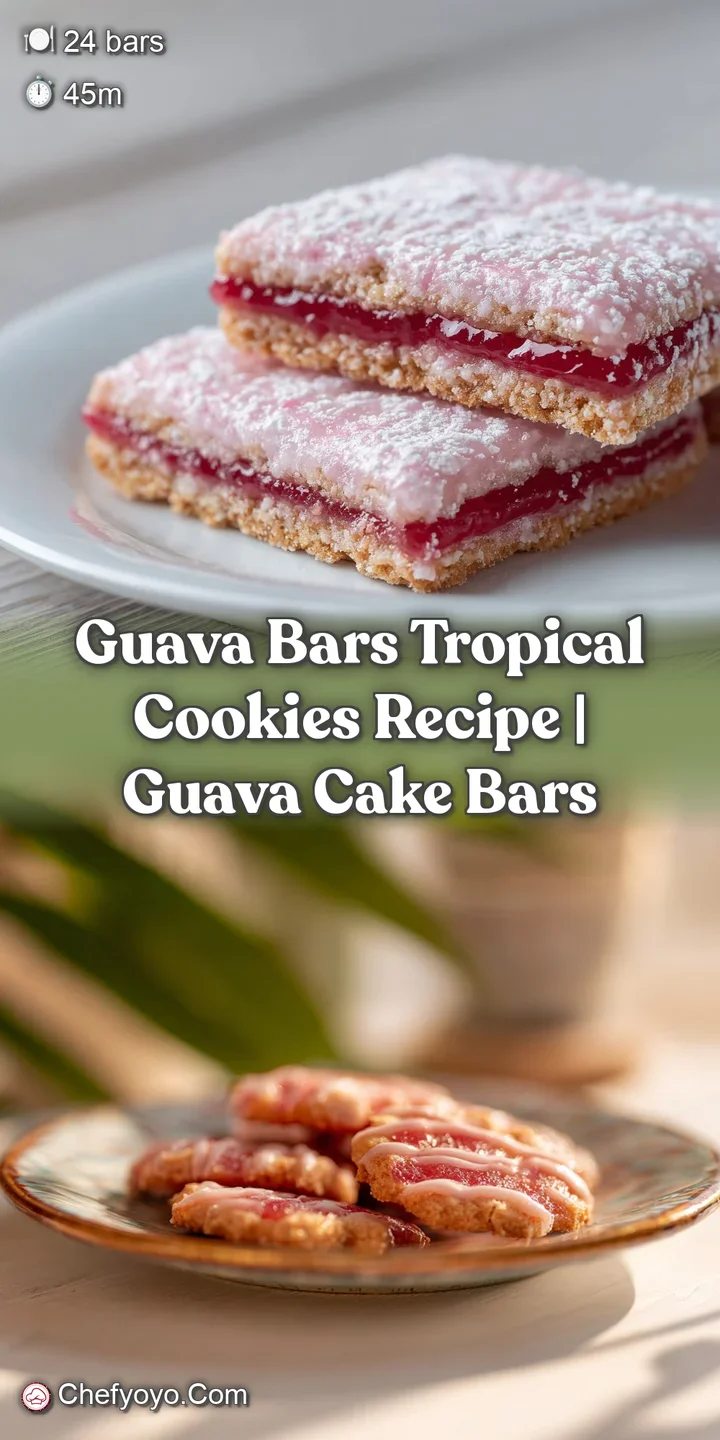
Second, once cooled, use a stark white dusting of powdered sugar. This makes the red guava "windows" look like jewels. Finally, for a bold tropical finish, garnish the serving plate with bright yellow edible flowers or thin slices of starfruit.
- Decision Shortcut
- If you want X, do Y
- For a Chewier Bar
- Increase the oats to 3/4 cup and use dark brown sugar.
- For a Brighter Flavor
- Double the lime juice and add lime zest directly into the dough.
- For a Neater Slice
- Freeze the baked block for 20 minutes before cutting with a hot knife.
This guava bars tropical cookies recipe isn't just about the taste; it's about the energy it brings to the table. The way the golden oats catch the light against that ruby red filling is pure kitchen magic. Go ahead, get that oven preheated and bring a little bit of the tropics into your home today!
Recipe FAQs
Can I use guava jam instead of guava paste?
No, use the paste for best results. Jam contains more liquid and sugar, which will result in a runny filling that might soak the crust.
How to stop the crust from becoming soggy?
Par bake the base for 15 minutes before adding the filling. This initial bake sets the fat structure, creating a barrier against the moisture from the melted guava.
Can I substitute the lime juice with another acid?
Yes, lemon juice works as a suitable acidic substitute. It provides the necessary tartness to balance the sweet paste, though it slightly alters the tropical profile.
Is it true you must let the bars cool completely before slicing?
Yes, complete cooling is crucial for clean cuts. The filling needs time to set after baking; cutting them warm will cause the velvety center to ooze out.
How to achieve a flakier, less dense shortbread crust?
Ensure your butter remains very cold and work it minimally into the dry ingredients. Coating the flour proteins with fat before liquid is added limits gluten formation, creating the desired shatter, similar to the technique used in The Classic Soft recipe.
What is the best method for melting the dense guava paste?
Melt at 50% power in 20-second intervals. Stir between each interval to prevent scorching the high sugar content of the paste.
How long can I store these tropical cookies once baked?
Store them airtight at room temperature for up to three days. For longer preservation, chilling them in the refrigerator extends freshness up to a week, which often improves the texture.
Guava Bars Tropical Cookies
Ingredients:
Instructions:
Nutrition Facts:
| Calories | 186 kcal |
|---|---|
| Protein | 1.4 g |
| Fat | 7.9 g |
| Carbs | 27.4 g |
| Fiber | 1.1 g |
| Sugar | 15.2 g |
| Sodium | 52 mg |
