Homemade Sweet Chili Sauce Recipe
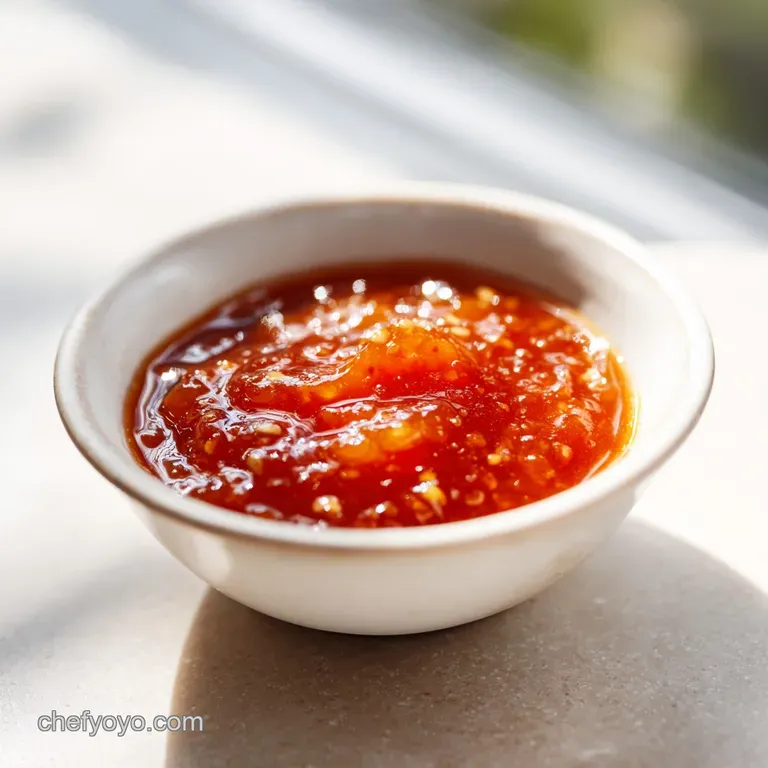
- Time: Active 5 minutes, Passive 10 minutes, Total 15 minutes
- Flavor/Texture Hook: Tangy, honey forward glaze with a slow burn chili finish
- Perfect for: Fusion appetizers, contemporary dipping platters, and quick weeknight stir frys
- Unlock Radiant Flavor with This Sweet Chili Sauce
- The Physics of the Gloss
- Troubleshooting Common Issues
- Analysis of Key Flavor Components
- Sourcing Premium Elements for Success
- Essential Tools for Glossy Results
- Achieving the Ideal Viscous Texture
- Solving Common Consistency Hurdles Fast
- Creative Twists for Every Palate
- Scaling for Large Gatherings
- Dispelling Kitchen Heat Myths
- Preserving Freshness and Reducing Waste
- Harmonious Pairings for Your Sauce
- Recipe FAQs
- 📝 Recipe Card
Unlock Radiant Flavor with This Sweet Chili Sauce
The first time I attempted a homemade version of this condiment, the kitchen smelled like a science experiment gone wrong. I had cranked the heat too high, and the vinegar fumes were so sharp they practically cleared my sinuses before I could even find my wooden spoon.
But then, as I stirred in the honey and watched those vibrant red chili flakes begin to dance in the bubbling liquid, the aroma shifted. It went from biting and harsh to something warm, floral, and deeply inviting.
There is a specific moment when the garlic and ginger hit the warm vinegar where the scent becomes almost magnetic. You'll notice the sharp edges of the rice vinegar soften as the honey melts, creating a velvety base that clings to everything it touches.
We've all settled for the bottled stuff that tastes like corn syrup and red dye, but once you see that glossy, translucent shimmer of your own creation, you'll never go back. Trust me on this, the clarity you get from a proper cornstarch slurry is a total game changer for your presentation.
The Physics of the Gloss
Starch Gelatinization: When the cornstarch slurry hits the simmering liquid, the granules swell and burst at approximately 82°C, creating a translucent, thick network that provides that signature "cling." This ensures your Sweet Chili Sauce doesn't just run off the food but coats
it in a shimmering, even layer.
Troubleshooting Common Issues
| Issue | Solution |
|---|---|
| Why Bloom the Chili Flakes | Adding the 1.5 tbsp red chili flakes directly into the liquid as it heats allows the capsaicin to dissolve into the water and vinegar base. This "blooming" process ensures the heat is distributed even |
| How Does Honey Affect Texture | Unlike granulated sugar, the 1/3 cup honey provides a more complex carbohydrate structure that contributes to a silkier mouthfeel. It also acts as a humectant, which helps the sauce maintain its "velv |
| Why is Simmering the Garlic Essential | Raw garlic in a cold sauce can be aggressive and metallic, but simmering the 1 tbsp minced garlic for those 10 minutes mellows the sulfur compounds. This creates a savory backbone that supports the sw |
Analysis of Key Flavor Components
| Component | Science Role | Pro Secret |
|---|---|---|
| Rice Vinegar (1/2 cup) | Provides the acidic "bright" note and acts as a natural preservative. | Use unseasoned rice vinegar to keep total control over the salt levels. |
| Tamari (2 tbsp) | Introduces "umami" and salt to balance the honey's high sugar content. | Tamari provides a cleaner, deeper color than standard soy sauce. |
| Cornstarch (1.5 tbsp) | The primary thickening agent that ensures a translucent, glossy finish. | Always mix with cold water first to prevent "clumping" in the hot sauce. |
Sourcing Premium Elements for Success
- 1/2 cup rice vinegar (unseasoned): Why this? Provides a mild, fruity acidity compared to harsh white distilled vinegar.
- Substitute: Apple cider vinegar (adds a fruitier, heavier undertone).
- 1/2 cup water: Why this? The essential solvent needed to bloom spices and dissolve honey.
- Substitute: Pineapple juice (adds a tropical sweetness and extra enzymes).
- 1/3 cup honey: Why this? Offers a floral depth and superior "cling" compared to white sugar.
- Substitute: Maple syrup (results in a slightly thinner sauce with woody notes).
- 2 tbsp tamari: Why this? Essential for salt and a rich, dark contemporary hue.
- Substitute: Soy sauce (slightly saltier, use 1.5 tbsp to start).
- 1 tbsp fresh garlic, minced: Why this? Provides a pungent, savory base that cuts through the sugar.
- Substitute: 1 tsp garlic powder (lacks the fresh bite but works in a pinch).
- 1 tsp fresh ginger, grated: Why this? Adds a subtle zing and digestive warmth to the finish.
- Substitute: 1/2 tsp ground ginger (more concentrated "dry" spice flavor).
- 1.5 tbsp red chili flakes: Why this? The visual and literal "heart" of the spice profile.
- Substitute: 1 tbsp sambal oelek (adds more moisture and a fermented tang).
- 1/4 tsp smoked paprika: Why this? A creative fusion twist that adds a hint of "char" aroma.
- Substitute: Standard sweet paprika (adds color without the smoke).
- 1.5 tbsp cornstarch: Why this? Creates the characteristic clear, syrupy suspension.
- Substitute: Arrowroot powder (even clearer finish, but breaks down if overheated).
- 2 tbsp cold water: Why this? Necessary to hydrate the starch before it meets the heat.
- Substitute: Cold chicken stock (adds a savory "savory" depth).
Essential Tools for Glossy Results
You don't need a professional kitchen, but a heavy bottomed stainless steel saucepan is your best friend here. It prevents the honey from scorching at the edges, which is a mistake I once made that turned my beautiful sauce into a bitter, blackened mess.
A silicone whisk is also a "must" to ensure your cornstarch slurry integrates without scratching your pan or leaving lumps behind.
If you are doubling the recipe for a party, consider using a wider skillet instead of a deep pot. The increased surface area speeds up the evaporation process, allowing the 1/2 cup water and vinegar to reduce faster while concentrating those aromatics.
Just keep an eye on it it moves fast once it starts to bubble!
Achieving the Ideal Viscous Texture
- Combine the base. In a small saucepan over medium heat, whisk together the 1/2 cup rice vinegar, 1/2 cup water, 1/3 cup honey, and 2 tbsp tamari. Note: Starting with a cold pan allows the honey to dissolve gradually as the temperature rises.
- Infuse the aromatics. Stir in the 1 tbsp minced garlic, 1 tsp grated ginger, 1.5 tbsp red chili flakes, and 1/4 tsp smoked paprika.
- Initiate the simmer. Bring the mixture to a gentle boil, then immediately reduce to a simmer. Cook for 10 minutes until the liquid reduces by about a third and smells spicy and sweet.
- Prepare the slurry. In a small bowl, whisk the 1.5 tbsp cornstarch with 2 tbsp cold water until completely smooth. Note: This step is crucial for avoiding white streaks in your finished sauce.
- Thicken the liquid. Slowly pour the cornstarch slurry into the simmering sauce while whisking constantly. Whisk for 1 minute until the sauce transforms from cloudy to clear and glossy.
- Verify the consistency. Dip a spoon into the sauce; it should coat the back without immediately running off.
- Remove from heat. Take the pan off the burner as soon as the desired thickness is reached. Note: The sauce will continue to thicken significantly as it cools.
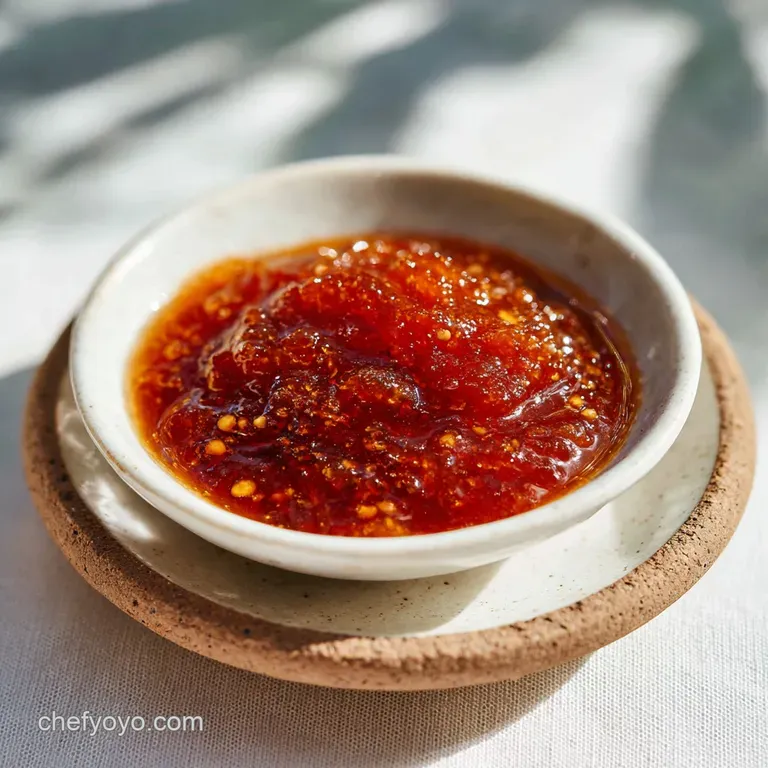
- Cool completely. Let the sauce sit at room temperature for at least 30 minutes. Wait until you see the chili flakes suspended perfectly in the jelly like liquid.
- Jar and seal. Transfer the cooled sauce to a clean glass jar.
Chef Tip: For an even deeper flavor profile, toast your red chili flakes in the dry pan for 30 seconds before adding the liquid. This releases the essential oils and creates a "shatter" of heat that lingers on the palate.
Solving Common Consistency Hurdles Fast
Why Your Sauce is Cloudy
Cloudiness usually happens if the cornstarch hasn't reached its "bursting" point or if it was mixed with warm water instead of cold. To fix this, ensure the sauce reaches a light bubble after adding the slurry; the heat is what triggers the clarity.
The Problem of Sogginess
If you're using this as a glaze for fried chicken and it turns soggy, it's likely because the sauce was applied while too hot or was too thin. A properly thickened sauce should sit on top of the breading like a "velvety" jacket.
| Problem | Root Cause | Solution |
|---|---|---|
| Sauce is too thin | Not enough reduction or under activated starch | Simmer for 2 more minutes or add 1 tsp extra slurry |
| Sauce is too dark | Tamari was over reduced or honey scorched | Add 1 tbsp water and 1 tsp rice vinegar to brighten |
| Visible white lumps | Slurry added too fast or not whisked | Strain the sauce through a fine mesh sieve immediately |
Common Mistakes Checklist
- ✓ Always use cold water for your slurry; warm water creates instant lumps.
- ✓ Don't skip the ginger - it provides the "zing" that balances the heavy honey.
- ✓ Use unseasoned vinegar to prevent the sauce from becoming overly salty.
- ✓ Let the sauce cool completely before jaring; this "sets" the final texture.
- ✓ Never leave the pot unattended once the slurry is added - it thickens in seconds.
Creative Twists for Every Palate
If you're looking to adapt this recipe for specific dietary needs or flavor profiles, it's incredibly flexible. For a "Healthy Sweet Chili Sauce Recipe," you can swap the honey for agave or even a monk fruit sweetener, though you may lose some of that iconic "cling."
- The Tropical Twist: Swap the 1/2 cup water for pineapple juice. This adds a contemporary "fusion" feel that pairs beautifully with grilled shrimp.
- The Heat Seeker: Add 1/2 tsp of cayenne pepper or a teaspoon of sriracha along with the chili flakes for a more aggressive burn.
- The Herbaceous Version: Stir in 1 tbsp of finely chopped fresh cilantro and a squeeze of lime juice after the sauce has cooled.
This sauce is surprisingly similar in its reduction technique to the base of my Beef Enchiladas with recipe, where controlling the thickness is key to the final mouthfeel. Whether you're going for a classic Thai profile or a contemporary fusion vibe, the secret is all in the balance of acid and sugar.
Scaling for Large Gatherings
Scaling DOWN (1/2 batch): Use a very small saucepan to prevent the liquid from evaporating too quickly. Reduce the simmering time to 6 minutes instead of 10, as the smaller volume will concentrate much faster.
Scaling UP (2x - 4x batch): When doubling, do not double the chili flakes right away. Start with 1.5x the amount of spices and adjust to taste. High volumes of liquid take longer to reach a simmer, so expect the total cook time to increase by about 5-8 minutes.
Keep the cornstarch ratio consistent, as the thickening power needs to scale linearly with the liquid volume.
| Original Servings | 1/2 Batch (5) | Full Batch (10) | Double Batch (20) |
|---|---|---|---|
| Honey | 2.5 tbsp | 1/3 cup | 2/3 cup |
| Rice Vinegar | 1/4 cup | 1/2 cup | 1 cup |
| Cook Time | 6-7 mins | 10 mins | 15-18 mins |
Dispelling Kitchen Heat Myths
Myth: The seeds are the only source of heat. Actually, the membranes (the white pith) of the pepper contain the highest concentration of capsaicin. In dried chili flakes, you're getting a mix, but "blooming" them in the vinegar liquid is what actually extracts that heat into the sauce.
Myth: Cornstarch sauces don't freeze well. While some starches "weep" when thawed, a high sugar sauce like this one actually holds up quite well in the freezer. The honey acts as a stabilizer, preventing the starch network from breaking down completely during the crystallization process.
Preserving Freshness and Reducing Waste
Storage Guidelines: Store your Sweet Chili Sauce in a sterilized glass jar in the refrigerator for up to 14 days. Because of the high sugar and vinegar content, it acts as a self preserver, but the garlic and ginger flavors will begin to mute after the second week.
Freezing Instructions: You can freeze this sauce in silicone ice cube trays for up to 3 months. This is a brilliant "zero waste" hack simply pop out a cube whenever you need a quick flavor boost for a single serving stir fry.
Zero Waste Tip: Don't toss the ginger peels! While the recipe calls for 1 tsp grated ginger, you can toss the leftover peels into the simmering sauce while it cooks and strain them out at the end. This squeezes every bit of aromatic oil out of the root without wasting a thing.
Harmonious Pairings for Your Sauce
This Sweet Chili Sauce is the ultimate "utility" condiment. While it's a "classic" for spring rolls and coconut shrimp, try using it as a glaze for roasted salmon or even a drizzle over a crispy halloumi salad.
The smoky paprika in this version creates a bridge to more savory, charred foods that traditional Thai sauces might miss.
It also works wonders as a base for a spicy mayo. Whisk 2 tbsp of this sauce into 1/2 cup of high-quality mayonnaise for a creamy, zesty dip that will make your fries sing. If you're hosting a dinner and want a sophisticated spread, pair this alongside my Horseradish Cream Sauce recipe for a "hot and sweet" duo that covers every part of the palate.
Recipe FAQs
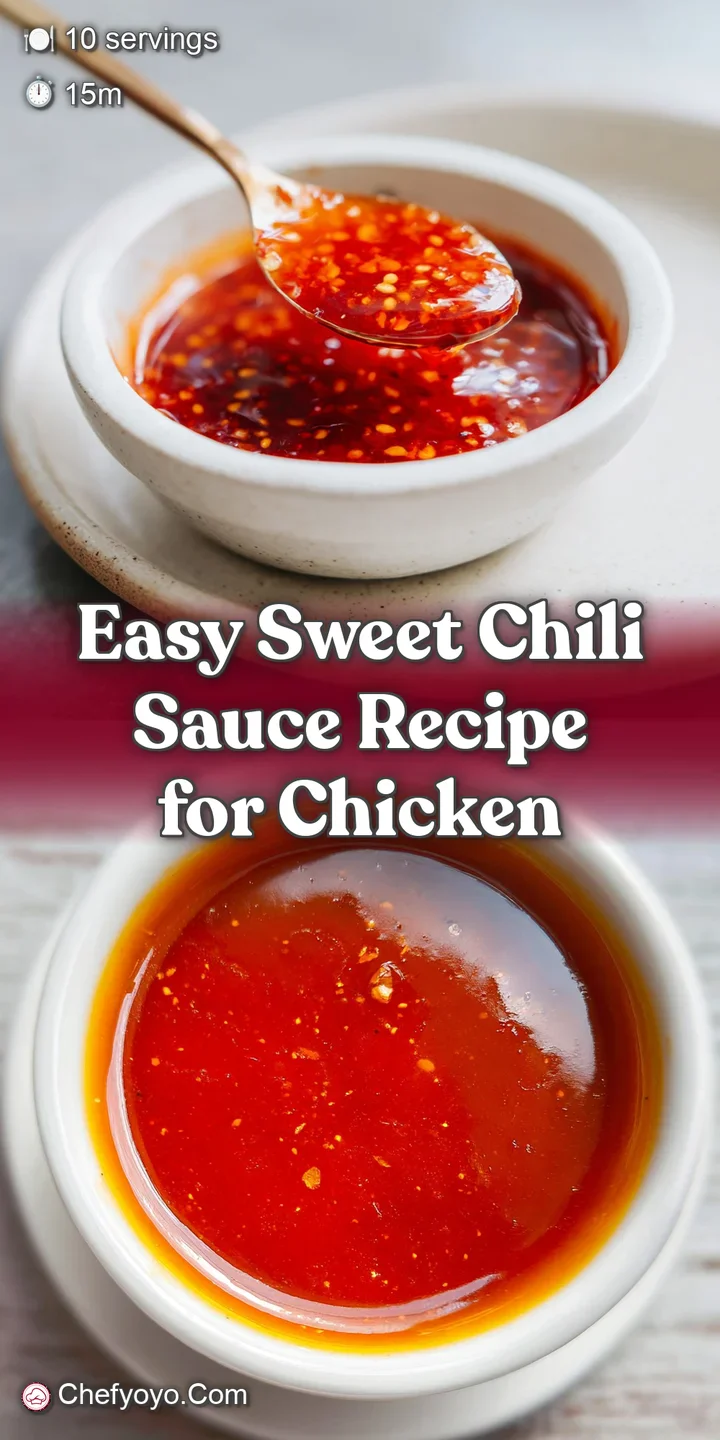
How do you make sweet chilli sauce?
Combine the base ingredients and simmer for 10 minutes. Whisk rice vinegar, water, honey, and tamari in a saucepan, add garlic and spices, and bring to a gentle boil. Reduce heat and simmer until reduced by one-third.
What is a good substitute for sweet chili sauce?
Sriracha mixed with a touch of honey is the closest common substitute. This combination mimics the heat and sugar but lacks the distinct vinegar tang and glossy texture.
What's the difference between chili sauce and sweet chili sauce?
Chili sauce is generally savory and hot; sweet chili sauce is balanced with high sugar and vinegar. Standard chili sauce focuses on pure chili heat and preservation, whereas sweet chili sauce is formulated as a dipping glaze.
What do you use sweet chili sauce for?
Use it as a dipping sauce, glaze, or drizzle for almost anything savory. It pairs excellently with fried appetizers, grilled poultry, and is a fantastic base for salad dressings or marinades, similar to how we build flavor in our Tender Beef and recipe stir fry.
Why is my homemade sweet chili sauce cloudy instead of clear?
No, you likely didn't whisk the cornstarch slurry in slowly enough. The cornstarch needs to be added gradually while whisking vigorously after the sauce has reached a simmer to achieve proper gelatinization and that clear, glossy sheen.
Can I make this sauce spicier without adding more dried flakes?
Yes, add a small amount of fresh heat when sautéing the aromatics. Stirring in 1/2 tsp of finely minced fresh bird's eye chili or even a dash of cayenne pepper during the simmer will introduce a sharper, cleaner heat.
Is it safe to use maple syrup instead of honey in this recipe?
Yes, maple syrup works as a direct one-to-one sugar substitute. However, it will impart a distinct woody, caramelized flavor profile that is different from the floral notes of honey; if you master the skill of balancing these sweet/acidic ratios here, you can apply the technique to any Creamy Shrimp Fettuccine recipe base.
Homemade Sweet Chili Sauce
Ingredients:
Instructions:
Nutrition Facts:
| Calories | 47 kcal |
|---|---|
| Protein | 0.6 g |
| Fat | 0.1 g |
| Carbs | 11.4 g |
| Fiber | 0.2 g |
| Sugar | 9.2 g |
| Sodium | 201 mg |
