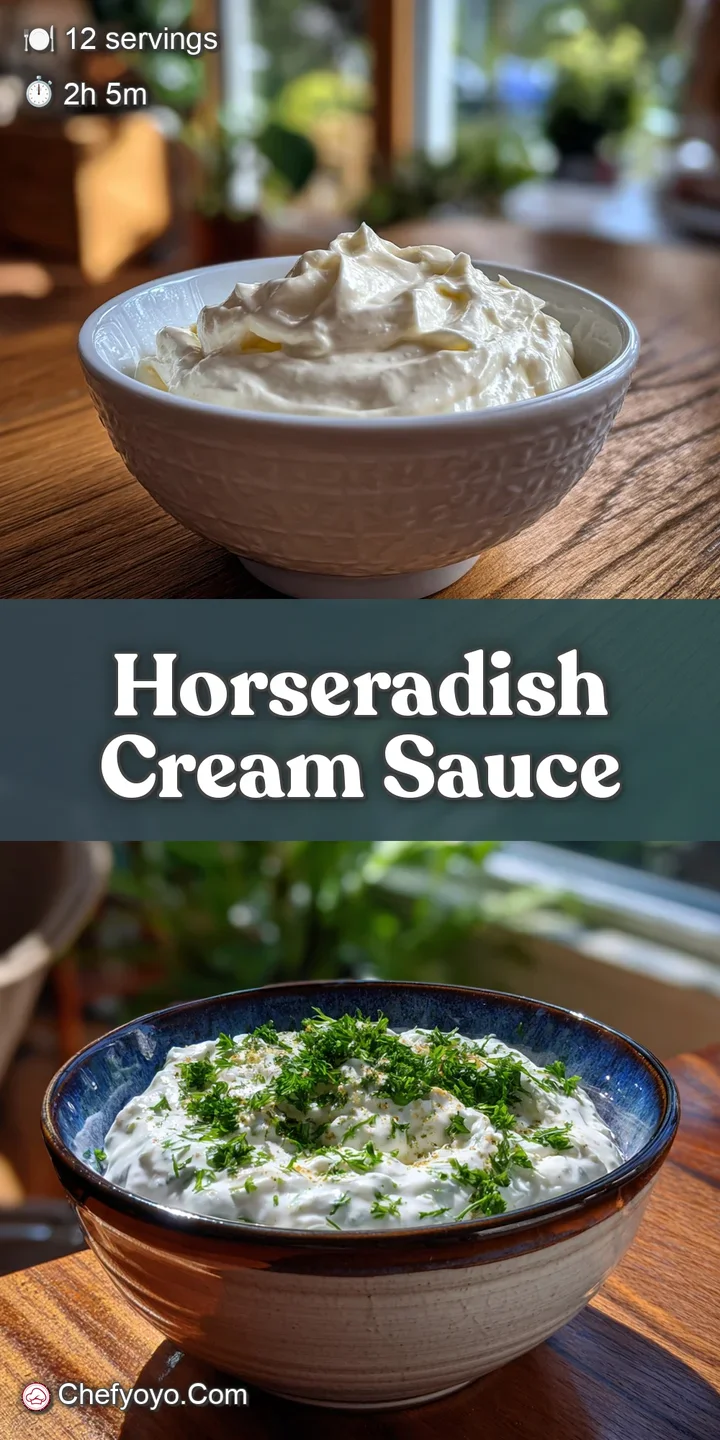
Horseradish Cream Sauce: Pungent and Velvety
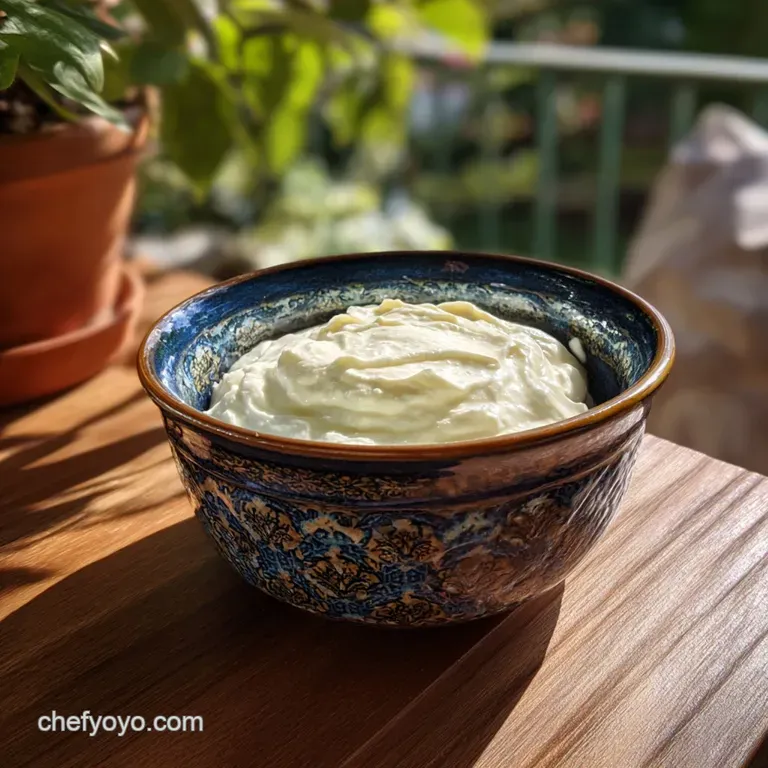
- Time: Active 5 minutes, Passive 2 hours, Total 2 hours 5 minutes
- Flavor/Texture Hook: Pungent nasal clearing kick with a silky, cooling finish.
- Perfect for: Prime rib dinners, steak nights, and zesty seafood dipping.
- Creating the Zesty Horseradish Cream Sauce
- Balancing Bold Heat and Velvety Base
- Prepping the Sauce in Record Time
- Sourcing High-Quality Zing and Cream
- Minimalist Gear for Professional Results
- Step-By-Step Emulsion for Maximum Flavor
- Solutions for Spicy or Runny Sauces
- Creative Swaps for Global Fusion
- Chilling and Keeping the Sauce Fresh
- Plating Tips for the Perfect Pairing
- Horseradish Cream Sauce FAQs
- 📝 Recipe Card
Creating the Zesty Horseradish Cream Sauce
Ever notice how a high end steakhouse manages to give you that incredible nasal clearing zing without making your eyes water uncontrollably? I used to just buy the jarred stuff and wonder why it felt so flat.
Then I realized I was missing the "bridge." In this recipe, the bridge is the fat from the sour cream and the acidity from the lemon, which turn a harsh root into a velvety masterpiece.
Trust me on this: the biggest mistake I ever made was serving horseradish straight from the jar on a Christmas prime rib. It was like a chemical attack on the dinner table. We’ve all been there, right?
You want that kick, but you don't want to ruin the flavor of the expensive meat you just spent six hours roasting. This sauce is the solution. It’s about contrast the cooling cream hits your tongue first, and then the heat blooms as you chew.
Right then, let's crack on. We aren't just mixing ingredients; we're building a cold emulsion that gets better the longer it sits. You’re going to love how the chives add that tiny pop of oniony freshness against the sharp bite of the horseradish.
It’s a total shift in how you’ll think about condiments.
Balancing Bold Heat and Velvety Base
The magic happens during the "rest." When you first mix this, it might taste a little disjointed. But after a couple of hours in the fridge, something chemical happens. The volatile oils in the horseradish start to infuse into the fat of the sour cream and mayonnaise. It’s similar to how a stew tastes better the next day. If you're looking for a side that handles heavy flavors, this is as essential as a well made Tater Tot Casserole recipe when you need pure comfort.
The Science of Why it WorksLipid Encapsulation: High fat sour cream traps volatile isothiocyanates, delaying the nasal sting until the sauce warms in your mouth.
Acid Stabilization: Lemon juice lowers pH, keeping the horseradish enzymes active while preventing the dairy from feeling too heavy on the palate.
| Method | Time | Texture | Best For |
|---|---|---|---|
| The Flash Mix | 5 minutes | Grainy/Sharp | Last minute burgers |
| The Cold Steep | 2 hours | Velvety/Integrated | Prime Rib & Roast Beef |
| Overnight Cure | 12 hours | Mellow/Complex | Cold Salmon or Sandwiches |
The "Cold Steep" is my personal favorite because it hits that sweet spot of convenience and culinary depth. By letting the mixture sit, you allow the salt to draw out the moisture from the horseradish, which then carries the flavor into the surrounding cream.
It creates a more uniform heat that doesn't just hit you in the face and disappear.
Chef Tip: Squeeze the prepared horseradish in a clean kitchen towel or fine mesh strainer until it's bone dry. If you skip this, the excess vinegar and water will split your cream, leaving you with a watery mess at the bottom of the bowl.
Prepping the Sauce in Record Time
When we talk about efficiency, this recipe wins every time. You have exactly zero minutes of cooking time, but the "flavor ROI" is massive. I’ve found that the quality of your sour cream makes or breaks this. Don’t even think about using the low-fat version.
We need those fat globules to act as a buffer for the heat.
| Component | Science Role | Pro Secret |
|---|---|---|
| Sour Cream | Fat Base | Use full fat for a silky, lipid rich mouthfeel. |
| Prepared Horseradish | Pungent Heat | Drain twice to prevent the sauce from thinning out. |
| Dijon Mustard | Emulsifier | Helps bond the lemon juice and oil for a stable texture. |
The Dijon mustard acts as a secondary bridge. It has its own mustard oil heat (isothiocyanates), which supports the horseradish rather than competing with it. It also contains mucilage, which helps keep the sauce thick and spreadable even after it sits for a few days.
Sourcing high-quality Zing and Cream
- 1 cup (240g) full fat sour cream: Why this? Provides the essential fat barrier to mellow the sharp horseradish sting.
- Substitute: Greek yogurt (Note: much tangier and slightly thinner)
- 1/4 cup (60g) mayonnaise: Why this? Adds egg based richness and improves the overall cling of the sauce.
- Substitute: Avocado oil mayo
- 1 tbsp (15g) Dijon mustard: Why this? The vinegar and spice in Dijon act as a natural flavor enhancer.
- Substitute: Spicy brown mustard
- 1/2 cup (120g) prepared horseradish, drained: Why this? The core heat source; draining ensures a thick, restaurant quality consistency.
- Substitute: Grated fresh horseradish (use half the amount)
- 1 tbsp (15ml) fresh lemon juice: Why this? Cuts through the heavy fats and brightens the finish.
- Substitute: White wine vinegar
- 1/2 tsp (3g) fine sea salt: Why this? Essential for waking up all the other flavor profiles.
- Substitute: Kosher salt
- 1/4 tsp (1g) freshly cracked black pepper: Why this? Adds a different kind of slow burn heat to the background.
- Substitute: White pepper for a cleaner look
- 2 tbsp (10g) fresh chives, finely minced: Why this? Adds a pop of color and a mild, fresh onion aroma.
- Substitute: Finely minced scallion tops
Minimalist Gear for Professional Results
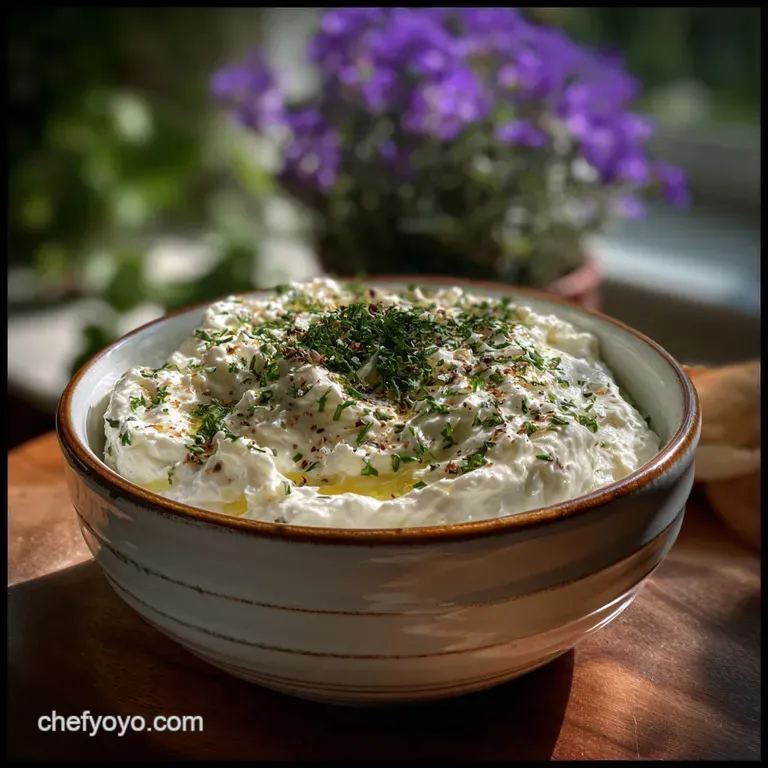
You really don't need much for this, but a couple of small tools make it way easier. I always use a small stainless steel bowl because it keeps the dairy cold while you’re working.
Avoid using plastic bowls if you can; horseradish is surprisingly pungent and can sometimes leave a lingering scent in porous materials.
A microplane or a very fine grater is your best friend if you're venturing into using fresh root, though for this specific recipe, we are sticking with the "prepared" jarred version for that classic texture.
A silicone spatula is also a must have to make sure you're scraping every last bit of that "white gold" out of the bowl.
Chef Tip: Freeze your chives for 5 minutes before mincing. It makes them firm and prevents them from bruising, so you get clean, circular "shards" instead of smashed green mush.
step-by-step Emulsion for Maximum Flavor
- Drain the horseradish. Press 1/2 cup prepared horseradish into a fine mesh sieve until no liquid drips through. Note: This prevents the sauce from separating later.
- Whisk the base. Combine 1 cup sour cream and 1/4 cup mayonnaise in a medium bowl until silky and smooth.
- Add the aromatics. Fold in 1 tbsp Dijon mustard and 1 tbsp lemon juice until fully incorporated.
- Incorporate the heat. Stir in the drained horseradish until evenly distributed throughout the cream.
- Season the mixture. Sprinkle 1/2 tsp sea salt and 1/4 tsp black pepper until the flavors are balanced.
- Add the fresh element. Fold in 2 tbsp minced chives until you see vibrant green flecks.
- The Sensory Check. Taste a small amount. You should feel a velvety texture followed by a sharp nasal kick.
- The Mellowing Phase. Cover and chill for at least 2 hours until the flavors have fully melded.
Solutions for Spicy or Runny Sauces
Why Your Sauce Is Too Runny
If your sauce looks more like a dressing than a thick cream, you probably missed a crucial prep step. Usually, it's because the horseradish wasn't drained properly, or the lemon juice was added too aggressively.
If you didn't press the horseradish dry, that extra vinegar from the jar will break the emulsion of the sour cream.
| Problem | Root Cause | Solution |
|---|---|---|
| Watery Consistency | Excess liquid in horseradish | Stir in 1-2 tbsp extra mayo to re thicken. |
| Overwhelming Heat | Too much horseradish root | Add 1/4 cup extra sour cream to dilute the oils. |
| Flat Flavor | Not enough salt or acid | Add a tiny pinch of salt and a drop of lemon juice. |
Why Your Sauce Lacks Kick
Sometimes you buy a jar of horseradish that has lost its fire. Horseradish is very sensitive to heat and air. If the jar was old or sat on the counter too long, the volatile oils (the stuff that makes your nose tingle) have evaporated.
Common Mistakes Checklist - ✓ Forgetting to drain the horseradish (leads to a soggy, broken sauce) - ✓ Using "light" or fat free sour cream (the sauce won't have enough body) - ✓ Skipping the 2 hour rest (the flavors will taste separate and harsh) - ✓ Using bottled lemon
juice instead of fresh (loses that bright, floral zing) - ✓ Over mixing the chives (turns the sauce a muddy, bruised green)
Creative Swaps for Global Fusion
If you want to take this in a different direction, it's incredibly easy to adapt. I sometimes make a "Pub Style" version by adding a teaspoon of Worcestershire sauce and a dash of hot sauce. It gives it a deeper, more savory profile that works wonders on roast beef sandwiches. For a different take on the spicy sweet combo, you might even consider the flavor balance found in my Fiery Homemade Horsey recipe.
| Premium | Budget | Flavor Impact | Savings |
|---|---|---|---|
| Fresh Grated Root | Jarred Prepared | Jarred is milder and more consistent. | Save $3-5 |
| Creme Fraiche | Sour Cream | Sour cream is tangier; Creme Fraiche is richer. | Save $4-6 |
| Grey Poupon | Store Brand Dijon | Minimal difference if adding lemon juice. | Save $2 |
Scaling this recipe is straightforward. If you're hosting a massive party, you can easily double it. Just remember that salt doesn't always scale linearly start with 1.5 times the salt for a double batch and taste as you go.
If you're scaling down for a solo dinner, use half of everything, but beat a small amount of the mustard and lemon together first to ensure they emulsify properly in the smaller volume.
Chilling and Keeping the Sauce Fresh
This sauce is a meal prepper's dream. It actually tastes better on day two than it does on day one. I recommend storing it in a glass jar with a tight fitting lid. Because of the high fat and acidity, it stays fresh in the fridge for up to 2 weeks.
Just give it a quick stir before serving to redistribute any oils that might have settled.
I don't recommend freezing this. Dairy based sauces like this tend to "shatter" or grain up when they thaw. The water in the sour cream turns to ice crystals, and when it melts, it separates from the fat.
If you're looking to reduce waste, use leftover sauce as a base for a potato salad or as a zesty spread for a turkey wrap. You can even stir a spoonful into a beef stew at the very end to add a surprising hit of brightness.
Plating Tips for the Perfect Pairing
The Classic Prime Rib Pairing
When you're serving this with a heavy roast, presentation is everything. I like to serve it in a chilled ramekin with a few extra chives sprinkled on top. The cold temperature of the sauce provides a fantastic contrast to the warm, juicy meat. It’s the quintessential Horseradish Sauce for recipe use case.
The Seafood Elevation
Believe it or not, this is incredible with smoked salmon or grilled shrimp. The fattiness of the salmon pairs beautifully with the sharp kick of the cream. If you're serving it with seafood, add an extra squeeze of lemon right before it hits the table to keep it feeling light and "contemporary."
Flavor Map Summary
- Primary: Sharp, Sinus Clearing Heat
- Secondary: Tangy, Rich Cream
- Base: Savory Fat and Dijon Spice
- Accents: Fresh Allium (Chives) and Bright Citrus
Myth: Searing the horseradish keeps it hot. Actually, heat destroys the pungency of horseradish. If you cook it, it becomes sweet and nutty, losing that signature kick. Always keep this sauce cold to preserve the volatile oils.
Myth: Mayo is just a cheap filler. Not at all! Mayonnaise is a stable emulsion that helps the sour cream hold its shape. It adds a specific kind of "cling" that ensures the sauce stays on the meat rather than sliding off onto the plate.
Horseradish Cream Sauce FAQs
What's the difference between horseradish sauce and horseradish cream?
Horseradish cream is typically richer and smoother. Horseradish sauce can sometimes be thinner and might be made with vinegar or mustard as a base, whereas horseradish cream uses dairy like sour cream or heavy cream for a velvety texture. It's the dairy that gives it that signature creamy mouthfeel.
How do you make Bobby Flay's horseradish sauce?
Bobby Flay's version often features a blend of prepared horseradish, mayonnaise, Dijon mustard, lemon juice, and chives. He emphasizes draining the horseradish well to prevent a watery sauce and lets it chill to allow the flavors to meld.
This combination provides a tangy, zesty kick with a creamy base.
Is horseradish cream sauce healthy?
It can be, depending on the ingredients used and portion size. Traditional recipes often use full fat sour cream and mayonnaise, which adds calories and fat. However, horseradish itself has some beneficial compounds.
Opting for lower fat dairy or Greek yogurt can make it a lighter choice, and like any condiment, moderation is key.
How do you make Alton Brown horseradish cream sauce?
Alton Brown's approach typically involves balancing simple, high-quality ingredients for maximum flavor impact. He often stresses the importance of draining the prepared horseradish thoroughly to avoid a watery sauce.
His recipes might include sour cream, mayonnaise, a touch of Dijon mustard, and fresh lemon juice for brightness, all chilled to let the flavors meld perfectly.
Can I use fresh grated horseradish instead of prepared?
Yes, but use less and drain it very well. Freshly grated horseradish is significantly more potent than prepared. Start with half the amount and grate it just before using for the strongest flavor. You'll still need to press out excess moisture to maintain the sauce's creamy texture, similar to how you manage the base in a Traditional Silky Creamy Carbonara Recipe (No Cream!).
How long does horseradish cream sauce last in the refrigerator?
Typically up to two weeks when stored properly. As long as it's kept in an airtight container in the refrigerator, the dairy and acidity help preserve it. Give it a good stir before serving, as some separation can occur.
What's the best way to get the horseradish flavor to mellow?
Allow the sauce to chill for at least 2 hours, or ideally overnight. This resting period allows the volatile compounds in the horseradish to meld with the dairy and other ingredients, creating a smoother, more integrated heat rather than a sharp, immediate bite. If you enjoyed mastering the flavor infusion here, you might like to see how similar flavor development happens in our Grandmas Swedish Meatballs Recipe The Best Köttbullar with Rich Cream Sauce.
Horseradish Cream Sauce
Ingredients:
Instructions:
Nutrition Facts:
| Calories | 79 kcal |
|---|---|
| Protein | 0.7 g |
| Fat | 7.7 g |
| Carbs | 2.2 g |
| Fiber | 0.2 g |
| Sugar | 1.1 g |
| Sodium | 173 mg |
