Roasted Butternut Squash and Brussel Sprouts with Sticky Maple-Soy Glaze: the Ultimate Side
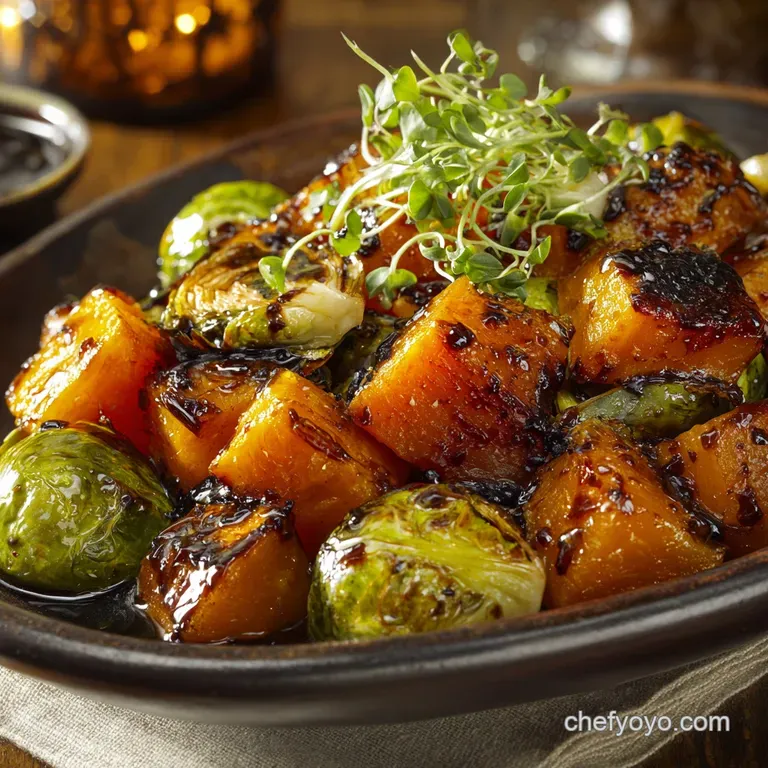
- The Ultimate Autumn Side Dish: Introduction to Sticky Maple-Soy Veggies
- Why This Roasted Butternut Squash and Brussel Sprouts Recipe Works: The Science of Texture
- Essential Ingredients for Sticky Maple-Soy Glazed Butternut Squash and Brussels Sprouts
- Roasting Butternut Squash and Brussel Sprouts with Maple-Soy Glaze: Step-by-Step
- Pro Tips and Troubleshooting for Perfectly Roasted Vegetables
- Serving Suggestions: The Best Pairings for This Sweet & Savoury Side
- How to Store Leftover Sticky Maple-Soy Brussels Sprouts and Squash
- Recipe FAQs
- 📝 Recipe Card
The Ultimate Autumn Side Dish: Introduction to Sticky Maple Soy Veggies
The smell alone is enough to drag anyone into the kitchen; it’s that perfect mix of earthy, sweet, and deeply savoury all at once. When butternut squash gets cozy with Brussels sprouts and they both caramelize under high heat, magic happens, yielding a texture that is crispy on the edges and soft and tender inside.
This is the roasted butternut squash and brussel sprouts with maple soy glaze recipe you’ve been searching for.
I’m serious when I say this dish is a lifesaver, especially when you need a high impact side without complicated steps. We're talking 20 minutes of chopping and 30 minutes of hands off roasting; it looks incredibly impressive but costs next to nothing and takes minimal effort.
It’s perfect for a frantic Tuesday night but also elegant enough for Thanksgiving.
Forget about those boring boiled vegetables that taste like sadness. We’re achieving maximum flavour saturation here using a powerful one-two punch of sugar and umami that creates the most addictive glaze imaginable.
Let’s dive into the simple science behind this perfect plate of roasted butternut squash and brussel sprouts with maple syrup glaze.
Why This Roasted Butternut Squash and Brussel Sprouts Recipe Works: The Science of Texture
This recipe works because we treat the vegetables like little flavour sponges, coating them first in oil and salt for maximum caramelization, and then, crucially, adding the sugar rich glaze after they have softened. High heat is essential here; we’re not steaming anything.
We are roasting to achieve deeply golden brown perfection.
Why Brussels Sprouts Deserve a Second Chance in Your Kitchen
If you’ve ever sworn off sprouts, it’s likely because you’ve only had the mushy, sulphur smelling version of your childhood. Roasting them correctly changes their molecular structure, eliminating that bitter flavour and replacing it with a delicious, nutty sweetness.
Halving them and giving them lots of space is the key to achieving that crispy outer layer we all crave.
The Magic of Caramelization: Where Sweetness Meets Deep Umami
The secret weapon here is the combination of maple syrup and soy sauce. The maple syrup provides the sticky sweetness that browns beautifully, while the soy sauce brings the necessary salty depth and rich umami flavour.
This dynamic contrast is what prevents the dish from tasting cloyingly sweet, creating a perfectly balanced profile.
Quick Recipe Glance: Time, Yield, and Preparation Difficulty
| Stage | Time Estimate |
|---|---|
| Prep Time | 20 minutes |
| Cook Time | 30 minutes |
| Yield | 4 generous servings |
Achieving the Ideal Texture: Crispy Edges vs. Tender Centers
To get that ideal balance a tender squash center and crispy sprout edges you must cut the vegetables into uniform, 1 inch pieces. If the squash pieces are too big, they'll remain raw in the center. If the sprouts are too small, they'll burn before the squash is done.
Consistency is absolutely critical.
The Role of Acid and Salt in Balancing the Maple Glaze
We incorporate a tablespoon of rice vinegar into the glaze mixture. Why? That touch of acid cuts through the richness of the maple and the saltiness of the soy, making the whole dish taste brighter and more complex. Don't skip the rice vinegar; it’s the supporting actor that steals the show.
Optimizing Oven Temperature for Maximum Maillard Reaction
We roast at a high temperature, 425°F (220°C). This ensures that the water content evaporates quickly, allowing the natural sugars in the squash to caramelize properly. Low and slow is the enemy of crispy vegetables.
Essential Ingredients for Sticky Maple Soy Glazed Butternut Squash and Brussels Sprouts
It’s a simple ingredient list, but the quality truly matters here. Always use pure maple syrup, not pancake syrup!
Selecting and Prepping Butternut Squash for Uniform Roasting
Look for a squash with a long, thick neck; this part contains the most flesh and the smallest seed cavity. Peeling butternut squash can feel like a workout, but I promise it's worth it. Once peeled, scoop out the seeds, and cut everything into those crucial 1 inch cubes.
Maple Syrup vs. Honey: Glaze Sweetener Substitutions
-
Maple Syrup:
Use Grade A Dark Robust for the best flavour.
- Substitution: Honey works beautifully if you don't have maple syrup, but it will taste slightly heavier and less distinctly autumnal. Agave nectar also works, but the flavour is milder.
Soy Sauce Alternatives (Tamari or Coconut Aminos) for Dietary Needs
Using low-sodium soy sauce helps us control the final salt level. However, if you have dietary restrictions, don’t stress.
| Ingredient | Substitution | Use If... |
|---|---|---|
| Soy Sauce | Tamari | You need a certified gluten-free alternative. |
| Soy Sauce | Coconut Aminos | You need a soy-free alternative (it's slightly sweeter). |
Maximizing Flavour: The Importance of Good Quality Oil and Seasoning
We use olive oil for the initial over high heat roast because it helps achieve that beautiful char. Salt and pepper are non-negotiable they bring out the natural sweetness of the squash. Don't season too lightly, especially since we are balancing that high sweetness level!
Roasting Butternut Squash and Brussel Sprouts with Maple Soy Glaze: step-by-step
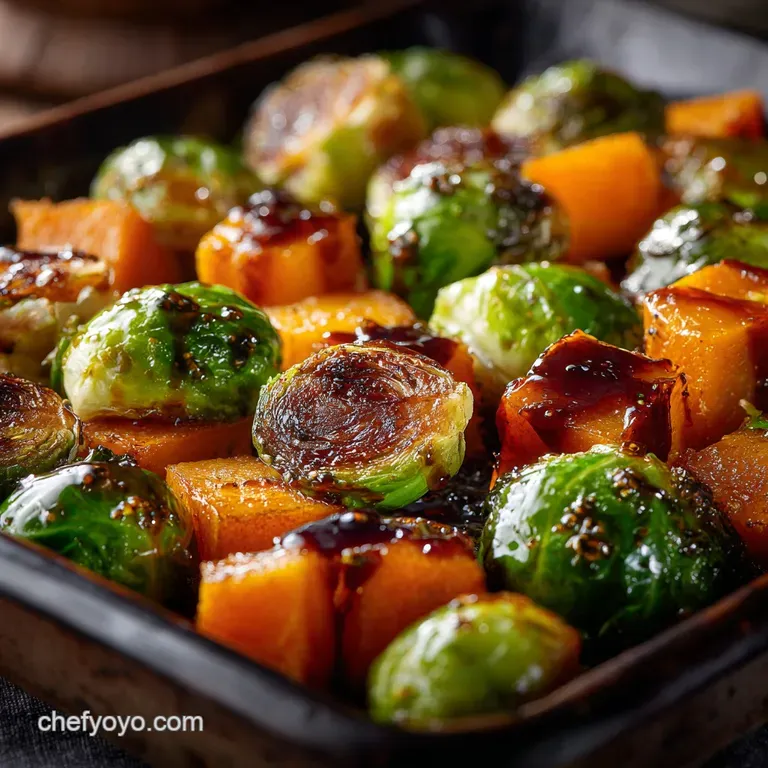
Preparation Phase: Trimming, Chopping, and Initial Seasoning
- Heat Up: Preheat your oven to 425°F (220°C). Line a large, rimmed baking sheet with parchment paper; trust me, that sticky glaze cleans up much easier this way.
- Chop Uniformly: Prep your butternut squash into 1 inch cubes and trim and halve your Brussels sprouts (quarter the super huge ones).
- Oil and Salt: Toss the squash and sprouts in a large bowl with the olive oil, salt, and pepper until everything is evenly coated. Spread them out on the prepared sheet pan in a single layer. This single layer is non-negotiable.
Chef's Note: If your pan looks crowded, use two pans. Overcrowding leads to steam, and steam leads to sad, soggy vegetables. We want maximum air circulation for maximum char!
The First Roast: Getting the Vegetables Tender and Caramelized
- Initial Bake: Roast the vegetables for 15 minutes. At this point, you are aiming for the squash to begin softening and the edges of the sprouts to show dark, crispy edges.
- Mix the Glaze: While the veggies are roasting, whisk together the maple syrup, soy sauce, rice vinegar, grated ginger, and minced garlic in a small bowl.
Creating the Sticky Glaze: When to Add the Maple Soy Mixture
- Apply Half: After 15 minutes, pull the pan out. Drizzle half of your glaze mixture over the hot vegetables and toss them quickly right on the sheet. Return them to the oven.
Final over High heat Blast: Achieving Maximum Stickiness and Colour
- Second Roast: Continue roasting for another 10– 12 minutes. The sugars in the glaze should be bubbling, and the vegetables should be deeply golden and easily pierced with a fork.
- Finish Strong: Remove the pan from the oven. Drizzle the remaining glaze over the vegetables and toss one last time. This final coating ensures that glorious sticky exterior. Transfer immediately to a serving dish.
Pro Tips and Troubleshooting for Perfectly Roasted Vegetables
I have failed at roasting Brussels sprouts more times than I care to admit, so I’ve compiled the mistakes I used to make so you don't have to suffer!
Avoid the Soggy Sprout: Preventing Overcrowding on the Sheet Pan
This is the number one kitchen tragedy. If you have too many vegetables jammed onto one pan, the moisture they release traps itself and steams them instead of searing them. If you’re making a double batch of roasted butternut squash and brussel sprouts with maple syrup, use two pans, or roast in batches.
Ensuring Even Cooking: Cutting Uniform Vegetable Sizes
If your squash cubes are huge and your sprouts are tiny, you'll end up with raw squash and burned sprouts. Spend the extra two minutes making sure every piece is roughly the same 1 inch size. This guarantees everything finishes at the same time it’s worth the effort.
Serving Suggestions: The Best Pairings for This Sweet & Savoury Side
This sticky, sweet, and savoury side is incredibly versatile. It works brilliantly as the star of a meatless meal, but it truly shines alongside heavy mains.
Holiday Menu Integration: Pairing with Festive Main Dishes
This dish is a staple on my holiday table, offering a vibrant contrast to rich meats like roasted turkey or pork loin. For a slightly fancier holiday vegetarian meal, consider serving this alongside my Butternut Squash Risotto: The Ultra Creamy, Roasted Autumn Recipe. The different textures of the squash make for a great spread.
Enhancing the Flavour Profile: Garnishes and Finishes
I love garnishing with a sprinkle of toasted sesame seeds for crunch and sometimes a tiny pinch of red pepper flakes for heat. If you really want to elevate the dish (without sounding too much like a TV chef, ha!), toss in some dried cranberries during the final five minutes of roasting for that tangy, classic roasted butternut squash and brussel sprouts with cranberries flavour.
How to Store Leftover Sticky Maple Soy Brussels Sprouts and Squash
Does this roasted butternut squash and brussel sprouts recipe hold up? Yes, but there are rules for reheating if you want to maintain that coveted crispness.
Reheating Instructions for Maximum Crispness
Do not microwave these. The microwave will transform them into texture less mush. To revive them, preheat your oven to 350°F (175°C), spread the leftovers on a baking sheet, and roast for about 5– 8 minutes until sizzling and re-crisped.
Shelf Life: Keeping Roasted Vegetables Fresh
Leftovers should be stored in an airtight container in the refrigerator. They will keep well for 3 to 4 days. Keep in mind, they will definitely lose some of their initial crispness as they sit.
Can You Freeze This Roasted Dish? (A Practical Guide)
Freezing roasted vegetables is generally a dicey proposition, but if you must, you can. The texture of the sprouts will change significantly, becoming quite soft and slightly waterlogged upon thawing. If you are prepping ahead for a big dinner (maybe a contrasting side to the heavier Taco Soup Recipe: The Dump and Simmer Classic with Ranch Secret ), I recommend only prepping the vegetables and the glaze mixture, storing them separately, and doing the actual roasting fresh.
Recipe FAQs
Why are my Brussels sprouts soggy instead of crispy and caramelized?
Soggy results typically stem from overcrowding the pan, which traps moisture and causes the vegetables to steam instead of roast. Ensure you use a large sheet pan and spread the squash and sprouts in a single, uncrowded layer; if necessary, use two pans and roast simultaneously.
Additionally, make sure the sprouts are fully dry after washing before tossing them with the oil and glaze.
Can I use honey or balsamic vinegar instead of maple syrup in the glaze?
Yes, honey works as an excellent 1:1 substitute for maple syrup, providing similar sticky texture and depth of sweetness. If opting for balsamic vinegar, reduce the quantity slightly and combine it with a tablespoon of brown sugar to achieve the necessary thickness and to balance the vinegar's high acidity.
This substitution will slightly alter the final umami profile.
How should I store leftovers, and can I freeze this dish?
Store leftovers in an airtight container in the refrigerator for up to 3-4 days; they can be reheated in a 350°F oven to regain some crispness, though they will be softer. Freezing is not recommended for this recipe, as the high water content of the sprouts and squash will lead to a very mushy texture upon thawing and reheating.
I need a soy-free or gluten-free alternative for the glaze. What should I use?
For a soy-free option, use coconut aminos as a direct substitute for the soy sauce; note that you may need to add a pinch of salt as aminos are typically milder. To ensure the recipe is gluten-free, simply replace standard soy sauce with Tamari or a certified gluten-free soy sauce product.
Why do we roast the vegetables at such a high temperature (400°F+)?
High heat (usually 400°F or higher) is crucial for achieving the necessary caramelization, known as the Maillard reaction, which develops the sweet and nutty flavors of the vegetables. Roasting at a lower temperature tends to steam the produce, resulting in a duller flavor and a softer, less appealing texture.
Ensure your oven is fully preheated before placing the pan inside.
Should I peel the butternut squash, or can I roast it with the skin on?
Butternut squash should always be peeled before roasting in this recipe, as the skin is quite thick and remains tough even after cooking. Peeling ensures a tender, creamy texture that perfectly complements the soft interior. Using a sharp vegetable peeler makes the process quick and easy.
The glaze uses soy sauce; how do I control the saltiness of the final dish?
Always use low-sodium soy sauce in the glaze, which gives you more control over the overall seasoning level. Additionally, avoid pre-salting the vegetables before adding the glaze, as the soy sauce provides sufficient sodium.
If the finished dish tastes too salty, a small squeeze of fresh lime or lemon juice can help brighten and balance the flavor profile.
Maple Soy Glazed Roasted Butternut Squash
Ingredients:
Instructions:
Nutrition Facts:
| Calories | 343 kcal |
|---|---|
| Protein | 9.4 g |
| Fat | 12.4 g |
| Carbs | 51.5 g |
