The Ultimate Burger Patty Recipe | Restaurant-Grade Results
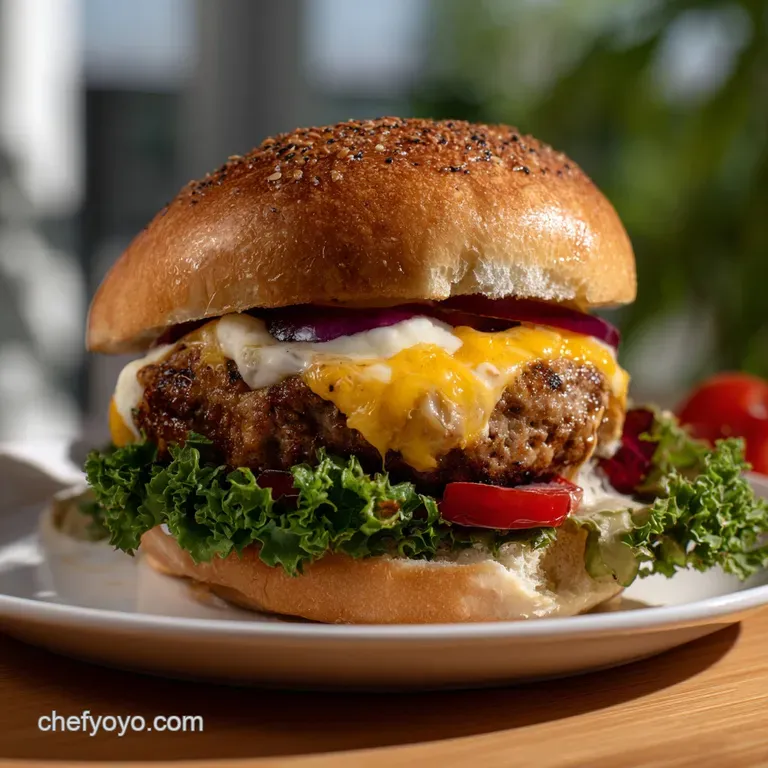
- Effort/Time: 23 minutes total
- Flavor Hook: Maillard-driven beefy depth with a buttery, garlic-infused finish
- Perfect for: Weekend-cookouts and over high heat-griddling
- Mastering the Ultimate Burger Patty Recipe
- The Culinary Physics of the Perfect Crust and Juicy Interior
- Precision Metrics: Timing and Yield for Your Burger Patty Recipe
- The Alchemy of Umami: Selecting Your Foundation Elements
- Essential Tools for Thermal Mass and Superior Searing
- The Strategic Execution of the Ultimate Burger Patty Recipe
- Thermal Recovery and Preventing Common Structural Failures
- Flavor Architecture: Creative Customizations and Swaps
- Preservation Protocols for Maximum Texture Retention
- Curating the Perfect Flavor Profile for Your Meal
- Recipe FAQs
- 📝 Recipe Card
Mastering the Ultimate Burger Patty Recipe
The sizzle of cold beef hitting a screaming hot Lodge Cast Iron Skillet is a sensory trigger that promises culinary excellence. But we’ve all been there: you’re at a backyard BBQ, and someone hands you a dry, grey disk that tastes more like a hockey puck than a meal.
I remember my first attempt at a backyard burger patty recipe; I overworked the meat so much it turned into a rubbery, dense mass that required a gallon of ketchup just to swallow. It was a disaster that sent me down a rabbit hole of meat science and thermal physics to figure out where I went wrong.
That failure taught me that a great burger patty recipe isn't about complex seasonings or secret fillers. It is an engineering challenge focused on protein structure and moisture retention.
You want a crust that offers a distinct "shatter" when you bite into it, giving way to a center that feels almost velvety on the tongue. This isn't luck; it's the result of managing the Maillard reaction and ensuring your fat stays suspended within the protein matrix rather than melting out into the pan.
Today, we are moving past the basic "smush and fry" method. We’re looking at how 80/20 ground chuck behaves under high heat and how to manipulate salt to enhance flavor without ruining the texture.
Whether you are using a griddle or a heavy pan, this burger patty recipe provides the scientific framework to produce a consistent, high end result that rivals any boutique burger joint. Let's get into the mechanics of the meat.
The Culinary Physics of the Perfect Crust and Juicy Interior
- Maillard Reaction Optimization: High heat (310°F+) triggers a chemical reaction between amino acids and reducing sugars, creating hundreds of flavor compounds and a mahogany crust.
- Protein Denaturation Control: Keeping the meat cold until the moment of searing prevents the fat from emulsifying too early, ensuring it renders inside the patty for maximum juiciness.
- The Myosin Bond: Salting only the exterior just before cooking prevents salt from dissolving the protein myosin, which would otherwise turn your burger patty recipe into a tough, sausage like texture.
- Thermal Mass Retention: Using heavy cast iron maintains a consistent temperature when the cold meat is added, preventing the "boiling" effect caused by temp drops.
Precision Metrics: Timing and Yield for Your Burger Patty Recipe
This burger patty recipe is designed for efficiency and precision, ensuring you spend more time eating and less time hovering over a hot stove.
- Prep Time: 15 minutes
- Cook Time: 8 minutes
- Total Time: 23 minutes
- Yield: 4 servings
The Alchemy of Umami: Selecting Your Foundation Elements
| Ingredient | Chemical/Physical Role (Science) | The Pro Secret (Why This Matters) |
|---|---|---|
| 1.5 lbs 80/20 Ground Beef Chuck | Fat-to-lean ratio provides lubrication and flavor carrier | Why this? Chuck has the ideal collagen content for a rich mouthfeel. |
| Diamond Crystal Kosher Salt | Osmotic seasoning and surface moisture extraction | Why this? Large flakes allow for even coverage without over salting. |
| Coarsely Ground Black Pepper | Provides "hot" piperine notes and textural contrast | Adds a pungent counterpoint to the rich rendered beef fat. |
| Kerrygold Unsalted Butter | Lipo solubilization of aromatics during the finish | Creating a nutty, browned butter coating that seals in moisture. |
For a twist on the traditional profile, you might pair these patties with a kick of heat. I often find that a drizzle of Bang Bang Sauce recipe adds the perfect creamy acidity to balance the heavy fat of the chuck.
Detailed Substitutions Table:
| Original Ingredient | Substitute | Why It Works |
|---|---|---|
| 1.5 lbs Ground Chuck (80/20) | Ground Sirloin + 2 tbsp grated frozen butter | Sirloin is leaner; adding frozen butter mimics the missing fat pockets. Note: Result is slightly more "steak like." |
| Avocado Oil | Grapeseed Oil | Both have high smoke points (400°F+), preventing acrid, burnt oil flavors during the sear. |
| Garlic Powder | Onion Powder | Provides a savory, sulfurous depth without the specific pungency of garlic. |
Essential Tools for Thermal Mass and Superior Searing
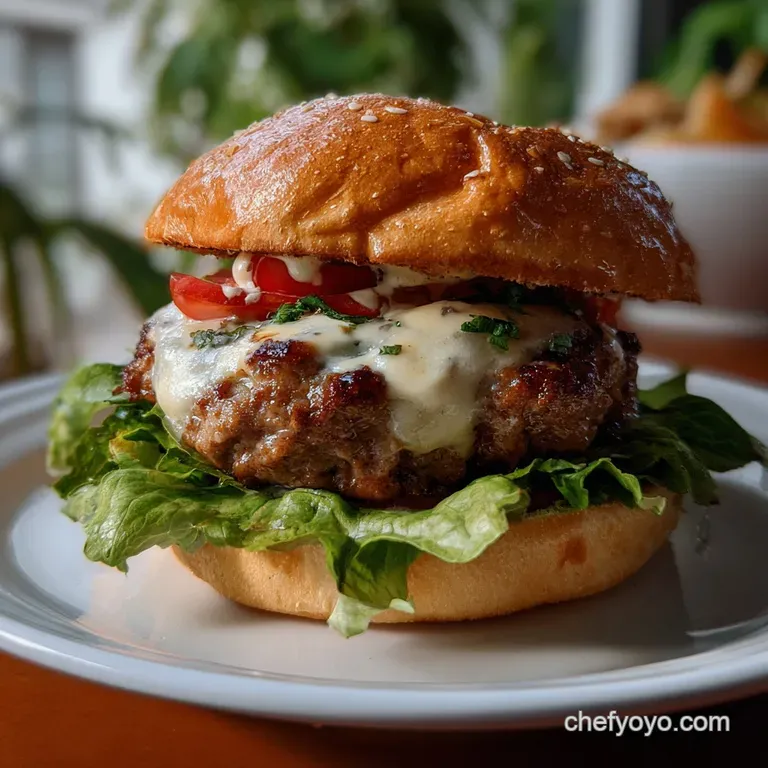
To execute this burger patty recipe at a masterclass level, your equipment must be able to handle extreme heat without warping or losing temperature.
- Lodge Cast Iron Skillet: Essential for its high thermal mass; it holds heat better than stainless steel, ensuring a continuous sear.
- Digital Instant Read Thermometer: Precision is key. You are looking for an internal temp of 135°F for medium rare or 145°F for medium.
- Heavy Duty Offset Spatula: You need a thin, stiff metal edge to get under the crust without tearing it away from the meat.
- Large Mixing Bowl: Keep this chilled in the fridge before use to keep the beef fat solid while portioning.
The Strategic Execution of the Ultimate Burger Patty Recipe
- Chill the 1.5 lbs ground beef chuck in the fridge until the very moment you are ready to shape. Note: Keeps fat solid to prevent a greasy, "leaky" patty.
- Divide the beef into 4 equal portions (approximately 6 oz each) without squeezing the meat. Note: Maintains air pockets for a lighter, more tender bite.
- Shape each portion into a ball, then gently press into a disk about 1 inch thick. Note: Ensures even cooking across the entire diameter.
- Depress a small thumbprint (dimple) into the center of each patty. Note: Counteracts the muscle fiber contraction that causes burgers to dome/puff up.
- Preheat your Lodge Cast Iron Skillet over medium high heat for 5 minutes until a drop of water dances and evaporates instantly.
- Apply 1 tbsp Chosen Foods Avocado Oil to the pan, swirling to coat the surface.
- Season the exterior of the patties generously with the Diamond Crystal Kosher Salt, pepper, and garlic powder only once the pan is smoking.
- Place patties in the skillet for 3 4 minutes until a deep, mahogany brown crust forms and the meat releases easily from the pan.
- Flip the patties and add 1 tbsp Kerrygold Unsalted Butter to the pan, spooning the foaming butter over the meat.
- Cook for an additional 3 4 minutes until the internal temperature hits 145°F and the sizzle subsides into a gentle bubble.
- Rest the meat on a warm plate for 5 minutes until the juices redistribute throughout the fibers.
Thermal Recovery and Preventing Common Structural Failures
Why Your Burger Patty Recipe Shrinks
When beef hits the heat, the protein fibers (actin and myosin) contract like a tightening rope. If the heat is applied too slowly, the fibers squeeze out all the moisture, leading to a dry, shrunken patty. Using a dimple in the center and high initial heat allows the edges to set before the center can "puff."
| Problem | Root Cause | The Fix | Pro Protocol |
|---|---|---|---|
| Falling Apart | Meat was too warm or handled too much | Keep beef at 38°F until cooking | Freeze patties for 10 mins before searing to set the shape. |
| Grey, Steamed Exterior | Overcrowding the pan | Cook in batches or use a larger griddle | Maintain 1 inch of space between patties to allow steam to escape. |
| Tough/Rubbery Texture | Salting the meat inside the patty | Salt only the surface right before heat | Use coarse salt to create a crust "shield" that protects the interior. |
Flavor Architecture: Creative Customizations and Swaps
The beauty of a solid burger patty recipe is its versatility. Once you master the base technique, you can pivot the flavor profile based on your mood or the occasion.
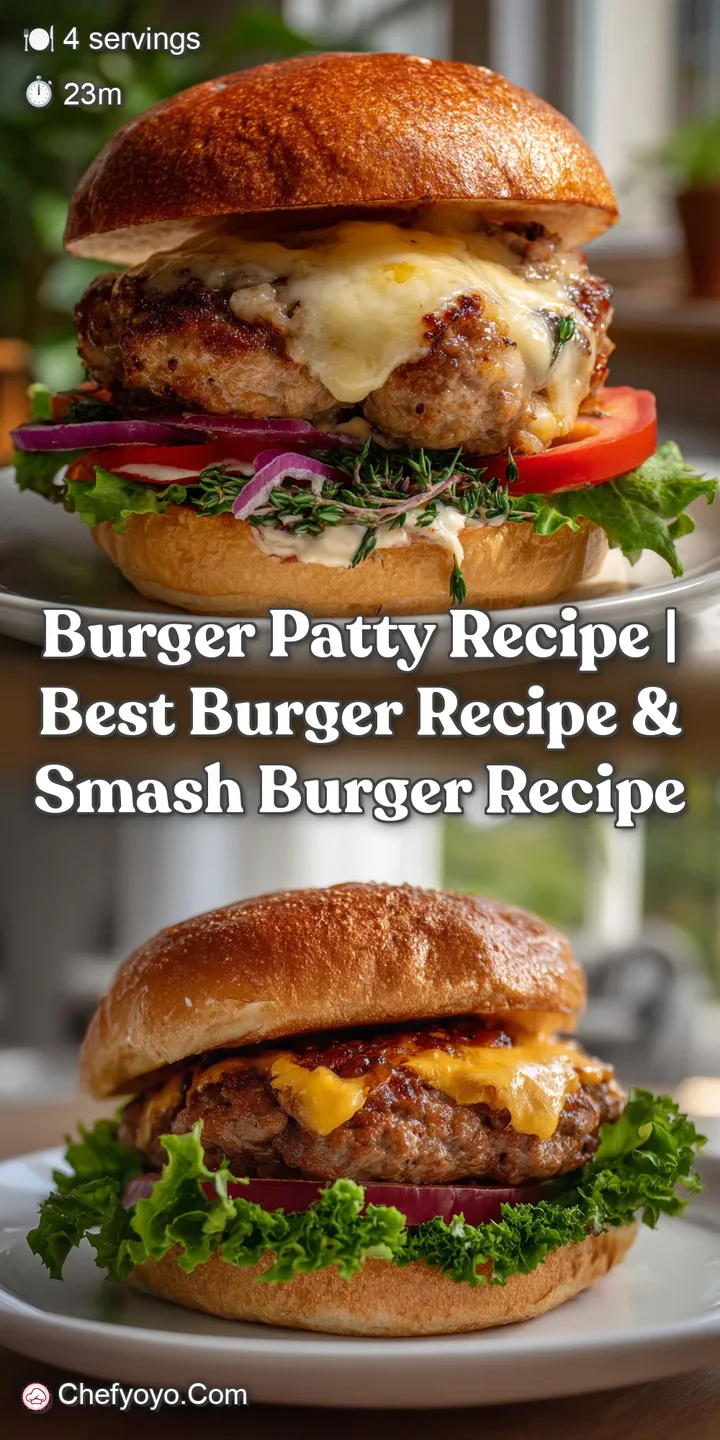
- The Oklahoma Smash Style: Instead of a 1 inch thick patty, place the 6oz ball in the pan and immediately smash it flat with a heavy spatula, topping it with thinly sliced white onions. The onions steam in the beef fat while the bottom shatters into a lacy crust.
- Zesty Herb Burger: Incorporate 1 tsp of finely minced rosemary and thyme into the butter during the final basting phase. This infuses the crust with aromatic oils without burning the herbs.
- The Umami Bomb: If you're serving this alongside a steak dinner, try dipping the finished patty into a side of Au Jus Recipe. The concentrated beef broth enhances the natural savoriness of the chuck.
Preservation Protocols for Maximum Texture Retention
Storing a burger patty recipe requires preventing oxidation and moisture loss. Beef is highly susceptible to "warmed over flavor," caused by lipid oxidation.
- Fridge: Store raw patties separated by parchment paper in an airtight container for up to 48 hours. Cooked patties last 3 days.
- Freezing: Flash freeze raw patties on a baking sheet for 1 hour before transferring to a vacuum seal bag. This prevents them from sticking together and preserves the cellular structure. They stay fresh for 3 months.
- Reheating: Avoid the microwave, which turns beef into rubber. Reheat in a 300°F oven with a splash of water or beef broth covered in foil until the internal temp reaches 130°F.
Zero Waste Tip: Don't discard the rendered fat left in your Lodge skillet! Transform: Filter it and use it to sauté onions or toast your burger buns.
Science: Beef tallow has a high smoke point and contains concentrated fat-soluble flavor compounds that add an incredible "steakhouse" aroma to anything it touches.
Curating the Perfect Flavor Profile for Your Meal
When serving this burger patty recipe, think about the balance of fat, acid, and salt. A rich, 80/20 beef patty needs something bright to cut through the heaviness. Pickled red onions, a sharp Dijon mustard, or even a vinegary slaw can transform the experience.
If you're looking for a more comforting, "diner style" meal, these patties are incredible when served open faced and smothered in a rich Country Gravy Recipe. The peppery cream sauce complements the garlic powder and black pepper in the beef perfectly, creating a nostalgic, high protein meal that hits every savory note. Whatever your preference, remember that the patty is the star treat the meat with respect, keep it cold, and sear it hot. Enjoy the sizzle!
Recipe FAQs
What fat percentage should I use for juicy burgers?
80/20 blend (80% lean, 20% fat) is optimal. Higher fat content melts during cooking, basting the interior proteins while providing lubrication. Lower fat ratios lead to immediate moisture loss and crumbly texture.
Should I salt the meat before forming the patties?
No. Salt meat immediately before cooking. Applying salt too early denatures myosin proteins, causing the mixture to bind tightly like sausage. This inhibits the tender, loose structure ideal for a classic burger.
What is the best way to achieve a deep, brown crust?
High heat searing creates the Maillard reaction crust. This non-enzymatic browning occurs rapidly above 300°F, generating hundreds of flavor compounds via sugar amino acid interaction. If you enjoyed mastering the sensory doneness cues here, apply them to our Garlic Butter Recipe: The Ultimate Classic Herb Infused Butter for perfectly finished flavor profiles.
Is pressing down on the burger with a spatula recommended?
No. Pressing releases flavorful rendered fat and juice. This action directly counteracts the goal of retaining internal moisture and achieving a shattered crust. The resulting pressure expels the fat necessary for internal lubrication and browning.
What temperature should the patties reach internally?
135°F for medium rare, 155°F for well done (US standard). Always use a thermometer inserted into the thickest part for accuracy. Cooking past 160°F guarantees dry results due to extreme protein coagulation.
Should I use frozen or fresh ground beef?
Fresh ground beef yields superior crust formation. While frozen works in a pinch, the ice crystals cause cellular damage upon thawing, leading to a mushier texture when cooked. This structural integrity challenge is similar to what occurs when incorporating water into delicate pastry doughs.
Myth: Adding an egg yolk helps bind the patty together.
Myth: Adding an egg yolk helps bind the patty together. Reality: Egg proteins cook and solidify, acting as a glue that produces a meatloaf texture, not a tender burger matrix. We prefer simple fat and salt ratios for structural integrity.
Master Burger Patty Recipe
Ingredients:
Instructions:
Nutrition Facts:
| Calories | 408 kcal |
|---|---|
| Protein | 29 g |
| Fat | 33 g |
| Carbs | 1 g |
| Fiber | 0 g |
| Sugar | 0 g |
| Sodium | 610 mg |
