Oven Roasted Turkey Breast: Herb Butter Roasted
- Time: Active 15 minutes, Passive 90 minutes, Total 105 minutes
- Flavor/Texture Hook: Shatter crisp skin with velvety, herb infused meat
- Perfect for: Sunday dinner, meal prep, or a stress free holiday alternative
- Achieving the Most Vibrant Flavorful Oven Roasted Turkey Breast
- The Logic Behind This Dual Temperature Method
- Component Analysis of Our High Flavor Elements
- Everything You Need for This Vibrant Bird
- Essential Gear for a Truly Crispy Finish
- Step by Step Path to a Succulent Roast
- Solving Your Most Common Turkey Roasting Hurdles
- Adjusting for Large Crowds or Small Dinners
- Making This Recipe Work for Every Lifestyle
- Debunking Long Held Beliefs About Cooking Poultry
- Smart Storage and Clever Ways with Leftovers
- Presenting Your Masterpiece for a Fusion Feast
- Very High in Sodium
- Recipe FAQs
- 📝 Recipe Card
Achieving the Most Vibrant Flavorful oven-roasted Turkey Breast
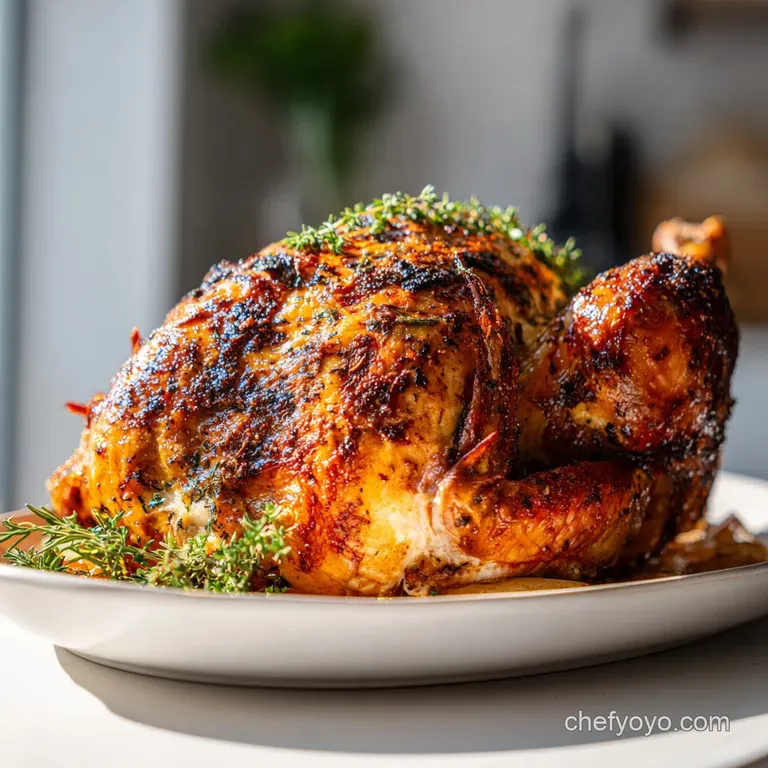
Right then, imagine the house filling with the scent of woodsy rosemary and sharp, pungent garlic while the oven hums in the corner. There is this specific moment when you open the oven door and the sizzle of rendered fat hitting the roasting pan sounds like tiny applause.
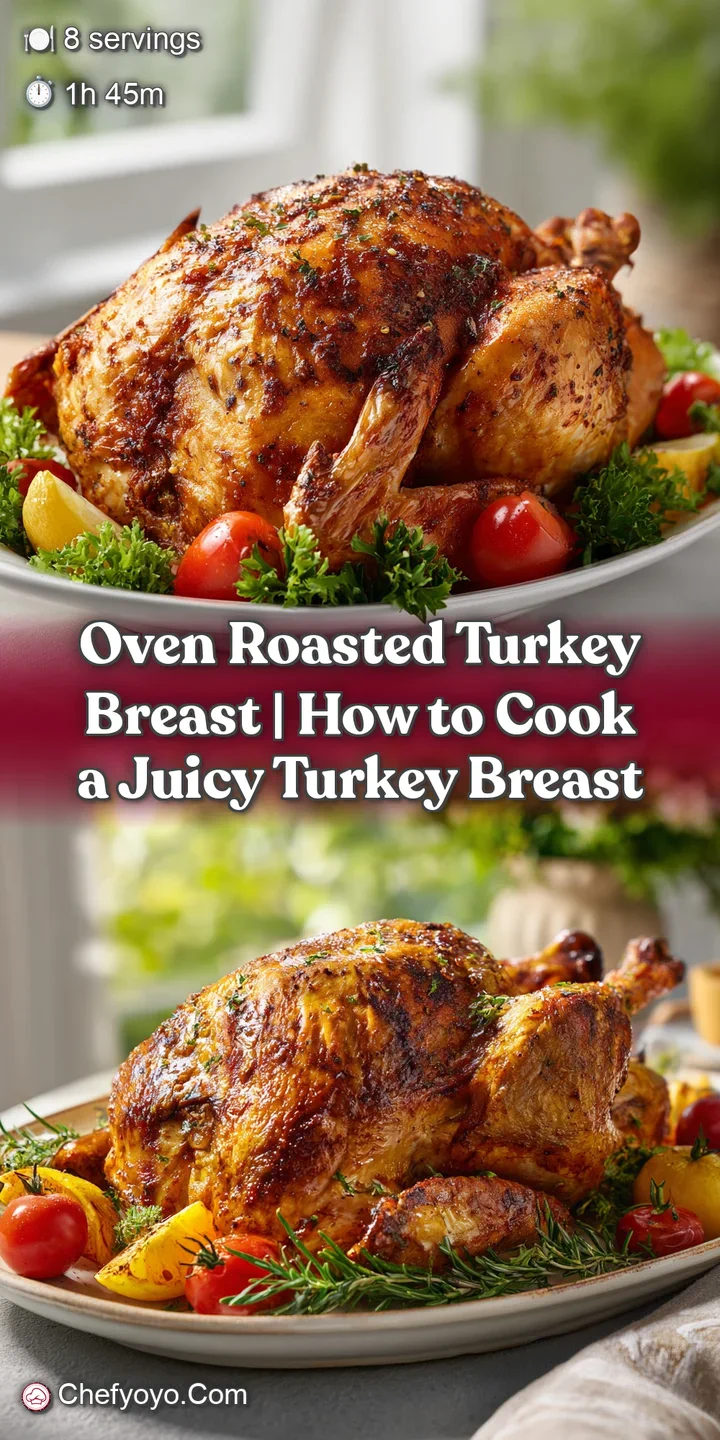
That first glimpse of the skin, which has turned a deep, mahogany gold thanks to a little smudge of smoked paprika, is honestly better than the meal itself. I used to be terrified of turkey breast because it’s so lean, always worried I’d end up serving something with the texture of a bath sponge.
But we’ve moved past that.
The secret hero of this whole operation isn't actually the bird itself, but the smoked paprika we've tucked into the butter. While most people reach for just salt and pepper, that hit of paprika brings a vibrant, sun drenched color and a whisper of campfire that makes the meat taste far more complex than a standard roast.
It transforms the turkey from a bland protein into something truly innovative. We’re moving away from the old school, greyish roasts of the past and aiming for something that looks like it belongs on a magazine cover but tastes like home.
You’re going to love how the carrots and onions at the bottom of the pan don't just sit there. They soak up the drippings and the chicken broth, softening into these little flavor bombs that you can either snack on or blitz into the most incredible sauce.
It’s all about the contrast here, the crunch of the exterior skin against the tender, moist interior. Trust me, once you see how easy it is to get this kind of result without wrestling a twenty pound bird, you'll be making this for random Tuesdays just because you can.
The Logic Behind This Dual Temperature Method
Most people make the mistake of roasting at one flat temperature the whole time, but that’s not how we get the best results for this specific cut.
- over High heat Blast: Starting at 425°F triggers a rapid reaction where the skin dehydrates and browns quickly, locking in the natural moisture before the meat has a chance to overcook.
- Thermal Buffering: Placing the turkey on a bed of onions and carrots creates a buffer, preventing the bottom of the breast from coming into direct contact with the hot pan, which ensures even cooking.
- Skin Pocket Insulation: By sliding the butter under the skin, we create a physical barrier of fat that protects the lean protein from the direct, dry heat of the oven.
- Controlled Finish: Dropping the heat to 325°F allows the internal temperature to climb slowly and steadily, which is the key to avoiding that stringy, dry texture we all hate.
| Method | Total Time | Texture | Best For |
|---|---|---|---|
| High Start (This Recipe) | 105 minutes | Shatter crisp skin, juicy meat | Maximum flavor and visual appeal |
| Low and Slow | 2 hours 15 mins | Soft skin, very tender meat | Shredded turkey or sandwiches |
| Spatchcock Style | 75 minutes | Evenly crispy, slightly drier | When you are in a massive rush |
If you want a different spin on poultry, you might enjoy this Turkey Meatloaf Recipe for a weeknight comfort fix that uses similar savory notes but in a totally different format. It’s a great way to use up extra ground turkey if you bought too much at the store.
Component Analysis of Our High Flavor Elements
Understanding what each ingredient does helps you realize why we can't just skip the "boring" stuff like patting the meat dry.
| Ingredient | Science Role | Pro Secret |
|---|---|---|
| Bone in Turkey Breast | Retains heat and adds structural depth | The bone acts as an insulator, keeping the meat closest to it much juicier |
| Unsalted Butter | Fat medium for herb infusion | Use softened, not melted, butter so it stays put under the skin rather than running off |
| Smoked Paprika | Color catalyst and flavor bridge | It provides a deep red hue that mimics hours of slow smoking in just 90 minutes |
| Kosher Salt | Protein denaturant | The large crystals draw out moisture from the skin, allowing it to crisp up properly |
Before you even think about the oven, some folks swear by a soak to ensure the meat is seasoned all the way to the bone, so check out my guide on Turkey Brine if you have extra time to prep. It’s a game changer for those who find breast meat naturally too mild.
Everything You Need for This Vibrant Bird
When you're at the store, look for a breast that feels heavy for its size. If you can find one that hasn't been pre injected with a saline solution, you'll have much better control over the final salt levels.
- 6 lb bone in turkey breast: Why this? The bone adds flavor and prevents the meat from drying out during roasting.
- Substitute: 5 lb boneless turkey breast (reduce cook time by 20 minutes).
- 1 tbsp kosher salt: Why this? Essential for seasoning and achieving that crispy skin texture.
- Substitute: 2 tsp table salt (it's denser, so you need less).
- 1 tsp cracked black pepper: Why this? Adds a necessary bite to balance the rich butter.
- Substitute: White pepper for a more subtle, earthy heat.
- 0.5 cup unsalted butter, softened: Why this? The vehicle for all our aromatics and the key to browning.
- Substitute: Ghee or clarified butter for a higher smoke point.
- 2 tbsp fresh sage, minced: Why this? Sage is the quintessential poultry herb, offering a fuzzy, savory depth.
- Substitute: 2 tsp dried sage (it's much more concentrated).
- 2 tbsp fresh rosemary, minced: Why this? Brings a piney, fresh aroma that cuts through the richness.
- Substitute: Fresh thyme for a softer, more floral profile.
- 3 cloves garlic, grated into a paste: Why this? Grating ensures the flavor distributes evenly without burnt chunks.
- Substitute: 1 tsp garlic powder mixed into the butter.
- 1 tsp smoked paprika: Why this? Gives the turkey a vibrant, professional looking "smoked" finish.
- Substitute: Sweet paprika for color without the smoky notes.
- 2 large onions, roughly chopped: Why this? Creates a fragrant steam and keeps the bird off the pan bottom.
- Substitute: Shallots for a sweeter, more delicate base.
- 3 large carrots, sliced into thick rounds: Why this? Adds natural sugars to the pan drippings for better gravy.
- Substitute: Parsnips for a spicy, peppery undertone.
- 1 cup low sodium chicken broth: Why this? Prevents the vegetables from burning and keeps the oven humid.
- Substitute: Dry white wine (like Sauvignon Blanc) for a bright acidity.
Essential Gear for a Truly Crispy Finish
You don't need a professional kitchen, but a few specific tools make this "oven-roasted turkey breast" much easier to handle.
- Heavy duty Roasting Pan: A thick bottomed pan prevents the broth from evaporating too quickly and keeps the carrots from scorching. If you don't have one, a large cast iron skillet can work in a pinch.
- Roasting Rack: This is non negotiable if you want the bottom of the turkey to be anything other than soggy. We want air circulating 360 degrees around that bird.
- Digital Meat Thermometer: Honestly, stop guessing. A probe thermometer that stays in the meat while it cooks is the only way to hit that 160°F mark perfectly every single time.
- Small Mixing Bowl: For whipping that herb butter into a silky, spreadable paste.
- Microplane or Grater: This is for the garlic. We want a paste, not chunks, so the flavor really melds into the butter.
step-by-step Path to a Succulent Roast
Preparing the Foundation
- Preheat your oven to 425°F (180°C) and make sure the rack is in the lower middle position. Note: This allows the heat to hit the top of the breast more effectively without burning the skin too soon.
- Scatter the chopped onions and sliced carrots across the bottom of the roasting pan and pour in the chicken broth. The liquid should just cover the bottom of the pan.
Applying the Herb Armor
- Use paper towels to pat the turkey breast until it is completely dry. The skin should feel tacky to the touch. Season the underside and the cavity with salt and pepper.
- In your small bowl, mix the softened butter with the sage, rosemary, garlic paste, and smoked paprika until it looks like a vibrant orange compound.
- Gently slide your fingers under the skin at the neck end, being careful not to tear it, to create a large pocket over the meat.
- Stuff about two thirds of the herb butter deep into that pocket and massage it from the outside to spread it evenly. You want a visible layer of butter between the skin and meat.
- Rub the remaining third of the butter all over the outside of the skin, making sure every inch is covered.
Mastering the Heat
- Set the turkey breast on the rack over the vegetables and slide it into the oven. Roast at 425°F for 20 minutes until the skin looks tight and starts to turn golden.
- Turn the oven down to 325°F (163°C). Continue roasting for about 70 more minutes. The total cook time should be around 1 hour 30 mins.
- Check the internal temperature in the thickest part of the breast. Pull it out when it hits 160°F.
Resting for Maximum Succulence
- Transfer the turkey to a cutting board and let it sit, uncovered, for 20 minutes. The temperature will rise to 165°F on its own.Note: Resting allows the fibers to relax and soak up the juices that were pushed to the center.
Solving Your Most Common Turkey Roasting Hurdles
Even the best of us hit a snag sometimes. Usually, it's a matter of temperature or moisture control.
Why Your Turkey Skin is Soggy
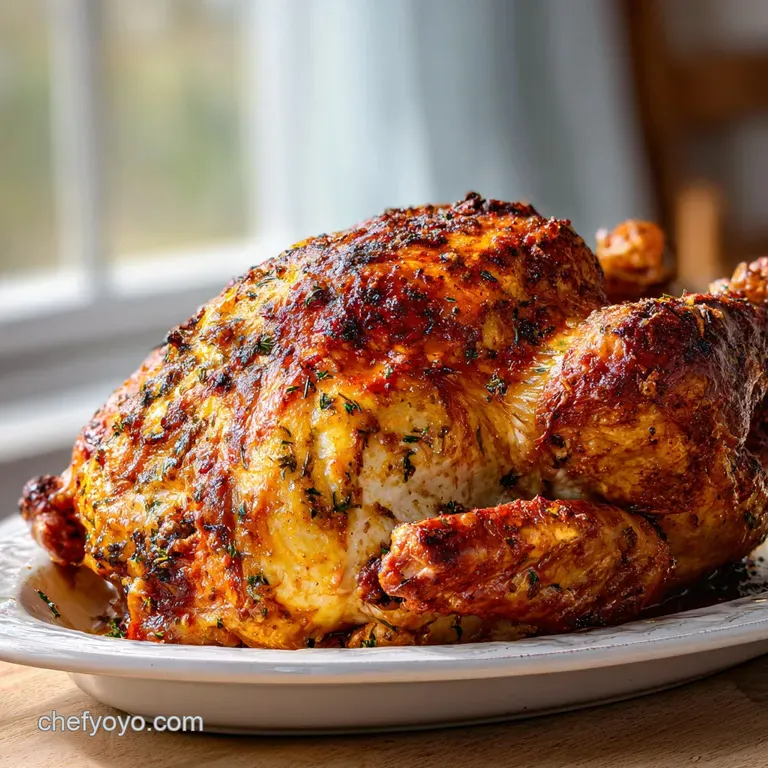
If the skin isn't shattering when you tap it with a knife, it’s usually because there was too much moisture. If you didn't pat the bird dry enough, the skin steamed instead of frying in the butter.
Also, make sure you aren't tenting the turkey with foil while it rests; that foil traps steam and turns your crispy skin into a wet blanket in seconds.
Why the Meat is Stringy and Dry
This is almost always a result of overcooking. Because turkey breast is so lean, even five extra minutes can take it from velvety to chewy. This is why we pull the bird at 160°F.
The "carryover cooking" is a real thing the residual heat on the outside of the meat continues to move inward even after the bird is out of the oven.
| Problem | Root Cause | Solution |
|---|---|---|
| Burnt Paprika | Oven rack too high | Move rack to the lower third of the oven next time |
| Bitter Pan Drippings | Veggies scorched | Add another 1/2 cup of broth if the pan looks dry halfway through |
| Butter Sliding Off | Skin was too wet | Use more paper towels; the skin must be bone dry before buttering |
Common Mistakes Checklist
- ✓ Pat the turkey completely dry before adding any fat (prevents steaming).
- ✓ Don't skip the room temperature butter; cold butter won't spread and will tear the skin.
- ✓ Avoid checking the oven every 10 minutes; every time you open the door, you lose 25 degrees of heat.
- ✓ Always use a rack to keep the bird out of the liquid (unless you want boiled turkey).
- ✓ Let the meat rest for the full 20 minutes before carving; if you cut it too soon, the juice will run all over the board instead of staying in the meat.
Adjusting for Large Crowds or Small Dinners
If you’re hosting a larger group or just cooking for yourself, you can easily scale this "oven-roasted turkey breast" without losing that vibrant quality.
Scaling Down (For 2-4 People)
If you find a smaller 3 lb breast, you can follow the same steps but reduce the roasting time after the temperature drop. Start checking the internal temp at the 45 minute mark instead of 70. You can also use a smaller 9x9 inch baking dish instead of a full roasting pan, just make sure the bird isn't cramped.
Scaling Up (For 12-16 People)
For a massive crowd, I actually recommend roasting two separate 6 lb breasts rather than trying to find one giant 12 lb one. Two smaller breasts cook more evenly and give you more of that coveted crispy skin.
If you do this, make sure your roasting pan is large enough that the two breasts aren't touching, otherwise they will steam each other. You only need to increase the salt and spices to about 1.5x the original amount, as the surface area doesn't double linearly.
| Servings | Turkey Weight | Pan Size | Cook Time |
|---|---|---|---|
| 4 people | 3 lb (boneless) | 9x13 pan | 55-65 mins |
| 8 people | 6 lb (bone in) | Standard Roaster | 90 mins |
| 16 people | 12 lb (2 breasts) | Extra Large Roaster | 105-115 mins |
Making This Recipe Work for Every Lifestyle
This dish is naturally quite friendly to most diets, but there are a few innovative swaps you can make to fit specific needs.
Paleo and Whole30 Adjustments
The main thing to watch here is the butter and the broth. For a strictly Paleo or Whole30 version, swap the unsalted butter for ghee or a high-quality avocado oil. Ghee actually works brilliantly here because it has a higher smoke point, which helps with that initial 425°F blast.
Also, ensure your chicken broth has no added sugars or yeast extracts making your own is usually the safest bet.
Keto and Low Carb Focus
This recipe is already nearly zero carb, but to keep it that way, avoid using the carrots in the final serving if you are strictly counting. The onions and carrots are essential for the flavor of the drippings, but the sugar from the carrots does leach into the sauce.
If you want a keto friendly side, serve the turkey with a velvety mashed cauliflower instead of traditional potatoes.
Debunking Long Held Beliefs About Cooking Poultry
There is so much misinformation out there when it comes to roasting turkey, mostly passed down from well meaning relatives who were taught to overcook everything "just to be safe."
Basting the skin makes it crispier. This is actually the opposite of the truth. Every time you pour liquid over the skin, you are re introducing moisture and cooling the surface. To get that shatter like crunch, you want the skin to stay as dry and oily as possible.
The butter we put under the skin handles the internal moisture, so leave the outside alone!
You must wash the turkey before cooking. Please, don't do this. Washing poultry in the sink does nothing to remove bacteria; in fact, it just splashes that bacteria all over your kitchen counters and sponges.
The heat of a 425°F oven is the only thing that's going to effectively kill anything you're worried about.
The red juice near the bone means it's raw. Not necessarily. In younger turkeys, the bones aren't fully calcified, so pigment can leak out into the surrounding meat during cooking.
As long as your thermometer reads 160-165°F, that slight pinkness near the bone is perfectly safe and often a sign of a very juicy bird.
Smart Storage and Clever Ways with Leftovers
One of the best things about a 6 lb turkey breast is that it yields incredible leftovers that actually stay moist if you handle them right.
Storage Guidelines
- Fridge: Store sliced turkey in an airtight container for up to 4 days. To keep it from drying out, pour a little of the leftover pan drippings over the meat before sealing the lid.
- Freezer: You can freeze the cooked meat for up to 3 months. I recommend freezing it in portions so you can just grab what you need for a quick sandwich or salad.
- Reheating: Avoid the microwave if you can. It turns turkey into rubber. Instead, place slices in a pan with a splash of broth, cover with foil, and warm in a 300°F oven for 10-15 minutes.
Zero Waste Tips
Don't you dare throw away that turkey bone! Once you've carved off the meat, put the carcass in a large pot with the leftover roasted onions and carrots from the pan. Cover with water, add a handful of peppercorns, and simmer for 3 hours. You'll end up with a rich, golden stock that is lightyears better than anything in a carton. You can use this stock to make a Proper Homemade Chicken Soup but with a turkey twist it’s the ultimate comfort in a bowl.
Presenting Your Masterpiece for a Fusion Feast
When it comes to serving, how you cut the bird is just as important as how you cook it. Instead of shaving off thin, sad little strips while the breast is still on the bone, try this: remove the entire breast half from the bone in one piece. Then, slice that whole piece crosswise into thick, 1/2 inch medallions.
This ensures every single slice has a beautiful rim of that crispy, smoked paprika skin.
Lay the slices out on a warm platter, fanning them out slightly so they look vibrant and inviting. Surround the meat with the roasted carrots from the pan for a pop of color. If you want to lean into the innovative side of things, serve this with a side of cranberry habanero jam or a bright chimichurri instead of the traditional heavy gravy.
The acidity of a green sauce works beautifully against the rich, buttery rosemary notes of the meat. It’s a fresh, modern way to enjoy a classic roast that will have everyone asking for your "secret" recipe.
Give it a final sprinkle of flaky sea salt right before it hits the table to really make those tastes sing.
Very High in Sodium
845 mg 845 mg (37% of daily value)
The American Heart Association recommends limiting sodium intake to no more than 2,300mg per day, with an ideal limit of 1,500mg for most adults.
Tips to Reduce Sodium
-
Halve the Kosher Salt-25%
Reduce the initial 1 tbsp of kosher salt to 0.5 tbsp. This is a significant source of sodium in the rub.
-
Switch to Low-Sodium Broth-30%
Although you are already using low-sodium broth, ensure it is labeled as such and consider using 'no-salt added' broth for an even greater reduction.
-
Boost Fresh Herbs and Aromatics
Increase the amounts of fresh sage, rosemary, and garlic. Their natural flavors can compensate for reduced salt.
-
Mind the Paprika-5%
While smoked paprika is a great flavor enhancer, check its label. Some varieties can contain added sodium. Opt for a brand with no added salt.
Recipe FAQs
What is the best temperature to roast a turkey breast in the oven?
Start at 425°F, then drop to 325°F. The initial high heat triggers a quick Maillard reaction for crispy skin, while the lower temperature ensures the breast stays succulent throughout the longer cooking process.
Do I cover a turkey breast when roasting it?
No, keep it uncovered. Covering the breast will steam the skin rather than roasting it, preventing the texture and color development you want from the herb butter.
How long will a 5 lb turkey breast take to cook?
Expect approximately 75 to 85 minutes. While the official cook time is based on a 6 lb bird at 90 minutes, a 5 lb piece will reach the target internal temperature of 160°F slightly faster, so start checking your thermometer around the one-hour mark.
How to make a 3 lb turkey breast in the oven?
Roast at 425°F for 20 minutes, then reduce to 325°F until the internal temperature hits 160°F. Because the breast is smaller, it will likely finish in about 50 to 60 minutes, so keep a close eye on your meat thermometer to prevent drying out.
Is it true I should use a rack inside my roasting pan?
Yes, using a rack is essential. It elevates the turkey above the broth and vegetables, allowing hot air to circulate evenly for a perfect roast; if you enjoyed mastering this airflow technique, you can apply similar principles to our zesty creole meatloaf for consistent results.
How do I stop the meat from drying out while resting?
Always rest for 20 minutes before carving. This allows the juices to redistribute back into the meat fibers; if you cut into the breast too early, the moisture will leak out onto your cutting board instead of staying inside the turkey.
Can I tell if the turkey is done just by looking at it?
No, this is a common misconception. You must use a digital thermometer to confirm the thickest part of the breast reaches exactly 160°F, as color and timing are unreliable indicators of food safety.
oven-roasted Turkey Breast
Ingredients:
Instructions:
Nutrition Facts:
| Calories | 486 calories |
|---|---|
| Protein | 53.4 g |
| Fat | 26.8 g |
| Carbs | 4.2 g |
| Fiber | 1.1 g |
| Sugar | 1.8 g |
| Sodium | 845 mg |
