Pickled Red Onion Recipe: Bright and Tangy
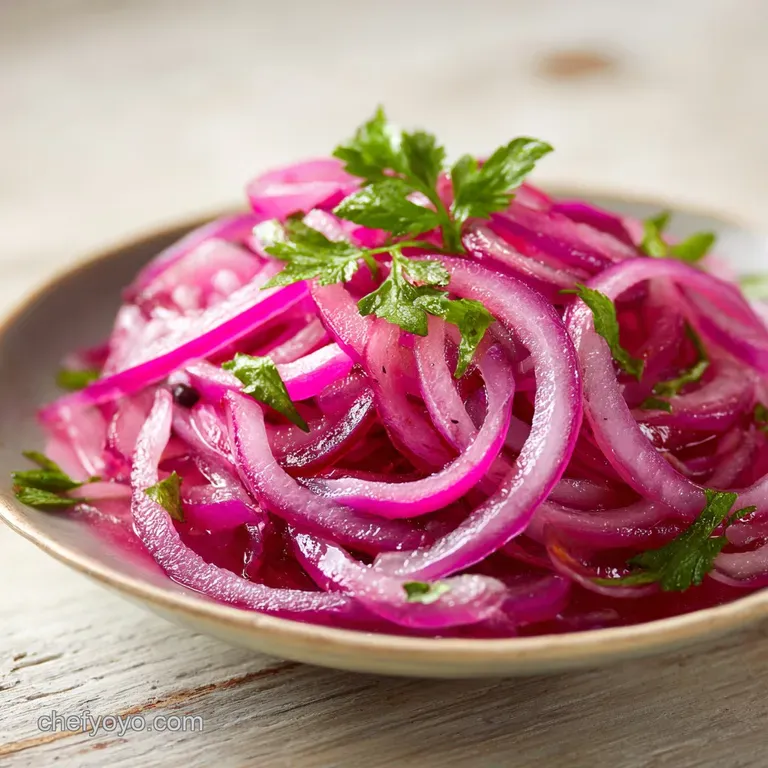
- Time: Active 10 minutes, Passive 2 minutes, Total 12 minutes
- Flavor/Texture Hook: Tangy, crunchy, and vibrant with a sharp, vinegary snap
- Perfect for: Tacos, burgers, salads, and grain bowls
- My Vibrant Quick Pickled Red Onion Recipe
- Essential Recipe Success Metrics
- Fresh Ingredients and Smart Swaps
- Minimal Tools for Maximum Flavor
- Simple Steps for Tangy Onions
- Troubleshooting Your Pickled Jars
- Scaling for Large Batches
- Bold Flavor Variation Ideas
- Red Onion Preservation Secrets
- Storage and Zero Waste Guide
- Serving Suggestions for Bold Flavor
- Recipe FAQs
- 📝 Recipe Card
My Vibrant Quick Pickled Red Onion Recipe
Forget everything you know about having to wait hours or even days for a decent pickle. There is a common myth floating around kitchen circles that you need to boil your onions or let them sit in a dark cellar for a week to get that signature tang and color.
Honestly, that is a total waste of time and actually ruins the texture. If you boil the onions, they turn into a limp, soggy mess that resembles wet paper rather than a crisp topping. We want that satisfying "shatter" when you bite into them, not a mushy disappointment.
When I first started making these, I used to think the more sugar I added, the better they would taste. I was so wrong. Too much sugar masks the natural earthiness of the red onion and creates a syrupy brine that feels heavy on the tongue. This pickled red onion recipe is all about balance.
We are going for a sharp, clean acidity that wakes up your palate. When you pop that jar open, the aroma of garlic and bay leaf should hit you first, followed by the bright, zingy scent of apple cider vinegar. It is enough to make your mouth water before you even grab a fork.
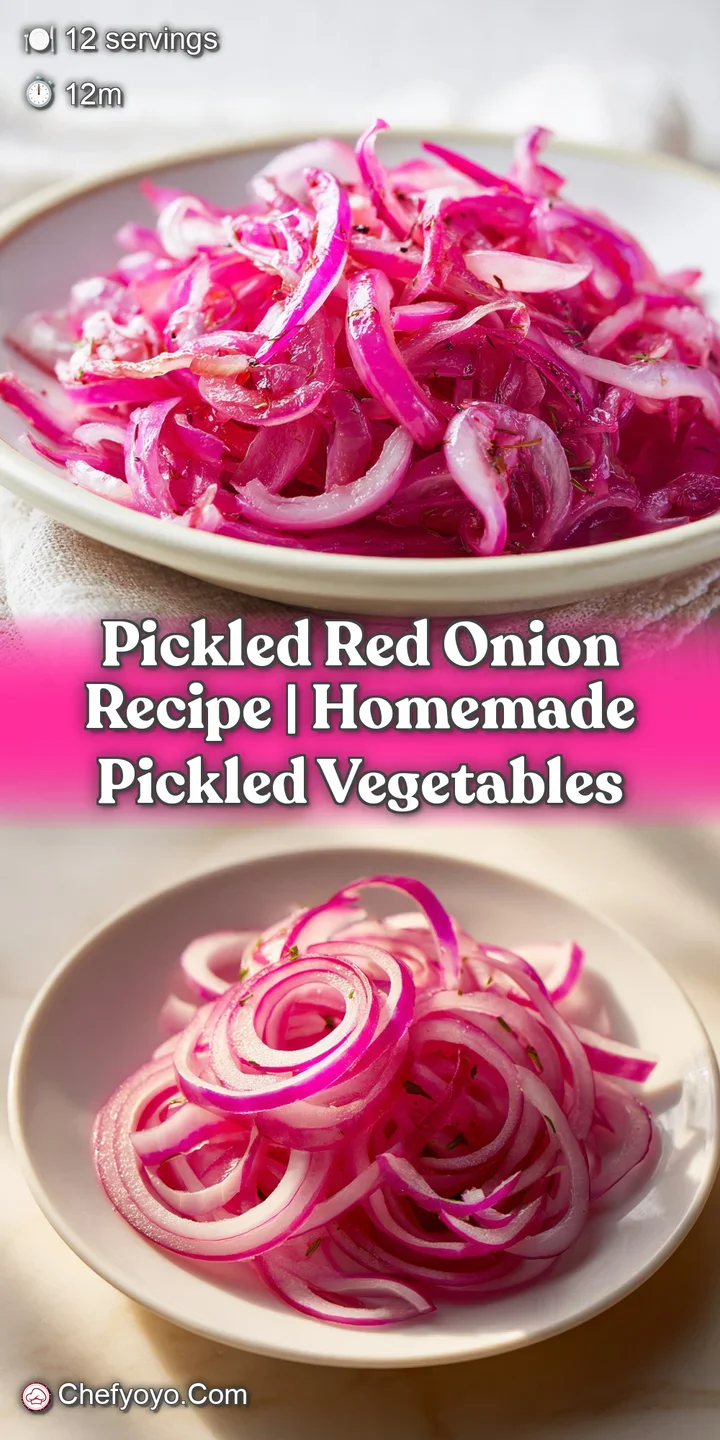
This recipe is my absolute go to because it is incredibly reliable. I have made it in tiny batches for a solo taco night and massive jars for backyard BBQs, and it never fails to impress. You get this electric pink hue that looks almost neon against a dark plate of smoked brisket or inside a flour tortilla.
It is not just about the flavor, although that is top tier; it is about that vibrant visual pop that makes even a simple bowl of beans look like a restaurant quality meal. Let's get into how we make this happen without overcomplicating things.
Essential Recipe Success Metrics
Acidic Balance: The mix of two vinegars ensures the brine is sharp enough to pickle but complex enough to taste interesting.
Temperature Control: Using boiling water to dissolve the solids, then cooling it with cold vinegar, prevents the onions from cooking and losing their snap.
Color Extraction: The vinegar reacts with the natural pigments in the onion skins, turning the dull purple into a glowing pink.
Aromatic Infusion: Smashing the garlic and using whole peppercorns allows the flavors to seep out slowly without clouding the liquid.
| Servings | Red Onion Amount | Brine Volume | Jar Size |
|---|---|---|---|
| 4 people | 100g (1/3 onion) | 120ml | 250ml |
| 12 people | 300g (1 onion) | 500ml | 500ml (16 oz) |
| 24 people | 600g (2 onions) | 1000ml | 1L (32 oz) |
The serving size depends entirely on how much of a pickle fanatic you are. For most of us, one large onion is plenty to last through a week of lunches and a couple of family dinners. If you are prepping for a large party, definitely double up, as people tend to pile these high once they taste how fresh they are.
Fresh Ingredients and Smart Swaps
| Ingredient | Role | Pro Secret |
|---|---|---|
| Red Onion | The Base | Slice against the grain for the best texture and faster pickling. |
| Apple Cider Vinegar | The Flavor | Provides a fruity, mellow base that softens the bite of the white vinegar. |
| White Distilled Vinegar | The Punch | This provides the clean, sharp acidic "snap" that defines a classic pickle. |
| Granulated Sugar | The Balance | It doesn't make it "sweet" as much as it rounds off the harsh vinegar edges. |
To get the best results for this pickled red onion recipe, you need to be specific with your choices. We are using a 300g red onion, which is usually one large bulb. If yours is smaller, just use one and a half.
- 1 large red onion (300g): Sliced paper thin. Why this? Thin slices absorb brine faster and offer a better crunch to surface area ratio.
- Substitute: Shallots. They are milder and pickling them creates a very sophisticated garnish for steak.
- 0.5 cup apple cider vinegar: For that gold toned, fruity depth. Why this? It adds a layer of complexity that plain white vinegar lacks.
- Substitute: Rice vinegar. It’s even milder and works beautifully for Asian inspired dishes.
- 0.5 cup white distilled vinegar: For the sharpest acidity. Why this? It ensures the brine is strong enough to preserve and pink ify the onions.
- Substitute: White wine vinegar. A bit more expensive but very clean and floral.
- 1 cup filtered water: To dilute the acidity. Why this? Pure vinegar would be far too harsh and would overwhelm the onion flavor.
- Substitute: Distilled water if your tap water has a heavy chlorine scent.
- 1.5 tablespoons granulated sugar: To balance the sour. Why this? Essential for that "craveable" quality that keeps you coming back for more.
- Substitute: Honey or maple syrup. Note: This will slightly change the color of the brine to a darker amber.
- 1.5 teaspoons fine sea salt: For seasoning. Why this? Salt draws out moisture and helps the vinegar penetrate the cell walls.
- Substitute: Kosher salt (use 2 teaspoons as the grains are larger).
- 0.5 teaspoon whole black peppercorns: For a subtle warmth. Why this? Whole spices infuse flavor without making the brine grainy.
- Substitute: Red pepper flakes if you want a spicy kick.
- 1 clove garlic: Smashed to release oils. Why this? Adds a savory backbone to the otherwise sweet and sour profile.
- Substitute: Garlic powder (a tiny pinch) if you don't have fresh cloves.
- 1 dried bay leaf: For an herbal note. Why this? Adds an earthy fragrance that balances the sharp vinegars.
- Substitute: A sprig of fresh thyme or oregano.
For another punchy addition to your pantry, you might want to try my pickled garlic recipe which uses similar techniques for a totally different flavor profile.
Minimal Tools for Maximum Flavor
You really don't need a professional kitchen to pull this off, but there are two tools that make a massive difference. First, a mandoline slicer is your best friend here. It allows you to get those consistent, paper thin slices that make the onions look like pink ribbons.
If you don't have one, just use the sharpest knife you own. Dull knives crush the onion cells rather than slicing them, which can lead to a slightly "off" flavor and a less crisp texture.
Second, use a glass jar. Vinegar is highly acidic and can react with certain metals or plastics, potentially leaching chemicals or off flavors into your pickles. A standard 16 oz (500ml) Mason jar or a recycled glass jam jar is perfect. Just make sure it's clean.
I also like to have a heat proof pitcher on hand for mixing the brine so I don't have to worry about splashing boiling water around.
Simple Steps for Tangy Onions
- Peel your large red onion and cut it from pole to pole (top to bottom). Slice it into paper thin half moons using a mandoline or a very sharp knife. Note: Consistent thickness ensures every piece pickles at the exact same rate.
- Pack the sliced onions tightly into your clean 16 oz glass jar. Tuck the black peppercorns, the smashed garlic clove, and the bay leaf into the middle of the onions so the flavors distribute evenly.
- Boil 1 cup of filtered water using a kettle or a small pot on the stove. Note: Using filtered water prevents any "pool" smell from tap water from affecting the delicate brine.
- In a heat proof pitcher or bowl, combine the boiling water, 1.5 tablespoons of sugar, and 1.5 teaspoons of fine sea salt. Whisk vigorously until the liquid is completely clear and the solids have vanished.
- Immediately pour 0.5 cup of apple cider vinegar and 0.5 cup of white distilled vinegar into the hot sugar water. Note: Adding the cold vinegar now tempers the brine so it’s warm enough to soften the onions but not hot enough to cook them.
- Pour the warm brine over the onions in the jar until they are completely submerged and the liquid reaches the brim.
- Take a clean spoon or a chopstick and gently press down on the onions, moving them slightly to release any trapped air pockets.
- Leave the jar uncovered on the counter for 10 minutes. Watch for the color change as the onions turn from dull purple to a vibrant, electric pink.
- Give the jar one last stir to ensure the aromatics are well placed. If you aren't serving them immediately, screw the lid on tight and move them to the fridge.
Chef's Note: If you want these even crunchier, you can rinse the raw onion slices under very cold water for 30 seconds before putting them in the jar. This removes some of the sulfurous compounds that make onions "bite" back and keeps the cell walls firmer.
Troubleshooting Your Pickled Jars
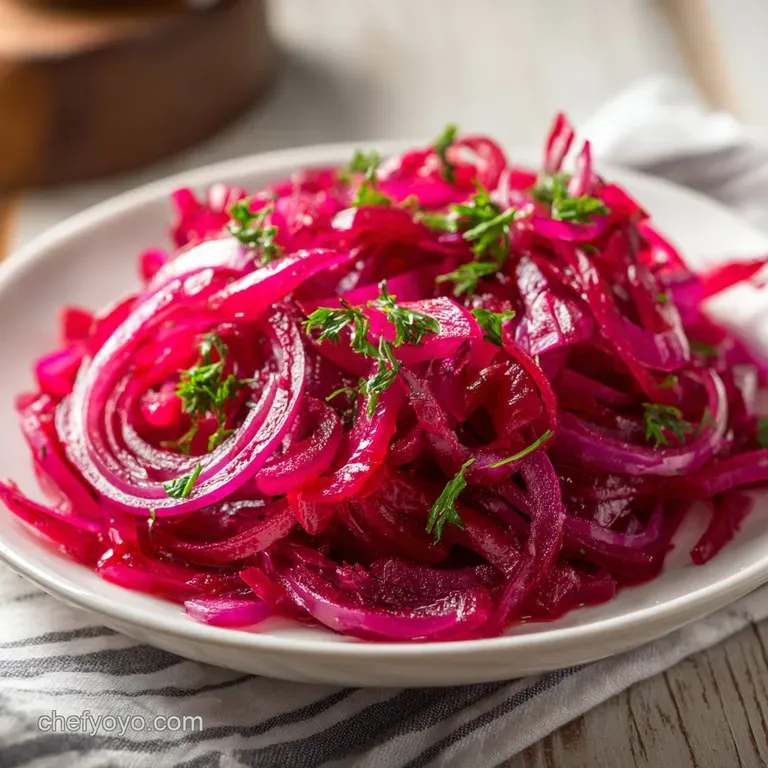
Sometimes things don't go exactly as planned, even with a simple pickled red onion recipe. The most common issue I hear about is the texture. If your onions feel a bit rubbery instead of crisp, it’s usually because the brine was too hot when it hit the jar.
If you pour boiling water directly onto the onions without adding the cold vinegar first, you’re essentially blanching them. They’ll still taste fine, but they won't have that signature snap.
Another thing to watch for is the color. If your onions stay a muddy purple instead of turning pink, check your vinegar. You need that acidity for the chemical reaction with the anthocyanins (the red pigments). If you used a very weak vinegar or didn't add enough, the color won't "pop."
Why Your Onions Stayed Tough
If the onions feel like they are still raw after 15 minutes, you might have sliced them too thick. The brine can only penetrate so far in a short amount of time. You can fix this by letting them sit at room temperature for an extra 30 minutes before refrigerating.
The warmth helps the salt and acid break down those tough cell walls.
| Problem | Root Cause | Solution |
|---|---|---|
| Dull, greyish color | Not enough acid or old onions | Add a splash more white vinegar and wait 10 more minutes. |
| Overly salty | Measuring error | Pour out 1/4 of the brine and replace with plain filtered water. |
| Soft/Mushy texture | Brine was boiling hot | Next time, ensure you add the cold vinegar to the hot water before pouring. |
Common Mistakes Checklist
- ✓ Don't skip the sugar - it's there for balance, not just sweetness.
- ✓ Always use a glass jar to avoid metallic off flavors from acid reactions.
- ✓ Slice the onions as thin as possible; thick chunks won't pickle evenly.
- ✓ Ensure the onions are fully submerged; any piece sticking out will stay raw and brown.
- ✓ Don't forget to smash the garlic - a whole un smashed clove won't release much flavor.
If you find yourself with leftover brine, don't throw it away! It is basically a pre seasoned vinaigrette base. You can whisk it with some olive oil and a bit of Dijon mustard for an instant salad dressing. For more ideas on how to use pickles in your cooking, my chicken shawarma recipe is a perfect place to start.
Scaling for Large Batches
When you need to scale this recipe down for a quick lunch, it's pretty simple. If you're only using a quarter of an onion, just use a small jelly jar and divide the brine ingredients by four. You don't need to be quite as precise with the spices; one peppercorn and a tiny sliver of garlic will do the trick.
Scaling up for a party (2x or 4x) requires a bit more care. While you can double the onions and vinegar easily, I recommend only increasing the salt and spices by 1.5x. Spices can become overwhelming when multiplied linearly in a closed jar.
For the liquids, you might find you need about 10% less than a straight multiplication because the onions will displace more volume in a larger container. Always work in batches if your jars are small, or use one large half gallon glass jar for a big event.
Bold Flavor Variation Ideas
Mexican Style Pickled Red Onions
If you are making these specifically for tacos, I love to swap the bay leaf for a pinch of dried Mexican oregano and add half a sliced habanero to the jar. The heat from the pepper infuses into the brine, giving the onions a slow, creeping burn that is incredible with fatty carnitas.
You can also swap the white vinegar for fresh lime juice, though keep in mind that lime juice pickles don't last as long in the fridge (about 3-5 days max).
The Scandi Spiced Version
For something that pairs beautifully with smoked fish or rye bread, try the Scandinavian approach. Add half a teaspoon of mustard seeds and a few sprigs of fresh dill to the jar. Some people even like to add a single clove or a small piece of star anise.
It creates a much warmer, more aromatic profile that feels very sophisticated on a brunch board.
Paleo/Refined sugar-free
If you are avoiding granulated sugar, you can absolutely make this pickled red onion recipe with honey or maple syrup. Use the same 1.5 tablespoon measurement. Just be aware that honey can sometimes make the brine look a little cloudy, especially when cold.
It doesn't affect the flavor at all, but it won't have that crystal clear look of a sugar based brine. The flavor will be slightly more floral, which actually works really well with the apple cider vinegar.
| Method | Time | Texture | Best For |
|---|---|---|---|
| Stovetop Brine | 12 minutes | Crisp tender | Quick weeknight meals and general use |
| Cold Steep | 24 hours | Very crunchy | long term storage and meal prep |
Red Onion Preservation Secrets
Searing meat does not "seal in juices," and similarly, boiling vinegar does not "infuse" it better. Many people think you need to boil the vinegar and water together for five minutes to get a good brine.
In reality, boiling vinegar for too long actually causes the acetic acid to evaporate, which weakens your brine and can make your pickles less safe for long term storage. A quick dissolve of the sugar and salt in boiling water is all you need.
Another myth is that you must use expensive "pickling salt." While pickling salt is great because it doesn't have anti caking agents that can cloud the brine, fine sea salt works just as well for refrigerator pickles. As long as you aren't doing long term shelf stable canning, you don't need to overthink the salt.
Just avoid table salt if you can, as the iodine can sometimes give the onions a slightly metallic aftertaste.
Storage and Zero Waste Guide
These onions will stay perfectly crunchy and vibrant in the fridge for up to 3 weeks. After that, they start to soften significantly and the color might begin to fade into the brine, leaving the onions looking a bit pale.
Always use a clean fork to pull them out of the jar; introducing bacteria from your fingers or a used spoon will shorten their shelf life. I don't recommend freezing these, as the ice crystals will destroy the cell structure, leaving you with a pile of mush once thawed.
To minimize waste, think of the brine as liquid gold. Once the onions are gone, you can actually drop a few sliced radishes or even some hard boiled eggs into the leftover liquid. They will pick up that pink hue and tangy flavor within 24 hours.
If you have onion scraps from the peeling process, don't toss them! Those skins and ends are packed with flavor and color. Toss them into a freezer bag and save them for the next time you make a vegetable or chicken stock. They provide a beautiful golden color to any broth.
Serving Suggestions for Bold Flavor
The beauty of this pickled red onion recipe is its sheer versatility. My favorite way to eat them is piled high on a piece of sourdough toast with smashed avocado and a sprinkle of chili flakes. The acidity of the onion cuts through the creamy fat of the avocado perfectly.
They are also a mandatory topping for any homemade burger; they provide that sharp "zip" that balances out a savory, juicy beef patty.
If you are looking for a side dish to pair these with, they are the "secret ingredient" in a potato salad. Instead of using raw onions which can be too sharp and stay on your breath all day, fold in a handful of these pickled ones. They add a pop of color and a much more refined tang.
They also work wonders in a simple green salad or as a garnish for a bowl of smoky black bean soup. Honestly, once you have a jar of these in the fridge, you'll find yourself reaching for them at every single meal. They are the ultimate "finishing touch" that makes home cooking feel a little bit more special.
Recipe FAQs
How do you make pickled red onions?
Slice a large peeled red onion into paper thin half moons, then pack them tightly into a 16 oz glass jar with peppercorns, a smashed garlic clove, and a bay leaf. Whisk together boiling water, sugar, and salt until dissolved, temper this with cold apple cider vinegar and white distilled vinegar, then pour the mixture over the onions.
Let the jar sit uncovered for 10 15 minutes until the onions turn vibrant pink before serving.
What vinegar is best for pickling red onions?
Use a balanced blend of 0.5 cup apple cider vinegar and 0.5 cup white distilled vinegar. This combination provides the perfect depth of flavor while ensuring the acidity needed to achieve that bright, signature color.
What are the ratios for pickled red onions?
Maintain a balance of 1 cup filtered water to 1 cup total vinegar, combined with 1.5 tablespoons of sugar and 1.5 teaspoons of fine sea salt. These proportions ensure the brine is flavorful enough to penetrate the onions without becoming overly harsh.
How long will pickled red onions last?
Store your jar in the refrigerator, where they will remain crunchy and vibrant for up to 3 weeks. Always use a clean fork to remove onions to prevent bacterial growth, which is a technique that also keeps our effortless dips fresher for longer.
Is it true I must boil the vinegar to make the brine?
No, this is a common misconception. You only need to boil the water to dissolve the sugar and salt; adding the cold vinegar afterward tempers the brine, which prevents you from blanching the onions and keeps them crisp.
Why did my onions turn out rubbery instead of crisp?
Your brine was likely too hot when it touched the onions. If you pour boiling liquid directly onto the sliced red onion without adding cold vinegar first, you essentially cook them, resulting in a loss of their signature snap.
Can I freeze pickled red onions to extend their shelf life?
No, freezing is not recommended for this recipe. The ice crystals will destroy the onion's cell structure, leaving you with a mushy texture rather than the crisp bite intended.
Pickled Red Onion Recipe
Ingredients:
Instructions:
Nutrition Facts:
| Calories | 18 kcal |
|---|---|
| Protein | 0.3 g |
| Fat | 0.1 g |
| Carbs | 4.2 g |
| Fiber | 0.5 g |
| Sugar | 3.1 g |
| Sodium | 178 mg |
