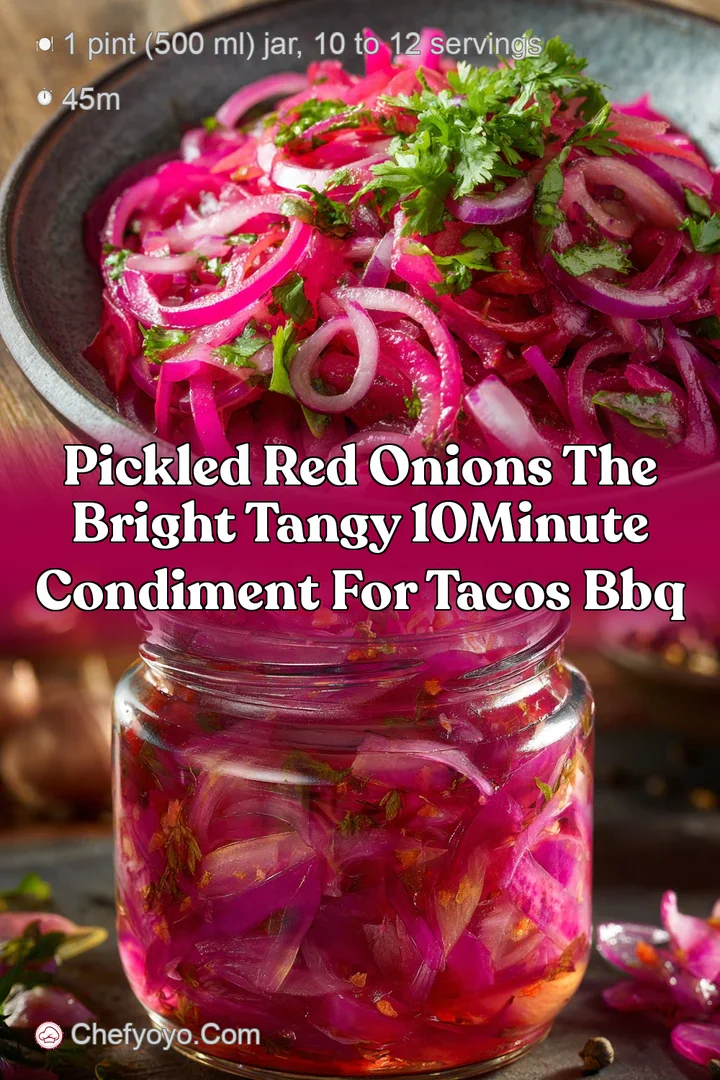
Pickled Red Onions the 10Minute Quick Recipe That Goes with Everything
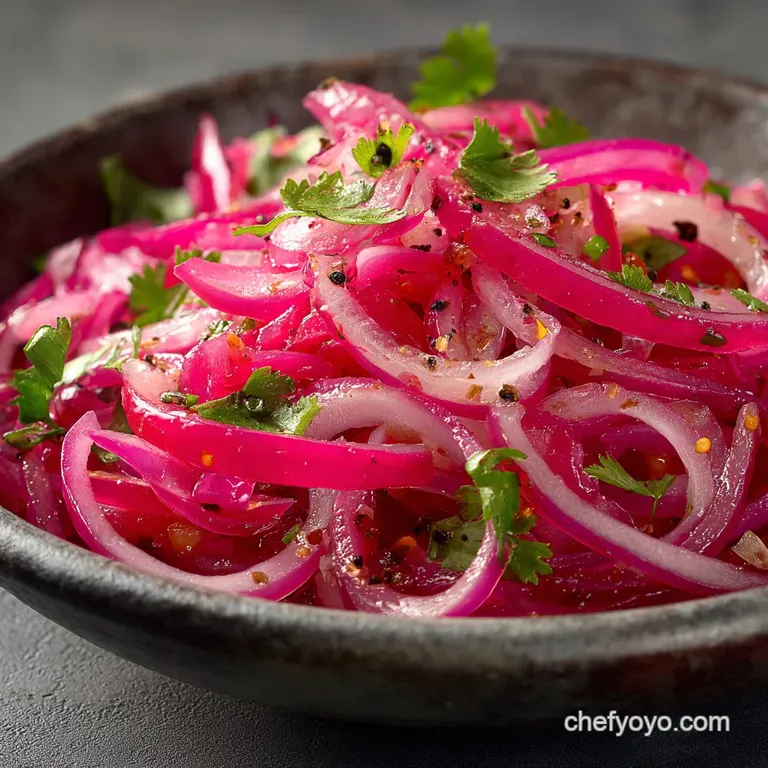
- Why Pickled Red Onions Are the Ultimate Condiment Upgrade
- From Prep to Plate: Mastering the 10 Minute Pickle
- Essential Kitchen Tools and Basic Components for Pickled Red Onions
- Choosing the Right Base Liquid and Sweetener
- Step and by-Step Guide to Perfectly Tender and Tangy Pickled Red Onions
- The Brine Blitz: Heating, Dissolving, and Cooling Techniques
- Creative Ways to Incorporate Your Quick Pickles into Meals
- Storage Strategies and Troubleshooting Common Pickle Issues
- Recipe FAQs
- 📝 Recipe Card
Why Pickled Red Onions Are the Ultimate Condiment Upgrade
Okay, friend, we need to talk about the unsung hero of the refrigerator: the quick pickled red onion. Honestly, if you aren't keeping a jar of these on standby, you are working too hard. I am dead serious. They are the single greatest secret weapon in a home cook’s arsenal a true workhorse condiment.
Need brightness? Check. Need crunch? Check. Need something sharp to cut through the richness of that heavily and sauced pulled pork or that greasy delivery pizza? Triple check.
They take five minutes of active effort and transform from something aggressively sharp (raw onion, ugh) into something crisp, beautiful, and tangy. They turn any simple dish a grilled cheese, scrambled eggs, a leftover roast chicken sandwich into something you actually look forward to eating.
We’re aiming for that beautiful balance of salty, sweet, and aggressively sour. Trust me, once you master this pickled red onions recipe, you’ll never look back.
From Prep to Plate: Mastering the 10 Minute Pickle
I’ll admit, for years I bought those fancy little jars of gourmet pickled onions at the deli counter, thinking they were some complicated, specialty item. What a waste of cash.
This recipe proves that you can move from prep (slicing the onion) to plating (on your first taco) in about the time it takes to watch a sitcom episode. This is the ultimate quick pickled red onions recipe because it embraces speed and efficiency. We are not doing complicated canning or long fermentation here.
We are doing instant gratification.
The Magic of Acid: How Vinegar Transforms Onion Flavor
The heat and the acid do all the work. When you pour that hot, vinegary brine over the sliced onion, two main things happen. First, the heat slightly softens the cell walls, which removes that harsh, volatile sulfur compound that makes raw onions so pungent.
Next,, the acid (the vinegar) immediately starts the pickling process, altering the flavour and firming up the texture. Plus, it changes the colour. That deep magenta red onion turns into the most glorious, delicate pink. Science is delicious, isn’t it?
Beyond the Deli: The Superiority of Homemade Quick Pickles
But why bother making them yourself? Control, my friend. Control! Store and bought versions often use way too much sugar or way too much salt, and the vinegar profile can be boring. Making them at home lets you use that lovely blend of apple cider vinegar (for warmth) and white wine vinegar (for sharpness).
You control the thickness of the slice and the spices you add. It's miles better, cheaper, and you can make a huge batch for about three quid.
The Science of Color: Why Red Onions are Best for Visual Pop
You could technically pickle white onions, but please don't. The whole point of quick pickled red onions isn’t just the flavour; it’s the visual drama. Red onions contain anthocyanins (the same pigment that makes blueberries blue and raspberries red).
When those pigments react with acid, they intensify and shift to a brighter pink. This makes them pop visually on dark foods, like black bean tacos or a rich, meaty brisket.
Essential Kitchen Tools and Basic Components for Pickled Red Onions
Let's do a quick inventory. You don’t need anything fancy, but there are two non and negotiables: a sharp knife and a heatproof jar. If you have a mandoline, you win. I know those things look scary, but they create that perfect, uniform slice that truly makes these easy pickled onions superior.
Seriously, uniform slices mean uniform texture, which means no sad, mushy bits mixed in with rock and hard ones.
Choosing the Right Base Liquid and Sweetener
The brine is the star of the show. It’s what turns a fiery vegetable into a tangy delight. I never use just one type of vinegar because that’s boring. We need layers!
Equipment Check: Jars, Pots, and Safety Measures
Make sure your jar is clean. You don’t need to do a full and on sterilisation process like you would for long and term canning, but washing the jar and lid with hot, soapy water is a must. We are pouring a hot liquid into a glass vessel, so make sure the glass is heat and safe (most mason jars are).
And always handle the hot saucepan carefully. Safety first, then tacos.
Sourcing the Star: Selecting the Best Red Onions
Look for firm, dense red onions that feel heavy for their size. Avoid any with soft spots or dry, flaky layers that look like they’ve been sitting around for a week. A good, firm onion is going to hold its shape better under the heat of the brine, giving you that lovely crisp and tender bite we are chasing.
The Ideal Ratio: Balancing Acid, Salt, and Sugar
The key to a truly fantastic homemade pickles recipe is the ratio. Too much water, and it’s weak. Too much sugar, and it tastes like candy. My secret is a 2:1 vinegar and to-water ratio, using half apple cider vinegar and half white wine vinegar. This blend provides depth without sacrificing sharpness.
Two tablespoons of sugar and one teaspoon of kosher salt is the sweet spot that dissolves quickly and provides the perfect background seasoning.
Flavor Boosters: Spice Variations for Your Brine
You can stop right there with the salt and pepper, or you can get fancy. Here are a few things I rotate in, depending on what I plan to use the onions for:
- Whole coriander seeds (gives it a bright, citrusy note).
- A couple of peeled, smashed garlic cloves (always great for tacos).
- Mustard seeds (adds a subtle, classic pickle flavor).
- A pinch of dried oregano and cumin (for a strong Mexican vibe).
Related Recipes Worth Trying
- Vanilla and Chocolate Pizzelles UltraCrisp DualFlavored Italian Cookies — Vanilla and Chocolate Pizzelles are delicate waferthin Italian Pizzelle Cookies perfect for holidays This easytomake Pizzelle Recipe uses both vanilla bean...
- Teriyaki Turkey Burgers with Grilled Pineapple and Sticky Onions — Teriyaki Turkey Burgers with Grilled Pineapple and deliver Pacific Rim perfection This juicy grilled turkey burger recipe is glazed with homemade teriyaki...
- Velvety Cajun Chicken Alfredo Pasta A 50Minute Weeknight Cracker — This Cajun Chicken Alfredo Pasta recipe creates a truly velvety rich sauce ditching the grainy texture Perfect for a speedy weeknight feast or serving as a...
Step and by-Step Guide to Perfectly Tender and Tangy Pickled Red Onions
Right then, let's crack on. The whole thing should take you less than 15 minutes of standing time.
The Brine Blitz: Heating, Dissolving, and Cooling Techniques
The biggest mistake I see people make is trying to pour cold brine over the onions. No, no, no. We want the brine hot. This starts the pickling process instantly and ensures the salt and sugar fully dissolve.
If you skip heating, you end up with gritty sugar crystals at the bottom of your jar, and your brine will be weak.
CRUCIAL WARNING: Do not boil the brine aggressively. Just bring it to a simmer until the liquid is clear and the solids are gone. Over and boiling changes the vinegar flavour and can make the onions mushy later.
Prepping the Onion: Achieving Uniform Slices
Peel the onion, slice off the top and tail, and then cut it in half through the root. Place the flat side down and slice it as thinly as you dare. If you don't have a mandoline, just be patient. Aim for that paper and thin thickness. This is where the magic happens; thin slices absorb the brine faster.
The Thermal Shock Method for Best Crunch
This is the key to that perfect crisp and tender texture. We pack the cold, raw onion slices into a cold jar, and then we shock them with the hot brine. This momentary heat softens them slightly, allowing the acid to penetrate, but the subsequent rapid cooling locks in the remaining crunch.
It’s simple physics working for our supper.
Filling the Jar: Maximizing Onion Submersion
Pack those slices in tightly! Really press them down. You want to maximise the amount of onion you can get into the jar, and you want them completely covered by the liquid. If they float (and they will), just give them a press down with the back of a spoon before you cap the jar.
The Crucial Wait: Understanding the Minimum Pickling Time
You can eat them after 30 minutes, especially if you sliced them super thin. They will be pink and slightly tart. However, they achieve peak flavour after two hours in the fridge, and they are truly perfect the next day. Plan accordingly!
Creative Ways to Incorporate Your Quick Pickles into Meals
The reason I call these a workhorse condiment is because they genuinely belong on everything.
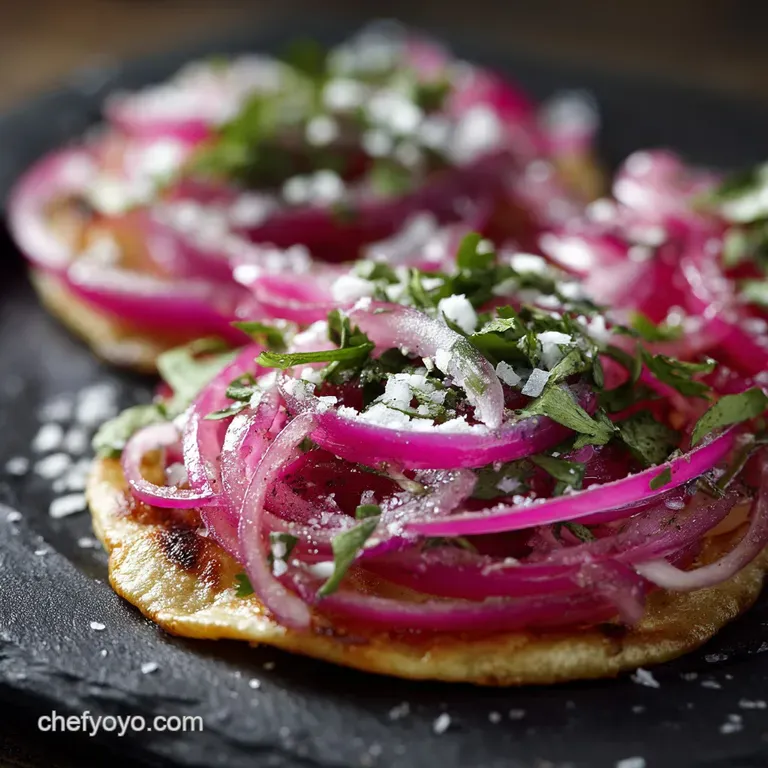
Throw them on your avocado toast instead of chili flakes. Put them on your breakfast burrito. Use them instead of normal raw onion on a juicy burger (game changer). They are essential for any Mexican meal seriously, pickled red onions for tacos are a non and negotiable requirement.
The sharpness cuts through rich carnitas and creamy sour cream beautifully. They also make a fantastic addition to any deli sandwich, especially a robust pastrami or roast beef stack.
| Meal Idea | Why It Works |
|---|---|
| Loaded Fries/Nachos | Provides contrast to melted cheese and heavy sauces. |
| Cheese Boards | Acidic foil to creamy goat cheese or brie. |
| Power Bowls | Adds a tangy lift to grains, greens, and beans. |
Storage Strategies and Troubleshooting Common Pickle Issues
This is a quick pickle, not a canning project, so fridge rules apply!
Shelf Life Secrets: Fridge vs. Freezer Storage
Since we didn't use a traditional canning method (where the goal is long and term, shelf and stable preservation), these pickled red onions must live in the refrigerator. Properly stored in a sealed jar, they will maintain great quality for about three weeks.
After that, the texture might get a bit too soft, but they'll still be safe to eat for a while longer. Do not freeze them; the freezing and thawing process will utterly destroy the texture and turn them into mush.
Common Mistakes: Avoiding Mushy or Overly Salty Onions
If your onions are mushy, you either sliced them too thick (and they couldn't withstand the heat) or you boiled the brine too long. Remember: simmer, not a rolling boil. If they are too salty, you probably used iodized salt, which has a sharper flavour and can discolour the onions. Stick to kosher salt.
If they are too sweet, simply halve the sugar next time, or balance it out by adding a splash more apple cider vinegar once they have cooled.
Scaling the Recipe: Adapting for Large Batches or Gifts
This recipe scales up perfectly. If you want to make two huge jars for holiday gifting or for a massive BBQ, just double or triple all the liquid and solid ingredients exactly. The process stays the same: heat, dissolve, pour, chill.
Nutritional Snapshot: Understanding the Health Benefits of Vinegar Pickles
While we added sugar (you need the balance!), these pickles are still very light and offer the digestive benefits of vinegar. Vinegar is known to aid digestion and help stabilise blood sugar. Plus, you’re eating an onion! That’s fibre and vitamins, baby.
Compared to mayo or heavy dressings, these tangy, sharp pickles are a guilt and free way to add a tonne of flavour to almost any meal.
Recipe FAQs
How soon can I actually eat these quick pickled red onions?
While technically edible after just 30 minutes, they need about two hours in the fridge to properly soften and for the full, balanced flavour of the brine to develop patience is a virtue, but not for long!
They’re spot on! How long will they keep in the fridge without going dodgy?
If stored properly in a sealed, sterilised container in the fridge, these quick pickles are generally good for up to three weeks, although they taste their absolute best during the first 7 10 days.
My pickles look a bit blue or green what’s gone wrong, mate?
This strange colour change is a common pickle plight and usually happens if you’ve used iodised table salt, which reacts with the onion’s natural sulphur compounds; stick strictly to non-iodised kosher or sea salt next time.
Can I swap the vinegar out or add a bit of a spicy kick?
Absolutely; you can use plain distilled white vinegar instead, but consider adding an extra tablespoon of sugar to balance its sharp edge, or for a 'firecracker' variation, simply throw in a sliced jalapeño or some red pepper flakes.
Right, I've made them, now what do I actually put these Pickled Red Onions on?
These are a true kitchen workhorse; they cut through rich foods brilliantly, making them mandatory toppings for tacos, perfect additions to a fancy cheese board, or the ultimate upgrade for your weekend burger stack or jacket potato.
Quick Pickled Red Onions Workhorse Condiment
Ingredients:
Instructions:
Nutrition Facts:
| Calories | 105 kcal |
|---|---|
| Protein | 5.0 g |
| Fat | 1.0 g |
| Carbs | 19.0 g |
