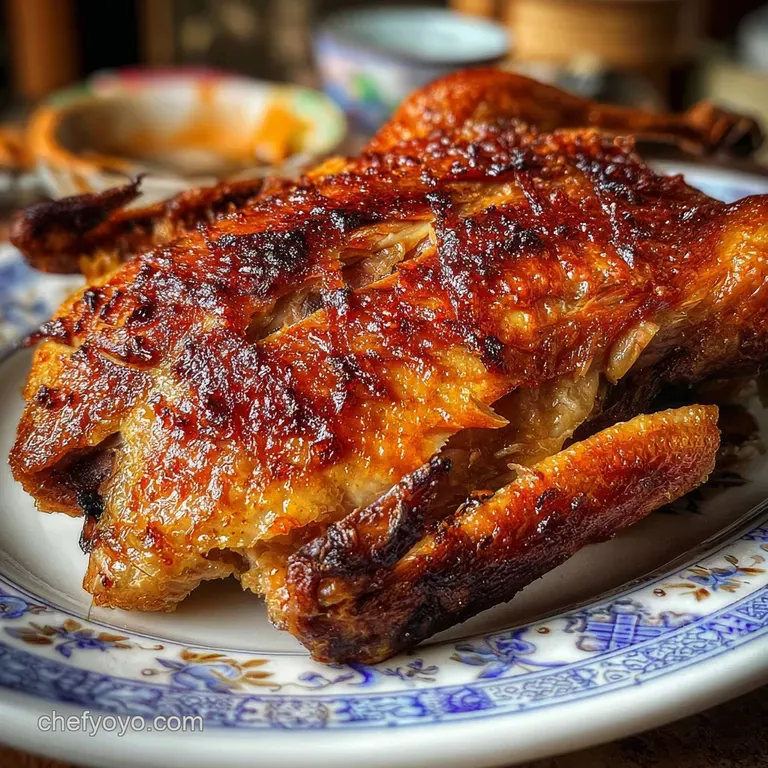
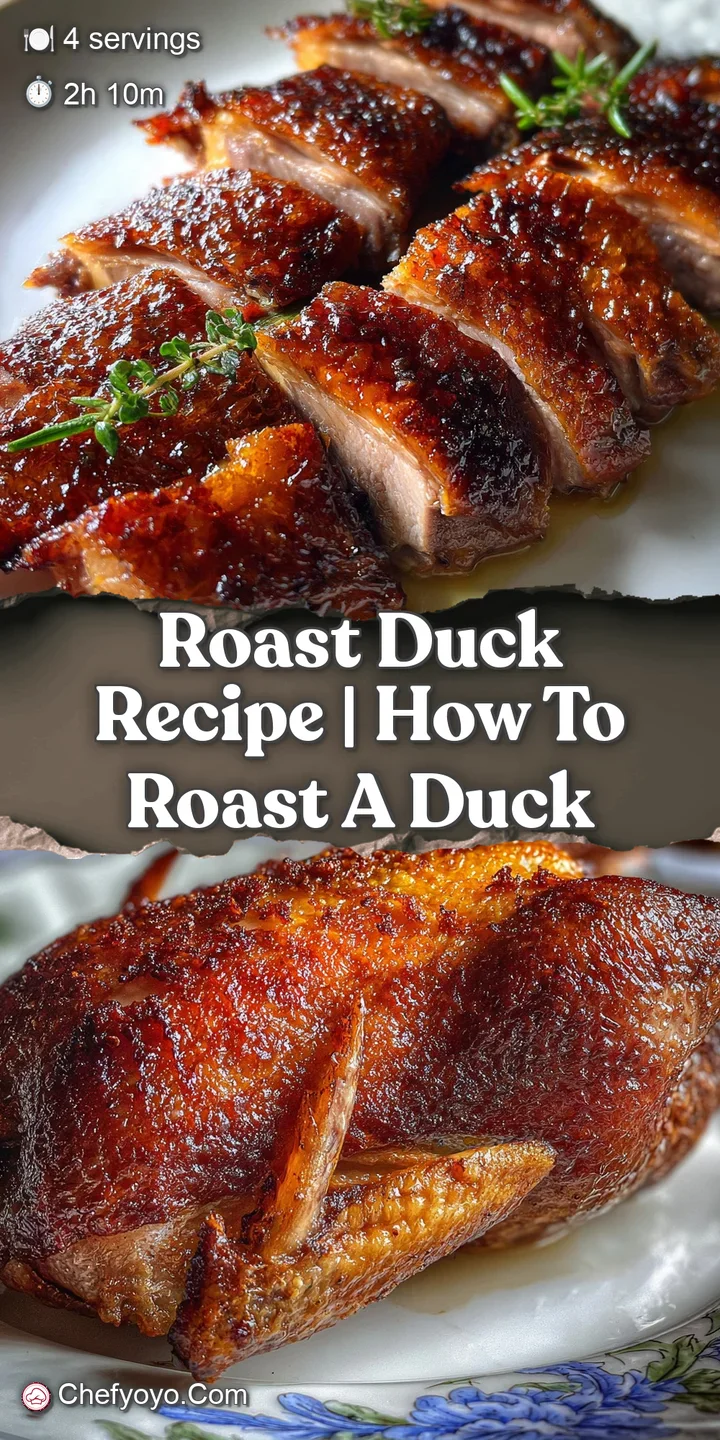
Roast Duck: Shatteringly Crispy
- Time: Active 25 minutes, Passive 1 hour 45 mins, Total 2 hours 10 mins
- Flavor/Texture Hook: Shatter crisp skin with a citrus infused, velvety interior.
- Perfect for: Holiday centerpieces or an impressive Sunday dinner for four.
- How to Achieve the Ultimate Crispy Roast Duck
- The Science of Achieving Crispy Skin
- Essential Stats for Success
- Components for the Best Flavor
- Tools Required for Home Cooks
- Step by Step Roasting Guide
- Fixing Common Texture Problems
- Troubleshooting Common Issues
- Creative Seasonal Recipe Variations
- Managing Leftovers Properly
- Serving and Carving Techniques
- Very High in Sodium
- Recipe FAQs
- 📝 Recipe Card
How to Achieve the Ultimate Crispy Roast Duck
Ever tried to roast a duck and ended up with a grease slicked kitchen and skin as rubbery as a chew toy? I've been there, more times than I'd like to admit. Duck is notorious for its thick layer of fat, which is a blessing for flavor but a nightmare for texture if you don't handle it correctly.
I remember my first attempt was a soggy, gray mess that smelled great but felt like eating a wet sponge. It was a humbling moment that sent me back to the basics of poultry thermodynamics.
But here's the thing: once you understand how to manage that fat, this bird becomes the most rewarding roast in your repertoire. We aren't just baking meat here, we're essentially "confitting" the duck from the inside out using its own rendered fat to fry the skin.
It sounds technical, but it’s actually about patience and a few simple tricks I’ve picked up over years of trial and error in my own kitchen.
Right then, let's get into what actually works. This recipe doesn't rely on fancy rotisseries or industrial drying fans. We are going to use basic pantry staples like honey and balsamic vinegar to create a glaze that mimics the professional lacquer you see in high end bistros.
Trust me on this, once you hear that first "shatter" when your knife hits the breast, you’ll never go back to basic chicken again.
The Science of Achieving Crispy Skin
The secret to a world class bird lies in two specific scientific principles that most home cooks overlook. It isn't just about heat, it's about the interaction between moisture, fat, and sugar.
- Subcutaneous Fat Rendering: Duck has a thick layer of fat between the skin and meat that must be liquified and drained away. Scoring the skin creates "escape hatches" for this fat, allowing it to baste the skin and fry it from the bottom up.
- The Maillard Reaction: By applying a glaze containing honey and soy sauce, we introduce sugars and amino acids that react under heat. This creates the deep mahogany color and complex, savory sweet aroma that defines a professional roast.
- Evaporative Cooling: Boiling water or long air drying removes surface moisture. Without moisture to evaporate, the skin temperature rises rapidly, allowing it to become brittle and crisp instead of steaming.
| Cook Method | Time | Texture Result | Best For |
|---|---|---|---|
| Fast (High Heat) | 1 hours 15 mins | Crispy but chewy fat | Busy weeknights |
| Classic (Two Stage) | 2 hours 10 mins | Shatter crisp skin | Dinner parties |
| Slow Roast | 3 hours 30 mins | Falling off the bone | Comfort food |
This multi stage approach ensures the fat has time to leave the building before the meat overcooks. If you try to rush a Roast Duck, you'll end up with a greasy mess every single time. By starting lower and finishing higher, we respect the different needs of the dark meat and the delicate skin.
The Science of Subcutaneous Fat Rendering
Duck fat is liquid gold, but only if it’s in a jar in your fridge, not trapped under the skin. Unlike chicken, duck skin is incredibly dense. If that fat doesn't render, the skin stays soft and flabby. By pricking the skin without piercing the meat, you create pathways.
Think of it like a pressure valve on a steam engine - you're letting the internal pressure of the melting fat push its way out to the surface.
The Scalding Tightening Effect
One trick I learned from traditional techniques is the "scald." Pouring boiling water over the raw skin causes the proteins to contract instantly. You'll actually see the skin tighten and turn translucent. This "pre shrinks" the skin, making it thinner and more prone to becoming brittle in the oven.
It's an extra step, but it's the difference between a good roast and a legendary one.
The Osmotic Glaze Balance
When we apply the honey and balsamic mixture, we aren't just adding flavor. The salt in the soy sauce draws out remaining surface moisture through osmosis, while the acid in the vinegar breaks down some of the surface proteins.
This makes the skin more porous and ready to absorb the sugars, leading to that iconic lacquered look.
| Component | Science Role | Pro Secret |
|---|---|---|
| Kosher Salt | Moisture Extraction | Use Diamond Crystal for even coverage without over salting |
| Honey | Caramelization Agent | Darker honey provides a deeper, more complex color |
| Balsamic Vinegar | Protein Breakdown | The acidity cuts through the richness of the rendered fat |
Essential Stats for Success
Before you start, make sure your bird is fully thawed. A cold center is the enemy of an even roast. If you've got the time, leave the duck uncovered in the fridge for 24 hours. This air chilling process is what the pros do to ensure the skin is as dry as parchment paper before it ever hits the heat.
I usually find that a 5.5 lbs bird is the "sweet spot" for home ovens. Anything larger and the fat to meat ratio starts to get a bit unruly, and the cook times become harder to predict. You want enough fat to flavor the meat, but not so much that you're swimming in a lake of grease by the end of the first hour.
Chef Tip: Freeze your leftover duck fat! Filter it through a fine mesh sieve and keep it in a mason jar. It's better than butter for roasting potatoes later in the week.
Components for the Best Flavor
You don't need a massive grocery list for a stellar Roast Duck. It’s more about the quality of the aromatics you stuff inside that cavity. While the meat roasts, these ingredients steam from the inside, perfuming the flesh with citrus and spice.
- 1 whole duck (approx. 5.5 lbs): Look for one with clear, unbruised skin. Why this? The fat content provides all the self basting you'll ever need.
- 2 tbsp Kosher salt: For seasoning and moisture removal. Why this? Larger grains are easier to distribute evenly than fine table salt.
- 1 large orange, quartered: For acidity and aroma.
- 4 cloves garlic, smashed: Provides a base savory note.
- 2 star anise pods: This is the secret to that "high end" smell.
- 1 bunch fresh thyme: Earthy balance to the sweet glaze.
- 3 tbsp honey: The primary sugar source for the glaze.
- 2 tbsp balsamic vinegar: Adds tang and helps the glaze stick.
- 1 tbsp dark soy sauce: For that deep, lacquered mahogany color.
- 0.5 tsp ginger, freshly grated: A punchy, sharp finish for the glaze.
| Original Ingredient | Substitute | Why It Works |
|---|---|---|
| Star Anise | 1/2 tsp Five Spice Powder | Contains anise along with cinnamon and cloves for similar warmth. |
| Balsamic Vinegar | Sherry Vinegar | High acidity with a nutty finish. Note: Slightly less sweet than balsamic. |
| Honey | Maple Syrup | Same sugar content. Note: Adds a distinct woodsy flavor to the skin. |
Tools Required for Home Cooks
You don't need a lot of gear, but a roasting pan with a rack is non negotiable. If you put the duck directly on the bottom of a pan, it will sit in its own fat and boil rather than roast. You want air circulating 360 degrees around that bird.
A sharp paring knife or even a clean box cutter is great for scoring the skin. You need precision here because if you cut into the meat, the juices will leak out and steam the skin from the inside, ruining your crunch. A digital meat thermometer is also your best friend.
Relying on "clear juices" is a recipe for dry meat; internal temperature is the only truth in roasting.
I also recommend having a bulb baster or a large spoon handy. Throughout the process, you'll want to remove excess fat from the pan. If the fat level gets too high, it might start to smoke, and nobody wants their smoke alarm as the soundtrack to their dinner party.
step-by-step Roasting Guide
- Prep the bird. Remove the duck from the packaging and pat it incredibly dry with paper towels. Note: Surface moisture is the enemy of crispiness.
- Score the skin. Using a sharp knife, score the skin in a diamond pattern across the breast, being careful not to pierce the meat.
- Scald the skin. Place the duck on a rack in the sink and pour 4 cups of boiling water over it. Watch the skin tighten and turn pale.
- Season the exterior. Rub the 2 tbsp Kosher salt all over the skin, including the underside.
- Stuff the cavity. Place the orange quarters, 4 cloves garlic, 2 star anise, and the bunch of thyme inside the duck.
- First Roast. Place the duck breast side up on a rack in a roasting pan. Roast at 325°F for 1 hours. Listen for the gentle sizzle of rendering fat.
- Prick and flip. Carefully flip the duck to breast side down. Prick any areas where fat is pooling. Roast for another 25 minutes.
- Prepare the glaze. In a small bowl, whisk the 3 tbsp honey, 2 tbsp balsamic, 1 tbsp dark soy, and 0.5 tsp grated ginger.
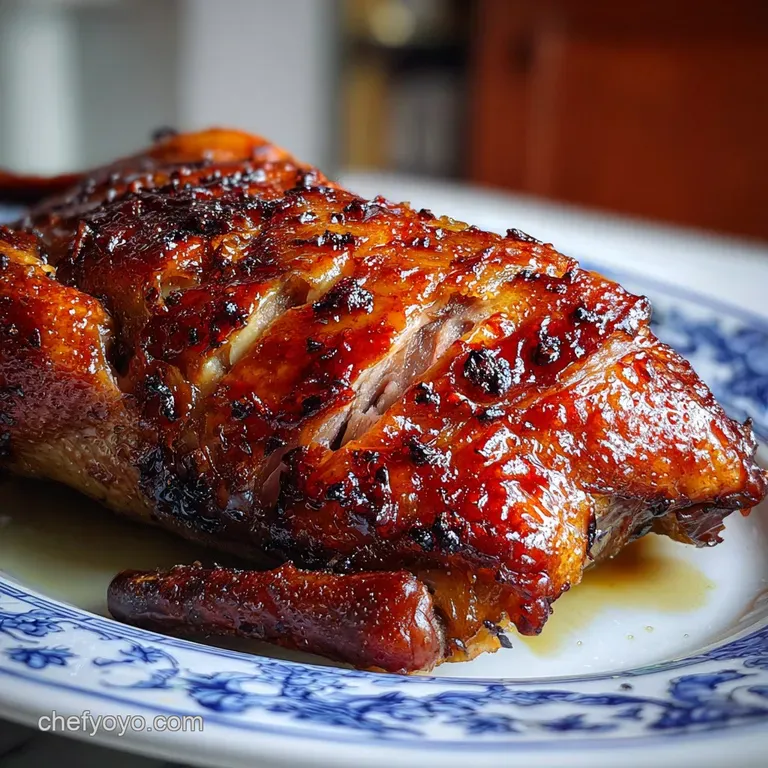
- Final Blast. Flip the duck back to breast side up. Increase oven heat to 400°F. Brush half the glaze over the skin.
- Finish the lacquer. Roast for 10 to 15 minutes until the skin is dark, mahogany, and glassy. Brush with the remaining glaze 5 minutes before pulling it out.
Fixing Common Texture Problems
Duck can be temperamental. If things aren't looking right halfway through, don't panic. Most issues come down to temperature control or moisture management. I've found that people often get intimidated by the amount of fat, but that fat is actually what protects the meat from drying out while you're chasing that perfect skin.
Troubleshooting Common Issues
| Issue | Solution |
|---|---|
| Oven smoking | This usually happens if the rendered fat in the bottom of the roasting pan gets too hot or if there are bits of aromatics falling into the grease and burning. If you see smoke, it's time to drain the |
| The skin isn't getting crisp | If you're at the end of the cook time and the skin still feels soft, your oven might be running cool, or you didn't dry the bird enough at the start. Don't be afraid to use the broiler for 2 to 3 minu |
| Why is the breast meat dry | If the skin is perfect but the meat is tough, you likely overcooked it. Duck breast is best served medium rare to medium, while the legs need more time to become tender. This is why we use the two sta |
Common Mistakes Checklist
- ✓ Skipping the "scald" - the boiling water step is essential for skin tightening.
- ✓ Forgetting to prick the skin - fat needs a way to escape or it will steam the meat.
- ✓ Using a cold bird - always let the duck sit at room temperature for 30 mins before roasting.
- ✓ Not resting the meat - carving too early will let all those silky juices run onto the board.
- ✓ Over crowding the pan - if you're doing two ducks, make sure there's space for air to move.
Creative Seasonal Recipe Variations
Once you've mastered the basic Roast Duck, you can start playing with the flavor profile. I love how duck plays with both sweet and savory elements. It’s a very versatile protein that can handle heavy spices or delicate herbs. If you're looking for a similar vibe but with a different meat, you might enjoy my Perfectly Pink Roast recipe for a different Sunday classic.
The French Bistro Twist
Swap the soy sauce and ginger for more balsamic and a handful of dried cherries in the cavity. This creates a classic Canard aux Cerises vibe. The tartness of the cherries cuts through the heavy fat perfectly.
Serve it alongside some buttery mashed potatoes and you’ll feel like you’re sitting in a booth in Paris.
The Peking Lite Variation
Increase the ginger and add a teaspoon of five spice powder to your glaze. Instead of serving it whole, shred the meat and serve it with thin pancakes, hoisin sauce, and scallions. It’s not a traditional Peking duck, which takes days to prepare, but it gets you 90% of the way there with 10% of the effort.
Managing Leftovers Properly
Roasted duck stays remarkably well because of the high fat content. To store, let it cool completely before placing it in an airtight container. It will keep in the fridge for up to 3 days. If you want to keep it longer, you can freeze the meat (off the bone) for up to 2 months.
Just be aware that the skin will lose its crunch once refrigerated.
To reheat and reclaim that "shatter crisp" texture, avoid the microwave at all costs. Put the duck pieces on a wire rack in a toaster oven or regular oven at 375°F for about 8 to 10 minutes.
The residual fat in the skin will "re fry" it, getting it almost as good as it was on day one.
Zero Waste Tip: Do not throw away that carcass! Duck bones make the most incredible, rich stock. Throw the bones in a pot with some celery, onions, and peppercorns. Simmer for 4 hours, and you've got a base for a The Comfort Proper recipe that will blow your mind.
Serving and Carving Techniques
Carving a duck is slightly different than carving a chicken. The joints are in different spots, and the breast is much thinner. I always start by removing the legs and thighs first. Find the joint where the thigh meets the body and give it a firm slice.
For the breast, I like to slice it into thick medallions rather than carving it like a turkey. This keeps the skin attached to each piece of meat, ensuring everyone gets that perfect bite of crunch and juice.
If you find the meat is slightly more "pink" than you expected, don't worry duck is safe and delicious at a medium rare temperature, unlike chicken.
Strategic Pairings
Because duck is so rich, you want sides that offer high acidity or a bit of bitterness. A simple arugula salad with a lemon vinaigrette works wonders. For starch, anything that can soak up the extra glaze is a win. I often serve this with wild rice or a simple polenta. If you want to lean into the indulgence, try making a batch of Duck Confit Recipe style potatoes using the rendered fat from the pan.
Myths About Roasting Duck
One of the biggest misconceptions is that you need to sear the duck in a pan before roasting. This is totally unnecessary and usually just results in a giant mess of splattered grease. The oven is perfectly capable of rendering that fat if you give it enough time at the right temperature.
Another myth is that you need to "baste" the duck with its own fat constantly. While it sounds chef y, the duck is already self basting from the inside. Opening the oven door every 15 minutes just drops the temperature and prevents the skin from drying out properly.
Let the oven do the work and stay out of its way!
Very High in Sodium
1180 mg mg of sodium per serving (51% % of daily value)
The American Heart Association recommends limiting sodium intake to about 2,300mg per day for most adults. This recipe exceeds 50% of that recommendation per serving.
Tips to Reduce Sodium in Your Roasted Duck Recipe
-
Reduce Kosher Salt-25%
The primary source of sodium in this recipe is the 2 tbsp of kosher salt. Reduce the amount by half, or even eliminate it completely if you prefer a less salty flavor. You can always add salt to taste after cooking.
-
Lower Sodium Soy Sauce-20%
Dark soy sauce contributes to the sodium content. Substitute with a low-sodium soy sauce or tamari. This will significantly lower the overall sodium without sacrificing flavor.
-
Adjust Honey & Balsamic-5%
The honey and balsamic vinegar provide sweetness and acidity that can help balance the flavors, potentially reducing the need for as much salt. Increase their amounts by 1 tbsp each to enhance these flavors.
-
Amplify Citrus & Aromatics
The orange, garlic, star anise, and thyme add flavor depth. Consider adding a second orange, more garlic, or other fresh herbs to boost the aroma and taste, allowing you to reduce salt further.
-
Enhance with Herbs & Spices
Experiment with different herbs and spices like rosemary, sage, or black pepper to enhance the flavor profile naturally. These additions can help to compensate for the reduction of sodium without adding any sodium at all.
Recipe FAQs
How long does a duck take to roast?
Approximately 2 hours to 2 hours 10 minutes for a 5-6 pound duck, using a two-stage roasting method. This involves starting at a lower temperature to render fat, then increasing the heat for crispy skin.
What are common mistakes when roasting duck?
Skipping the scalding and pricking of the skin are key mistakes. Scalding tightens the skin, and pricking allows fat to escape, preventing it from steaming the skin and making it rubbery. Overcrowding the pan and not letting the bird rest are also common errors.
How to make crispy roast duck?
Ensure the skin is thoroughly dry and scored. Begin by patting the duck completely dry, then score the skin in a diamond pattern without piercing the meat. A preliminary scald with boiling water also helps tighten the skin.
How long does it take to cook a duck at 350 degrees?
At 350°F, a 5-6 pound duck would likely take around 2.5 to 3 hours. However, it's best to use a two-stage roasting method: start lower (around 325°F) to render fat, then increase to 400°F for the final crisping.
Can I use a different type of vinegar for the glaze?
Yes, sherry vinegar works as a substitute, offering a nutty, acidic profile similar to balsamic. Just be aware it might be slightly less sweet than balsamic vinegar, potentially affecting the final glaze color and flavor balance.
What's the secret to the duck's lacquered skin?
It's the combination of sugar and heat, along with surface moisture removal. The glaze, made with honey, balsamic vinegar, and soy sauce, caramelizes under high heat, creating that deep, glassy finish. Ensuring the skin is very dry beforehand is crucial for this effect.
Is it true that duck breast is best served medium rare?
Yes, duck breast is delicious at a medium rare to medium temperature, unlike chicken. This is why the two-stage roasting method is effective: it allows the legs to cook longer for tenderness while the breast remains juicy.
Roast Duck Recipe
Ingredients:
Instructions:
Nutrition Facts:
| Calories | 648 kcal |
|---|---|
| Protein | 41.5 g |
| Fat | 48.2 g |
| Carbs | 8.4 g |
| Fiber | 0.6 g |
| Sugar | 6.2 g |
| Sodium | 1180 mg |
