Sesame Crusted Tuna Steak on Arugula: the 25-Minute Restaurant Meal
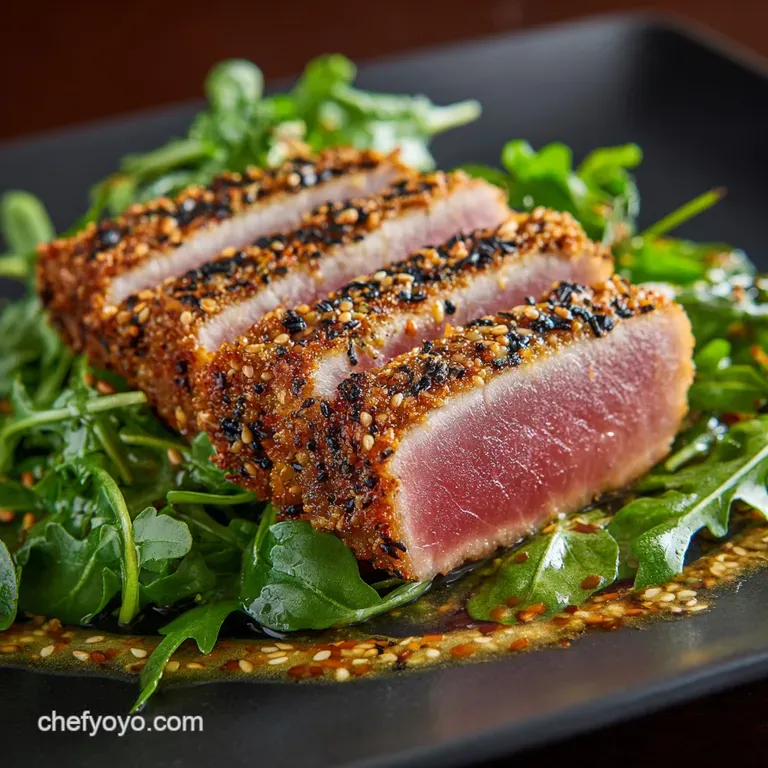
- The Speedy Supper Sensation: Mastering Sesame Crusted Tuna Steak on Arugula
- The Flavor Architecture: Why This Sesame Crusted Tuna Steak Recipe Works
- Essential Components: Ingredients for the Perfect Sesame Crusted Tuna Steak and Salad
- Step-by-Step Guide: How to Execute This Sesame Crusted Tuna Steak on Arugula Flawlessly
- Expert Searing Secrets and Troubleshooting Common Tuna Mistakes
- Handling Leftovers: Storage and Food Safety for Seared Tuna
- Enhancing the Experience: Perfect Pairings for Sesame Tuna and Arugula
- Recipe FAQs
- 📝 Recipe Card
The Speedy Supper Sensation: Mastering Sesame Crusted Tuna Steak on Arugula
Stop scrolling right now. Seriously, the aroma of toasted sesame seeds hitting a searing hot pan is one of the greatest things you will ever smell in your kitchen. That nutty crust, perfectly complemented by a spicy, pungent ginger dressing, promises a satisfying crunch before you hit the cool, silky, bright red center of the tuna.
It’s pure texture heaven.
Look, I know what you’re thinking: fancy seafood takes ages, right? Wrong. This stunning recipe for [Sesame Crusted Tuna Steak on Arugula] is my secret weapon when I need something incredibly impressive and immensely healthy, but only have 20 minutes before I face plant into the couch.
It’s so much cheaper than ordering out, and it feels like a total splurge.
If you’ve only ever eaten canned tuna which, bless its heart, makes a killer Ultimate Crispy Tuna Melts Recipe — you are about to meet its sophisticated, powerful older sibling. We are using minimal ingredients, maximal heat, and zero fuss to achieve absolute perfection. Let’s crack on and get this sesame crusted ahi tuna steak recipe done.
The Flavor Architecture: Why This Sesame Crusted Tuna Steak Recipe Works
Why This Ahi Tuna Recipe is Your New Weeknight Hero
This dish works because it exploits high contrast simplicity. We aren’t drowning the tuna in sauces or complicated steps; we are letting the quality of the fish shine through, boosted only by a salty, nutty, crunchy exterior.
It is incredibly high protein, supremely satisfying, and remarkably clean eating, which makes me feel less guilty about that second glass of wine.
Prep Time vs. Plate Time: Achieving Restaurant Quality in Under 20 Minutes
The speed is key, honestly. Because we only cook the tuna for about 60 to 90 seconds per side, the active cooking time is negligible. The main bulk of your time is spent whisking the simple soy-ginger dressing and pressing the seeds onto the fish, which is totally manageable after a long day.
You get maximum flavor payoff for minimum effort, which is exactly how weeknight cooking should be.
Decoding the Flavor: Peppery Arugula Meets Nutty Sesame Crust
The foundation of this dish is the peppery punch delivered by the arugula, also known as rocket. That sharp, slightly bitter green is essential because it cuts through the richness of the seared fish and the potent umami of the soy dressing. The sesame crust then delivers a deep, nutty counterpoint, echoing the powerful sesame flavor we sometimes use in our sticky mains, like the one in Crockpot Sesame Chicken Easy, Sticky, Restaurant Quality Dinner .
The Maillard Reaction: Achieving the Perfect Crust and Rare Center
This is where the magic happens, people! To get that glorious, defined crust, we must hit the tuna with extreme heat for a very short time. This super fast searing triggers the Maillard Reaction on the sesame seeds and the fish proteins, creating that deep golden brown, flavor packed exterior.
Simultaneously, the high heat shields the center, leaving it cool, raw, and delicious.
Contrast and Balance: The Role of the Soy-Ginger Vinaigrette
A powerful dressing is vital here because seared tuna is delicate. The vinaigrette needs to be aggressively seasoned salty from the soy, acidic from the lime and rice vinegar, and spicy from the fresh ginger.
It’s not meant to be subtle; it should wake up your palate and meld all the distinct textures on the plate together beautifully.
Texture Play: Crunchy Seeds vs. Silky Fish Flesh
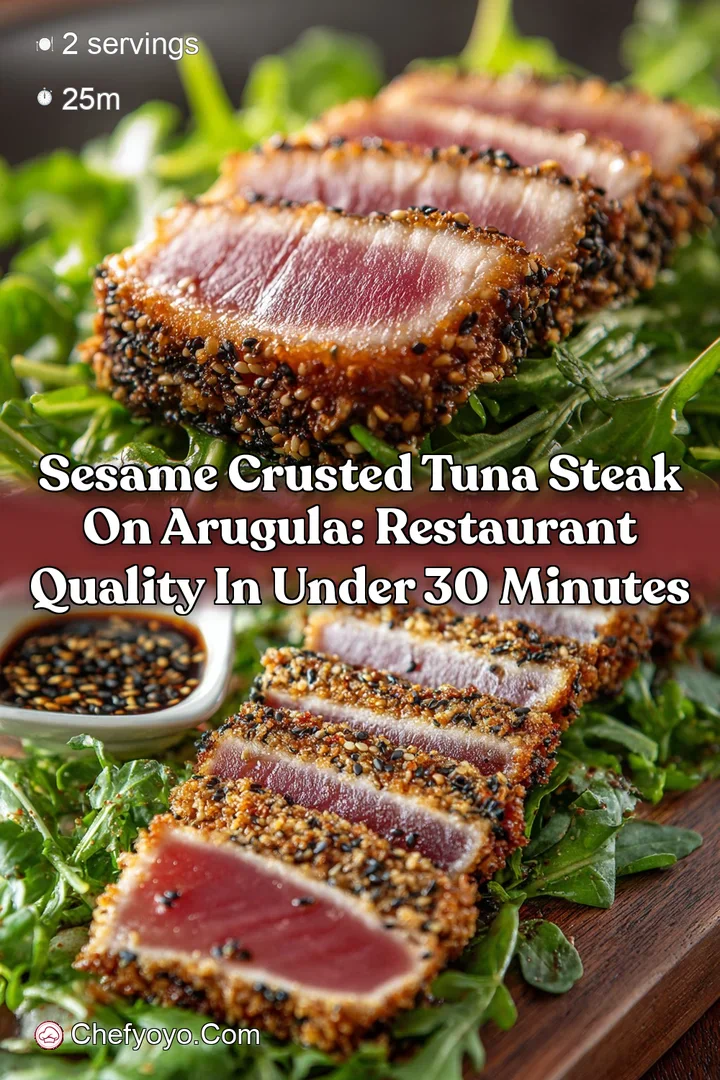
If you forget everything else, remember this: the success of this recipe lies in the contrast. You have the shatteringly crisp texture of the sesame crust against the smooth, yielding, almost buttery texture of the raw ahi tuna steak.
You want that textural surprise in every single bite.
Essential Components: Ingredients for the Perfect Sesame Crusted Tuna Steak and Salad
Sourcing Sustainable Ahi: Look for Sashimi Grade Tuna
Since we are eating the center practically raw, you absolutely must spend a little extra on high-quality tuna. Look for "Sashimi Grade" or "Sushi Grade" ahi tuna steaks; they should be bright red, firm, and odorless.
If you can’t find quality fresh tuna, please cook it through slightly longer (medium rare) or don't make the dish at all.
Optimizing the Crust: White vs. Black Sesame Seed Ratio
I love using a mix of white and black sesame seeds not just for the beautiful contrast, but because they have slightly different flavor profiles. The white seeds offer that classic, mellow nuttiness, while the black ones are often a touch more intense.
Mix them with a tiny bit of flour to help them adhere, making the best possible crust for our [Sesame Crusted Tuna].
Crafting the Zing: Fresh Ginger and Soy Sauce Selection
Please, for the love of good food, use freshly grated ginger in the dressing. The powdered stuff just won’t give you that bright, necessary zing. Low-sodium soy sauce is preferred here so you can control the saltiness better, especially since we’re also salting the tuna itself.
Ingredient Swaps for Dietary Needs (e.g., Tamari for Soy)
We all have dietary restrictions or pantry shortages sometimes, so don't stress if you need to swap something out. I once forgot rice vinegar and used apple cider vinegar instead it wasn't the same, but it worked in a pinch!
| Original Ingredient | Viable Substitute | Notes |
|---|---|---|
| Ahi Tuna Steaks | Firm Salmon Fillets (cook longer) | Must remove skin; cook to medium rare. |
| Arugula | Baby Spinach or Watercress | Spinach is milder; Watercress has a similar peppery bite. |
| Soy Sauce | Tamari or Coconut Aminos | Tamari is crucial for a great gluten-free option. |
| Rice Vinegar | White Wine Vinegar (use slightly less) | Avoid anything too aggressive like distilled white vinegar. |
| Honey | Maple Syrup or Agave | Keep the sweetness minimal to balance the acid. |
step-by-step Guide: How to Execute This Sesame Crusted Tuna Steak on Arugula Flawlessly
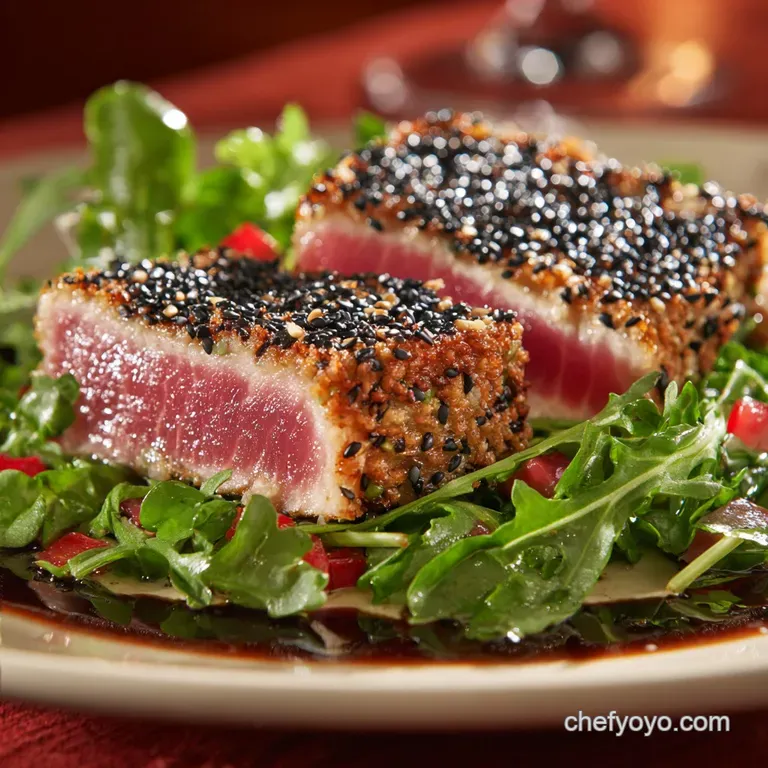
Preparing and Seasoning the Tuna Steaks for Maximum Seed Adhesion
First, take your beautiful tuna steaks and pat them down like they are the most delicate thing in the world. Removing all surface moisture is the absolute biggest secret to a successful crust. Season generously with fine sea salt and fresh black pepper.
Then, dredge the fish in the sesame seed/flour mixture, pressing firmly on all sides, including the edges, to ensure a thick, even coat.
Whisking the Soy-Ginger Dressing to Perfect Consistency
Combine your soy sauce, lime juice, vinegar, grated ginger, and sweetener in a small bowl. Give it a good whisk to dissolve the honey. Now, whisking continuously, slowly stream in the neutral oil and the toasted sesame oil until the dressing looks cohesive and slightly emulsified.
Taste it and make sure it has the required punch!
The over High heat Searing Technique: 60 Seconds Per Side for Rare Centers
Use a heavy bottomed skillet cast iron is brilliant here. Place it over high heat and add your high smoke point oil. Wait until the oil is shimmering and just starting to smoke. This heat is not optional!
Carefully place the sesame crusted tuna steaks in the pan and sear for exactly 60 to 90 seconds per side. Use tongs to sear the edges for about 30 seconds each, too.
Chef's Note: If you want that perfect raw center, you MUST hit it hard and fast. If you see the grey cooked layer creeping further than 1/4 inch in from the side, pull it immediately.
Slicing, Arranging, and Dressing the Arugula Bed
Remove the tuna and place it on a clean cutting board to rest for at least five minutes; this allows the juices to settle back into the flesh. While it rests, lightly toss the crisp arugula with a small amount of the vinaigrette. Divide the greens onto plates.
Slice the tuna against the grain into beautiful, thin slices, fan them out over the arugula, and drizzle the rest of that killer dressing over the whole plate. Serve it right away.
Expert Searing Secrets and Troubleshooting Common Tuna Mistakes
Temperature Control: Why Using High Smoke Point Oil Matters
If you use olive oil for searing, it will smoke, burn, and taste bitter before your pan is hot enough to cook the tuna correctly. You need an oil that can handle extreme heat, like grapeseed, avocado, or sunflower oil. This ensures that the seeds toast beautifully rather than burning into black specks.
The Critical Rest Period: Retaining Juices After Searing
I know it’s tempting to slice into that gorgeous fish right away, but you have to wait. When the tuna comes off the heat, the internal juices are concentrated in the center. Resting for five minutes allows those juices to redistribute throughout the steak, resulting in tender, moist slices.
If you slice too early, the juices will flood your plate, and the fish will dry out.
Troubleshooting: Why Your Sesame Crust Isn't Sticking
This always comes down to two issues: moisture or lack of pressure. Remember to pat the tuna bone dry before you season it. After seasoning, press the sesame mixture onto the steaks firmly, almost molding the seeds into the flesh.
If you skip the flour in the crust mix, sometimes you can brush the tuna lightly with an egg white before coating for extra adhesion.
Handling Leftovers: Storage and Food Safety for Seared Tuna
Refrigeration Guidelines for Cooked Ahi Tuna
Since this [Seared Tuna Salad With Arugula] is meant to be enjoyed mostly raw, consumption needs to be quick. Store any leftover sliced or whole seared tuna in an airtight container in the fridge for a maximum of 2 days. The quality, however, will decline rapidly after the first 24 hours.
The texture changes dramatically once chilled, and it will taste much more ‘cooked.’
Is Freezing Seared Tuna Recommended?
Absolutely not. Freezing seared tuna, especially if the center was intended to be rare, will destroy the texture. It turns mushy and flaky when thawed, completely losing that beautiful silky mouthfeel that makes this recipe so special. If you have leftovers, repurpose them into a sandwich the next day, maybe mixing the leftover tuna with some mayo and capers instead of making Canned Tuna Croquettes Recipe Crispy Golden UltraCreamy which usually uses canned fish.
Light Side Dishes That Complement the Soy-Ginger Vinaigrette
Because the tuna and arugula are so flavour intensive, you don't need heavy sides. A simple bowl of perfectly steamed jasmine rice is always a winner for soaking up the vinaigrette. Alternatively, some crunchy pickled carrots or a light cucumber and mint salad would provide a lovely, cooling contrast.
Enhancing the Experience: Perfect Pairings for Sesame Tuna and Arugula
If you’re hosting, skip the red wine it clashes horribly with the ginger and soy! A crisp, chilled glass of Sauvignon Blanc is the ultimate pairing. If you're feeling adventurous and love the deeper sesame flavors we've built, serving a small, sweet plate of Tahini Halva: Get the Authentic Crumbly Sesame Fudge Texture as a dessert provides a brilliant bookend to the meal. Enjoy this absolute masterpiece!
Recipe FAQs
How do I ensure my tuna steak is perfectly seared but still rare in the center?
Ensure your pan is screaming hot before adding oil, and use a high smoke point oil like grapeseed or avocado to prevent sticking and burning. Sear the tuna for only 60 to 90 seconds per side, depending on the thickness of the cut, and immediately remove it from the heat to rest.
The internal temperature of a perfectly rare center should ideally register around 115°F (46°C).
I don't have fresh tuna. Can I use another type of fish for this recipe?
Yes, you can substitute other firm, dense fish that handles high heat searing well, such as swordfish, mahi mahi, or salmon steaks. Be aware that these substitutes require slightly longer cooking times than tuna; for safety, aim for a medium doneness rather than rare for these species.
If substituting, you may need to increase the searing time by 30-60 seconds per side.
What is the best way to store leftover sesame crusted tuna?
Leftover tuna should be stored in an airtight container in the refrigerator and consumed within 2 days for optimal safety and quality. It is best to avoid reheating the tuna, as this will overcook the interior; instead, slice it thinly and enjoy it cold over a salad or incorporated into a wrap.
Freezing is not recommended as it severely degrades the texture of the rare center.
Why did my sesame seeds burn quickly, or why did they fall off the tuna while searing?
Sesame seeds burn quickly if the pan temperature is too high, so ensure the heat is high enough for searing but not smoking the oil excessively. If the seeds are falling off, the surface of your tuna steak was likely too moist; always pat the steaks extremely dry with paper towels before dipping them into the soy mixture and then coating them with seeds.
Applying a thin coating of binding agent, like Dijon mustard, before the seeds can also help.
I need this recipe to be completely gluten-free. How can I adjust the dressing?
The primary source of gluten in this recipe is the traditional soy sauce used in the vinaigrette. Easily swap regular soy sauce for Tamari, which is certified gluten-free, or use Coconut Aminos for a soy-free alternative that provides a similar savory depth.
All other ingredients in the tuna steak component and the arugula base are naturally gluten-free.
Can I make the soy-ginger vinaigrette ahead of time?
Yes, the vinaigrette is an excellent component to prepare in advance, as it benefits from the flavors having time to fully meld together. It can be stored in a sealed jar in the refrigerator for up to three days.
Before using, allow the dressing to warm slightly closer to room temperature and shake vigorously to re-emulsify the oil and vinegar components.
What is a good substitute for arugula if I prefer a less peppery green?
If you find arugula too sharp or peppery, substitute it with baby spinach or a spring mix (mesclun greens) for a milder base. Both options offer a softer texture and a neutral flavor that will still beautifully complement the richness of the tuna steak and the zingy dressing.
Alternatively, try combining half arugula with half baby kale to moderate the intense pepperiness.
Sesame Crusted Tuna Steak On Arugula
Ingredients:
Instructions:
Nutrition Facts:
| Calories | 920 kcal |
|---|---|
| Protein | 66.0 g |
| Fat | 55.1 g |
| Carbs | 36.2 g |
