Smooth Silky Cauliflower Puree Recipe
- Time: Active 10 minutes, Passive 20 minutes, Total 30 minutes
- Flavor/Texture Hook: Silky, buttery, and subtly aromatic
- Perfect for: Low carb weeknights or elegant dinner party sides
- The Ultimate Smooth Silky Cauliflower Puree Recipe
- Why This Vibrant Fusion Works
- Essential Preparation and Cooking Metrics
- Selecting Your Essential Puree Ingredients
- Tools for Achieving Velvety Texture
- Step-By-Step Simmering and Blending
- Troubleshooting Your Smooth Vegetable Mash
- Innovative Flavor Variations to Explore
- Storing and Reheating Your Leftovers
- Perfect Side Dish Pairing Inspiration
- Recipe FAQs
- 📝 Recipe Card
The Ultimate Smooth Silky Cauliflower Puree Recipe
I remember the first time I served this to my dad, a man who considers "vegetable" a four letter word. He took a bite, paused, and asked how I got the mashed potatoes so light and "fancy" tasting.
When I told him there wasn't a single potato in the bowl, he didn't believe me until I showed him the discarded cauliflower core in the bin. That was the moment I realized this recipe isn't just a side dish, it's a total perspective shifter.
There is something about the way cauliflower transforms when it simmers in a bath of milk and stock. The kitchen fills with this clean, slightly sweet aroma that completely replaces that "cabbagey" smell people often complain about.
It feels innovative because you are taking a humble, cruciferous vegetable and turning it into something that looks like it belongs in a Michelin starred restaurant.
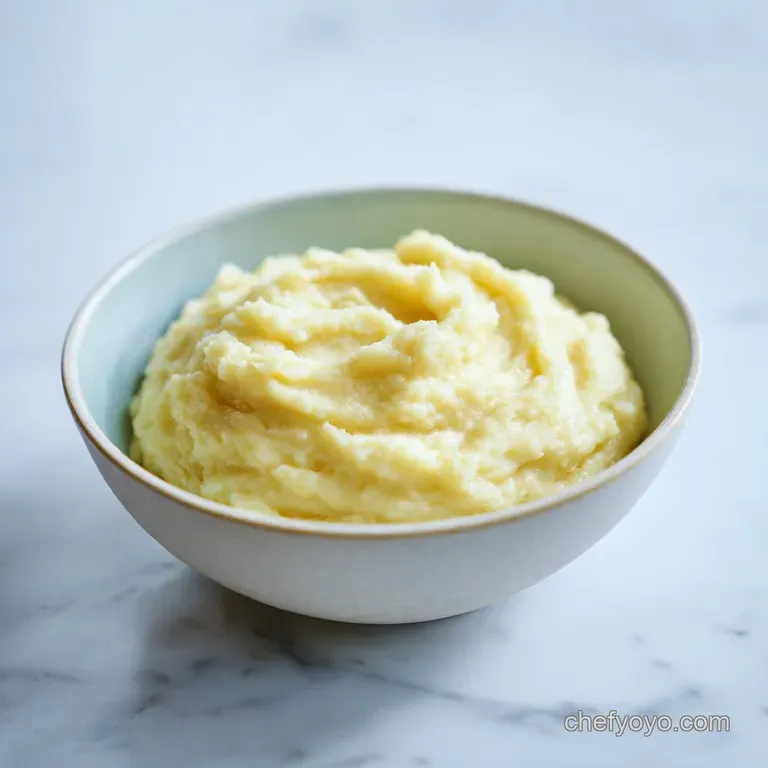
We have all had those grainy, watery vegetable mashes that just feel like a compromise. This smooth silky cauliflower puree recipe is the exact opposite. It is thick enough to hold its shape on a plate but smooth enough to feel like silk on your tongue.
We are going to achieve that by focusing on the balance of fats and the science of how we break down the plant fibers.
Why This Vibrant Fusion Works
The secret to a truly smooth silky cauliflower puree recipe lies in the gentle poaching method rather than steaming or roasting. By simmering the florets directly in liquid, we saturate the fibers with flavor while preventing the edges from browning, which would introduce grit and a bitter aftertaste.
- Albumin Shield: The proteins in the 250 ml whole milk coat the cauliflower, neutralizing the sulfurous compounds that can sometimes make cooked brassicas smell pungent.
- Cellulose Breakdown: Simmering in 500 ml stock softens the rigid cell walls of the cauliflower florets more evenly than dry heat, ensuring every bite is uniformly tender.
- Cold Fat Emulsion: Adding 45g cold butter at the very end creates a stable emulsion with the vegetable starch, resulting in a glossy, velvety sheen rather than a greasy finish.
- Flavor Synergy: Using white pepper instead of black maintains the pristine ivory color while providing a sharp, floral heat that cuts through the richness of the butter.
The balance of the liquid to solid ratio here is vital for getting that restaurant quality finish without it turning into soup. If you love playing with these types of textures, you might notice the technique is very similar to how we build the base for a Garlic Parmesan Sauce recipe. It is all about managing the moisture and fat to create that luxurious mouthfeel we crave.
| Method | Texture Result | Best For | Cooking Time |
|---|---|---|---|
| Fresh Florets | Ultra silky, clean flavor | Elegant dinner parties | 20 minutes |
| Frozen Florets | Slightly softer, milder | Quick weeknight meals | 15 minutes |
| Roasted Base | Nutty, denser, tan color | Hearty winter roasts | 40 minutes |
While fresh cauliflower is my go to for the cleanest look, don't sleep on frozen florets if you are in a rush. They are often flash frozen at peak ripeness, meaning they break down beautifully, though they might release a bit more water during the simmering process.
Essential Preparation and Cooking Metrics
Before you start chopping, let's talk about the specs. You are looking for a large head of cauliflower, roughly 800g. If yours is significantly bigger or smaller, you will need to adjust your liquids. The goal is to have the liquid just barely covering the florets in the pot.
The Mechanics of Softening Cellulose
Cauliflower is packed with pectin and cellulose, which give it that signature crunch when raw. To get a puree that actually feels like silk, we have to fully compromise those structures. Simmering in a mix of 500 ml stock and 250 ml milk provides a gentle, consistent heat.
The stock adds a savory backbone, while the milk provides the sugars and fats needed to round out the flavor profile.
Mastering the Fat Emulsion
The 45g unsalted butter needs to be cold when it hits the hot puree. This is a classic French technique. As the cold butter melts into the hot vegetable mixture while the blades are spinning, the fat globules are broken down into tiny droplets that stay suspended in the liquid.
If the butter is warm or melted, it is more likely to separate, leaving you with a greasy film on top of your mash.
| Component | Science Role | Pro Secret |
|---|---|---|
| 800g Cauliflower | Structural base | Cut florets into equal sizes for even softening. |
| 250 ml Whole Milk | Protein buffer | Prevents "cabbage" smell by binding sulfur compounds. |
| 45g Cold Butter | Emulsifying agent | Use cold cubes to create a glossy, stable texture. |
Using cold butter also helps regulate the final temperature of the puree, allowing you to serve it immediately without it being scalding hot. This stability is the difference between a side dish and a culinary highlight.
Selecting Your Essential Puree Ingredients
Choosing the right ingredients is the first step toward success. Don't just grab any head of cauliflower; look for one that feels heavy for its size and has tightly closed florets with no brown spots.
- 800g Cauliflower (1 large head): Why this? Provides the body and natural sweetness for the puree.
- Substitute: Frozen florets (equal weight), but reduce stock by 50ml.
- 10g Garlic (2 cloves, smashed): Why this? Infuses the simmering liquid with a mellow, aromatic depth.
- Substitute: 1/2 tsp garlic powder added during the blending phase.
- 500 ml Vegetable or Chicken Stock: Why this? Adds umami and seasoning from the inside out.
- Substitute: Water with a bouillon cube, though it may taste less complex.
- 250 ml Whole Milk: Why this? Essential for the creamy white color and neutralizing bitterness.
- Substitute: Unsweetened almond or cashew milk for a dairy-free version.
- 45g Unsalted Butter (cold and cubed): Why this? Creates the luxurious, silky mouthfeel through emulsion.
- Substitute: 3 tbsp high-quality olive oil for a lighter finish.
- 5g Fine Sea Salt: Why this? Sharpens the flavors and draws out the cauliflower's sweetness.
- Substitute: Kosher salt (use 1.5x the volume).
- 1g White Pepper: Why this? Adds heat without the black specks, keeping the puree pristine.
- Substitute: Ground black pepper if you don't mind the visual dots.
- 2g Fresh Thyme Leaves: Why this? Adds a subtle, woody fragrance that complements the butter.
- Substitute: 1/2 tsp dried thyme, but simmer it with the liquid.
Tools for Achieving Velvety Texture
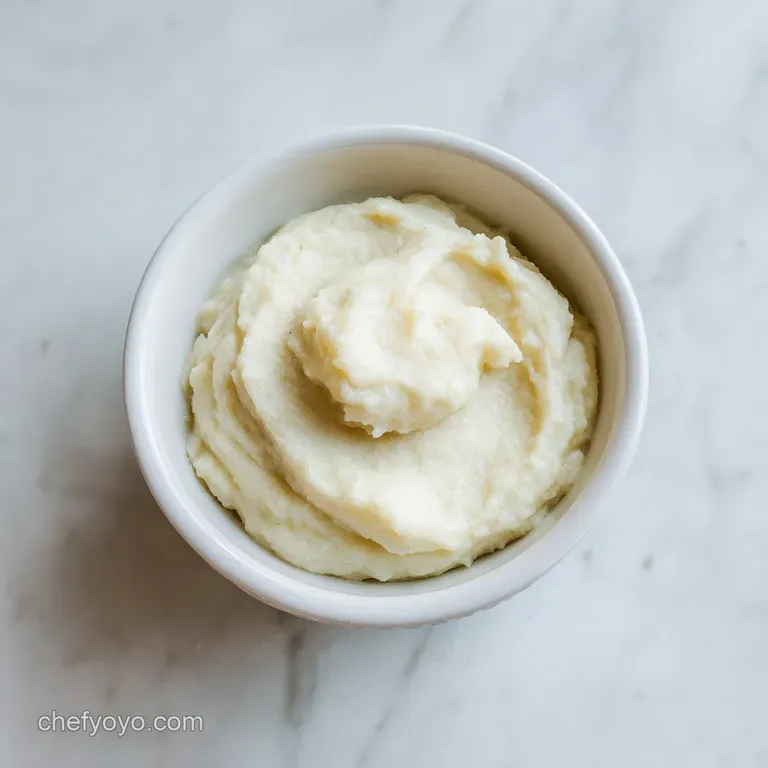
You don't need a professional kitchen, but a high speed blender is your best friend here. A food processor will get you close, but for that truly "shatter smooth" finish, the higher RPMs of a blender make all the difference.
If you are using a stick blender (immersion blender), make sure you use a deep, narrow vessel. This helps the blades create a vortex, pulling all the florets through the blades repeatedly. This is a trick I learned when making my Foolproof Cheesy Potatoes recipe where texture is everything.
Chef Tip: Freeze your butter for 10 minutes before cubing it. The colder it is, the more effectively it will emulsify into the hot cauliflower, creating a much more stable and glossy puree.
step-by-step Simmering and Blending
Let's get cooking. The smell of the thyme and garlic as the stock begins to steam is one of my favorite parts of this process. It's clean, earthy, and promising.
- Prepare the vegetable. Cut the 800g cauliflower into small, uniform florets. Note: Small pieces cook faster and more evenly than large chunks.
- Combine ingredients. Place the florets, 10g smashed garlic, 500 ml stock, and 250 ml milk in a large saucepan.
- Simmer the mixture. Bring to a gentle boil over medium high heat, then reduce to medium low and simmer for 20 minutes until the florets are completely soft when pierced with a fork.
- Drain and save. Carefully drain the cauliflower into a colander, but make sure to save at least 1 cup of the cooking liquid.
- Start the blend. Transfer the hot cauliflower and garlic to your blender. Note: Do not add the liquid yet; we want to see the consistency first.
- Add the aromatics. Add the 5g salt, 1g white pepper, and 2g minced thyme leaves to the blender.
- Emulsify the fat. Start blending on low speed, then gradually drop in the 45g cold cubed butter one piece at a time.
- Adjust the consistency. If the puree is too thick, add the saved cooking liquid 1 tablespoon at a time until it looks glossy and ripples like heavy cream.
- Final aeration. Turn the blender to high speed for 30 seconds to aerate the mixture.
- Serve immediately. Taste for salt and spoon onto plates while the aroma is at its peak.
Troubleshooting Your Smooth Vegetable Mash
Even with the best intentions, things can go sideways. The most common issue I see is a puree that feels "thin" or "watery." This usually happens if you didn't drain the cauliflower well enough or if you added too much liquid back in too quickly.
Why Your Puree is Runny
If your mash is looking more like a soup, it is likely because the cauliflower retained too much of the poaching liquid. To fix this, you can return the puree to a wide skillet and cook it over medium heat for 3-5 minutes, stirring constantly.
This allows the excess moisture to evaporate, tightening the texture without losing that silky finish.
Eliminating Grittiness
Grittiness usually comes from undercooked cauliflower or a blender that isn't quite powerful enough. Always make sure the florets are "falling apart" tender before you stop simmering. If it's already blended and still grainy, try passing the entire mixture through a fine mesh sieve (chinois) using the back of a ladle.
It's an extra step, but it guarantees perfection.
| Problem | Root Cause | Solution |
|---|---|---|
| Watery Puree | Excess cooking liquid | Simmer in a skillet to evaporate moisture. |
| Grayish Color | Overcooked garlic or black pepper | Use white pepper and remove garlic before blending if preferred. |
| Grainy Texture | Undercooked cauliflower | Pass the puree through a fine mesh sieve. |
To avoid these issues entirely, follow this checklist before you even turn on the stove: ✓ Cut florets to 1 inch sizes to ensure they cook at the same rate. ✓ Test the tenderness with a knife; it should slide through like butter.
✓ Never discard all the cooking liquid until you are happy with the texture. ✓ Keep the blender lid slightly ajar (with a towel over it) to let steam escape while blending. ✓ Taste and season at the very end, as flavors concentrate when moisture evaporates.
Innovative Flavor Variations to Explore
Once you have mastered the base smooth silky cauliflower puree recipe, you can start having some fun with it. I love a roasted cauliflower puree for a deeper, more caramelized flavor.
To do this, toss the florets in oil and roast at 400°F (200°C) until golden brown before simmering them in half the usual amount of liquid.
For a vegan and dairy-free swap, replace the milk with full fat coconut milk. It adds a subtle tropical note that works incredibly well with spicy main dishes. Instead of butter, use a high-quality extra virgin olive oil. It won't be quite as "fluffy," but the flavor is vibrant and sophisticated.
If you want to go the "surf and turf" route, try folding in some lemon zest and a pinch of saffron. This version is absolutely stunning when served under seared scallops or a piece of crispy skinned sea bass. The yellow hue from the saffron makes the dish look like liquid sunshine on the plate.
Storing and Reheating Your Leftovers
This puree stores surprisingly well. Keep it in an airtight container in the fridge for up to 3 days. When you are ready to eat, don't just microwave it on high power, or it might separate. Reheat it in a small saucepan over low heat, adding a splash of milk or stock to loosen it back up.
You can also freeze this recipe for up to 2 months. The texture might change slightly upon thawing, becoming a bit more watery. The trick is to give it a quick 30 second whirl in the blender once it's hot again. This re emulsifies the fats and brings back that "just made" silky texture.
For zero waste, don't throw away the cauliflower leaves or stems! The stems can be sliced thin and simmered right along with the florets. The leaves can be tossed in olive oil and salt, then roasted until they shatter like chips they make a fantastic, crunchy garnish for the top of your puree.
Perfect Side Dish Pairing Inspiration
This puree is the ultimate chameleon. It sits beautifully under a piece of pan seared steak, soaking up all those juices, but it is also delicate enough to serve with poached poultry.
I often use it as a base for roasted root vegetables to create a "textures of veg" plate that looks way more complicated than it actually is.
If you are going for a classic comfort meal, this puree pairs perfectly with a Country Gravy Recipe. The peppery notes of the gravy dance really well with the subtle thyme in the cauliflower. It’s a lower carb way to get that "biscuits and gravy" soul satisfying feeling without the heavy starch.
Don't be afraid to use it as a dip, either! A chilled version of this puree, topped with a drizzle of brown butter and some toasted hazelnuts, is an incredible addition to a mezze platter. It's innovative, balanced, and always the first thing to disappear at my house.
Trust me, once you go silky, you'll never go back to basic mash again.
Recipe FAQs
Can I use frozen cauliflower florets instead of fresh?
Yes, but monitor the liquid. Frozen cauliflower releases more moisture during simmering, so slightly reduce the initial stock volume to prevent a watery puree.
What is the secret to achieving a truly silky, non-grainy texture?
Add cold butter slowly while blending on high speed. This creates a stable fat emulsion with the hot vegetable starch, resulting in a glossy finish rather than separation or grit.
How do I stop the cauliflower from smelling sulphurous or "cabbagey"?
Simmer it in whole milk, not just water. The proteins in the milk coat the cauliflower, neutralizing the volatile sulfur compounds as they cook.
How to prevent the puree from tasting bland?
Season aggressively with salt and use flavorful stock. The vegetable absorbs seasoning as it cooks, so the final product should taste well seasoned after blending.
Why did my puree separate and look oily after blending?
False. This is a common emulsification error. The butter was likely too warm when added, causing it to melt rather than suspend in the puree.
Can I substitute the dairy milk or butter for a vegan version?
Yes, substitute with full fat coconut milk and olive oil. While the texture will change slightly, using high fat coconut milk mimics the richness of cream, similar to how we manage fats in our Classic FrenchStyle Homemade recipe.
What is the best tool to ensure maximum smoothness?
Use a high speed blender. The high RPMs create the necessary vortex action to fully break down all the cellulose fibers for a velvety result.
Silky Cauliflower Puree Recipe
Ingredients:
Instructions:
Nutrition Facts:
| Calories | 144 kcal |
|---|---|
| Protein | 4.8 g |
| Fat | 10.3 g |
| Carbs | 10.8 g |
| Fiber | 3.8 g |
| Sugar | 4.2 g |
| Sodium | 520 mg |
