Simple Hotcake Recipe
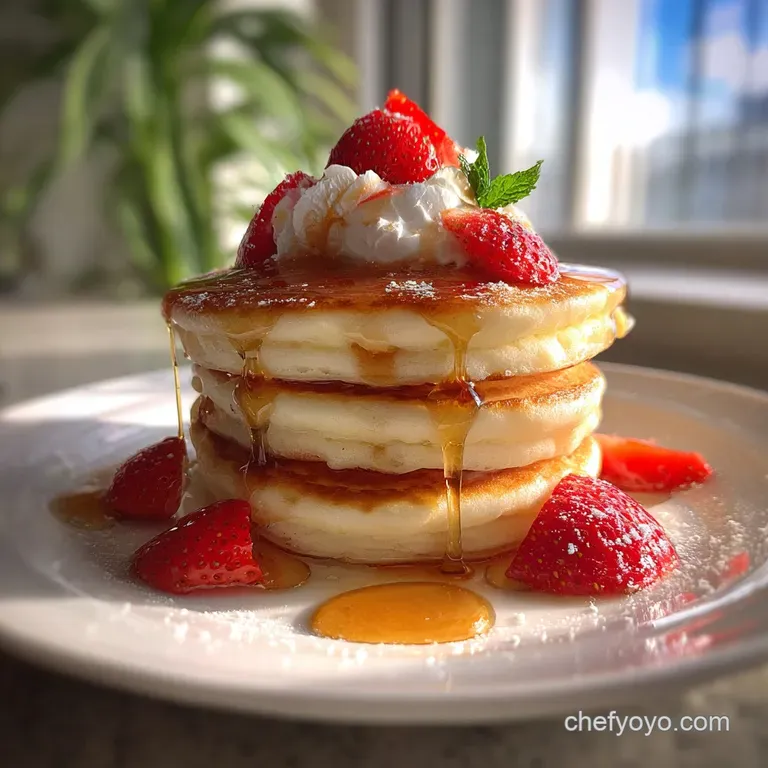
- Time: Active 5 minutes, Passive 10 minutes, Total 15 minutes
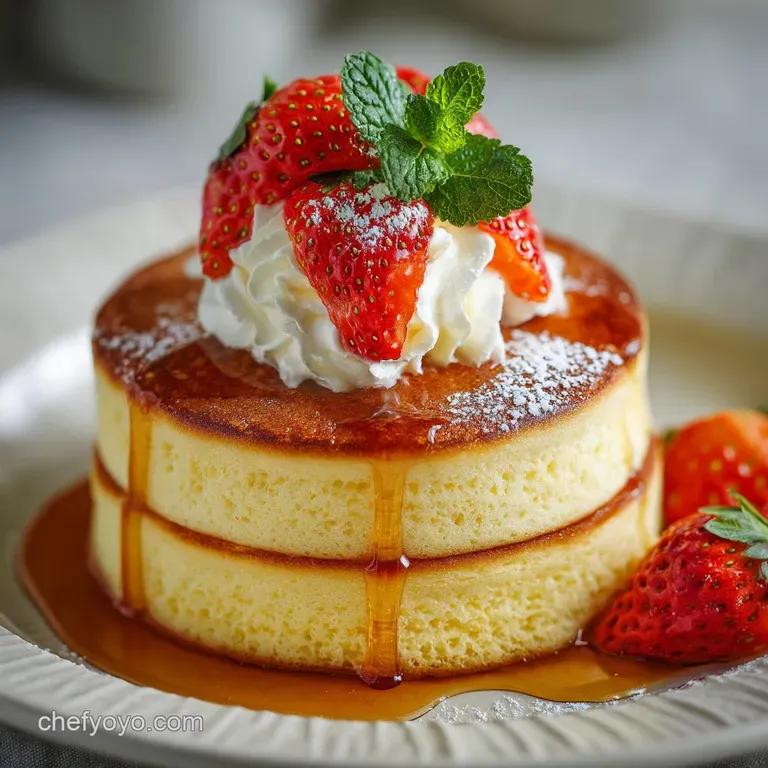
- Flavor/Texture Hook: Silky, cake like crumb with a hint of vanilla and a golden brown finish
- Perfect for: Lazy weekend mornings, Budget-friendly meal prep, or a quick late night snack
- Achieving Breakfast Bliss: Simple Hotcake Recipe
- Crucial Recipe Specs and Measurements
- Ingredient Deep Dive and Analysis
- Essential Equipment for Fluffy Results
- Master the Step-by-Step Instructions
- Navigating Pro Tips and Pitfalls
- Creative Twists and Budget Swaps
- Efficient Storage and Keeping Fresh
- Presentation Tips for Warming Results
- Recipe FAQs
- 📝 Recipe Card
Achieving Breakfast Bliss: Simple Hotcake Recipe
I remember the first time I tried to make breakfast for my family from scratch. I was ten, and I thought the higher the heat, the faster we’d eat. I ended up with a plate of what looked like charcoal hockey pucks that were still liquid goo on the inside.
It was a mess, but it taught me my very first lesson in the kitchen: heat management is everything. Since then, I've spent years tweaking this simple hotcake recipe to make sure it works every single time, even if you’re cooking on a budget or using a temperamental stove.
There is something deeply comforting about the sound of batter hitting a hot, oiled pan. That initial sizzle is the promise of a good morning. This version is better than the boxed stuff because we control the quality.
We use powdered milk for a specific richness and a tiny bit of oil instead of butter in the batter to keep the crumb tender and moist. You don't need fancy equipment or expensive imports here. Just a bowl, a whisk, and a little patience.
We are going to focus on getting that specific texture you see in classic Pinoy street style hotcakes or traditional American diners. It’s about that lift, the color, and the way the syrup pools in the little nooks and crannies. Right then, let’s get into why this science works so well.
The Science of Why it Works
Leavening Activation: The baking powder reacts twice, first when it hits the milk and again when it meets the heat of the pan, creating carbon dioxide bubbles. Protein Denaturation: The egg proteins uncoil and reform around these air bubbles as they cook, providing the structural "walls" that keep your hotcakes from collapsing.
| Method | Time | Texture | Best For |
|---|---|---|---|
| Stovetop | 10 mins | Crispy edges, varied color | Quick weeknight cravings |
| Oven (Sheet Pan) | 15 mins | Uniform, soft, cake like | Feeding a large crowd at once |
Choosing between the stovetop and the oven really comes down to how many people are hovering in your kitchen. I usually stick to the stovetop because I love watching the bubbles pop, but the oven method is a lifesaver when you don't want to stand over a pan for half an hour.
Crucial Recipe Specs and Measurements
One thing I've learned the hard way is that baking, even simple stovetop baking, loves precision. We’re using 250g of all purpose flour here. If you don't have a scale, that's roughly 2 cups, but try not to pack the flour into the cup. Just scoop it gently.
This prevents the hotcakes from becoming dense and bread like. We also use 355ml of whole milk, which provides the fat needed for a velvety mouthfeel.
If you’re cooking for a smaller crowd, halving this recipe is easy. Just beat the egg in a small cup first, then pour out half. Don't try to use a whole egg for a half batch, or you'll end up with something closer to an omelet than a hotcake.
For doubling the recipe, I recommend keeping your spices and salt at 1.5x rather than a full 2x to keep the flavors balanced.
Why is Texture So Airy?
The secret to that airy, light as-a cloud texture is the 15g of baking powder. It seems like a lot, but it’s necessary to lift the 250g of flour. When those bubbles form, they create a honeycomb structure inside the batter.
If you stir too much after adding the liquid, you’ll pop those bubbles and end up with a flat, rubbery disc.
Why Does Resting Matter?
I always tell my friends to let the batter rest for at least 5 minutes. This gives the flour time to fully hydrate. It also allows the gluten, which we agitated during mixing, to relax. A relaxed batter means a tender hotcake that melts in your mouth rather than resisting your fork.
Ingredient Deep Dive and Analysis
I’m a huge fan of using what you have. This recipe is designed to be budget smart. We use 15g of powdered milk in addition to the liquid milk. Why? Because powdered milk contains toasted milk solids that add a depth of flavor you can't get from liquid milk alone.
It’s a trick I learned from professional bakers to make everything taste "premium" without the premium price tag.
| Ingredient | Science Role | Pro Secret |
|---|---|---|
| All purpose Flour | Provides gluten structure | Sift it to avoid stubborn lumps |
| Vegetable Oil | Inhibits gluten bonds | Use a neutral oil like canola |
| Sugar (Granulated) | Aids in caramelization | Don't skip it; it helps browning |
Using 3 tbsp of vegetable oil instead of melted butter in the batter is a deliberate choice. Oil stays liquid at room temperature, which means your leftovers (if you have any!) will stay soft and won't turn into bricks in the fridge. It’s also much cheaper than butter these days.
The Dry Ingredient Base
The foundation is our flour, sugar, salt, and baking powder. I like to whisk these together thoroughly before any liquid touches the bowl. This ensures the baking powder is evenly distributed. There’s nothing worse than taking a bite and hitting a bitter clump of leavening agent.
The Liquid Ingredient Mix
We mix the milk, egg, oil, and vanilla extract separately. If you want that classic yellow look, add your 2 drops of food coloring here. This is very common in traditional Pinoy hotcakes. It makes them look sunnier and more appetizing on a rainy morning.
Essential Equipment for Fluffy Results
You don't need a high end griddle. A simple non stick pan or a well seasoned cast iron skillet works wonders. I personally love my cast iron because it holds heat so well. Once it gets hot, it stays hot, giving you that beautiful, even "Maillard reaction" (that's the fancy word for browning) across the entire surface.
Chef Tip: Freeze your vegetable oil for 10 minutes before measuring if you’re working in a very hot kitchen. This keeps the fat from integrating too quickly, creating tiny pockets of steam that help the hotcakes rise even higher.
If you're looking for a perfect side to balance the sweetness, a savory Country Gravy Recipe over some biscuits is a classic pairing that turns breakfast into a feast. The pepperiness of the gravy cuts through the sugar of the hotcakes beautifully.
Phase 1: One Bowl Mixing
When you pour the wet into the dry, use a light hand. I use a whisk at first just to break up the large clumps, then I switch to a silicone spatula to fold everything together. Stop the moment you see no more dry flour streaks. A few lumps are actually your friend here.
Phase 2: The Sizzle
Drop a tiny bit of water on your pan. If it dances and evaporates instantly, you’re ready. I use about a 1/4 cup measure to pour the batter so every hotcake is the same size. This ensures they all cook at the same rate, which is a massive time saver.
Master the step-by-step Instructions
- Whisk dry goods. Combine your flour, sugar, baking powder, salt, and powdered milk in a large bowl. Note: Whisking aerates the flour for a lighter lift.
- Mix wet ingredients. In a separate jug, blend the milk, egg, oil, vanilla, and food coloring. until the egg is fully incorporated.
- Combine gently. Pour the wet mixture into the dry bowl. Use a spatula to fold. until just combined with small lumps remaining.
- Rest the batter. Let the bowl sit on the counter for 5 to 10 minutes. Note: This hydrates the flour and relaxes the gluten.
- Preheat your pan. Set your stove to medium low. Add a tiny drop of oil and wipe it around with a paper towel.
- Pour the batter. Use a 1/4 cup measure to drop batter onto the hot surface. until you see bubbles forming and popping on the surface.
- The first flip. Slide a thin spatula under the edge. If it’s golden, flip it in one smooth motion. until the underside is equally browned.
- Test for doneness. Press the center lightly. It should spring back. until it no longer feels squishy or liquid.
- Repeat the process. Continue with the remaining batter, adjusting the heat if the pan gets too hot.
- Keep them warm. Place finished hotcakes on a wire rack in a low oven (90°C) to stay crispy.
Cooking these is a sensory experience. You’ll smell the vanilla long before the hotcake is ready to flip. Listen for the sizzle; if it’s too loud, your heat is too high. If it’s silent, your pan isn't hot enough.
Navigating Pro Tips and Pitfalls
The biggest mistake I see people make is flipping too early. You have to wait for those bubbles. Not just a few bubbles, but bubbles that actually pop and leave behind a little "crater" that doesn't fill back in. That’s the signal that the structure has set enough to survive the flip.
Why Are Cakes Flat?
If your hotcakes look like crepes, your baking powder might be expired. You can test it by putting a teaspoon of baking powder into a cup of hot water. If it doesn't fizz aggressively, throw it out and buy a new tin. Also, check your mixing.
If you whisked it until it was perfectly smooth, you’ve likely knocked out all the air.
Is the Center Raw?
This happens when the heat is too high. The outside browns (or burns) before the heat can penetrate the center. If you see this happening, take the pan off the heat for a minute to cool it down, then return it to the stove on a lower setting.
| Problem | Root Cause | Solution |
|---|---|---|
| Tough texture | Overmixing the batter | Mix until just combined; leave lumps |
| Uneven browning | Pan not heated evenly | Use a heavy bottomed pan or cast iron |
| Greasy finish | Too much oil in the pan | Wipe the pan with an oily paper towel only |
Common Mistakes Checklist
- ✓ Don't use a cold egg; it can seize the oil in the batter
- ✓ Never press down on the hotcake with your spatula after flipping
- ✓ Avoid using butter for the pan frying; it burns too quickly (use oil)
- ✓ Don't overcrowd the pan; leave space for the spatula to move
- ✓ Ensure your baking powder is less than six months old for max lift
Creative Twists and Budget Swaps
You don't need fancy toppings to make this special. I often serve these with a side of Crockpot Applesauce recipe which is incredibly cheap to make in bulk. The tartness of the apples replaces the need for expensive maple syrup and adds a lovely seasonal vibe to the meal.
| Original Ingredient | Substitute | Why It Works |
|---|---|---|
| Whole Milk | Water + extra oil | Budget friendly. Note: Slightly less rich but still very fluffy |
| Granulated Sugar | Brown Sugar | Adds a molasses, caramel like depth to the crumb |
| Vegetable Oil | Melted Shortening | Provides a very tender, "short" crumb similar to biscuits |
Using Yeast Instead
If you want a truly old school flavor, you can make a hotcake recipe with yeast. Replace the baking powder with 1 tsp of active dry yeast. You’ll need to let the batter rise for an hour until bubbly. This results in a slightly tangy, bread like texture that is absolutely divine with honey.
Going dairy-free
This recipe is very forgiving. You can swap the milk for soy or almond milk 1:1. Since we already use oil instead of butter, it’s a very easy transition. Just omit the powdered milk or use a coconut milk powder if you have it on hand for that extra fat content.
Efficient Storage and Keeping Fresh
These hotcakes are fantastic for meal prep. I usually make a double batch on Sunday and keep them in the fridge. They stay fresh for up to 4 days if stored in an airtight container. To prevent them from sticking together, place a small piece of parchment paper or wax paper between each cake.
For freezing, lay them out on a baking sheet in a single layer and freeze for 2 hours. Once they are "flash frozen" and hard, you can toss them into a freezer bag. They’ll stay good for 2 months. To reheat, I actually recommend using a toaster.
It brings back that slight exterior crunch while keeping the inside soft.
Zero waste tip: If you have leftover batter that you can't cook right away, don't throw it out! It will keep in the fridge for 24 hours. The baking powder will lose some of its punch, so just whisk in a tiny pinch of fresh baking powder before cooking the next morning to bring back the fluff.
Presentation Tips for Warming Results
Presentation doesn't have to be expensive. A simple dusting of powdered sugar through a mesh strainer makes these look like they came from a high end cafe. I also love stacking them high it keeps the heat trapped in the bottom layers so everyone gets a warm meal.
Pinoy Style Hotcakes
To get that authentic "Pinoy style" look, make sure you use the yellow food coloring and serve them with a simple pat of margarine and a generous sprinkle of white sugar on top. There is no syrup needed for this version; the sugar granules provide a lovely crunch against the soft cake.
Getting Perfectly Round Cakes
If you’re a perfectionist, use a squeeze bottle to dispense the batter. Start in the center and spiral outward. This gives you total control over the shape. Alternatively, you can use greased metal biscuit cutters placed directly in the pan to act as molds, though that's a bit more work than I usually want to do on a Saturday morning!
We’ve covered the science, the budget swaps, and the common pitfalls. The most important thing is to enjoy the process. Cooking shouldn't be stressful, especially not breakfast. Trust your senses, watch for those bubbles, and remember that even the "ugly" first hotcake tastes just as good as the rest.
Happy cooking!
Frequently Asked Questions
Why is my hotcake batter so thick?
The thickness of the batter usually depends on how you measured your flour. If you packed it into the cup, you might have used more than 250g. You can easily fix this by whisking in an extra tablespoon of milk at a time until it reaches a pourable, but still thick, consistency.
Can I use olive oil instead of vegetable oil?
You can, but be aware that extra virgin olive oil has a very strong flavor that might overpower the vanilla. If you must use olive oil, go for a "light" or "refined" version which has a more neutral taste and a higher smoke point.
Why are my hotcakes sticking even though I'm using a non stick pan?
This usually happens if the pan wasn't fully clean or if the heat was too high, causing the sugars to burn and stick. Ensure you start with a clean pan and use a very light coating of oil. Even non stick pans benefit from a tiny bit of fat to help with release and browning.
How do I make these without eggs?
You can replace the one large egg with a "flax egg" (1 tbsp ground flaxseed mixed with 3 tbsp water) or 1/4 cup of plain yogurt. The texture will be slightly denser, but the flavor will still be excellent. Yogurt actually adds a nice tang that mimics buttermilk.
Can I add mix ins like blueberries or chocolate chips?
Absolutely! The best way to do this is to pour the batter onto the pan first, then sprinkle the mix ins on top before the first flip. This prevents the fruit or chocolate from sinking to the bottom of the bowl and ensures even distribution in every cake.
Recipe FAQs
How do you make a simple pancake?
Whisk dry ingredients, combine with wet, then cook on a griddle. Combine flour, sugar, baking powder, and salt. Mix milk, egg, and oil separately. Pour wet into dry, mixing until just combined. Cook in a preheated, lightly oiled pan until bubbles form, then flip and cook the other side.
How to make pancakes with 3 ingredients?
Mix eggs, milk, and flour, then cook. The most common 3-ingredient pancake uses 1 cup flour, 1 cup milk, and 1 egg. Whisk them together until just combined, then cook as you would any other pancake. For a slightly richer texture, you can use milk and eggs as your liquid base, and just flour.
What's the difference between a hotcake and a pancake?
There is no significant difference; the terms are interchangeable. "Hotcake" is an older, more regional term for what is commonly known today as a pancake. Both refer to a flat, round cake made from batter and cooked on a hot surface.
What are the 4 ingredient pancakes?
Typically, it's eggs, milk, flour, and a leavening agent like baking powder. A common 4-ingredient recipe uses 1 cup flour, 1 cup milk, 1 egg, and 2 teaspoons of baking powder. This combination provides the basic structure, moisture, and lift for a fluffy pancake.
Why are my hotcakes so tough?
You likely overmixed the batter, developing too much gluten. Mix the wet and dry ingredients until they are just combined, and don't worry if there are a few small lumps. Overmixing activates the gluten in the flour, leading to a tougher, chewier texture.
Can I make hotcakes dairy-free?
Yes, easily. Swap the milk for a plant based alternative. You can use almond, soy, or oat milk in place of dairy milk at a 1:1 ratio. Since this recipe already uses oil instead of butter in the batter, the transition to dairy-free is quite straightforward, much like making a dairy-free Chocolate Mousse.
What's the best way to keep hotcakes warm?
Place them on a wire rack in a low oven. Transfer cooked hotcakes to a wire rack set over a baking sheet and place in an oven preheated to around 90°C (200°F). This allows air to circulate, preventing them from becoming soggy while staying warm.
Simple Hotcake Recipe
Ingredients:
Instructions:
Nutrition Facts:
| Calories | 185 kcal |
|---|---|
| Protein | 4.7 g |
| Fat | 6.5 g |
| Carbs | 26.4 g |
| Fiber | 0.7 g |
| Sugar | 6.8 g |
| Sodium | 215 mg |
