Southern Candied Yams Recipe with Brown Sugar Glaze
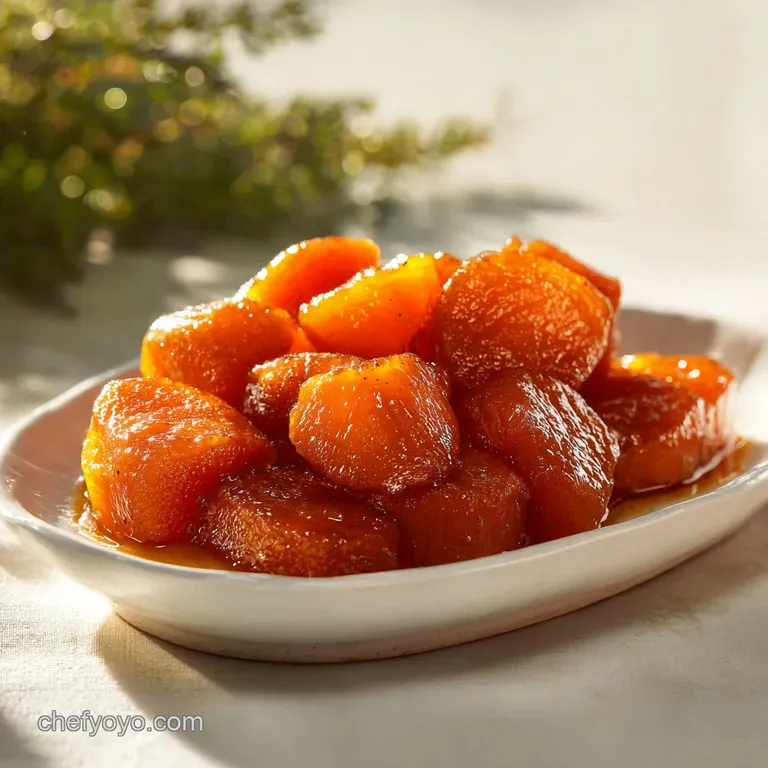
- Time: Active 20 minutes, Passive 1 hours, Total 1 hours 20 mins
- Flavor/Texture Hook: Velvety, syrupy, and tender
- Perfect for: Holiday feasts, Sunday roasts, or beginner friendly holiday sides
- Vibrant Citrus Southern Candied Yams Recipe
- Science of the Velvety Glaze
- Component Analysis of the Glaze
- Selecting Elements for Magic
- Professional Tools for Flawless Bake
- Step Guide to Glossy Finish
- Fixing Common Glazing Mistakes
- Personalizing Your Yam Dish
- Maintaining Texture During Reheating
- Innovative Ideas for Pairings
- Recipe FAQs
- 📝 Recipe Card
Vibrant Citrus Southern Candied Yams Recipe
The scent hits you before you even open the oven door. It starts as a faint whisper of warm cinnamon and toasted nutmeg, but as the clock ticks past the forty minute mark, it turns into a heavy, intoxicating cloud of bubbling brown sugar and bright orange zest.
There is something primal about that sizzle in the pan, the sound of butter and sugar fusing into a thick, mahogany syrup that clings to every orange slice of potato.
I remember the first time I tried to make a candied yams recipe for a big family gathering. I followed an old recipe that called for bags of marshmallows, and the result was a cloying, sticky mess that masked the actual flavor of the potatoes.
I wanted something better, something where the sweetness felt intentional and the texture was buttery rather than just sugary. This version is the result of years of tinkering with citrus ratios and spice blends to find that harmony.
We are going for a texture that is almost fondant like, where the edges of the potatoes soften into the glaze while the centers remain buttery and substantial. You won't find any watery syrup here.
By the time we're done, the sauce will be thick enough to coat the back of a spoon, and the potatoes will have absorbed all those vibrant, spicy notes. It's a total shift from the cafeteria style yams you might be used to, and honestly, you'll never go back to the marshmallow topper again.
Science of the Velvety Glaze
Osmotic Draw: The high concentration of sugar and salt pulls moisture out of the potato cells, which then mixes with the butter to create a self basting syrup.
Pectin Management: The acidity from the orange juice concentrate prevents the potato starches from breaking down too quickly, ensuring the slices stay intact rather than turning into mush.
Maillard Synergy: The molasses in the dark brown sugar reacts with the amino acids in the potatoes under heat, creating complex, savory sweet flavor compounds.
| Cooking Method | Total Time | Resulting Texture | Best For |
|---|---|---|---|
| Oven Roast | 1 hours 20 mins | Caramelized edges, thick syrup | Achieving a deep, dark glaze |
| Stovetop Simmer | 45 minutes | Uniformly soft, lighter syrup | Quick weeknight meals |
| Slow Cooker | 4 hours | Extremely tender, high moisture | Set it and forget it prep |
Choosing the oven method for this candied yams recipe allows for evaporation, which is the secret to getting that thick, glossy coating. Stovetop versions often end up too watery because the steam doesn't escape as effectively.
Component Analysis of the Glaze
| Ingredient | Science Role | Pro Secret |
|---|---|---|
| Garnet Sweet Potatoes | High sugar content | Slice into rounds for more surface area contact with glaze |
| Dark Brown Sugar | Provides humectancy | Pack it tight to ensure accurate molasses to sugar ratios |
| Orange Concentrate | Acidic catalyst | Use undiluted for a punchy, vibrant citrus backbone |
| Sea Salt | Flavor enhancer | Don't skip it; salt is what makes the sweetness taste "expensive" |
Selecting Elements for Magic
To get this right, we need to be specific about our haul from the grocery store. Not all sweet potatoes are created equal, and for this candied yams recipe, we want the orange fleshed varieties like Garnet or Jewel. They have the moisture content needed to survive a long bake without turning stringy.
- 4 lbs Garnet or Jewel Sweet Potatoes: These provide the best "velvety" finish.
- 1 cup Dark brown sugar, packed: Why this? The extra molasses creates a deeper, more complex caramel flavor than light brown.
- 1/2 cup Granulated white sugar: This helps with the structure of the glaze.
- 1/2 cup Unsalted butter, sliced: high-quality butter adds a rich mouthfeel.
- 2 tbsp Orange juice concentrate, undiluted: Why this? Provides intense acidity and citrus aroma without adding excess water.
- 1 tbsp Pure vanilla extract: Rounds out the harshness of the spices.
- 1.5 tsp Ground cinnamon: The classic warm spice profile.
- 1/2 tsp Freshly grated nutmeg: Why this? Pre ground nutmeg loses its volatile oils; fresh is exponentially more aromatic.
- 1/4 tsp Ground cloves or ginger: Adds a tiny bit of "bite" to balance the sugar.
- 1 tsp Sea salt: Essential for balancing the 49.8 g of sugar per serving.
If you find yourself short on these specific items, you can swap dark brown sugar for light brown sugar plus a tablespoon of molasses. If you don't have orange concentrate, you can use the zest of two oranges and a splash of lemon juice, but the flavor won't be quite as concentrated. This dish pairs beautifully with a savory main and a side of my Country Gravy Recipe for a full comfort meal.
Professional Tools for Flawless Bake
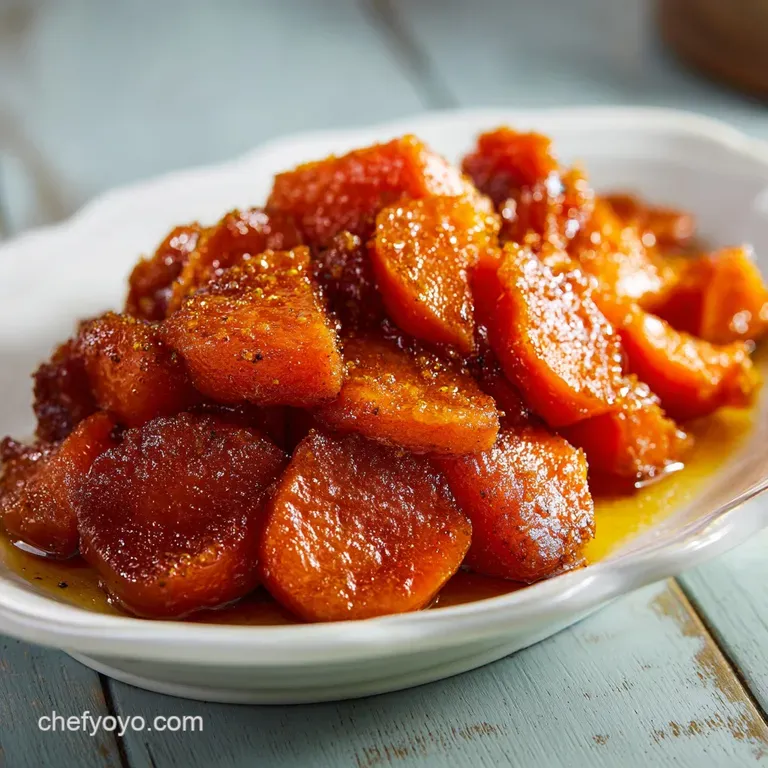
You don't need a professional kitchen, but a few specific tools make this much easier. A sharp Y peeler is non negotiable for 4 lbs of potatoes. If you use a dull one, you'll be frustrated before you even start.
You will also want a heavy 9x13 inch baking dish, preferably ceramic or glass, to ensure even heat distribution.
A small saucepan is needed to melt the butter and sugars together before they hit the potatoes. This ensures the spices aren't clumpy. I also highly recommend a basting brush or a large metal spoon.
You’ll be reaching into the oven every 15 minutes to coat those potatoes, so a tool that feels good in your hand is vital. Finally, a mandoline slicer can help you get perfectly even slices, though a sharp chef's knife works just as well if you have a steady hand.
Step Guide to Glossy Finish
1. Prepping the Sweet Potatoes
Peel all 4 lbs of potatoes and slice them into half inch thick rounds. Note: Keeping them uniform ensures they all finish cooking at the same time.
2. Simmering the Signature Glaze
In a small saucepan over medium heat, combine the dark brown sugar, white sugar, butter, orange concentrate, and spices. Heat until the butter melts and the sugar looks like liquid gold.
3. Layering for Maximum Coverage
Arrange the potato slices in your 9x13 dish, overlapping them slightly like shingles on a roof. This allows the glaze to seep between every single layer.
4. Executing the Low Bake
Pour the warm glaze evenly over the potatoes and cover the dish tightly with aluminum foil. Bake at 180°C (350°F) for 30 minutes until the potatoes start to soften and release their juices.
5. Basting for Ultimate Shine
Remove the foil and use a spoon to scoop the bubbling syrup from the corners and pour it over the exposed tops. Note: This step is what creates the "candied" look.
6. The Final Uncovered Stretch
Continue baking for another 30 minutes, basting every 10 to 15 minutes. The sauce will reduce and thicken significantly during this window.
7. Checking for Tenderness
Pierce a thick slice with a fork; it should slide in with zero resistance. The edges of the syrup should be visibly thick and slowly popping with large bubbles.
8. The Essential Cooling Rest
Remove from the oven and let the dish sit for at least 10 minutes. The glaze will thicken even more as it cools, turning into a beautiful, sticky lacquer.
Fixing Common Glazing Mistakes
Sometimes things go sideways in the kitchen. If your sauce looks thin and watery after the full cook time, don't panic. This usually happens if the potatoes had a particularly high water content.
You can carefully drain the liquid into a saucepan and boil it down on the stove for 5 minutes until it reaches a syrupy consistency, then pour it back over.
Why Your Sauce Broke
If you see streaks of oil separated from the sugar, your heat might have been too high, or you didn't whisk the glaze enough during the initial melt. This is a common hurdle when making an easy candied yams recipe.
| Problem | Root Cause | Solution |
|---|---|---|
| Grainy Texture | Sugar didn't dissolve | Whisk the glaze longer on the stovetop before pouring |
| Hard Potatoes | Acid prevented softening | Ensure the foil seal is tight to trap steam in stage one |
| Burnt Edges | Oven hot spots | Rotate the pan halfway through and baste more frequently |
Common Mistakes Checklist
- ✓ Don't skip the salt; it's the bridge between the sugar and the potato flavor.
- ✓ Use a heavy duty foil to ensure no steam escapes during the first 30 minutes.
- ✓ Never use canned yams for the primary bake if you want a firm, velvety texture.
- ✓ Avoid over crowding the dish; use two pans if the potatoes are piled too high.
- ✓ Let the dish rest for 10 minutes before serving to let the "candy" set.
Personalizing Your Yam Dish
While the southern candied yams recipe oven method is the gold standard for texture, you can adapt this for a slow cooker if you're short on oven space. Simply toss the sliced potatoes and glaze ingredients in the crock, and cook on low for 4 hours.
You won't get the same caramelization on the edges, but it's a great "easy candied yams recipe" for busy days.
Transforming From Canned Yams
If you are in a massive rush, you can make candied yams from canned yams. Since canned potatoes are already soft, skip the covered baking phase. Just arrange them in the dish, pour over the glaze, and bake uncovered at 180°C (350°F) for about 20 minutes, basting frequently.
For a flavor twist, some people love adding a splash of bourbon or topping with toasted pecans during the last 10 minutes of baking. If you’re looking for a savory contrast on your holiday table, this dish pairs perfectly with a Swedish Meatballs Recipe where the creamy gravy meets the sweet glaze.
Maintaining Texture During Reheating
These yams actually taste better the next day because the spices have more time to penetrate the potato flesh. You can store them in the fridge for up to 4 days. When you're ready to eat, don't use the microwave if you can help it it tends to make the butter separate and the potatoes turn mushy.
Instead, place them in an oven safe dish, cover with foil, and heat at 150°C (300°F) for 15 minutes. If the glaze has become too thick or "set," add a tablespoon of water or orange juice to help loosen it up.
For long term storage, you can freeze these for up to 3 months, though the texture of the potato might become slightly softer upon thawing.
To reduce waste, any leftover syrup can be saved! It makes an incredible glaze for a holiday ham or can even be drizzled over vanilla ice cream. If you have a few stray potato slices left, mash them up and fold them into pancake batter for a "sweet potato pie" breakfast.
Innovative Ideas for Pairings
Serving these yams is all about balance. Because they are so rich and sweet, they need a salty or acidic partner. A roasted turkey or a salt crusted pork loin is the classic choice. I also love serving them alongside a bitter green, like sautéed kale or roasted Brussels sprouts, to cut through the sugar.
If you are doing a non traditional spread, believe it or not, a tangy sauce can work wonders. While it sounds wild, some people enjoy the contrast of a creamy dip nearby, similar to how people use a Yum Yum Sauce recipe with grilled vegetables.
Flavor Myths
One common myth is that you must parboil the potatoes before baking. This is actually counterproductive for a candied yams recipe brown sugar glaze. Parboiling fills the potato cells with water, meaning they can't absorb as much of the delicious butter and sugar syrup.
Another myth is that yams and sweet potatoes are the same thing. In the US, what we call "yams" are almost always sweet potatoes. True yams are starchy, bark like tubers from Africa or Asia and won't work for this specific sweet preparation.
Recipe FAQs
Can I substitute light brown sugar for dark brown sugar in the glaze?
No, you should try to use dark brown sugar. Dark brown sugar contains more molasses, which is crucial for achieving that deep, complex caramelization and richness the recipe calls for.
How to achieve a thick, glossy syrup instead of a watery liquid?
Bake the yams uncovered during the final 30 minutes. This allows necessary moisture evaporation, concentrating the sugar and butter mixture into a thick lacquer that coats the potatoes perfectly.
How long should the sweet potatoes be baked covered before removing the foil?
Bake covered at 180°C (350°F) for exactly 30 minutes. This initial covered period steams the potatoes enough to soften them while allowing the glaze to start seeping into the layers.
Is it true that using canned yams produces the best texture for candied yams?
False. Canned yams are often too soft and waterlogged, leading to mushy results; fresh Garnet or Jewel sweet potatoes provide the best firm yet velvety final texture.
How to make the glaze thicker if it separates during cooking?
Carefully drain the liquid and boil it separately on the stove. If you notice oil separation, quickly remove the dish from the oven and boil the excess liquid for about five minutes until it reduces to a proper syrup consistency.
What is the best way to slice sweet potatoes evenly for consistent doneness?
Peel the potatoes, then slice them into half inch thick rounds. A sharp chef's knife works well, but using a mandoline slicer ensures uniform thickness so every piece cooks at the same rate, much like mastering the consistency needed for a good Gyro Meat Recipe loaf.
What can I add to the glaze for an extra flavor punch besides the standard spices?
Add a splash of bourbon or top with toasted pecans near the end. A savory element, like a touch of acid found in a good dipping sauce, creates balance; consider serving this with something tangy, like the bright notes in a Korean BBQ Sauce recipe marinade for contrast.
Southern Candied Yams
Ingredients:
Instructions:
Nutrition Facts:
| Calories | 447 kcal |
|---|---|
| Protein | 3.8 g |
| Fat | 11.6 g |
| Carbs | 83.2 g |
| Fiber | 7.5 g |
| Sugar | 49.8 g |
| Sodium | 335 mg |
