Korean Inspired Beef Bowls: Speedy Gochujang Steak with Quick Pickles
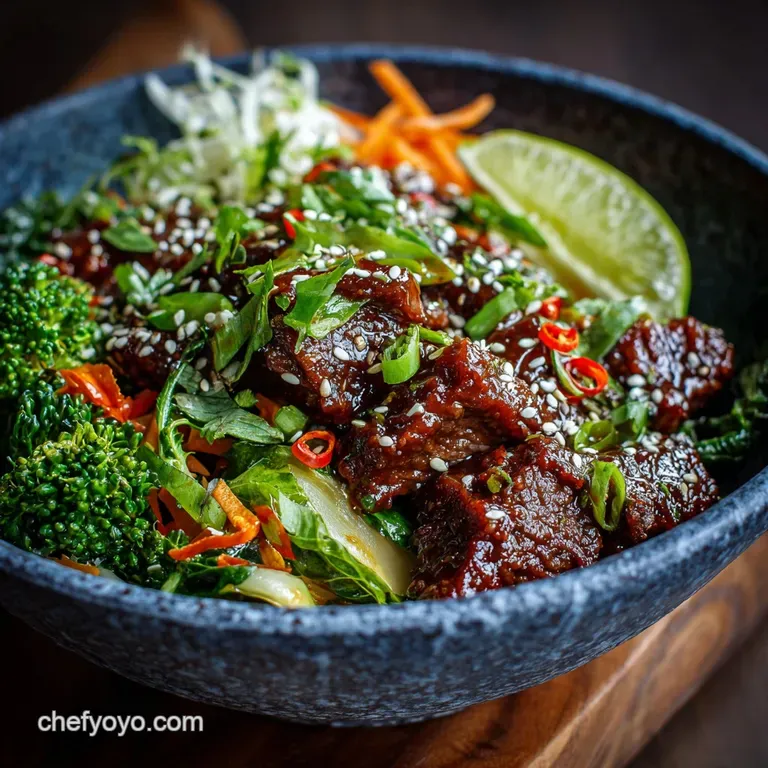
- Unlocking Umami: The Ultimate Weeknight Korean Inspired Beef Bowls
- Flavor Science: Why This Speedy Glaze Recipe Delivers Maximum Taste
- Essential Components for Your Speedy Korean Inspired Beef Bowls
- The Method: Preparing the Gochujang Glazed Beef and Bowls
- Troubleshooting and Elevating Your Gochujang Beef Bowl
- Make Ahead Meals: Storing and Reheating Korean Inspired Beef Bowls
- Pairing Perfection: How to Serve Your Homemade Korean Feast
- Recipe FAQs
- 📝 Recipe Card
Unlocking Umami: The Ultimate Weeknight Korean Inspired Beef Bowls
Stop what you are doing right now and imagine this: sizzling, caramelized beef tossed in a sticky, sweet and spicy glaze. The smell alone is enough to make your knees buckle. This recipe is the gateway drug to genuinely good asian inspired beef bowls, filling your kitchen with that glorious toasted sesame and garlic aroma.
I’m calling this my 45 minute fake out meal because it tastes like you spent hours simmering complex ingredients, but you didn't. It is the definition of a quick easy meal, perfectly engineered for a Tuesday night.
We're talking maximum flavour payoff for minimal effort, which is exactly what a stressed out home cook needs after a long day.
We aren't doing any fussy, overnight marinades here; we are relying on high heat and a secret weapon the glorious Gochujang chili paste. Are you ready to dive into the best speedy korean inspired beef bowls you've ever made? Let’s crack on.
Flavor Science: Why This Speedy Glaze Recipe Delivers Maximum Taste
What Makes Gochujang the Secret Weapon?
Gochujang, the star of this korean style beef bowl recipe, is more than just heat. It’s a dense paste made from fermented soybeans and chili, giving it that incredible depth of umami. It adds crucial body and natural sweetness without tasting just like standard hot sauce.
It adheres beautifully to the thinly sliced beef.
A Culinary Shortcut: Achieving Complex Flavors in Under an Hour
Typically, beef like this needs hours of marinating, right? Not here. We skip the lengthy marinating because the beef is sliced so incredibly thin. That massive surface area absorbs flavour almost instantly, ensuring a deep taste penetration in just 15 minutes, making this a true quick easy meal.
The Perfect Balance: Sweet, Spicy, and Crisp Textures
A truly great bowl is always about contrast and texture. You need the sticky, savory beef against the cool, clean fluff of the rice. The sweetness of the glaze is mandatory, but the acidity from the quick pickles cuts through the richness, keeping every bite feeling fresh.
The Maillard Reaction: Searing the Gochujang Glaze
We need high, screaming heat to achieve proper caramelization that crucial Maillard Reaction. You aren't just heating the meat; you're creating a deep, crusty, sticky brown coating on the sugar and soy sauce glaze. If your pan isn't hot enough, the meat will steam, and the glaze won't set.
Counterbalancing Heat: The Role of Quick Pickling
That beautiful heat from the Gochujang needs a friend to play with. The quick pickled carrot and cucumber salad provides acidity and chilled crunch. This isn't just a garnish; it’s an essential cooling agent that makes the bowl feel complete.
Optimizing Texture: Slicing Technique for Tender Results
This step is non-negotiable for achieving tender beef bowls. You must slice your flank steak against the grain, and you must slice it as thin as humanly possible. I learned this the hard way when I ended up with chewy little leather strips one night!
Partially freezing the steak for 15 minutes helps immensely with thin slicing.
Essential Components for Your Speedy Korean Inspired Beef Bowls
Decoding the Pantry: Selecting Quality Gochujang and Soy Sauce
Not all Gochujang is created equal, darling. Look for a brand in a bright red tub and check the heat level they vary significantly in spiciness. For the soy sauce, always go low-sodium; otherwise, the final glaze can get way too salty when it reduces and concentrates.
The Quick Pickle Trio: Choosing Crunch Friendly Vegetables
I stick to carrots and cucumbers because they hold up perfectly to the quick vinegar soak and maintain great crunch. Make sure you slice them into thin, uniform matchsticks for the best texture and fastest pickling. They give us that necessary crispness.
Ingredient Swaps: Maintaining Authenticity When Necessary
Life happens, and sometimes you just don't have the exact ingredient listed. Here are some smart swaps that will keep your speedy korean inspired beef bowls feeling authentic and delicious.
| Ingredient | Viable Substitution | Why it Works |
|---|---|---|
| Flank Steak | Skirt Steak or Thinly Sliced Ribeye | Similar texture, excellent for over high heat searing. |
| Brown Sugar | Honey or Maple Syrup | Provides necessary sugar for caramelization and gloss. |
| Rice Vinegar | Apple Cider Vinegar (in a pinch) | Adds the crucial tang and acidity to balance the glaze. |
The Method: Preparing the Gochujang Glazed Beef and Bowls
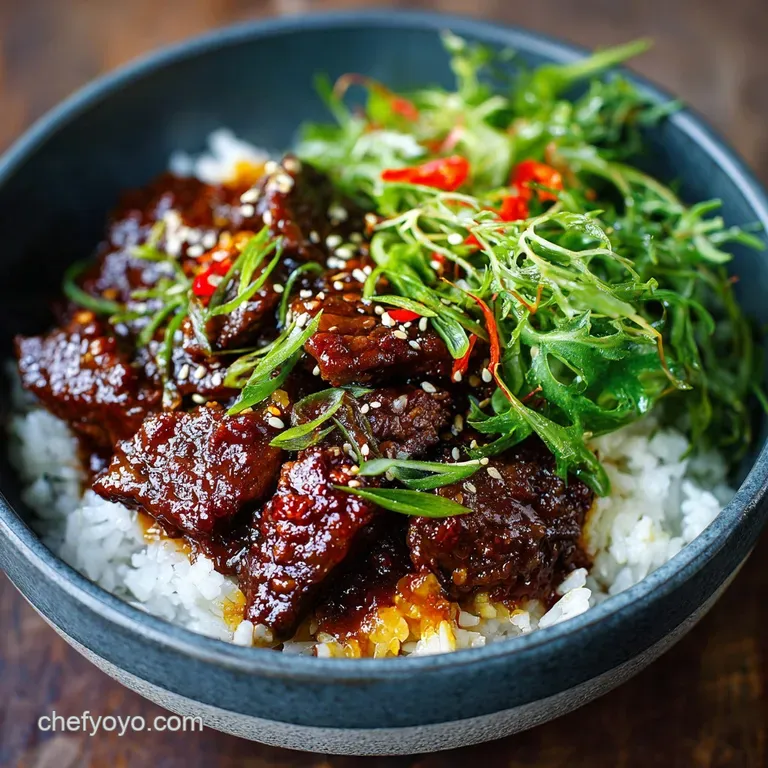
Phase 1: Prepping the Quick Pickled Garnishes
Get those carrot and cucumber matchsticks soaking first! Whisk the sugar and vinegar vigorously until the sugar completely dissolves. Pour this mixture over the vegetables. They need at least 15 minutes to soften slightly and absorb that perfect acidic bite.
Phase 2: Mastering the over High heat Sear for the Beef Glaze
Remember that high heat rule? Sear the beef in small batches only. You want SIZZLE, not steam. Cook them fast, maybe 90 seconds per side, until they get gorgeous brown edges and a sticky glaze forms. Remove the cooked beef quickly and keep it warm.
Chef's Note: After searing the beef, if there is any marinade left in the bowl, pour it into the hot pan and let it bubble for 60 seconds. This reduces it into a glossy, thick sauce perfect for drizzling over the beef before serving.
Phase 3: Assembly Strategy for a Perfect Bowl
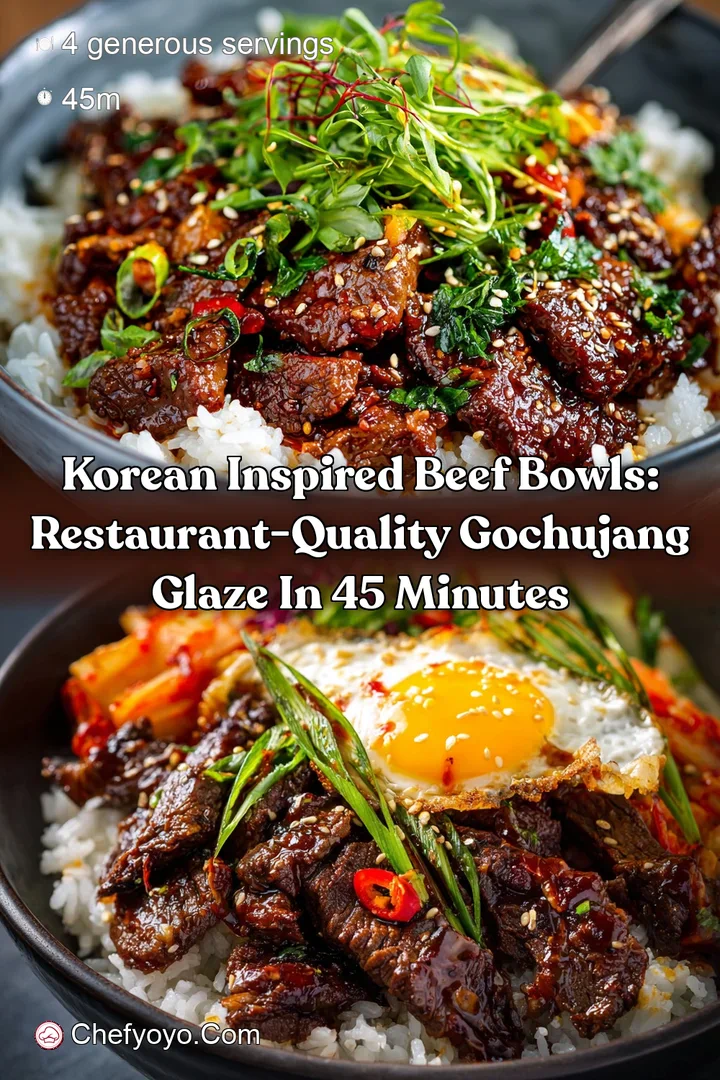
Divide the warm rice base evenly among your deep serving bowls. Artfully arrange the beef and the drained quick pickles around the edges. Don't forget the runny yolk fried egg on top!
If you want another great bowl idea that is just as fast, check out my [Cilantro Lime Quinoa Bowls with Shrimp Quick, Zesty, Healthy Lunch].
Quick Guide: Total Time Breakdown and Prep Flow
Honestly, you can prep the pickles and the marinade while the rice is cooking away happily. Once the rice hits the cooker, you have about 15 minutes to slice the steak and chop the garnishes.
The actual searing of the speedy korean inspired beef bowls takes maybe 5 minutes total because the slices are so thin. This recipe is seriously fast!
Troubleshooting and Elevating Your Gochujang Beef Bowl
Avoiding the Burn: Temperature Control When Glazing
Gochujang contains sugar and chili, which means it burns easily if left cooking too long or if the heat is too low. The secret is the over high heat, fast sear method. If the sauce starts looking black instead of dark caramel brown, your heat is either too low or you are trying to cook too much beef at once.
The Perfect Finish: Garnishes That Complete the Experience
Never skip the sliced spring onions and toasted sesame seeds. They add a fresh, pungent layer and that necessary nutty aroma that totally screams "asian inspired beef bowls." A little drizzle of extra toasted sesame oil right before serving seals the deal and adds amazing depth.
Common Mistakes: Ensuring Tender Beef Every Time
Mistake number one, which I made constantly starting out, is slicing with the grain, resulting in truly tough strips that chew like gum. Mistake number two is trying to cook all the beef at once.
You must cook the beef in two batches to maintain high pan temperature, or you will end up steaming the beef instead of searing it properly.
make-ahead Meals: Storing and Reheating Korean Inspired Beef Bowls
Separation is Key: Optimal Storage for Maximum Freshness
If you are meal prepping these incredible beef bowls, keep the components separate. Store the cooked rice, the glazed beef, and the quick pickles in their own airtight containers in the fridge. They will stay perfectly fantastic for three to four days.
Freezing the Components: Yes or No?
Can you freeze the glazed beef? Yes, you absolutely can! Flash freeze the cooked beef strips on a baking sheet, then transfer them to a freezer bag or container. The quick pickled vegetables, however, will get disappointingly soggy and weird once defrosted, so don't freeze those.
Reviving Leftovers: Reheating for Best Texture
The best way to reheat the beef is a quick blast in a hot, lightly oiled skillet for 60 seconds to re-crisp the edges. Avoid the microwave if you can, as it tends to make the meat tough and rubbery. Warm the rice separately, assemble the bowl, and add fresh garnishes and pickles.
If you love fast meal prep, you should totally check out my [Shrimp Fajita Bowls: Healthy Weeknight Meal Prep Recipe].
Pairing Perfection: How to Serve Your Homemade Korean Feast
This korean style beef bowl recipe pairs beautifully with something fiercely fermented and crisp. Try serving a generous side of high-quality Kimchi (spicy fermented cabbage) right alongside the bowl. The fiery, sour tang of the kimchi cuts through the richness of the sweet glaze perfectly.
I also sometimes serve this alongside a big comforting bowl of my [OldFashioned Vegetable Beef Soup Recipe: The Ultimate Comfort Bowl] if the weather is chilly, which offers a different take on savory beef goodness!
Recipe FAQs
Why is my beef tough or chewy after cooking?
The primary causes for tough beef are improper slicing and overcooking. Always ensure you slice the beef (flank or sirloin) thinly against the grain before marinating and cooking. Since this is a speedy recipe, cook the beef over high heat for only 3 4 minutes maximum to retain tenderness.
I don't have Gochujang. What is a suitable substitute?
Gochujang is complex, but a decent substitute can be made by combining a thick chili paste (like Sriracha) with white miso paste and a touch of extra honey or sugar. The miso paste adds the crucial fermented, umami depth that gives Gochujang its unique flavour profile.
However, the final colour and thickness of your glaze may vary slightly.
Can I prepare the beef marinade ahead of time?
Yes, absolutely. You can marinate the sliced beef for up to 24 hours in the refrigerator, which helps to deepen the overall flavour. If your marinade includes highly acidic components (like vinegar or kiwi/pear juice), limit the marination time to 4 hours to prevent the meat from breaking down too much.
How can I adjust the heat level if Gochujang is too spicy for my taste?
If the heat is too intense, reduce the amount of Gochujang specified and replace the missing volume with a little extra soy sauce or brown sugar. You can also mix a small dollop of plain Greek yogurt or sour cream into your finished bowl to temper the spice upon serving.
Look for mild Gochujang varieties if you buy the paste regularly.
Can I use a different protein like chicken or tofu instead of beef?
Yes, this recipe works very well with chicken thighs, breast, or firm tofu. If using chicken, ensure it is cut into even pieces and cooked completely through to an internal temperature of 165°F (74°C).
For tofu, press it thoroughly to remove excess water before marinating and pan-frying to ensure a crisp exterior.
How long do leftovers last and is it safe to freeze the bowls?
Leftovers can be stored safely in an airtight container in the refrigerator for 3 to 4 days. We do not recommend freezing the completed bowls, as the texture of the cooked rice and the quick pickled vegetables will become mushy upon thawing. It is best to cook the beef fresh when possible.
My quick pickled vegetables taste bland. What did I miss?
Ensure that the sugar and salt in your quick pickle brine are completely dissolved before you pour the mixture over the vegetables. The vegetables must be fully submerged and allowed to sit for at least 30 minutes or ideally, an hour to absorb the essential tangy flavour.
Taste and adjust the brine for extra saltiness or sweetness if needed.
Speedy Korean Inspired Beef Bowls Recipe
Ingredients:
Instructions:
Nutrition Facts:
| Calories | 340 kcal |
|---|---|
| Protein | 14.6 g |
| Fat | 9.8 g |
| Carbs | 48.6 g |
