Steak Frites: Peppery Crust & Juicy Center
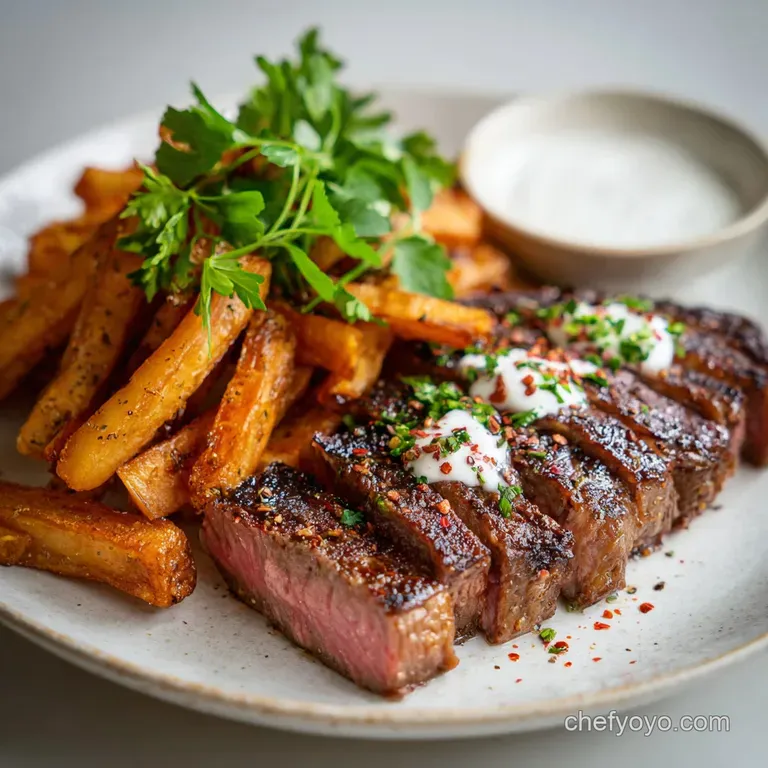
- Time: Active 15 minutes, Passive 20 minutes, Total 35 minutes
- Flavor/Texture Hook: Savory umami crust with shatter crisp golden fries.
- Perfect for: Anniversary dinners or making a Tuesday night feel like a Parisian getaway.
- Mastering the Classic Parisian Steak Frites
- Precision Metrics for Culinary Success
- The Physics of the Crust
- Component Analysis and Pro Secrets
- Selecting the Finest Beef and Spuds
- Tools for a Flawless Bistro Meal
- Executing the Bistro Method Flawlessly
- Fixing Common Bistro Kitchen Blunders
- Customizing Your French Classic Experience
- Managing Leftovers and Zero Waste
- Completing Your Elegant Steak Dinner
- Very High in Sodium
- Recipe FAQs
- 📝 Recipe Card
Mastering the Classic Parisian Steak Frites
Imagine walking down a rain slicked side street in the 6th Arrondissement. The air smells like woodsmoke and rendered beef fat. You push open a heavy oak door and you're hit with that unmistakable scent - the sharp, tangy punch of Dijon mustard melting into a hot pan and the primal sizzle of a steak hitting cast iron.
That's the vibe we're chasing today. It isn't just a meal; it's a mood. I remember the first time I tried to make this at home; I crowded the pan, the fries were limp, and the steak was grey. I felt like I'd failed a culinary citizenship test.
But then I learned the secrets. It's all about moisture control and thermal mass. We're going to treat those 10 oz steaks with the respect they deserve and turn those Russets into golden rods of joy. We aren't doing deep frying here because, honestly, who wants to deal with a gallon of hot oil on a weeknight?
We're using the air fryer or a over high heat oven to get that crunch, leaving our hands free to focus on the meat. Trust me, once you hear that first "crunch" of the potato, you'll never go back to the frozen bag stuff.
We're going to use the pan drippings - that "liquid gold" left behind by the beef - to build a sauce that’s so silky it'll make you want to lick the plate. It's a quick process, but every second counts.
By the time we're done, you'll have a plate that looks like it cost sixty bucks at a white tablecloth spot, but you'll be wearing your favorite pajamas. Let's get into the nitty gritty of how to make this happen.
Precision Metrics for Culinary Success
Before we even touch a knife, let's talk numbers. Success in the kitchen isn't about luck; it's about hitting specific benchmarks. For this recipe, we are looking for a steak that has enough "heft" to develop a crust without overcooking the inside. Using 1.5 inch thick steaks is our insurance policy.
Anything thinner and you'll hit medium well before you even get a good sear.
| Steak Thickness | Target Internal Temp | Resting Time | Visual Doneness Cue |
|---|---|---|---|
| 1 inch | 130°F (Medium Rare) | 5 minutes | Pink throughout, soft touch |
| 1.5 inches | 135°F (Medium) | 7 minutes | Warm pink center, firming up |
| 2 inches | 145°F (Medium Well) | 10 minutes | Thin pink line, very firm |
Giving the meat time to rest is probably the most ignored step, but it’s the difference between a juicy steak and a puddle of red on your cutting board. While the meat rests, the fibers relax and reabsorb all those flavorful juices. If you cut it too soon, it’s game over.
The Physics of the Crust
Mechanism: Surface moisture is the enemy of the sear; by patting the meat bone dry and using avocado oil with a high smoke point, we trigger the Maillard reaction instantly.
This chemical transformation turns proteins and sugars into hundreds of different flavor compounds that give the beef its savory, charred character.
Chef Tip: Freeze your butter for 10 minutes before whisking it into the pan sauce. The sudden temperature difference helps the fat emulsify into the broth rather than just melting into an oily layer, resulting in a much silkier finish.
Component Analysis and Pro Secrets
The ingredients for Steak Frites are deceptively simple, which means there’s nowhere for low quality to hide. We’re looking for a specific starch content in our potatoes and a high fat to protein ratio in our beef.
Using grass fed butter might seem like a "flex," but the higher beta carotene content gives the sauce a deeper color and a much richer, nutty finish that compliments the beef broth beautifully.
| Ingredient | Science Role | Pro Secret |
|---|---|---|
| Russet Potato | High starch for crispiness | Soak in cold water to remove surface sugars and prevent burning. |
| Sirloin/NY Strip | Dense muscle fiber for searing | Choose "Prime" or "Choice" for better intramuscular marbling. |
| Beef Bone Broth | Gelatin source for body | Use bone broth over standard stock for a thicker, more velvety sauce. |
| Dijon Mustard | Natural emulsifier | Adds "bite" and helps the butter and broth stay bonded together. |
When you're picking out your potatoes, look for the ones that feel heavy for their size and have a rough, dusty skin. Those are the ones packed with the starch we need to get that "shatter crisp" exterior while the inside stays fluffy like a cloud.
Selecting the Finest Beef and Spuds
Right then, let's look at what's going in the shopping basket. We're keeping things tight and high-quality. If you can't find a good sirloin, a New York Strip is your best friend here.
- 2 (10 oz) Sirloin or New York Strip steaks: Why this? Thick cuts allow for a heavy sear without overcooking the interior.
- Substitute: Ribeye (adds more fat/richness).
- 2 Large Russet potatoes: Why this? Highest starch content ensures the frites actually get crispy.
- Substitute: Yukon Gold (waxy texture, will be softer but creamier).
- 1 tbsp Avocado oil: Why this? High smoke point (520°F) prevents the oil from burning during the sear.
- Substitute: Grapeseed oil or clarified butter.
- 0.25 cup Beef bone broth: Why this? Concentrated flavor and gelatin provide a luxurious mouthfeel.
- Substitute: Beef stock mixed with a pinch of unflavored gelatin.
- 1 tbsp Cold grass fed butter: Why this? Adds a rich, nutty finish to the pan sauce.
- Substitute: Standard unsalted butter.
- 1 tsp Dijon mustard: Why this? Acts as a bridge between the fat and the liquid.
- Substitute: Stone ground mustard for more texture.
- 1 tbsp Flaky sea salt: Why this? Provides a clean saltiness and a delicate crunch.
- Substitute: Kosher salt (use half the amount).
Don't skimp on the black pepper either. We want "coarsely cracked," not that fine dust that comes out of a shaker. We need those little peppercorn fragments to toast in the pan and create a spicy, aromatic crust.
Tools for a Flawless Bistro Meal
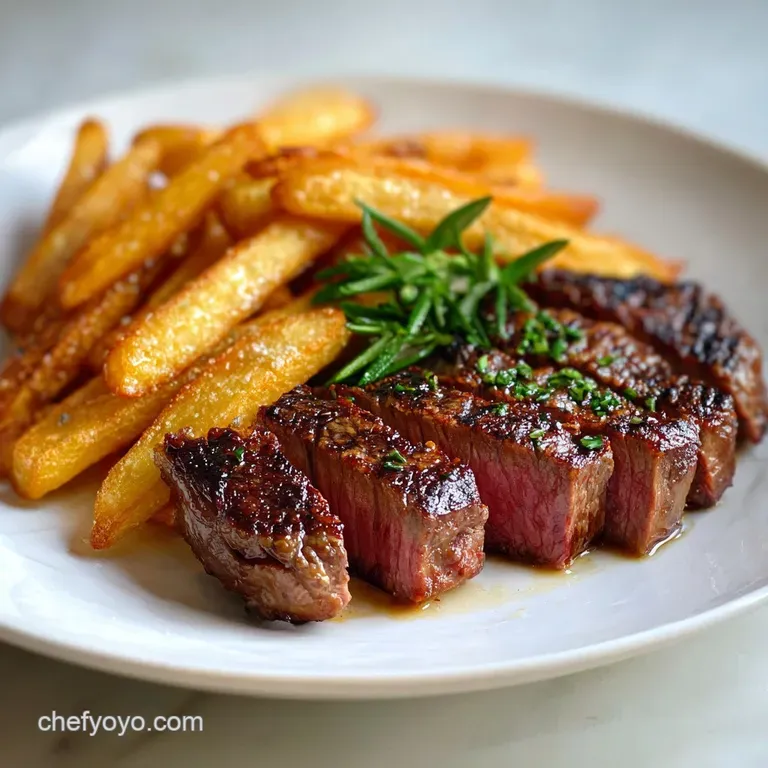
You don't need a million gadgets, but a couple of heavy hitters will make your life much easier. If you have a cast iron skillet, now is the time to pull it out. The sheer weight of the metal holds onto heat like a beast, which is exactly what we need when that cold steak hits the pan.
- Cast Iron Skillet: Essential for that edge to edge crust. A heavy stainless steel pan also works.
- Air Fryer or Baking Sheet: For getting those fries to shatter crisp status without a deep fryer.
- Digital Meat Thermometer: This is non negotiable. Don't guess; know exactly when to pull that meat off the heat.
- Kitchen Twine (Optional): If your steaks are a bit floppy, tie them up into tight circles to ensure they cook evenly.
Chef Tip: Place a heavy press or another smaller skillet on top of your steaks for the first 60 seconds of searing. This forces the entire surface of the meat into contact with the hot metal, preventing that annoying "cupping" where the edges curl up and leave the middle grey.
Executing the Bistro Method Flawlessly
- Prep the potatoes. Slice the 2 Large Russet potatoes into 1/4 inch matchsticks and soak them in ice cold water for at least 10 minutes. Note: This removes excess starch so they don't stick together.
- Dry and coat. Drain the potatoes and pat them aggressively dry with a kitchen towel. Toss with 1 tbsp extra virgin olive oil, 1 tsp cornstarch, 0.5 tsp garlic powder, and 1 tsp fine sea salt. Until every fry is lightly dusted.
- Cook the frites. Arrange in a single layer in the air fryer (380°F) or on a preheated baking sheet (425°F). Cook for 18-20 minutes, shaking halfway, until they are golden and make a "clinking" sound against the tray.
- Season the beef. Pat the 2 (10 oz) steaks completely dry. Press the 1 tbsp flaky sea salt and 2 tsp coarsely cracked black pepper firmly into both sides. Note: Salt draws out moisture, so do this right before they hit the pan.
- Sear the steak. Heat 1 tbsp avocado oil in the skillet until it's shimmering and just starting to smoke. Place the steaks in the pan and sear for 3-4 minutes per side. Until a dark, mahogany crust forms.
- Aroma Check 1: You should smell the pepper toasting it will be sharp and slightly floral, not burnt.
- Rest the meat. Remove steaks to a warm plate and cover loosely with foil. Let them rest for at least 7 minutes. Note: This prevents the juice from escaping when you slice it.
- Build the sauce. Pour off any excess oil but keep the brown bits (fond). Add 0.25 cup beef bone broth and 1 tsp Dijon mustard, scraping the bottom of the pan. Until the liquid reduces by half and smells intensely savory.
- Aroma Check 2: The sharp "zing" of the mustard should mellow out as it mingles with the beefy broth.
- Finish the sauce. Turn off the heat and whisk in the 1 tbsp cold grass fed butter, 1 minced clove of garlic, and 1 tbsp fresh parsley. Until the sauce is glossy and coats the back of a spoon.
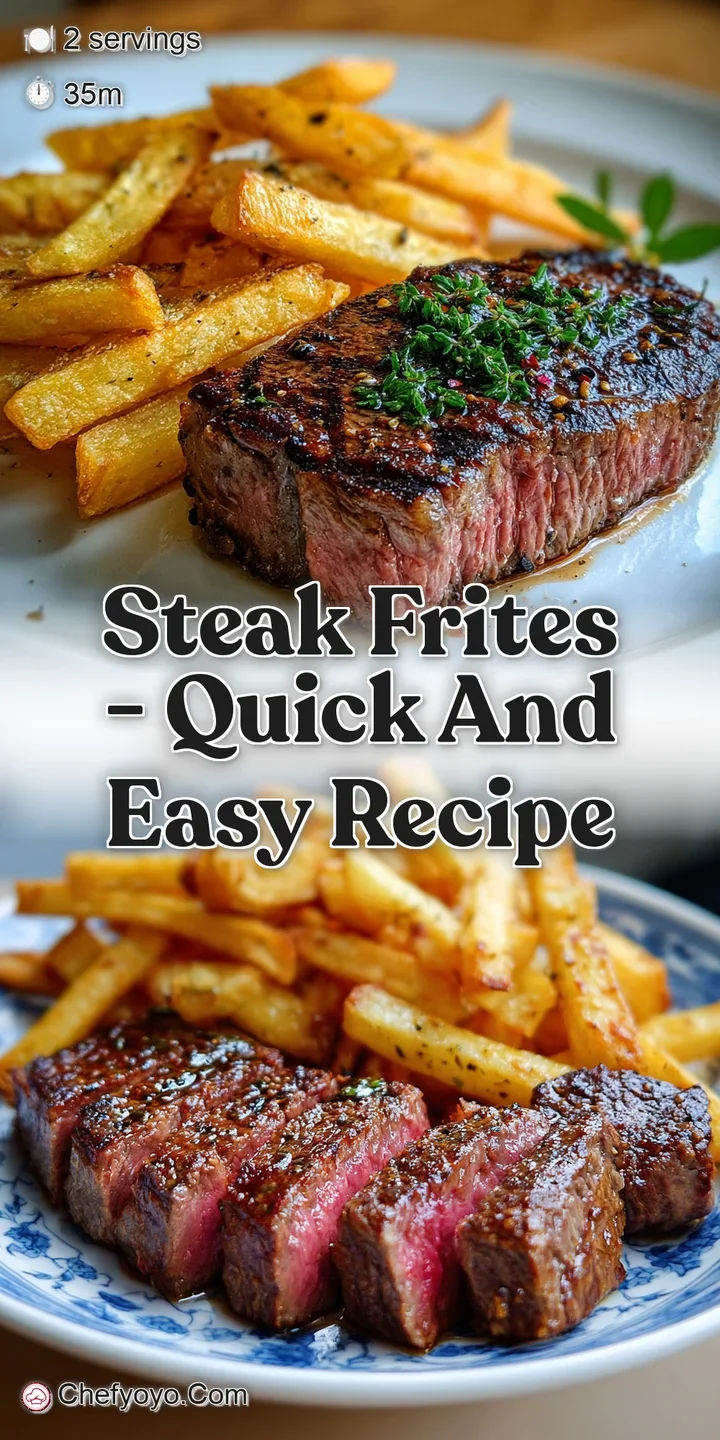
- Plate the masterpiece. Slice the steak against the grain, pile the hot fries next to it, and pour that velvety sauce right over the meat. Serve immediately while the steam is still rising.
Fixing Common Bistro Kitchen Blunders
Sometimes things don't go according to plan. Maybe the phone rang, or the smoke alarm decided to join the party. It happens to the best of us! The key is knowing why it happened so you can pivot.
Why Your Fries Are Limp
If your frites come out soggy, it's usually a moisture issue. If you don't dry them properly after soaking, that water turns into steam, which "cooks" the potato rather than crisping it. Also, crowding the pan is a recipe for disaster if they are touching, they are steaming each other.
| Problem | Root Cause | Solution |
|---|---|---|
| Greasy Fries | Temperature too low | Ensure air fryer is preheated; increase temp by 20°F. |
| Grey Steak | Surface was wet | Pat meat dry with paper towels until the towel stays bone dry. |
| Broken Sauce | Heat was too high | Take pan off heat before whisking in cold butter. |
Common Mistakes Checklist
- ✓ Skipping the potato soak (results in gummy, brown fries).
- ✓ Using a non stick pan (you won't get that deep, dark crust).
- ✓ Moving the steak too much (let it sit for 3 minutes to develop the sear).
- ✓ Slicing the meat immediately (all the juice will run out).
- ✓ Forgetting to preheat the air fryer (fries will be oily).
Customizing Your French Classic Experience
This recipe is a canvas. While the classic version is hard to beat, you can definitely tweak it to fit your mood or your pantry. If you’re looking for a bit more variety in your beef game, you might want to try the technique used in this Perfectly Tender Beef recipe.
- Make it Keto: Swap the Russet potatoes for roasted daikon radish or cauliflower florets tossed in the same seasoning.
- The "Authentic Bistro" Twist: Add a splash of Cognac to the pan before adding the broth to deglaze. Just be careful of the "flambe" effect it can get spicy!
- The Herb Butter Version: If you don't want a pan sauce, mash the garlic, parsley, and butter together with a bit of lemon zest and dollop it directly onto the hot steak.
| Premium Option | Budget Alternative | Flavor Impact | Savings |
|---|---|---|---|
| Filet Mignon | Top Sirloin | Sirloin is beefier but less tender | $15 - $20 |
| Fresh Peppercorns | Pre ground Pepper | Major loss of aromatic "punch" | $2 - $4 |
| Grass fed Butter | Standard Margarine | Margarine lacks the creamy mouthfeel | $3 - $5 |
If you want a different cut of beef, Flank steak works beautifully here too, just make sure to slice it very thin and strictly against the grain, or it'll be a bit of a workout for your jaw.
Managing Leftovers and Zero Waste
If you actually have leftovers (a rare occurrence in my house), you need to be careful with the reheat.
Storage: Store the steak and sauce in one airtight container and the fries in another. They’ll stay good in the fridge for up to 3 days. I don’t recommend freezing the fries as the texture becomes grainy, but the steak and sauce freeze well for up to 2 months.
Reheating: To keep the steak tender, reheat it in a pan over low heat with a splash of broth. For the fries, pop them back in the air fryer for 3-4 minutes at 400°F. They’ll come back to life instantly.
Zero Waste: Don't throw away those potato peels! Toss them with a little oil and salt and bake them until crispy for a "cook's snack." Also, any leftover steak is the absolute best candidate for a morning steak and egg situation or a killer steak sandwich the next day.
Completing Your Elegant Steak Dinner
To really sell the "Parisian Bistro" vibe, you need the right sides. A simple green salad with a sharp lemon vinaigrette is traditional because the acidity cuts through the richness of the beef and butter.
If you're feeling bold and want to add some serious heat to the plate, you could serve a small ramekin of this Fiery Homemade Horsey recipe on the side. The horseradish punch against the peppery steak is a match made in heaven.
For drinks, a bold red wine like a Malbec or a Cabernet Sauvignon has the tannins to stand up to the fat in the sirloin. If you’re skipping the alcohol, a sparkling mineral water with a thick wedge of lime keeps things refreshing. Just remember: this dish is the star.
Keep everything else simple, turn down the lights, put on some jazz, and enjoy the best Steak Frites you've ever had. Right then, let's crack on and get that pan hot!
Very High in Sodium
1250 mg mg of sodium per serving (54% of daily value)
The American Heart Association recommends limiting sodium intake to no more than 2,300mg per day for overall cardiovascular health.
Sodium Reduction Tips for Your Steak Dinner
-
Low Sodium Broth-30%
Use a low-sodium or no-salt added beef bone broth. This simple swap can significantly reduce the sodium content of the sauce without sacrificing flavor.
-
Reduce Added Salt-25%
Cut the amount of flaky sea salt for the steaks in half. You can always add more at the table to taste. Consider using a salt grinder instead for more even distribution with less salt.
-
Omit Fine Sea Salt-15%
Eliminate the 1 tsp of fine sea salt added to the potatoes. The beef bone broth and the salt used on the steaks will likely provide enough seasoning for the entire dish.
-
Fresh Flavors
Enhance the flavor with more fresh parsley, garlic and black pepper to compensate for less salt. Fresh herbs and spices provide great flavor without any sodium!
Recipe FAQs
What cut of meat is traditionally used for steak frites?
Sirloin or New York Strip. These cuts provide a great balance of flavor and tenderness suitable for a fast, high heat sear.
What makes steak frites so special compared to a regular steak and fries?
The accompanying pan sauce and cooking technique. It's the simplicity executed perfectly a deeply crusted steak paired with thin, shatteringly crisp fries, often finished with a Dijon and wine reduction made directly in the steak pan.
Is steak frites just a fancy way of saying steak and fries?
No, the preparation elevates it significantly. While the components are steak and potatoes, the defining factor is the quality of the sear, the ultra crisp texture of the frites, and the immediate pan sauce built from the fond.
How do you correctly pronounce "steak frites"?
It sounds like "steak freet." The 's' at the end of 'frites' is silent in standard French pronunciation, though you will commonly hear it spoken with the 's' sound in North America.
What is the primary technique to achieve a perfect crust on the steak?
Use very high heat and ensure the surface is completely dry. Patting the steak bone dry eliminates surface moisture, which allows the Maillard reaction to occur instantly upon contact with hot fat, creating the desirable brown crust.
If I don't want the classic pan sauce, can I use a different topping?
Yes, compound butter is an excellent alternative. If you enjoy building rich sauces, learning to create a stable emulsion like the one needed here teaches a great skill, similar to mastering the sauce in our Creamy Homemade Beef recipe.
What kind of potato is best for achieving shatter crisp frites?
Russets are the ideal choice due to their high starch content. Soaking and drying them thoroughly is crucial because removing excess surface starch prevents them from sticking and ensures they crisp up rather than steam.
Steak Frites Bistro Classic
Ingredients:
Instructions:
Nutrition Facts:
| Calories | 983 calories |
|---|---|
| Protein | 72 grams |
| Fat | 54 grams |
| Carbs | 54 grams |
| Fiber | 4 grams |
| Sugar | 2 grams |
| Sodium | 1250 milligrams |
