Caldo De Pollo: Ultimate Comforting Mexican Soup
- Introducing the Soul of Mexican Comfort Food
- The Science of Flavor: Why Our Broth is Superior
- Essential Components for Authentic Caldo de Pollo
- Mastering the Preparation: A Step-by-Step Guide
- Troubleshooting and Expert Tips for Your Next Batch
- Maximizing Shelf Life: Storing and Reheating
- Completing the Meal: Serving Suggestions
- Recipe FAQs
- 📝 Recipe Card
Introducing the Soul of Mexican Comfort Food
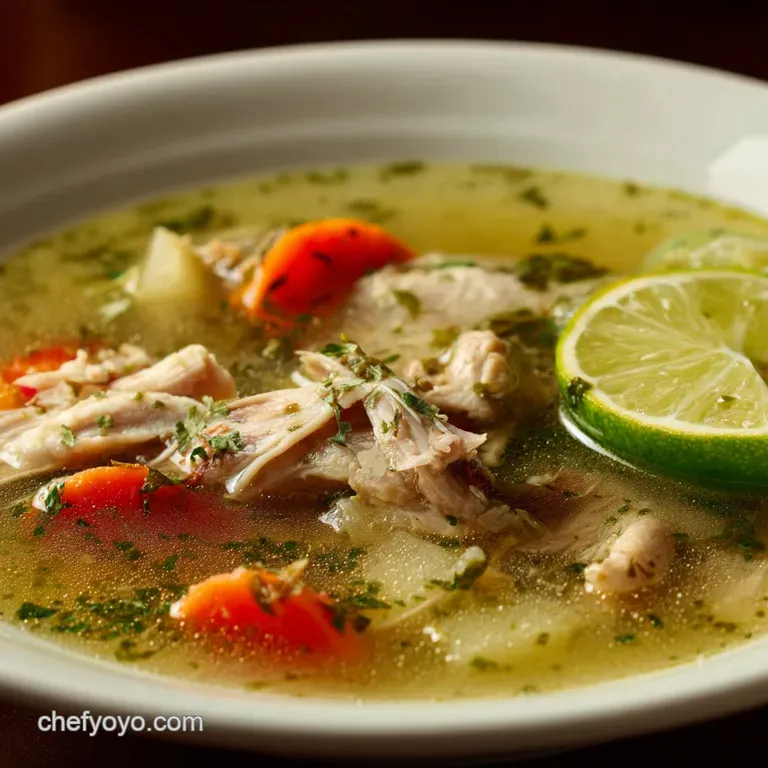
When the weather turns chilly, or honestly, just when Tuesday rolls around, there is only one aroma I want filling my kitchen: The fragrant, deeply comforting smell of authentic Caldo de Pollo .
This isn't just broth; it's liquid gold steeped with bay leaf, fresh herbs, and the promise of warmth. (CDP #1)
Forget complicated culinary acrobatics; this soup is a lifesaver. It’s affordable, ridiculously nourishing, and once you master the simple technique of layering your ingredients, it practically cooks itself. This easy Caldo de Pollo recipe is the ultimate fast track to comfort food heaven.
I’ve made my share of mistakes cloudy broth, mushy potatoes but I’ve learned the shortcuts and the non-negotiable steps (like precise timing!). I’m going to share the version I learned from a friend’s grandmother, guaranteed to give you the very best flavor profile of Mexican Chicken Soup.
(CDP #2)
The Science of Flavor: Why Our Broth is Superior
This method achieves clarity and deep flavor by separating the stock building phase from the vegetable cooking phase. Many recipes toss everything in at once, but that leads to cloudy, weak broth and sadly overcooked potatoes. We are not doing that.
Caldo de Pollo deserves better treatment, which means patience in the initial stages. (CDP #3)
The Cultural Significance of 'Caldo'
In Mexican cuisine, caldos are essential; they are the foundation of comfort and are often served when you need nurturing. Whether you’re recovering from a long night or chasing away a seasonal cold, a good, steaming bowl of Caldo de Pollo is the universal remedy. It’s quick, it’s cheap, and it’s deeply satisfying in a way that very few meals can match. You see similar principles of depth and nourishment in hearty meals like Caldo de Res: The Ultimate Mexican Beef Soup Recipe or Authentic Caldo de Albóndigas The Ultimate Albondigas Soup Recipe .
What Makes This Version 'The Ultimate' Recipe
The secret is the two-step process: First, we make a pristine, concentrated stock using bone-in parts and specific aromatics. Second, we strain that stock and then gently cook the vegetables in the clean liquid, ensuring they are perfectly tender but never mushy.
This layered technique is the key to creating a truly superior Caldo de Pollo experience at home. (CDP #4)
Quick Overview of Prep & Cook Time
You will need about 25 minutes of active chopping time, mostly devoted to prepping all those glorious vegetables. The simmering takes just over an hour, but most of that is passive time where the stove is doing the heavy lifting for you.
Don't be intimidated by the total time; most of it is set-it and forget-it.
The 'Low and Slow' Extraction Method
We start with cold water, which is non-negotiable for clear stock. This allows the proteins and impurities to gradually release and rise to the surface as scum, which we meticulously skim off using a spoon.
Simmering the chicken gently (never a violent boil!) for 30 minutes ensures maximum flavor extraction from the bones without toughening the meat. A quick, hard boil will instantly cloud your homemade Caldo de Pollo . (CDP #5)
Achieving Perfectly Tender Vegetables
This is where my mistake story comes in: I once threw the cabbage in with the potatoes because I was impatient, and the cabbage dissolved into sad, limp strings! Harder root vegetables (carrots, potatoes) need that extra time, around 15 minutes.
Softer vegetables, like zucchini and cabbage wedges, only need 5 to 8 minutes right at the end to be tender crisp, which is the perfect texture for this Mexican Chicken Soup.
Balancing Acidity and Aromatic Depth
We achieve depth by using simple aromatics like onion, garlic, and Mexican oregano in the initial stock build. Crucially, the final balance of the Caldo de Pollo comes from adding fresh lime juice at the table, not in the pot.
The sharp acidity brightens every earthy element of the soup beautifully and makes all the flavors pop.
Essential Components for Authentic Caldo de Pollo
The ingredient list might look long, but it’s just a list of beautiful, vibrant vegetables. The magic of a fantastic Caldo de Pollo lies in using a wide variety of textures, from creamy potatoes to crunchy cabbage.
Selecting the Right Cuts for Maximum Flavor
For maximum flavor, you absolutely must use bone-in, skin-on cuts for the stock process. Thighs and drumsticks give the best flavor and moisture retention. The bones provide gelatin, which is what gives the broth that rich, luxurious mouthfeel and depth that elevates this humble Mexican Chicken Soup.
| Ingredient | Why We Use It | Substitution |
|---|---|---|
| Bone-in Chicken Pieces | Richness, body, gelatin | Use boneless cuts, but supplement with 4 cups high-quality chicken stock |
| White Onion & Garlic | Essential aromatic base | Use yellow onion if white isn't available, but avoid purple/red |
| Waxy Potatoes (Yukon Gold) | Maintain shape during cooking | Sweet potato or parsnip (cut into similar sized pieces) |
| Chayote Squash | Mild flavor, firm texture | Parsnips or 1 cup of peeled, diced turnip |
Aromatic Base: The Foundation of the Broth
We are using a classic combination: quartered white onion, smashed garlic, bay leaves, and a large bunch of cilantro tied together. Crucially, the cilantro bundle must include the stems. The stems hold immense flavor, and tying them up with twine makes for easy removal later.
This foundational step is essential for amazing Caldo de Pollo flavor. (CDP #6)
Recommended Root Vegetables and Garnishes
Potatoes and carrots are non-negotiable; they provide necessary substance and sweetness. Chayote adds a wonderfully mild, firm texture that holds up well. For garnish, you must have fresh cilantro, sliced avocado, and plenty of lime wedges.
If you want a truly fiery Mexican Chicken Soup, toss in a few slices of fresh jalapeño or serrano at the end.
Smart Substitutions for Dietary Needs
If you need to make this vegetarian, you can pivot this recipe into a fantastic Caldo de Verduras. Simply omit the meat and replace the water with good quality vegetable broth, doubling the quantity of aromatics like celery and carrots for depth.
If you don't have cilantro for garnish, use flat leaf parsley, though it won't be quite the same level of authentic Caldo de Pollo flavor. (CDP #7)
Mastering the Preparation: A step-by-step Guide
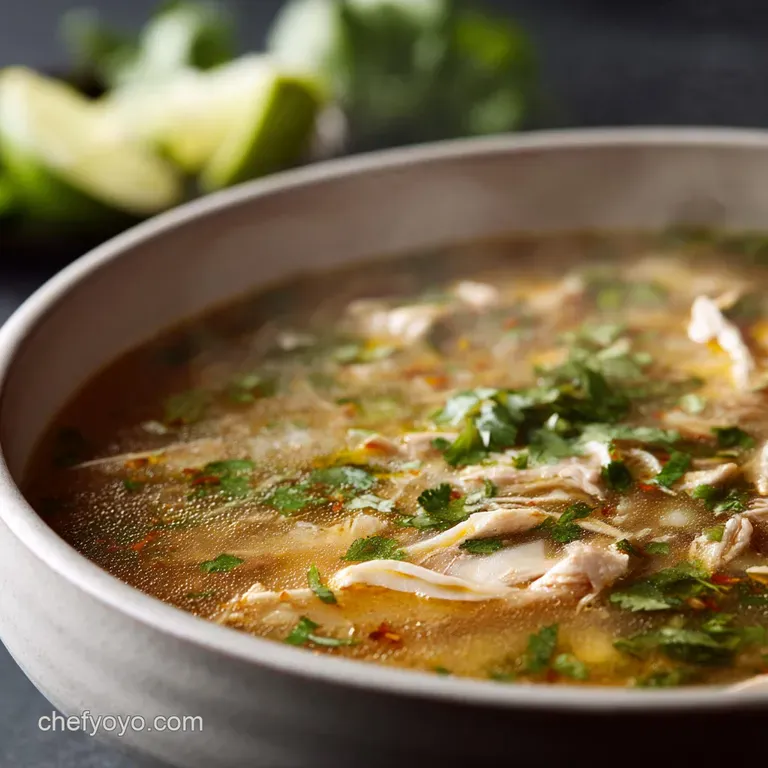
This process is about patience and timing. Follow the phases exactly, and you will nail this incredibly satisfying Caldo de Pollo every single time. (CDP #8)
Phase 1: Creating the Deeply Flavorful Stock
Start by lightly sautéing your quartered onion and smashed garlic in a little oil until fragrant, about 3 minutes. This subtle caramelization adds a layer of depth you won't get if you just boil them.
Then, add your bone-in chicken pieces, cold water, bay leaves, Mexican oregano, and the tied cilantro bunch. Bring the mixture to a rapid boil, then immediately turn the heat down low we want a gentle simmer, not a violent bubble bath.
Skim off all the grey foam that rises to the top for the clearest broth possible. Cook uncovered for 30 minutes, or until the chicken is cooked through.
Once the chicken is tender, remove all the solids chicken, onion, garlic, bay leaves, and the cilantro bunch from the pot. Now, pour the broth through a fine mesh sieve into a clean bowl, then back into the pot. This skimming and straining step is non-negotiable for clear Caldo de Pollo.
(CDP #9)
CRUCIAL TIP: Always start stock with cold water. This forces the proteins and impurities out slowly, making the skimming process much more effective and resulting in a beautiful, translucent Caldo de Pollo broth. (CDP #10)
Phase 2: Simmering the Vegetables and Balancing Seasoning
Add your hard root vegetables (carrots, celery, potatoes, chayote) to the strained broth and bring it back to a gentle simmer. Cook them for 15 minutes. While they cook, shred the chicken and discard the skin and bones. Season the shredded meat lightly with salt.
After 15 minutes, check the roots they should be pierceable but still firm. Now, add the tender vegetables: the zucchini rounds and the cabbage wedges. Simmer for a final 5 to 8 minutes; you want the cabbage bright green and slightly tender, not floppy.
Reintroduce the shredded chicken into the soup and stir gently to heat it through. Now is the time for the final seasoning check: Taste the broth and adjust the salt until it sings. This final touch is what truly elevates the dish from basic soup to incredible Mexican Chicken Soup.
Phase 3: Finishing and Serving the Soup
Ladle generous amounts of the soup, ensuring a good mix of chicken and all the colorful vegetables, into deep, warm bowls. Garnish like crazy. A big pinch of fresh chopped cilantro and several lime wedges are absolutely essential for flavor.
I always serve a side bowl of cooked white rice so everyone can mix it in if they want that extra starch. This is how you serve perfect, comforting Caldo de Pollo . (CDP #11)
Quick Guide: Making Caldo de Pollo in a Pressure Cooker
If you are seriously pressed for time, the Instant Pot is your friend, but the vegetable texture requires a little modification. Sauté the aromatics as normal in the inner pot. Add the chicken, water, and seasonings.
Pressure cook on high for 12 minutes, then manually release the pressure. Remove the solids and strain the broth. Return the broth to the pot (set to Sauté/Low). Add hard vegetables (potatoes, carrots) and cook for 5 minutes.
Then add tender vegetables (zucchini, cabbage) and cook for 2 minutes. Shred and return the chicken. This fast track version provides a delicious, quick Caldo de Pollo . (CDP #12)
Troubleshooting and Expert Tips for Your Next Batch
Even experienced cooks sometimes hit snags, especially with broth based dishes where clarity and seasoning are everything. Don't stress, I've been there and spilled the secrets below.
Skimming the Broth: Why Clarity Matters
If you skip skimming the foam at the beginning, your broth will be cloudy and sometimes greasy. The foam consists of denatured proteins and impurities that float up during the initial heating.
If your broth still looks cloudy after straining, line your sieve with a damp piece of cheesecloth for an extra fine filtration that will make your Caldo de Pollo sparkle. (CDP #13)
How to Fix Under Seasoned or Bland Soup
If your amazing Caldo de Pollo tastes flat, you probably need more salt. Don’t just shake a little in; add salt a teaspoon at a time, stir, wait 30 seconds, and taste again. If it still tastes dull after salting, it might need acid.
Squeeze in a little extra lime juice, or if you don't mind a slight departure, a tiny splash of white vinegar can lift the flavor profile instantly.
Preventing Overcooked Vegetables
The number one mistake in making any large vegetable soup is improper timing. Remember the hierarchy: Roots first, then soft greens and squash. If you accidentally overcook the zucchini, pull it out immediately and treat it as a casualty of war; leaving it in will turn your beautiful broth mushy and unappetizing.
Trust me on the cook times for this traditional Caldo de Pollo recipe. (CDP #14)
Maximizing Shelf Life: Storing and Reheating
You’ve put in the effort to make this incredible soup, so let’s make sure those leftovers last. One of the best things about making a huge batch of Caldo de Pollo is having lunch sorted for several days. (CDP #15)
Refrigerator Storage Guidelines
The fully assembled Caldo de Pollo keeps wonderfully in an airtight container in the fridge for 3 to 4 days. If possible, store the shredded chicken separately from the broth and vegetables to prevent the meat from drying out or getting too fibrous.
The flavor actually deepens overnight, making the next day’s serving of Mexican Chicken Soup even better than the first.
Best Practice for Freezing Broth vs. Full Soup
If you plan to freeze a large quantity, I strongly recommend freezing the broth only , without the potatoes or other root vegetables. Potatoes become oddly mealy and crumbly once frozen and thawed, which totally ruins the texture.
Freeze the strained broth in freezer safe containers, leaving an inch of headspace for expansion. It will last 4 to 6 months. When ready to eat, thaw the broth and cook fresh vegetables in it, then add shredded chicken. That is the superior method for saving your Caldo de Pollo . (CDP #16)
Safe Reheating Methods
The best way to reheat is low and slow on the stovetop. Avoid microwaving large batches, as this can lead to some vegetables overheating and breaking down while others remain cold. Gently simmer the soup until it’s heated through, stirring occasionally.
Always add a squeeze of fresh lime after reheating to revive the brightness and freshness of the final bowl of Caldo de Pollo . (CDP #17)
Completing the Meal: Serving Suggestions
A bowl of this comforting soup truly transforms into a feast with the right accompaniments. Think fresh, light, and crunchy textures to contrast the savory broth.
We love serving Caldo de Pollo with a side of warm corn tortillas, perfect for tearing and dipping into the savory liquid. If I'm feeling ambitious, I might even serve it alongside a vibrant meal like Abuela's Pollo Guisado: Puerto Rican Comfort in a Bowl , though that’s definitely a double duty chicken night!
Sliced avocado is non-negotiable in my house; the creamy texture melting into the hot broth is pure heaven. Don't forget a small dish of finely diced white onion and more fresh cilantro. The textural elements are just as important as the flavor in a truly great Caldo de Pollo .
(CDP #18) This nourishing Mexican Chicken Soup is simply the best way to reset your week. (CDP #19) Enjoy every single slurp!
Recipe FAQs
How do I ensure my broth has that deep, rich flavor characteristic of true Caldo de Pollo?
The key is starting with quality bone-in chicken pieces (like thighs or backs) and simmering them slowly, avoiding a rapid, rolling boil. Additionally, lightly char or roast the onion and garlic halves before adding them to the pot to unlock deeper, smoky, savory notes.
My root vegetables turn mushy before the chicken is fully cooked. How can I prevent this?
The vegetables must be added in stages based on their required cooking time. Dense roots like carrots and potatoes should go in about 20 minutes before serving, while softer vegetables like zucchini or cabbage only require simmering for the final 5-7 minutes.
Can I freeze Caldo de Pollo, and how long does it last?
Yes, Caldo de Pollo freezes reasonably well, but it is best to separate the broth and chicken from the cooked vegetables first. Potatoes, zucchini, and squash can become grainy or mealy upon thawing, which affects the texture of the soup.
The soup can be safely stored in the freezer for up to three months in an airtight container.
What are the traditional toppings and garnishes for this Mexican soup?
Traditional garnishes are essential for balancing the soup's flavor; always include fresh cilantro, finely diced white onion, and generous wedges of lime for acidity. Serve the Caldo with warm corn tortillas or crispy tortilla chips for dipping and soaking up the broth.
How can I add a controlled level of spice or heat to the Caldo?
For a traditional but adjustable heat, serve whole jalapeño or serrano peppers on the side for guests to slice and add directly to their bowl. For heat integrated into the broth, briefly simmer and blend a dried chile de árbol or a small piece of chipotle pepper with a ladle of broth, then stir the mixture back into the pot.
I only have boneless, skinless chicken breast. Can I still use it?
While you can use boneless breast for a leaner protein source, note that it significantly reduces the flavor depth of the broth since the bones and skin are missing. If using boneless meat, consider adding high-quality chicken stock or bouillon base alongside the water to compensate for the missing bone marrow flavor.
Can this recipe be adapted to be vegetarian or vegan?
Absolutely; substitute the chicken with robust vegetable broth and meaty vegetables like sliced mushrooms (cremini or shiitake), large chunks of cabbage, or firm tofu cubes. Ensure you maintain the crucial aromatics like charred onion, garlic, cilantro stems, and bay leaf for the authentic Mexican seasoning base.
Ultimate Caldo De Pollo Recipe
Ingredients:
Instructions:
Nutrition Facts:
| Calories | 393 kcal |
|---|---|
| Protein | 36.2 g |
| Fat | 7.1 g |
| Carbs | 43.7 g |
