Green Juice: the Chefs Daily Reset Elixir
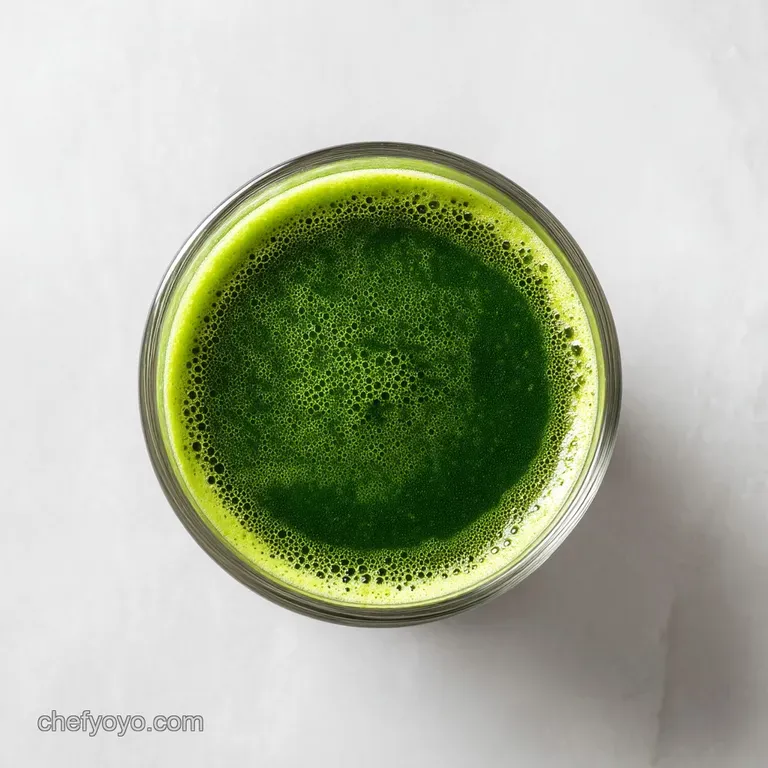
- The Daily Green Elixir: Hitting the Reset Button
- Mastering the Balance: The Science of Superior Flavor
- Essential Components: Sourcing the Highest Quality Produce
- Adjusting the Profile: Tested Swaps and Enhancements
- Crafting Your Elixir: A Step-by-Step Juicing Method
- Expert Tips and Troubleshooting Common Green Juice Errors
- Keeping the Vitality: Optimal Storage and Shelf Life
- Making it a Ritual: How to Serve and Pair Your Fresh Press
- Recipe FAQs
- 📝 Recipe Card
The Daily Green Elixir: Hitting the Reset Button
You know that clean, sharp, slightly sweet scent that hits your nose when you walk into a fancy juice bar? We are bottling that magic today. This isn't some swampy, dirt tasting health fad; this is the definitive, balanced, totally delicious recipe for the ultimate daily Green Juice .
It’s the vibrant, slightly tangy morning kiss that wakes up your entire system, and trust me, it tastes shockingly good.
Why bother with store-bought options that are pasteurized and packed with unnecessary fruit sugars? Making your own Green Juice is cheap, unbelievably fast, and puts you in control of every drop.
I can whip up a week's supply in about 20 minutes, and the feeling of knowing exactly what's fueling my body? Priceless. When life gets heavy, a big glass of this elixir feels like hitting the internal reset button, no complex diet required.
This specific Green Juice recipe is the one I’ve perfected over years of trial and error (yes, I’ve made some truly disgusting batches). We are diving deep into the exact ingredient ratios, the mandatory prep steps, and the one trick that maximizes your yield.
Let’s crack on and transform a pile of greens into the best part of your morning routine.
Mastering the Balance: The Science of Superior Flavor
Most people hate homemade vegetable juice because they focus too much on volume and not enough on flavor symmetry. The key to a truly palatable, drinkable Green Juice is managing the intense earthiness of greens like kale and then countering it effectively with bright, natural acidity and a bit of spice.
This recipe nails that balance every single time.
Why We Call This the "Reset Button" Elixir
This Green Juice works because we use hydration heroes celery and cucumber as the backbone, which dilutes the strong chlorophyll flavor of the leafy components.
Cucumber, in particular, has a neutral, clean taste and provides incredible bulk without adding significant calories or overwhelming flavors. We keep the sugars low by using only one Granny Smith apple for necessary sweetness and a crucial squeeze of lemon to sharpen everything up.
Juicing Fundamentals: What Defines a high-quality Green Drink?
A high-quality Green Juice focuses primarily on vegetables, with fruit acting as a flavor enhancer, not the main event. If your juice tastes overwhelmingly like apple or orange, you’re just drinking expensive sugar water disguised as health food.
We aim for deep color, vibrant clarity, and a quick, clean finish on the palate, which is exactly what this Green Juice Recipe delivers.
Equipment Check: Juicer vs. High Speed Blender
Look, if you are serious about making a true, pulp free Green Juice , you need a juicer. A high speed blender will work in a pinch (especially if you're making a thicker beverage, like our Green Smoothie Recipe: Ultra Creamy, Balanced, and Ready in 7 Minutes ), but blending incorporates air and requires you to strain the mixture, resulting in a much foamier, cloudier, and less concentrated liquid. If you want concentrated vitality, the juicer wins. For maximum nutrient preservation, masticating (cold press) juicers are fantastic, but even a good quality centrifugal machine will produce a stellar daily Green Juice .
Balancing Earthy Greens with Bright Acidity (Apple and Kale)
Granny Smith apples are mandatory here, and this is non-negotiable for the best Green Juice . Their tartness is essential for cutting through the mild bitterness of the kale and the slightly salty notes of the celery.
If you use a sweet apple, like Fuji or Gala, the overall profile becomes murky and loses its necessary sharpness.
The Role of Ginger in Cutting Bitterness
That little knob of fresh ginger? It’s pure magic. Ginger provides a warm, clean heat that distracts your taste buds from any residual "green" flavor, ensuring your Green Juice feels invigorating.
It's the ultimate flavor transformer, converting a drink that might be tolerable into something you actively look forward to. Don't skip this ingredient, or use powdered ginger it’s not the same!
Achieving the Perfect, Smooth Texture
Pulp is the enemy of a delightful Green Juice . While some pulp is inevitable, the goal is clarity. Using the right sequence in your juicer (feeding the hard things after the soft things, which we cover below) minimizes the amount of particulate matter that ends up in your glass.
If your final juice is still too cloudy, a quick run through a fine mesh sieve or piece of cheesecloth is worth the extra 30 seconds.
Essential Components: Sourcing the Highest Quality Produce
The quality of your produce directly dictates the quality of your finished Green Juice . Since we are consuming these ingredients in concentrated form, opting for the freshest, crispiest vegetables makes a huge difference in both flavor and nutrition.
Remember to always wash everything meticulously.
| Component | Why It’s Included | Substitution Strategy |
|---|---|---|
| English Cucumber | High water content, neutral flavor, maximizes liquid yield. | Zucchini (peeled, if skin is thick) or more Celery. |
| Celery Stalks | Essential electrolytes and a mild, savory counterpoint. | Romaine lettuce hearts (use double the volume). |
| Lacinato Kale | Rich in vitamins (the heavy lifter). | Swiss Chard or Curly Kale (de-stemmed). |
| Baby Spinach | Milder flavor than kale, easy to pack, great color boost. | Use extra Kale, or a small handful of fresh Parsley. |
| Granny Smith Apple | Non-negotiable tartness and sweetness balance. | Peeled Orange or half a small Pear. |
| Fresh Ginger | Essential spice kick and flavor lift. | 1/4 tsp cayenne pepper (if you want heat, not ginger flavor) OR 1/2 tsp fresh turmeric root. |
| Lemon | Preservative qualities, prevents oxidation, sharpens flavor. | Lime (use half the amount) or 1 tsp Apple Cider Vinegar. |
Adjusting the Profile: Tested Swaps and Enhancements

We are going for a consistently delicious, healthy Green Juice every time. But sometimes you need to use what you have on hand, and that’s fine! Here are the swaps that actually work without ruining the overall composition.
The Power Players: Kale and Spinach Selection
Kale gives you density and a strong vitamin punch, but sometimes it can be overwhelming. If you are new to making Green Juice , start with a higher ratio of spinach to kale (2:1).
Spinach has a far milder, almost buttery flavor when juiced, making the transition to the hard core green life easier. Just make sure both are packed tightly when measuring to get the right volume of leaves.
The Hydration Heroes: Choosing Crisp Celery and Cucumber
The cucumber should literally crack when you break it; if it’s rubbery, skip it. Cucumber adds crucial liquid volume to the final Green Juice . When selecting celery, aim for the pale green inner stalks; the darker green outer stalks can sometimes impart a slightly bitter taste.
Prepping Your Produce: Cleaning and Chopping Guide
This is where I used to fail. I’d just rinse everything and throw it in. Massive mistake. Gritty Green Juice is disgusting. Soak your kale and spinach in a bowl of cold water for 10 minutes, swirling gently, and rinse again.
Cut your celery and cucumber into 1 inch chunks. Remember to remove the peel from the lemon just the yellow rind! If the white pith goes through the juicer, your beautiful green elixir will taste instantly sour and harsh.
Swapping the Granny Smith for Other Sweeteners
If you absolutely cannot find Granny Smith, or need a lower sugar Green Juice , you can substitute half a large orange, fully peeled. Do not use sweet syrups or honey to sweeten a bland batch later; it will never integrate properly. The flavor needs to be built into the pressed juice itself.
Boosting the Spice: Ginger Intensity Levels
I use a generous 1 inch chunk of ginger because I love the heat, especially when paired with the cool refreshment of a fresh Green Juice . If you prefer less spice, start with half an inch and work your way up. You can always add more but you can't take it away!
Adding Depth: Optional Herbs and Citrus Twists
Want to subtly change the profile of your daily Green Juice ? Try adding a small handful of fresh mint or cilantro along with the greens. Mint gives it a bright, cooling finish, fantastic for summer.
A small piece of fresh turmeric root (about the size of your thumb tip, peeled) also adds an earthy depth and a lovely golden hue.
Crafting Your Elixir: A step-by-step Juicing Method
This process is straightforward, but following the proper sequence is key to getting the best yield and the highest quality Green Juice .
The Optimal Order for Feeding Your Juicer (Hard vs. Soft Produce)
- Start Soft and Leafy: Begin with all of the baby spinach and kale leaves. Feed them slowly. They will compress quickly and often cling to the juicer walls.
- Follow with the Scrubbers: Immediately feed the cucumber, celery, and apple pieces. This is the secret. The hard, wet produce acts like a plunger, forcing the concentrated leafy matter through the screens and extracting every last drop of your potent Green Juice .
- Finish with the Intensifiers: Feed the ginger and the peeled lemon last. Their strong flavor and acidity ensure the final drops are clean and vibrant.
Maximizing Yield and Minimizing Waste
If you notice your pulp coming out excessively wet, run it through the juicer one more time if you have a slow/masticating model. This trick doesn’t work well on centrifugal models, but it significantly increases the volume of a cold press Green Juice .
Also, always try to push the greens through using another piece of produce, never just the pusher tool, which can lead to inefficient juicing.
Immediate Serving and Pulp Management
As soon as the final drop of juice has been collected, pour it into a chilled glass. You need to consume this powerful liquid quickly for the maximum nutrient load. If you’re not drinking it right away, cap it immediately and refrigerate.
As for the pulp, I usually compost it, but you can save the dried, fibrous apple and carrot pulp (if you add carrots) for baking muffins or crackers.
Expert Tips and Troubleshooting Common Green Juice Errors
There are three major ways people mess up their homemade Green Juice . Let’s prevent them together.
Preventing Excessive Foam and Separation
Foaming is usually caused by fast juicers (centrifugal types) incorporating too much air. The foam itself is harmless, but it speeds up oxidation. If you have excessive foam, let the juice sit for 30 seconds, then skim the foam off with a spoon before pouring.
For a cleaner texture, gently stir the juice instead of shaking it, as shaking adds more air bubbles.
The Biggest Juicing Mistake: Mixing Too Much Air
If you have to pause your juicing process, cover the collection container immediately. Exposure to air, especially warm air, degrades the vitamins in your Green Juice rapidly. This is why cold ingredients are paramount.
I once juiced a huge batch of room temperature produce because I was in a rush, and the final drink tasted dull and metallic within an hour. Always chill your produce completely before starting.
Adjusting Consistency Post Press
If your finished Green Juice is too thick (perhaps you used less cucumber), thin it immediately with a splash of filtered water or a tiny bit of coconut water.
If it’s too watery (perhaps your greens were still damp), you can add a small amount of liquid stevia or half an ounce of fresh lime juice to concentrate the flavor profile.
Chef’s Note: Never store the pulp alongside the juice. The moisture in the pulp will encourage microbial growth and speed up the deterioration of your precious Green Juice. Discard or use the pulp immediately after pressing.
Keeping the Vitality: Optimal Storage and Shelf Life
The whole point of drinking fresh Green Juice is to consume the nutrients while they are at their peak. Storage requires careful management to minimize oxidation.
Minimizing Oxidation for Peak Freshness
The best way to slow oxidation is to remove air contact. Pour your fresh Green Juice into airtight glass jars (Mason jars work perfectly), filling them right up to the very top lip so there is minimal air space beneath the lid.
The lemon juice in this recipe acts as a natural preservative and really helps maintain the vibrant color and flavor.
Short Term Refrigeration Techniques
Stored properly in an airtight container, this Green Juice can last 2 to 3 days in the refrigerator. After day three, while it is still safe to drink, the nutrient content will have dropped significantly and the flavor may become flat or slightly sour.
Always store the jars on a lower, colder shelf in the fridge, not in the door.
Freezing Juice for Extended Use (Ice Cube Method)
But does it freeze well? Yes, actually! While I prefer the flavor of fresh pressed Green Juice , freezing is a great strategy for batch prep. Pour the juice into large silicone ice cube trays. Once frozen solid, transfer the cubes into a freezer bag, squeezing out all the air. They will last for 2 3 months. To use, simply pop a few cubes into a glass and let them thaw in the fridge overnight, or use them as a nutritional boost for our Green tea smoothie: Velvety Creamy Matcha Recipe in 5 Minutes .
Making it a Ritual: How to Serve and Pair Your Fresh Press
This healthy Green Juice should be treated like fine wine served chilled, and enjoyed slowly. Don't chug it!
I highly recommend pouring the juice over a few ice cubes, even if your produce was cold. The extra chill seems to sharpen the flavors even further. Garnish with a thin slice of cucumber or a sprig of fresh mint to feel extra fancy.
This vibrant, crisp Green Juice is fantastic paired with something rich and fatty, as the acidity cuts through the richness beautifully. Think about serving it alongside scrambled eggs with cheese, or a handful of roasted nuts.
It acts as a palate cleanser and a digestive boost, ensuring your morning starts with energy and clarity. Once you master this balanced recipe, you’ll never go back to those overly sweet, bland supermarket versions. This is the ultimate daily Green Juice reset.

Recipe FAQs
How long can I safely store this Green Elixir after preparation?
Green juice is always best consumed immediately after preparation due to the rapid nutrient degradation caused by oxidation. If absolutely necessary, store the juice in a sealed, airtight glass jar filled completely to the brim to reduce trapped oxygen. Keep it refrigerated for a maximum window of 24 to 48 hours.
My juice tastes too earthy and bitter. How can I better balance the flavor profile?
Bitterness usually stems from over juicing tough cruciferous stems or using too much kale relative to the fruit. To correct this, try adding the juice of half a lemon or lime, which provides acid to cut the bitterness.
Alternatively, increase the amount of the Granny Smith apple or add a few additional cucumber slices for hydration and sweetness.
I don't own a dedicated juicer. Can I use a high speed blender instead?
Yes, you can use a blender, but the resulting texture will be thicker and contain more fiber. Blend all ingredients with a half cup of water until perfectly smooth, then you must strain the mixture.
For the clearest juice consistency, press the blended liquid through a fine mesh nut milk bag or cheesecloth to remove the pulp.
Can I freeze the green juice for batch preparation and longer storage?
While you technically can freeze the juice, note that freezing and thawing significantly compromises the delicate enzymes and fresh nutrient potency. If long term storage is essential, freeze the juice in ice cube trays and consume them within 2 months, ideally blending the frozen cubes directly into smoothies instead of drinking thawed liquid.
I am sensitive to the spice of ginger. What is a good flavor substitution for that zesty kick?
Ginger provides necessary heat and a sharp aromatic lift to the elixir. For a cooling, equally vibrant variation, swap the ginger for a small handful of fresh mint leaves, which offer a refreshing counterpoint to the greens.
Alternatively, for a gentle earthy spice, a small pinch of turmeric root or powder is a healthy option.
Can I substitute other leafy greens like collard greens or Swiss chard for the kale and spinach?
You may substitute greens, but note that the flavor profile will change, as greens like collard and mustard greens are considerably more robust and bitter. Start by using less of the substitute green than the recipe calls for, and make sure to increase the cucumber and apple slightly to maintain the intended flavor balance.
Is it necessary to peel ingredients like the cucumber, apple, or ginger before juicing?
For most ingredients, peeling is optional, especially if they are organic, as the skins contain fiber and nutrients. However, you should always scrub the skins of the cucumber and apple thoroughly, and it is highly recommended to peel the ginger root, as its skin can impart a dusty or muddy taste to the final product.
Ultimate Green Juice Reset Button

Ingredients:
Instructions:
Nutrition Facts:
| Calories | 91 kcal |
|---|---|
| Protein | 5.0 g |
| Fat | 0.9 g |
| Carbs | 18.5 g |
