Artisanal Burger Bun Recipe
- Time: Active 30 mins, Passive 55 mins, Total 1 hour 25 mins
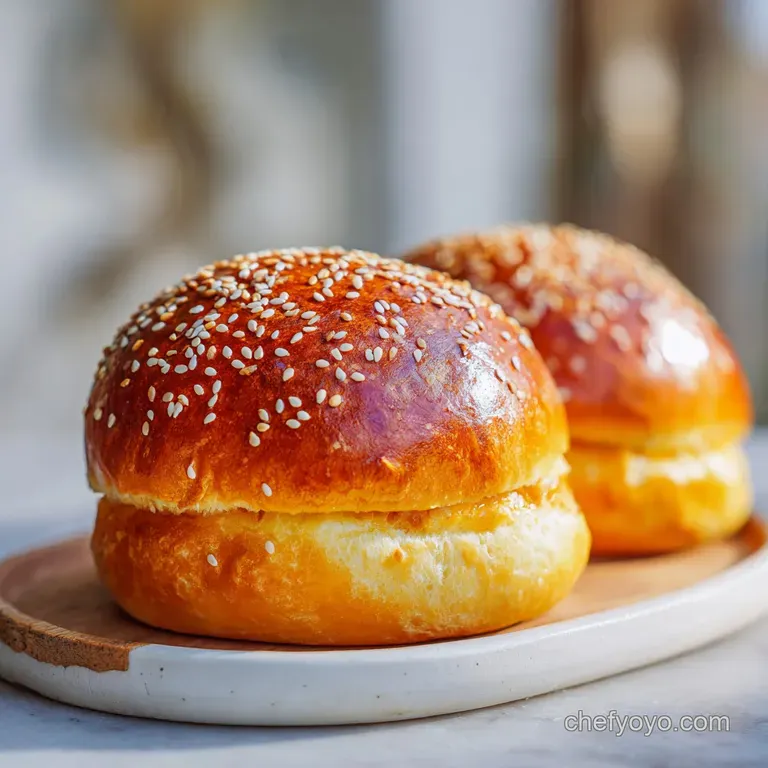
- Flavor/Texture Hook: Cloud like, velvety crumb with a golden, honey sweetened crust
- Perfect for: Weekend cookouts, gourmet sliders, or artisanal sandwich prep
- Making a Soft Homemade Burger Bun Recipe
- The Science of Why it Works
- Component Analysis and Ingredient Deep Dive
- Sourcing Your Artisanal Ingredients
- Crafting the Dough from Starter to Oven
- Avoiding Dense Crumb and Sogginess
- Plant Based and Sourdough Modifications
- Keeping Your Buns Fresh for Days
- Pairing Buns with the Perfect Fillings
- Debunking Bread Making Misconceptions
- Recipe FAQs
- 📝 Recipe Card
Making a Soft Homemade Burger Bun Recipe
There is something truly tragic about a high-quality burger sitting on a dry, crumbly, store-bought bun that falls apart after the first bite. We’ve all been there, holding a sad pile of beef and lettuce because the bread gave up the ghost.
For a long time, I thought that "squishy" texture was only possible through industrial additives, but I was wrong. It turns out, a simple technique from Asian baking traditions is the secret to getting that rustic, artisanal feel right in your own kitchen.
When you pull these from the oven, the aroma of toasted honey and yeast fills the room, reminding you why we bother doing this from scratch. These aren't just bread; they are a soft landing for your favorite patties.
This specific burger bun recipe uses a "Tangzhong" starter, which sounds fancy but actually takes about three minutes. It’s the difference between a bun that tastes like cardboard and one that feels like a velvet cushion.
I remember the first time I tried this. I was skeptical that a little paste made of flour and water could change the physics of my bread. But the moment I pressed my thumb into the cooled bun and watched it spring back perfectly, I knew I was never going to buy a plastic bag of buns again.
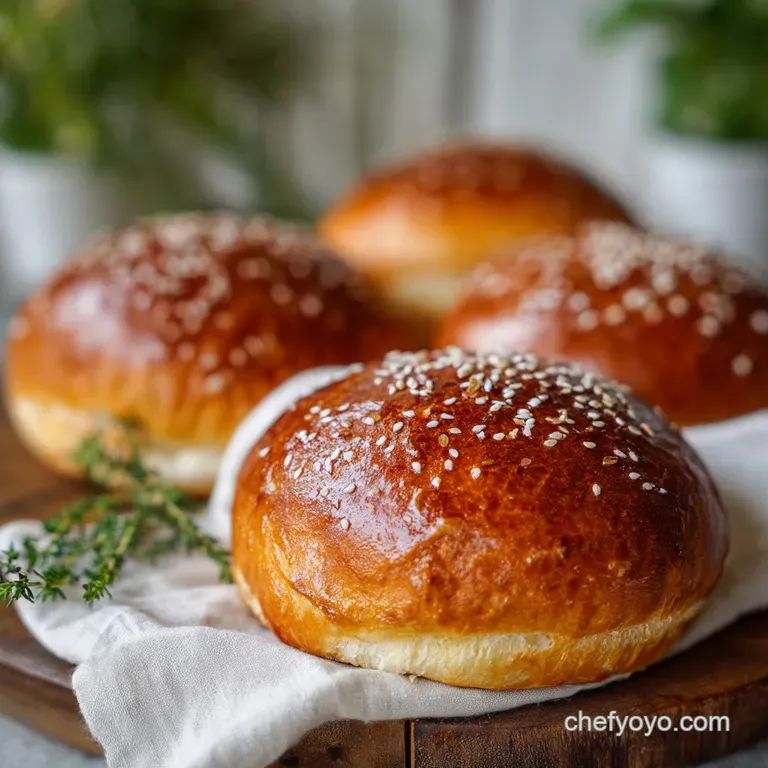
Trust me on this, once you see that golden brown sheen, you'll be as obsessed as I am.
The Science of Why it Works
Starch Gelatinization: Pre cooking flour and liquid into a paste (Tangzhong) allows the starch to absorb significantly more water than raw flour. This creates a stable structure that retains moisture during the high heat of the bake, resulting in a velvety crumb.
Maillard Reaction: The combination of honey in the dough and the egg wash on top creates a chemical reaction between amino acids and reducing sugars. This produces that signature mahogany color and a complex, toasted flavor profile that balances the savory meat.
Gluten Relaxation: Using honey instead of granulated sugar provides hygroscopic properties, meaning it attracts water. This keeps the gluten strands supple and prevents the bun from becoming tough or overly chewy like a crusty baguette.
| Method | Total Time | Resulting Texture | Best Use Case |
|---|---|---|---|
| Traditional Oven | 1 hour 25 mins | Fluffy interior, golden crust | Classic backyard burgers |
| Air Fryer | 1 hour 5 mins | Crispier exterior, denser | Quick small batch sliders |
| Bread Machine | 2 hours 10 mins | Very consistent, uniform | Hands off meal prep |
Choosing your method depends on how much crust you want. The oven provides the most even heat distribution, which is why I always stick to the classic baking sheet approach. It allows the buns to expand sideways slightly, giving you that perfect wide shape for a standard patty.
Component Analysis and Ingredient Deep Dive
| Ingredient | Science Role | Pro Secret |
|---|---|---|
| Bread Flour | High protein content (12-14%) creates a strong gluten network. | Use a scale; volume measurements for flour are notoriously inaccurate. |
| Instant Yeast | Biological leavener that produces CO2 for the rise. | Keep yeast away from direct contact with salt when first mixing. |
| Honey | Provides sugar for yeast and retains moisture post bake. | Spray your measuring spoon with oil so the honey slides out. |
| Unsalted Butter | Fat coats gluten strands, making the crumb tender and soft. | Ensure it is "mushable" room temperature, not melted. |
Success with this burger bun recipe starts with understanding that bread is a living thing. The flour isn't just a dry base; it’s a source of protein that, when hydrated and kneaded, becomes the scaffolding for your bread. I highly recommend using a high-quality bread flour rather than all purpose.
The extra protein gives the buns enough strength to hold up a juicy burger without collapsing.
Sourcing Your Artisanal Ingredients
To get that rustic feel, we need to be specific about what goes into the bowl. I’ve made the mistake of using cold eggs or "dead" yeast before, and it’s a recipe for disappointment. Make sure everything is at the right temperature before you start.
- 20g bread flourWhy this? Essential for the starter paste.
- 25ml whole milkWhy this? Adds richness to the Tangzhong.
- 50ml waterWhy this? Provides hydration for the starter.
- 350g bread flourWhy this? High protein ensures the bun holds its shape.
- 7g instant yeastWhy this? Faster rise and consistent results.
- 35g honeyWhy this? Natural sweetener that keeps bread soft.
- 7g fine sea saltWhy this? Tightens gluten and enhances flavor.
- 1 large eggWhy this? Must be room temperature to avoid shocking the yeast.
- 120ml warm milk (110°F)Why this? Activates the yeast without killing it.
- 40g unsalted butterWhy this? Softened butter integrates better into the dough.
| Original Ingredient | Substitute | Why It Works |
|---|---|---|
| Honey | Maple Syrup | Same liquid sugar ratio. Note: Adds a slight woody flavor. |
| Whole Milk | Oat Milk | Similar fat/protein. Good for those avoiding dairy. |
| Bread Flour | All Purpose Flour | Lower protein. Note: Buns will be softer but less sturdy. |
Crafting the Dough from Starter to Oven
- Whisk starter. Combine 20g flour, 25ml milk, and 50ml water in a small pan over medium heat. Note: This is your Tangzhong.
- Thicken paste. Stir constantly for 2 minutes until a thick, pudding like paste forms. Set aside to cool.
- Mix liquids. Combine 120ml warm milk, 35g honey, and 7g yeast in a large bowl. Note: Let it sit for 5 minutes until foamy.
- Combine ingredients. Add the cooled starter, one egg, and 350g flour to the yeast mixture. Mix until a shaggy dough appears.
- Knead dough. Add 7g salt and 40g softened butter. Knead for 8 minutes until the dough is smooth and elastic.
- First proof. Place dough in a greased bowl, cover, and let rise for 45 minutes until doubled in size.
- Divide portions. Punch down the dough and divide into 8 equal pieces (about 85g-90g each). Note: Use a scale for uniformity.
- Shape buns. Roll each piece into a tight ball by tensioning the dough against the counter. Place on a lined baking sheet.
- Final proof. Cover with a damp cloth for 30 minutes until puffy and light.
- Bake buns. Brush with egg wash and bake at 375°F for 15 minutes until mahogany brown and hollow sounding when tapped.
Chef's Tip: If you want that classic "flat" burger bun look, gently press down on the dough balls with the palm of your hand right before the second proof. This prevents them from becoming too spherical and helps them fit the patty better.
Avoiding Dense Crumb and Sogginess
The biggest hurdle with any homemade burger bun recipe is usually the "brick" factor. If your buns feel heavy enough to break a window, you likely skipped the kneading process or used water that was too hot, which killed your yeast. It's a rite of passage for every baker, so don't be discouraged!
Why Your Buns Stayed Small
If your dough didn't rise, your yeast was likely expired or the milk was over 120°F. Yeast is a living fungus; it needs warmth to wake up but high heat will effectively cook it. Always use a thermometer for your milk.
If the dough feels cold, find a warm spot like the top of a preheating oven to help it along.
Why the Texture is Doughy
This usually happens if you pull them out of the oven too early. The internal temperature of a finished bun should be around 190°F to 200°F. If the crust is browning too fast but the inside is wet, lower your oven rack.
| Problem | Root Cause | Solution |
|---|---|---|
| Tough crust | Too much flour during kneading | Use a scale; keep the dough slightly tacky. |
| Yeast didn't bloom | Liquid was too hot | Keep milk under 115°F. |
| Buns collapsed | Over proofing during second rise | Poke the dough; it should spring back slowly. |
Common Mistakes Checklist ✓ Never skip the Tangzhong; it is the source of the velvety texture. ✓ Ensure your butter is truly soft; cold butter won't incorporate into the gluten. ✓ Use a kitchen scale for the dough portions to ensure they bake at the same rate.
✓ Let the buns cool completely on a wire rack to prevent a soggy bottom from steam. ✓ Don't forget the egg wash; it's the only way to get that artisanal shine.
Plant Based and Sourdough Modifications
Scaling this recipe for different needs is quite simple as long as you respect the ratios. If you are cooking for a crowd and need 16 buns, double the ingredients but be careful with the yeast; you may only need 1.5 times the amount to avoid an overly "beery" flavor.
For small batches, simply halve everything and use half a whisked egg in the dough.
For a Vegan Burger Bun Recipe
To make this a vegan burger bun recipe, swap the whole milk for full fat oat milk and the butter for a high-quality vegan buttery stick. Instead of the egg in the dough, use a "flax egg" (1 tbsp ground flax mixed with 3 tbsp water).
For the egg wash, use a bit of maple syrup mixed with almond milk to get that golden color.
For a Sourdough Burger Bun Recipe
If you want to turn this into a sourdough burger bun recipe, replace the 7g of instant yeast with 100g of active, bubbly sourdough starter. You will need to reduce the flour by 50g and the milk by 50ml to account for the hydration in the starter.
Note that the proofing time will increase significantly expect a 4-6 hour first rise and a 2-3 hour final proof.
Keeping Your Buns Fresh for Days
One of the best things about this burger bun recipe is the longevity. Thanks to the pre gelatinized starch in the starter, these buns don't turn into rocks by the next morning.
- Room Temperature: Store in an airtight bag for up to 3 days.
- Freezing: These freeze beautifully. Wrap each bun individually in plastic wrap, then place them in a freezer bag. They stay perfect for up to 3 months.
- Zero Waste: If you have buns that have gone slightly stale, don't toss them! Cut them into cubes, toss with olive oil and garlic salt, and bake them into the best croutons you've ever had. Alternatively, pulse them in a food processor for fresh breadcrumbs.
To reheat, avoid the microwave as it can make bread rubbery. Instead, slice the bun and toast the cut side on a buttered pan. This creates a fat barrier that prevents the juices from your burger patty recipe from soaking into the bread and making it soggy.
Pairing Buns with the Perfect Fillings
Now that you have the "soft hamburger bun recipe" mastered, it's all about the assembly. For an artisanal look, I like to sprinkle a few sesame seeds or even some flaky sea salt on the egg wash before they go into the oven. It adds a nice crunch that contrasts with the pillowy interior.
If you are serving these for a special occasion, consider a "toasting station." Spread a thin layer of mayo on the inside of the buns and sear them on a griddle until they are dark gold. This creates a velvety mouthfeel that pairs perfectly with my Burger Sauce My recipe. The fat in the mayo browns more evenly than butter, giving you that restaurant quality finish.
These also make an incredible base for breakfast. If you have leftovers, they are the ideal size for an Egg Sandwich on recipe. The sweetness of the honey in the dough plays incredibly well with salty bacon and a runny yolk.
Debunking Bread Making Misconceptions
There's a common belief that "more yeast equals a faster, better rise." This is a myth. Using too much yeast will make the dough rise too quickly, preventing the flavor from developing and often leading to a bun that collapses in the oven. Patience is the most important ingredient in any artisanal kitchen.
Another myth is that you need a professional stand mixer to make a great burger bun recipe. While a mixer makes it easier, you can absolutely knead this dough by hand. It takes about 12-15 minutes of rhythmic folding and pushing, but it’s a great way to feel the gluten developing.
If the dough is too sticky, resist the urge to dump in more flour; just keep kneading, and it will eventually come together into a smooth, silky ball.
Finally,, people often think you can't use honey and salt together because salt "kills" yeast. While salt can inhibit yeast in very high concentrations, in this recipe, it's essential for controlling the fermentation rate and strengthening the dough structure.
Just mix your yeast into the warm milk first, and add the salt with the dry flour.

Recipe FAQs
What is the secret to the softest burger buns?
The Tangzhong starter is the key. This pre-cooked flour and water paste allows the dough to absorb and retain significantly more moisture, creating a cloud like, velvety crumb.
How do I prevent my burger buns from being dense?
Ensure proper kneading and yeast activation. Under kneaded dough lacks structure, and dead yeast or liquid that's too hot will prevent a good rise, leading to a dense bun.
Can I substitute bread flour with all-purpose flour?
Yes, but expect a softer, less sturdy bun. All-purpose flour has less protein, which means a weaker gluten network, so the buns might not hold up as well to a very juicy burger.
How can I make these buns vegan?
Swap dairy for plant based alternatives and use a flax egg. Replace whole milk with oat milk, butter with a vegan stick, and make a flax egg (1 tbsp flaxseed meal + 3 tbsp water) for the dough binder.
How long will these homemade burger buns stay fresh?
Up to 3 days at room temperature or 3 months frozen. Store them in an airtight bag. Their unique moisture retention means they won't dry out as quickly as traditional buns.
Can I make these buns ahead of time?
Yes, the dough can be prepared up to 24 hours in advance. Let it perform its slow rise in the refrigerator, which deepens the flavor and makes them perfect for make-ahead meal prep.
What's the best way to reheat day-old burger buns?
Toast the cut sides in a buttered pan for a perfect crust. Avoid the microwave, which can make the bread rubbery; toasting creates a barrier that prevents burger juices from soaking through, similar to how we toast buns for a great Burger Sauce My recipe.
Artisanal Burger Bun
Ingredients:
Instructions:
Nutrition Facts:
| Calories | 242 kcal |
|---|---|
| Protein | 7.8g |
| Fat | 6.1g |
| Carbs | 39g |
| Fiber | 1.3g |
| Sugar | 4.5g |
| Sodium | 338mg |
