The Quintessential Carbonara Rich Silky and Strictly Authentic
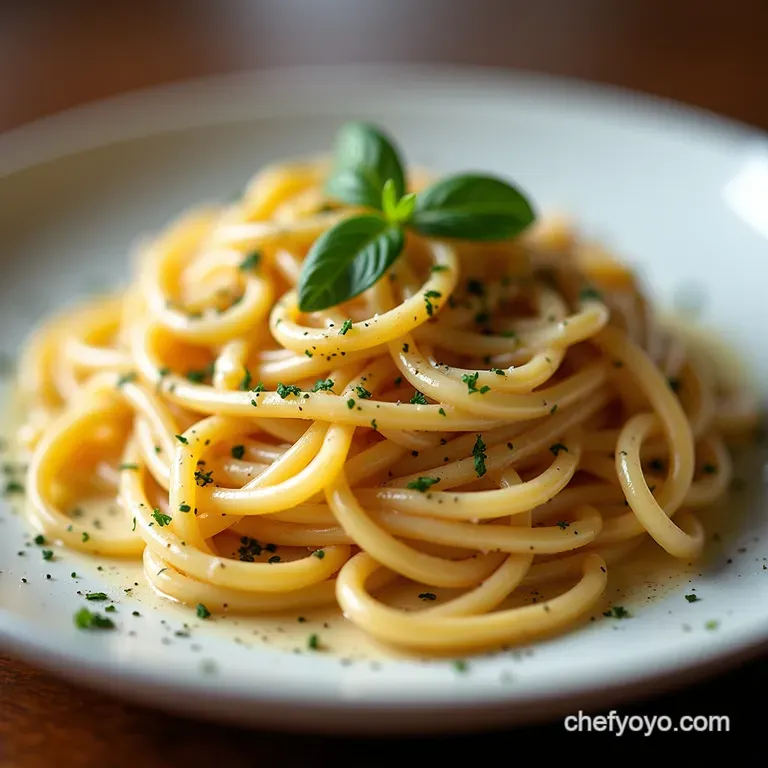
- The Chef's Blueprint: A Proper Classic Carbonara Unveiled
- Decoding Roman Authenticity: Why This Recipe Matters
- The Five Pillars: Sourcing Ingredients for Ultimate Flavor
- Essential Equipment for Crafting Flawless Classic Carbonara
- Mastering the Technique: Step-by-Step Execution
- Troubleshooting Common Carbonara Missteps
- Recipe FAQs
- 📝 Recipe Card
The Chef's Blueprint: A Proper Classic Carbonara Unveiled
Forget everything you think you know about Carbonara. This Roman masterpiece is a symphony of simplicity, relying on just five core ingredients: cured pork cheek (guanciale), sharp Pecorino Romano cheese, fresh eggs, black pepper, and pasta.
The magic happens when starchy pasta water emulsifies the egg and cheese mixture off the heat, creating a velvety, luxurious sauce that clings perfectly to every strand. It’s pure, unadulterated comfort food history.
Achieving this Classic Carbonara Recipe is a masterclass in temperature control, resulting in the Best Carbonara Pasta Recipe you'll ever taste.
We estimate this takes about 15 minutes of prep time and 15 minutes to cook, feeding four hungry souls generously.
Decoding Roman Authenticity: Why This Recipe Matters
The integrity of this dish lies in its deliberate avoidance of shortcuts. The result is an incredibly rich experience derived solely from quality components and precise technique. Understanding why certain ingredients are mandatory unlocks the secret to a truly Authentic Carbonara Recipe No Cream .
Banish the Cream: Understanding the True Carbonara Spirit
The most common culinary sin committed against this Italian icon is the addition of heavy cream. Real Roman cooks hold the view that cream is a crutch used to stabilize a sauce that would otherwise fail due to poor temperature management.
The essence of the Carbonara Sauce Recipe is that the sauce is built entirely from the rendered fat of the pork cheek, the protein matrix of the eggs, and the starch binder in the water. When done correctly, the sauce is impossibly silky, proving that richness doesn't require dairy additives.
The Magic Emulsion: Achieving Silky Perfection Without Effort
The texture we seek is often described as 'silky' or 'velvety.' This glorious consistency is an emulsion, the perfect marriage of fat (from the guanciale) and liquid (the starchy water), stabilized by the proteins in the eggs and cheese. If the heat is too high, the proteins seize, resulting in grainy, scrambled eggs.
If the heat is too low, the sauce remains runny. This balance is what separates a decent plate from a sublime one, making this an Easy Carbonara Recipe only if you respect the chemistry involved.
A Brief History of This Iconic Italian Staple
While many ancient pasta dishes boast millennia of history, Carbonara is surprisingly modern, likely originating in post World War II Rome. One popular theory suggests that American G.I.s stationed in Italy requested a dish incorporating their rations bacon and powdered eggs which was then refined by local chefs using Italian staples like guanciale and Pecorino.
Regardless of its exact genesis, it rapidly became a cornerstone of Roman cuisine, cherished for its simplicity and deep flavour profile.
The Five Pillars: Sourcing Ingredients for Ultimate Flavor
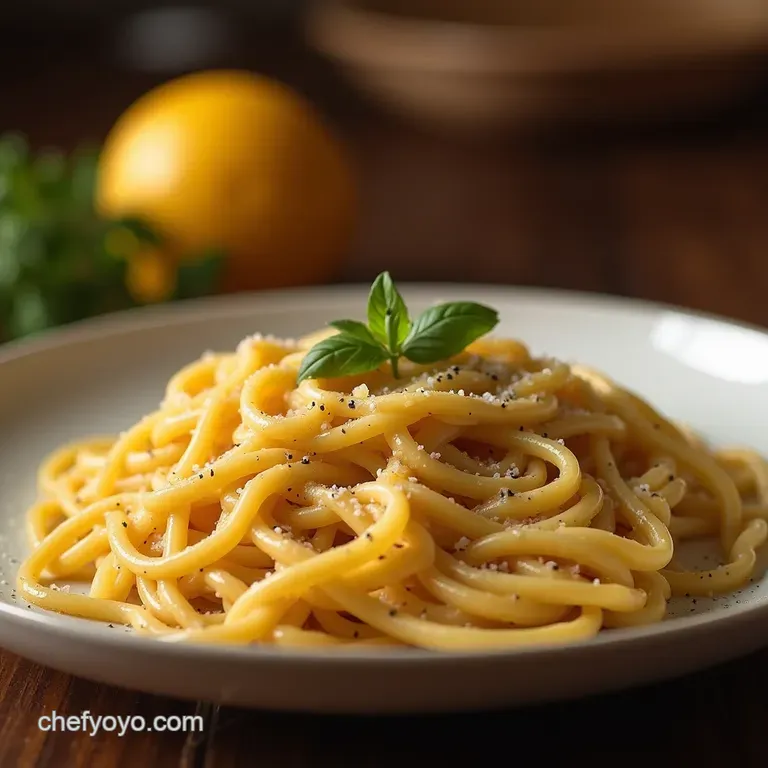
This Classic Carbonara Ingredients list is short, which places intense pressure on the quality of each item. You cannot mask low-quality components here; they must shine through in this minimalist creation.
For four servings, you will need 1 pound (450 grams) of quality pasta (such as spaghetti or bucatini), 6 ounces (170 grams) of guanciale, 2 large whole eggs plus 2 extra yolks, 1 cup (100 grams) of finely grated Pecorino Romano, and 1 tablespoon of freshly cracked black peppercorns.
Related Recipes Worth Trying
- The Pub Classic Effortless Crockpot Spinach and Artichoke Dip — Forget the oven This Easy Crockpot Spinach and Artichoke Dip recipe delivers maximum creamy flavour with minimal effort Perfect for Christmas appetizers
- The Steakhouse Secret Quick Classic Chimichurri Sauce — Need an easy Chimichurri Sauce recipe This vibrant fresh Argentinian classic takes just 15 minutes to make and is perfect for steak
- The Authentic Classic Mai Tai Recipe Master Trader Vics Taste — Tired of sickly sweet cocktails Learn how to make the authentic Trader Vic Mai Tai a perfectly balanced tropical cocktail using the crucial rum blend Your...
Essential Equipment for Crafting Flawless Classic Carbonara
While elaborate cooking stations aren't necessary, certain tools are non-negotiable for achieving the perfect texture when preparing this Best Pasta Carbonara Recipe .
You will need a large stockpot for the pasta, a wide skillet large enough to comfortably toss the pasta, a whisk, a medium mixing bowl, and critically, a microplane grater to achieve the fine, snow like texture needed for the cheese.
Guanciale Guidance: Choosing the Correct Cured Pork Cheek
Guanciale, cured pork jowl, is the cornerstone of this dish. Its fat composition is superior to pancetta or bacon; it renders down into a purer, more flavourful oil that forms the base of the sauce. Cut the 6 ounces of guanciale into small lardons (strips or cubes).
If, however, you absolutely cannot source it, use thick cut, high-quality pancetta, ensuring you render the fat very slowly to avoid burning the meat before the fat liquefies.
Pecorino Romano vs. Parmesan: The Age-Old Cheese Debate Settled
For a true Roman experience, 100% Pecorino Romano is essential. This hard, salty sheep's milk cheese provides the necessary sharp, tangy counterpoint to the rich pork fat and egg yolks.
While substituting half with Parmigiano Reggiano can soften the flavour profile for those new to the intensity, the Classic Carbonara demands the aggressive salinity of pure Pecorino.
Grate it as finely as possible a microplane is your best friend here to help it melt seamlessly into the sauce.
The Perfect Pasta Pairing: Selecting Your Noodle Profile
While spaghetti is the most iconic choice, the ultimate goal is surface area contact between the sauce and the pasta. Therefore, shapes that capture the sauce well are excellent alternatives. Bucatini (hollow spaghetti) or Rigatoni (tubular) work brilliantly.
Whichever you choose, cook it until it is seriously al dente —about two minutes shy of the package instructions as it will continue cooking when tossed with the hot fat and starchy water.
Mastering the Technique: step-by-step Execution
The following steps transform simple ingredients into a culinary triumph. Remember, speed and precision in the final stages are paramount for success.
Rendering the Guanciale: Unlocking the Flavor Base
Start by placing your cubed guanciale into the cold, large skillet. Turn the heat only to medium low. This slow start allows the fat to melt out gently without burning the meat. Cook until the pieces are golden brown and exquisitely crisp (known as ciccioli ).
Once crisp, use a slotted spoon to remove the bits and set them aside on paper towels, ensuring all of the rendered fat remains in the pan. Turn the heat completely off under this pan. This infused fat is crucial for the final flavour.
Preparing the 'Crema': Mixing the Cheese and Egg Matrix
While the guanciale renders, prepare your binding mixture. In a separate medium bowl, whisk together the 2 whole eggs and 2 yolks until homogenous. Gradually whisk in the finely grated Pecorino Romano and the majority of your coarsely ground black pepper. Continue whisking until the mixture is thick and paste like.
This must be ready before the pasta is drained.
The Critical Stage: Tempering the Eggs for a Smooth Finish
This step prevents the dreaded scramble. Take about 3 to 4 tablespoons of the very hot, starchy water you’ve set aside from cooking the pasta. While continuously whisking the egg-and-cheese mixture vigorously, slowly drizzle in this hot water.
This gently raises the temperature of the eggs, preparing them to incorporate smoothly without instantly cooking solid when they hit the warm pan.
The Final Toss: Combining Pasta, Fat, and Egg Mixture Seamlessly
Bring a large pot of heavily salted water (it should taste like the sea) to a rolling boil and cook your pasta until it is decidedly al dente . Crucially, before draining, reserve at least 1.5 cups of that hot, starchy cooking liquid it is your sauce emulsifier.
Drain the pasta quickly and immediately transfer it into the skillet containing the warm guanciale fat (remember, the heat is off). Toss to coat every strand in the fat. Now, working quickly, pour the tempered egg and cheese mixture over the pasta.
Simultaneously, begin tossing and stirring the pasta vigorously with tongs while slowly splashing in small amounts (perhaps 1/4 cup at a time) of the reserved hot, starchy water. Continue this process tossing and adding water until the sauce thickens into a glossy, clinging coating.
If the sauce appears too thin, add a tiny bit more grated cheese; if it looks too thick, add a touch more hot water.
Serving Suggestions: Immediate Plating for Best Results
The moment the sauce reaches that perfect, creamy consistency, stir in most of the reserved crispy guanciale pieces. Carbonara waits for no one! Serve immediately into warmed bowls.
Garnish each portion with the remaining crispy pork pieces, an extra coarse grinding of fresh black pepper, and, if you like, a final, light dusting of Pecorino.
Troubleshooting Common Carbonara Missteps
When attempting a Classic Carbonara , precision is key. Knowing how to correct common errors ensures you save the meal.
Why Did My Sauce Scramble? Correcting Overheated Eggs
If you see small, white curds forming, your pan was too hot when you added the egg mixture. The high heat caused the egg proteins to seize. To salvage this, immediately remove the pan from any heat source entirely. Add a generous splash of cold water or even a small knob of butter while tossing rapidly.
The sudden introduction of cool liquid can sometimes shock the temperature down enough to re-liquefy the sauce slightly, turning the curds into a looser coating rather than solid lumps.
Storage Wisdom: Keeping Leftover Pasta Palatable
This dish is best eaten the moment it’s made. If you must store leftovers, cool them rapidly and refrigerate them in an airtight container. When reheating, do not use a microwave, as it will instantly break the emulsion and dry out the pasta.
Instead, reheat gently in a saucepan over very low heat, adding small splashes of fresh milk or plain water to coax the sauce back toward creaminess.
Nutritional Snapshot: A Look at This Decadent Dish
This is an indulgence, not a light lunch. Estimates suggest a generous serving can hover between 650 and 750 calories, driven primarily by the high fat content from the guanciale and egg yolks, alongside the carbohydrates from the pasta. It is naturally high in protein and sodium due to the cured pork and hard cheese.
When to Substitute: Alternatives for Non-Traditional Diets
As this recipe is built upon pork fat and dairy, it is inherently rich in animal products. For gluten-free diets, substitute with a high-quality bronze die cut gluten-free pasta. For vegetarians, this dish is notoriously difficult to replicate authentically, as the guanciale fat is irreplaceable for the flavour base; however, some use smoked mushrooms or high-quality vegetable lardons rendered very slowly, though the resulting flavour profile will be significantly different from this Family Style Pasta Dishes classic.
Recipe FAQs
I’m terrified of scrambling the eggs! What’s the secret to a silky sauce in this Classic Carbonara?
This is the million dollar question, bless you! The absolute key is taking the pan completely off the heat before you add the egg mixture. You must rely solely on the residual heat of the pan and the piping hot pasta/water to gently warm and thicken the eggs into a sauce, not cook them into scrambled bits.
Think of it as careful tempering, not cooking.
Can I use bacon or pancetta instead of guanciale for my Classic Carbonara?
While it won't be strictly Roman, you absolutely can substitute! Guanciale (cured pork cheek) is traditional because its fat renders cleaner and has a unique depth of flavour. If you use pancetta, cook it slowly to render out as much fat as possible, leaving you with that essential, flavourful base to coat the pasta.
My sauce keeps splitting and looking grainy what am I doing wrong?
A grainy sauce usually means one of two things: either the heat was too high when you added the eggs, or you didn't use enough starchy pasta water. The starch in that water is essential for creating the proper emulsion.
Try adding your pasta water a tablespoon at a time while vigorously tossing; it acts like a glue holding the fat and egg together.
How long can I keep leftover Carbonara, and is it any good reheated?
Honestly, Carbonara is best eaten immediately it's like a very enthusiastic handshake; it loses its charm if left too long! If you must store it, pop it in an airtight container in the fridge for no more than a day. Reheating is tricky; never microwave it, as the eggs will seize.
The best bet is to reheat gently in a skillet with a small splash of fresh milk or reserved pasta water to try and loosen the sauce.
Is adding cream ever acceptable in a Classic Carbonara recipe?
Right, let’s set the record straight: purists would say absolutely not! True Roman Carbonara achieves its legendary silkiness through the magic of egg yolks, cheese, and starchy water, not heavy cream.
Adding cream is often a safety net for beginners, but if you nail the technique, you won't need any dairy beyond the Pecorino.
Authentic Classic Carbonara
Ingredients:
Instructions:
Nutrition Facts:
| Calories | 630 kcal |
|---|---|
| Protein | 21.5 g |
| Fat | 16.9 g |
| Carbs | 38.8 g |
| Fiber | 0.8 g |
| Sodium | 749 mg |
