Greek Garlic Roasted Potatoes: the Secret to Creamy, Crispy Patates Lemonates
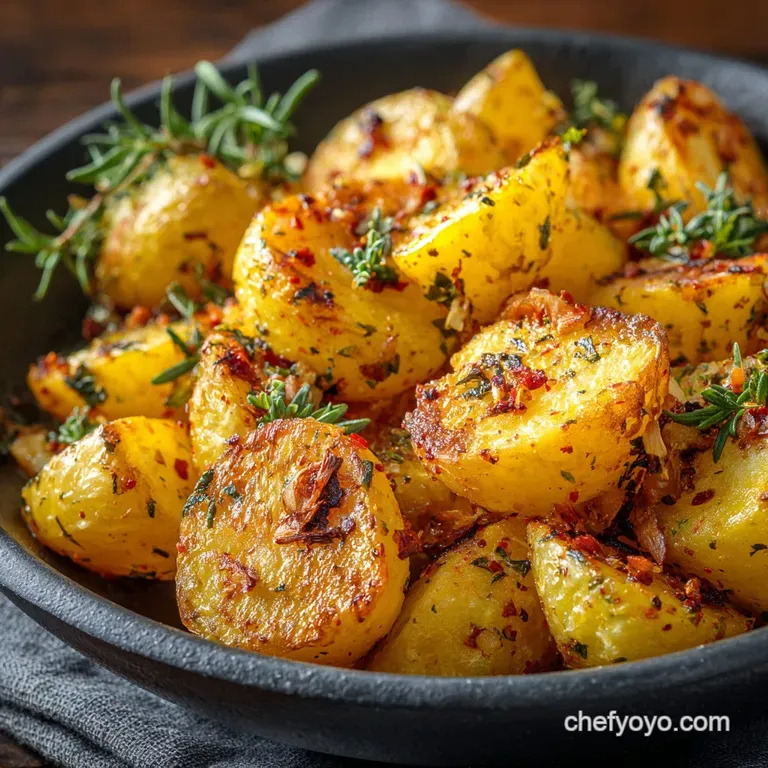
- Unlocking the Secret to Authentic Patates Lemonates
- The Science of the Perfect Spud: Why Half-Braising Guarantees Creaminess
- Essential Ingredients for the Best Greek Garlic Roasted Potatoes
- Preparing The Athenian Roast: Step-by-Step Method
- Troubleshooting Your Greek Garlic Roasted Potatoes (Expert Tips)
- Storing Leftovers and Reheating Patates Lemonates
- What to Serve With Greek Garlic Roasted Potatoes (Traditional Pairings)
- Recipe FAQs
- 📝 Recipe Card
Unlocking the Secret to Authentic Patates Lemonates
The smell alone will stop you in your tracks. Imagine perfectly creamy potato wedges, coated in the sharp tang of fresh lemon and the earthy warmth of oregano, all kissed with potent garlic. It smells like a Greek island vacation, honestly.
This isn't just another roasted potato recipe, friends. This is Patates Lemonates, the Athenian gold standard, and it's a total weeknight lifesaver. You only need a few pantry staples, they are incredibly cheap to make, and the technique is shockingly simple. We are unlocking maximum flavor with minimal effort here.
I spent years chasing that perfect, creamy inside, crispy outside spud, only to find the secret wasn't more oil or higher heat. It was a little bit of liquid magic, a technique that transforms them. Let’s crack on and make the best traditional greek lemon garlic roasted potatoes you have ever tasted.
The Science of the Perfect Spud: Why Half Braising Guarantees Creaminess
Beyond Standard Roast Potatoes: The Athenian Difference
When most people make roast potatoes, they toss them in oil and blast them in the oven immediately. That’s fine, but it leads to dry interiors and sometimes scorched exteriors. The Greek method is different, and frankly, it's brilliant.
We start with a slow, gentle cook in a liquid bath before we ever aim for crispness.
What Makes Patates Lemonates So Unique? (The Texture Contrast)
The magic of authentic Patates Lemonates is the incredible texture contrast. You need that deeply crispy, golden crust, but the interior must be fork tender and slightly fudgy. Standard roasting just can't deliver this level of creaminess consistently.
The key is in the initial liquid absorption it hydrates the potato starch perfectly.
A History in Every Bite: Why This Dish is a Greek Staple
Every taverna and Greek family gathering features this dish for a reason. It is designed to stand up to robust main courses while simultaneously cutting through richness. It's a comforting staple, proving simple, quality ingredients are always the best way to go.
The Emulsion Trick: Combining Oil, Stock, and Lemon Juice
This is where the flavor bomb happens. By mixing the olive oil, lemon juice, and stock, you create a loose, highly flavorful emulsion. As the liquid slowly heats, the potatoes absorb the stock, but the essential oils and lemon flavors cling to the starches.
This concentration of flavor is why the finished potatoes taste so tangy and rich.
Mastering the Two-Stage Cook: Tenderizing Before Crisping
We use two distinct temperature settings. The first stage, roasting at a higher temperature with liquid, is technically a braise. This allows the potato to fully soften while absorbing all the aromatic liquid. Crucially, the second stage is purely about evaporation and searing.
Once the liquid is gone, the oil remaining in the pan fries the exterior to perfection.
Achieving Maximum Flavour Absorption: The Role of Garlic and Stock
Don’t be shy with the garlic; 8 to 10 cloves might sound like a lot, but its pungency mellows beautifully in the oven. Using a good quality chicken stock low sodium is best adds savory depth that water just can't provide.
This stock ensures the potatoes are flavored from the inside out as they cook.
Essential Ingredients for the Best Greek Garlic Roasted Potatoes
You don't need fancy stuff for this, just solid ingredients treated well. I always say, never skimp on the olive oil here; it makes a huge difference in the final mouthfeel and flavor.
Choosing the Right Potato Variety for Maximum Crispness
I swear by Yukon Gold for this particular recipe. They have enough starch to soak up the flavor bath, but they hold their shape beautifully, unlike high starch potatoes (looking at you, Russets). Waxy potatoes are your best friend here.
The Pungency Factor: Fresh Garlic vs. Dried Alternatives
Please, I beg you, use fresh garlic. The powerful, fresh aroma mellows into a beautiful, buttery sweetness during the long cook time. Dried garlic powder or granules just won't give you that authentic depth. My first attempt failed because I was lazy and used dried never again!
Mastering the Liquid Base: Which Broth is Best?
Chicken stock is my go-to. It adds a background layer of umami that makes the finished potatoes feel hearty. Vegetable stock works great if you’re keeping it vegetarian, but skip the plain water unless you have no other choice.
Fresh Lemon: Optimizing the Zest and Juice Ratio
Always zest the lemon before you juice it it’s far easier. We use both the zest and the juice because the zest contains volatile oils that offer a deeper, more aromatic citrus flavor that resists heat better than the juice alone. The juice provides the necessary acidity for tenderness.
| Ingredient | My Recommendation | Viable Substitute |
|---|---|---|
| Potatoes | Yukon Gold | Red skin or small New Potatoes (cut into halves) |
| Garlic | Fresh, smashed cloves | Garlic paste (use half the amount) |
| Stock | Low-Sodium Chicken Stock | Water + Bouillon powder/paste |
| Dried Oregano | Greek Oregano | Fresh oregano (add toward the end) |
Preparing The Athenian Roast: step-by-step Method
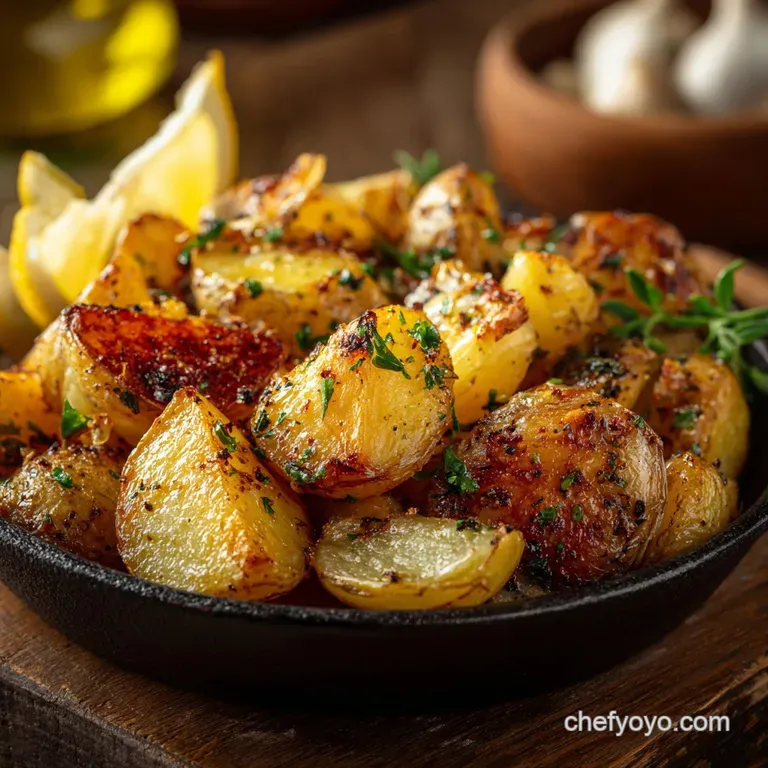
Prepping the Potatoes: The Optimal Cut for Even Cooking
Start by peeling your potatoes, or scrubbing them really well if you prefer the skin on. Now, cut them into large, equal wedges. Think large steak fries, not thin chips. If your pieces are uneven, the smaller ones will turn to mush while the large ones are still hard in the center.
Building the Flavor Bath: Combining Liquids and Seasonings
In your roasting dish, whisk together the olive oil, lemon juice, lemon zest, salt, pepper, and dried oregano. Stir in the stock and the smashed garlic. The liquid should look slightly cloudy that's the oil, acid, and water starting to emulsify. This flavor bath is what makes the dish!
The Braise Stage: Slow Cooking for Tenderness
Toss the potatoes right in the dish, ensuring they are fully coated, then spread them in a single, even layer. Shove the dish into a 220°C (425°F) oven for the initial 30– 35 minutes. You should see bubbling and steam as the liquid starts to cook the potatoes gently.
Stir them halfway through this stage to promote even absorption.
over High heat Finish: Achieving That Golden Brown Crisp
Reduce the oven temperature to 200°C (400°F). After about 20 minutes, almost all the stock should be gone, leaving behind a thick, syrupy, garlicky oily residue. This is the moment!
Take the pan out, scrape the bottoms aggressively, coating the potatoes in that reduced syrup, and return them to the lower heat. Roast for another 20– 25 minutes until those golden brown Greek Lemon Potatoes are perfectly crunchy.
Chef's Note: If your pan is shallow, you might need to check them often during the final stage. The transition from perfectly crisp to burnt caramel happens fast once the liquid fully evaporates!
Troubleshooting Your Greek Garlic Roasted Potatoes (Expert Tips)
Mistake Alert: Why Your Potatoes Aren't Crisping Up
The number one reason for mushy Patates Lemonates is residual liquid. If you pull the potatoes out and there is still visible, runny stock at the bottom of the pan, they won't crisp up.
Fix it: Return them to the oven and cook until the liquid has completely reduced down to a thick, oily film, then finish under the broiler for a couple of minutes if necessary.
Tip for Uniform Browning: Don't Crowd the Pan!
If your potatoes are stacked in a pyramid, they will steam instead of braise and roast. They need breathing room! Use a big roasting pan even if it seems too large to allow the hot air to circulate and ensure every surface gets hit with heat. Crowding is the enemy of crispness.
Elevating the Flavor: Adding Dried Herbs Mid-Braise
I mentioned using good dried oregano, but if you want to kick it up a notch, add a tiny bit of smoked paprika during the braise stage. This gives a beautiful color and a subtle smokiness that balances the lemon tang perfectly. Just a quarter teaspoon is enough.
Storing Leftovers and Reheating Patates Lemonates
Optimal Reheating Methods for Maintaining Crispness
This is critical: do not use the microwave for your delicious leftover Lemon Roasted Potatoes Greek style. They will turn instantly rubbery and sad. Reheat them on a sheet tray in a hot oven (200°C/400°F) for about 10– 15 minutes until they sizzle and crisp up again.
Shelf Life and Safety: How Long Do They Last in the Fridge?
Patates Lemonates keep beautifully in the fridge for up to four days in an airtight container. Because of the acid and oil content, they hold their flavor really well, though you lose some crunch the next day (which is why we reheat them properly!).
Freezing Roasted Potatoes: Yay or Nay?
Freezing roasted potatoes is usually a Nay for me. The high starch content means they tend to get grainy and watery when thawed. Since they only take 15 minutes of active prep time, I recommend making a fresh batch instead of freezing leftovers.
What to Serve With Greek Garlic Roasted Potatoes (Traditional Pairings)
These savory, tangy potatoes are the ideal accompaniment to any simple grilled meat or fish. They are hearty enough to hold their own.
- Grilled Delights: They pair perfectly with simple grilled skewers, or maybe some beautiful Honey Garlic Shrimp: Sticky, Sweet, and Swift 18 Minute Recipe for a sweet and savory contrast.
- Mediterranean Meals: Serve them with a side salad and maybe some simple, flaky white fish. If you want something truly exciting, try them alongside my Greek Tzatziki Fish Tacos: Creamy Mediterranean Fish Taco Recipe — the tzatziki is the perfect cooling element.
- Appetizer Pairings: If you're serving these as part of a larger party spread, they are robust enough to share the table with other savory items, maybe alongside some easy Garlic Parmesan Cheeseburger Bombs: Ultimate Game Day Appetizer Recipe .

Recipe FAQs
Which type of potato works best for Patates Lemonates?
Waxy or all-purpose potatoes like Yukon Golds or small Russets are ideal for this recipe. Yukon Golds hold their shape well but absorb the liquid beautifully, ensuring a creamy interior. Avoid overly starchy potatoes that might break down too much during the initial simmering stage.
My potatoes are soft but not crispy. How do I achieve the perfect crisp exterior?
Crispiness is achieved by ensuring all the cooking liquid (stock and lemon juice) has evaporated before the potatoes finish roasting. Once the liquid is gone, turn up the oven temperature and allow the exposed potato surface to brown and caramelize in the residual olive oil.
If necessary, bake uncovered for a final 10-15 minutes at a higher temperature.
Can I make this recipe vegan or use water instead of chicken stock?
Absolutely, this recipe adapts perfectly to a vegan diet by substituting quality vegetable stock for the chicken stock. While water can be used, stock provides a vital depth of savory umami flavor that plain water lacks.
If using water, increase the salt and consider adding a tablespoon of nutritional yeast for richness.
My finished potatoes taste too sour or slightly bitter. What causes this imbalance?
Excessive sourness often occurs if too much lemon juice is used relative to the oil and stock, or if the lemons themselves are particularly sharp. Bitterness is usually caused by cooking the bitter white pith along with the lemon juice.
To remedy, toss the finished potatoes with a touch more olive oil or sprinkle with a tiny pinch of sugar to balance the acidity.
What are the best methods for storing and reheating leftover Greek Potatoes?
Store leftovers in an airtight container in the refrigerator for up to three days. The best method for reheating is in an air fryer or a 350°F (175°C) oven for 10 15 minutes until piping hot and the edges re-crisp. Avoid microwaving, as this tends to make the potatoes soggy.
Can I prep the potatoes ahead of time?
You can wash, peel, and cut the potatoes up to 24 hours in advance, keeping them submerged in cold water to prevent oxidation (browning). However, do not add the acidic lemon juice or stock until you are ready to bake. Adding acid too early can prematurely toughen the exterior of the potato.
Are there any recommended flavor variations, such as adding different herbs or vegetables?
While dried oregano and garlic are traditional, fresh rosemary and thyme complement the lemon beautifully. For an enhanced meal, you can add diced bell peppers or quartered onions to the roasting pan. Ensure any additions are coated in the liquid mixture so they cook down tenderly alongside the potatoes.
Authentic Greek Garlic Roasted Potatoes
Ingredients:
Instructions:
Nutrition Facts:
| Calories | 674 kcal |
|---|---|
| Protein | 11.8 g |
| Fat | 28.8 g |
| Carbs | 91.7 g |
