Zesty Greek Keftedes Meatballs with Creamy Tzatziki
- Unlocking the Magic of Keftedes: Why These Aren't Your Average Meatballs
- Building the Perfect Flavor Profile: Essential Components List
- Crafting the Cool Contrast: Ingredients for Garlicky Tzatziki Sauce
- Step-by-Step Guide to the Creamy Tzatziki Base
- Mastering the Assembly and Cooking of Greek Meatballs with Tzatziki Sauce
- Expert Tips for Flawless Greek Meatballs Every Time
- Elevating Your Meal: Pairing and Variations for Greek Meatballs with Tzatziki Sauce
- 📝 Recipe Card
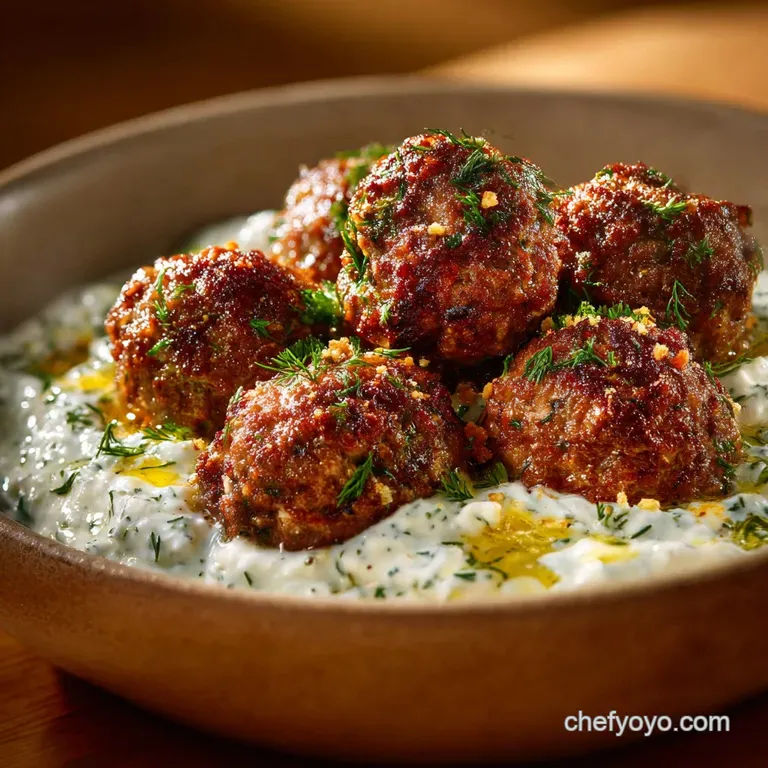
Unlocking the Magic of Keftedes: Why These Aren't Your Average Meatballs
I vividly remember my first bite of a proper Keftede (Greek Meatball). It wasn't the heavy, saucy American version I grew up with; it was bright, herbaceous, and impossibly tender. This dish is the culinary equivalent of standing on a sun-drenched Greek island, feeling the warm air and smelling the dry, wild oregano.
It’s a revelation a meatball defined not by its richness, but by its incredible freshness.
These aren't just ground meat cooked in a ball. The flavor profile relies on high impact, fresh ingredients that lift the beef or lamb, instead of weighing it down. We swap out heavy tomato sauces for the cooling contrast of Tzatziki, creating a dynamic balance that is utterly addictive.
Trust me, once you try this method, you’ll never look back.
The Essential Difference: Fresh Herbs and Feta Pockets
The heart of an authentic Keftede lies in the specific blend of fresh herbs. While parsley is standard, the mandatory inclusion of fresh mint is what separates a Greek meatball from all others. Mint adds a cooling quality that balances the deep umami of the meat and plays beautifully off the lemon zest.
Then there is the glorious feta. When you mix the crumbled feta directly into the raw meat mixture, it melts slightly during cooking, creating small, salty, tangy pockets that burst with flavor. This technique also helps keep the entire meatball moist from the inside out.
A Culinary Shortcut to the Mediterranean Coast
You might assume that creating such vibrant flavors requires hours of simmering, but this recipe is deceptively fast. The brilliance of Mediterranean cooking often lies in maximizing the power of simple, high-quality aromatics.
We use techniques like grating the onion to infuse moisture instantly and searing the exterior to build a deep crust.
This means you can have the scent of the Aegean filling your kitchen in under an hour. It’s the perfect weeknight meal that feels like an occasion.
The Perfect Pairing: Cool Tzatziki's Role in the Dish
If the Keftedes are the star, the homemade Tzatziki is the indispensable co-star. The meatballs are served piping hot, deeply savory, and rich; the Tzatziki is served fridge cold, tangy, garlicky, and refreshing.
This temperature and flavor contrast is the key to the entire dish's success. The yogurt sauce cuts through the fat from the ground meat, while the cucumber and dill cleanse the palate, preparing you for the next savory bite. It’s a textural and sensory masterpiece.
Building the Perfect Flavor Profile: Essential Components List
To truly master this dish, we need to focus on selecting ingredients that deliver texture, moisture, and maximum aromatics. Quality matters here, especially with the dairy and the herbs. A flavour profile this simple demands the best components, so let's walk through why certain choices are non-negotiable.
Crafting the Cool Contrast: Ingredients for Garlicky Tzatziki Sauce
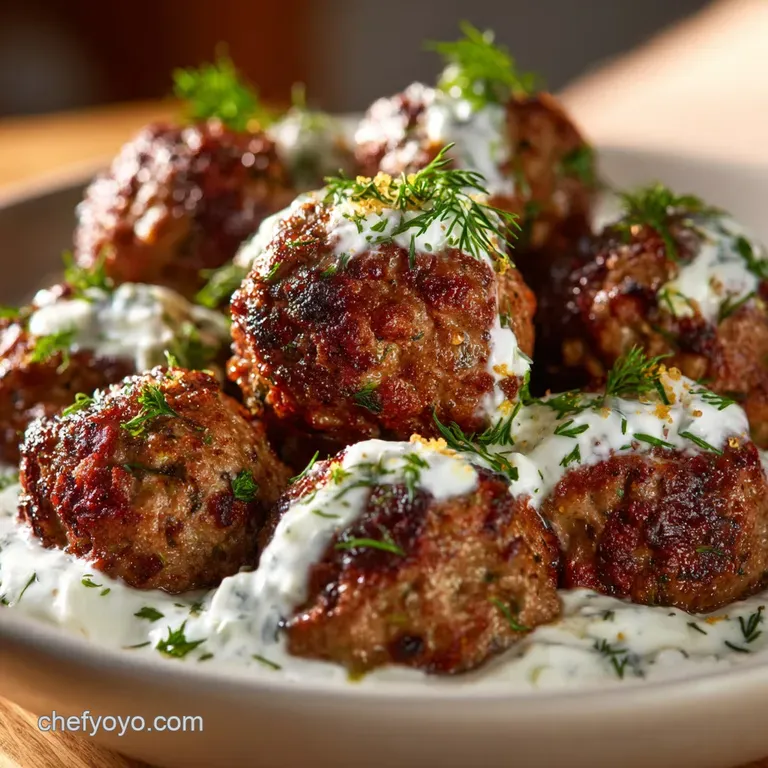
Making great Tzatziki starts with the base. You absolutely must use full fat Greek yogurt that has been strained. If you use regular yogurt, it will be thin and watery, regardless of how well you drain your cucumber.
The thickness of strained yogurt ensures that the sauce holds its shape and provides that creamy, luxurious mouthfeel we crave.
Selecting the Best Ground Meat for Tender Keftedes
I prefer a blend of beef and lamb (often a 70/30 or 80/20 mix). Lamb is traditionally used in Keftedes and provides a depth of flavour that beef alone often lacks. However, if you use 100% beef, aim for an 80/20 lean-to-fat ratio.
If your meat is too lean, the meatballs will inevitably dry out during cooking, and we certainly don't want that.
Secret Ingredients for Maximum Zest and Moisture
Beyond the feta, two ingredients ensure superior texture: Panko and grated onion. Panko breadcrumbs are lighter and airier than regular crumbs, resulting in a less dense, almost fluffy meatball. I also grate the red onion using a box grater instead of finely dicing it.
This turns the onion into a pulp that distributes moisture evenly throughout the mixture without leaving crunchy pieces. Finally, that generous tablespoon of lemon zest wakes up every single flavour.
Prepping Cucumber: The Crucial Step to Avoid a Watery Sauce
When dealing with Tzatziki, water is the enemy. Cucumbers are naturally full of moisture, and if you skip draining, your beautiful yogurt will turn into soup within minutes.
Grating the cucumber and squeezing it ruthlessly is the most important step in making a great Tzatziki. I usually wrap the grated cucumber in a clean tea towel and twist it until I feel like I physically can’t squeeze any more liquid out. That excess water is the difference between a dip and a dressing.
Tools of the Trade: Equipment for Effortless Prep
You don’t need specialized equipment, but a few key tools make the process much smoother and cleaner:
- Box Grater: Essential for pulping the onion and grating the cucumber quickly.
- Small Ice Cream Scoop (or Cookie Scoop): Perfect for scooping and forming uniformly sized meatballs. Uniformity ensures they all cook in the same amount of time.
- Wire Rack: If you have one, set it inside your baking sheet. Baking the Keftedes on a rack allows heat to circulate fully, preventing the bottom side from steaming.
Related Recipes Worth Trying
- Speedy Pesto Chicken with Zucchini Noodles The 35Minute Supper — Skip the heavy pasta This vibrant Pesto Chicken with Zucchini Noodles is a healthy chicken supper ready in 35 minutes Foolproof steps ensure perfect...
- Flavorful Skillet Chicken Fajitas Weeknight Sizzle with Chipotle Marinade — Achieve true restaurant sizzle with these Flavorful Skillet Chicken Fajitas Our smoky chipotle marinade ensures tender chicken and perfect char in under 35...
- 25Minute Healthy Pesto Chicken with Zucchini Noodles — Skip the stodgy pasta This vibrant Pesto Chicken with Zucchini Noodles is your easy weeknight dinner solution Juicy chicken and crisp zoodles tossed in...
step-by-step Guide to the Creamy Tzatziki Base
Start your cooking journey by getting the sauce ready, because the Tzatziki needs time in the refrigerator to allow its flavours to deepen and marry. Begin by combining your drained cucumber with the thick, strained Greek yogurt.
Notice how the base is already incredibly creamy and firm, thanks to the quality of the yogurt and the effort you put into the draining.
Next, fold in the essential aromatics: the finely minced garlic, the fresh dill or mint, a splash of olive oil, and lemon juice. Give it a good stir. The Tzatziki should smell incredibly bright and pungent already.
Combining the Yogurt and Drained Cucumber Base
Once combined, the sauce should hold its shape on a spoon. If it looks runny at all, you might need to add a touch more yogurt or ensure you didn’t accidentally use too much oil. Remember, we are aiming for a luxurious dip, not a dressing.
The refrigeration period is essential; cold Tzatziki contrasts perfectly with the hot, rich Keftedes.
Achieving the Ideal Flavor Balance: Adjusting Salt and Garlic
Garlic is a powerful flavour, and its intensity will actually mellow slightly during the chilling process. Taste the Tzatziki mixture before you chill it, and then again right before serving. You may find you need a small extra pinch of salt or a twist of fresh black pepper to bring everything into focus.
Don't be shy with the lemon juice either a little tang is necessary.
Mastering the Assembly and Cooking of Greek Meatballs with Tzatziki Sauce
The key to Keftedes is gentle handling. Start by mixing your non-meat components the egg, breadcrumbs, grated onion, and herbs together first. This ensures the seasonings are evenly distributed before the meat is introduced. Then, gently fold in the crumbled feta, trying not to break it up too much.
Mixing and Forming Uniform Keftedes
Finally, add the ground meat. Now, use your hands and mix only until the ingredients are just incorporated. Overmixing causes the proteins to tighten up, resulting in tough, bouncy meatballs. We want tender and crumbly!
After shaping them into uniform balls (using that scoop if you have one!), the brief chilling time is crucial; it firms up the fat and binder, ensuring they don't flatten or crack when they hit the hot pan.
Choosing Your Cooking Method: Pan-Frying vs. Baking Options
While you could certainly bake them entirely, I always recommend the sear then-bake method. Why? Because searing gives you that beautiful, deep, browned crust the maillard reaction —that adds immense depth of flavour.
Heat the oil until it shimmers and sear the meatballs in batches. Don't crowd the pan, or they will steam instead of brown. Once they are golden on all sides, transfer them to the oven to finish cooking evenly all the way through without burning the exterior.
Ensuring Internal Temperature for Juiciness and Safety
The biggest mistake people make is cooking meatballs until they are bone dry. Use a meat thermometer to pull them out as soon as they reach 165°F (74°C). Because of carry over cooking, they will remain juicy, and once you slice into them, you’ll see those vibrant herbs and melted feta pockets we worked so hard to achieve.
Let them rest briefly off the heat to redistribute those juices before serving.
Expert Tips for Flawless Greek Meatballs Every Time
Sometimes a few simple insights can make all the difference in execution.
- Oil Choice: Use standard olive oil for searing. Extra virgin olive oil has a low smoke point and will burn before your meat browns properly.
- Temperature Check: Ensure your pan is hot enough before you add the meatballs; a cold pan will cause sticking.
- The Bread Soak Test: If you aren't confident in your mix's moisture level, fry a tiny, teaspoon sized bit of the meat mixture first. Taste it, check the seasoning, and ensure it holds together. Adjust salt or add a splash of water if it seems too dry before rolling all of them.
Elevating Your Meal: Pairing and Variations for Greek Meatballs with Tzatziki Sauce
This dish is wonderfully versatile. While fantastic on its own, adding thoughtful pairings turns it into a magnificent, memorable meal.
How to Prevent Meatballs from Cracking or Drying Out
Cracking usually happens for two reasons: either the mixture was handled too aggressively, or the fat content was too low. Using the beef/lamb mix ensures enough fat. If you are using a very lean meat like ground turkey, you must compensate by adding 1-2 extra tablespoons of olive oil to the raw mixture.
Next,, ensure your searing time is brief; you only want colour, letting the oven handle the gentle cooking through.
make-ahead Strategies for Effortless Entertaining
These Greek meatballs are ideal for preparing ahead. You can mix and shape the Keftedes completely and store them, covered, in the refrigerator for up to 24 hours before cooking.
Similarly, the Tzatziki sauce is always better when made 4- 24 hours in advance, allowing the garlic and dill to fully perfume the yogurt.
Delicious Side Dishes That Complement the Aegean Flavors
I love building a meal that transports us immediately to the Mediterranean. Here are a few reliable pairings:
| Side Dish | Description | Why it Works |
|---|---|---|
| Horiatiki Salad | Classic Greek salad with tomatoes, cucumber, red onion, olives, and large block of feta. | Provides fresh acidity and crunch. |
| Lemon Rice (Rizoto) | Fluffy rice infused with lemon juice, zest, and oregano. | A soft base to absorb the rich meat juices and Tzatziki. |
| Pita Bread | Served warm and lightly grilled. | Essential for dipping and turning the meal into a handheld wrap. |
Storage and Reheating Advice for Leftovers
Store leftover cooked Keftedes and Tzatziki separately in airtight containers in the refrigerator for up to 3 days. When reheating the meatballs, avoid the microwave, which tends to make them rubbery.
The best approach is to warm them gently in a skillet with a splash of chicken broth, or in a 300°F (150°C) oven until just heated through.
Dietary Swaps: gluten-free and Turkey/Chicken Alternatives
If you need a gluten-free option, simply swap the Panko breadcrumbs for an equal amount of finely ground oats, or use gluten-free breadcrumbs. If you prefer a lighter protein, substituting ground turkey or chicken works beautifully; just remember to boost the moisture by adding a little extra olive oil or grated zucchini to the mix to prevent the final result from being too dry.

Authentic Greek Meatballs With Tzatziki
Ingredients:
Instructions:
Nutrition Facts:
| Calories | 1653 kcal |
|---|---|
| Protein | 39.3 g |
| Fat | 49.4 g |
| Carbs | 63.7 g |
| Fiber | 25.4 g |
| Sugar | 8.7 g |
| Sodium | 647 mg |
