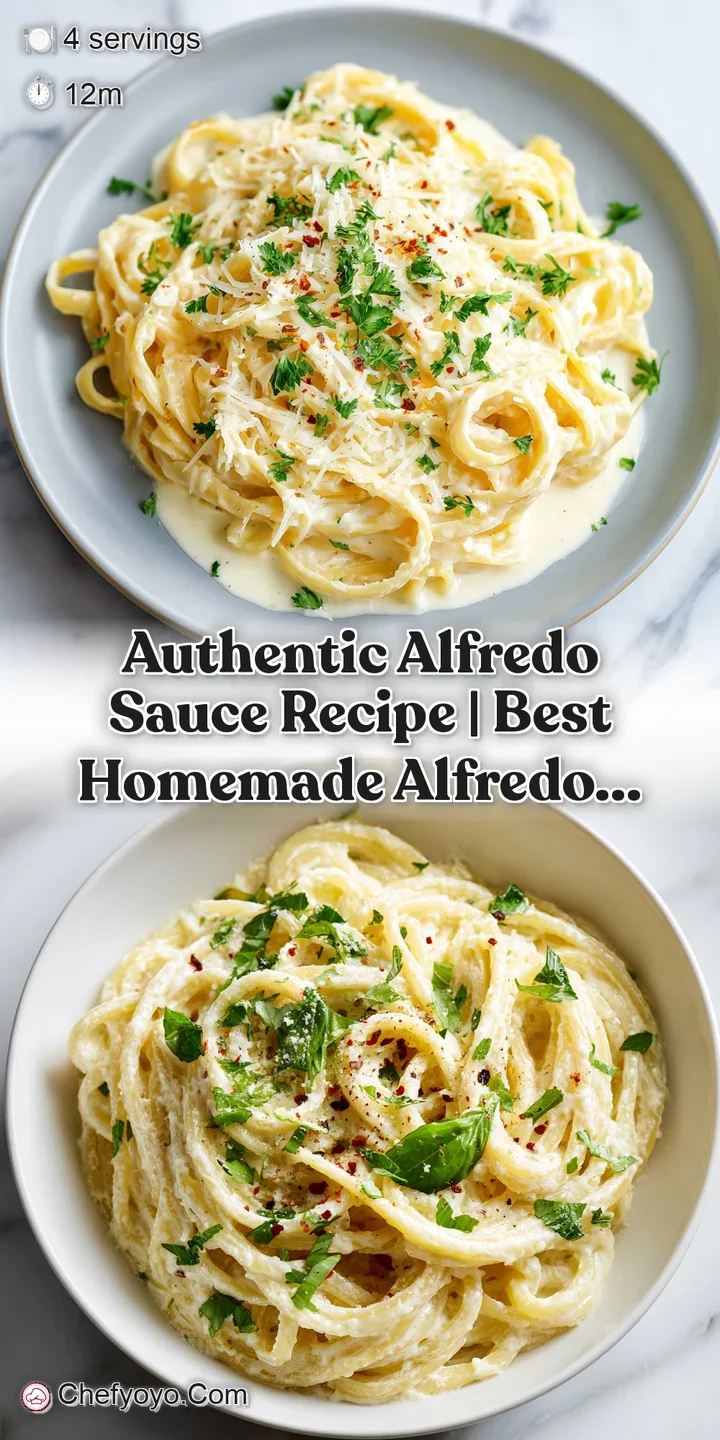
Authentic Alfredo Sauce: Creamy and Savory
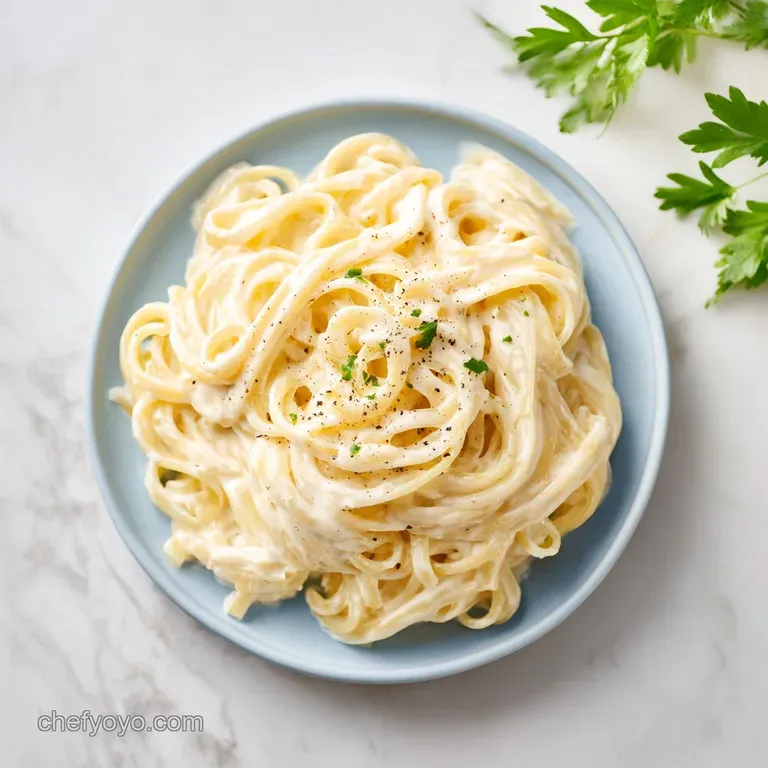
- Time: Active 5 minutes, Passive 7 minutes, Total 12 minutes
- Flavor/Texture Hook: Glossy, velvety, and deeply savory
- Perfect for: A quick weeknight luxury or a cozy weekend meal
- The Secret to This Alfredo Sauce Recipe
- Essential Quick Recipe Specifications
- Selecting Your Wholesome Ingredients
- Minimal Tools for Artisanal Results
- Mastering the Simple Cooking Process
- Fixing Texture and Consistency Issues
- Wholesome Flavor Variations and Twists
- Freshness Maintenance and Storage Guide
- Simple and Rustic Serving Suggestions
- Very High in Sodium ⚠️
- Recipe FAQs
- 📝 Recipe Card
The Secret to This Alfredo Sauce Recipe
Right then, let's talk about the big lie we've all been told about white sauces. You don't need a handful of flour or a thick, gummy roux to make a sauce that sticks to your fettuccine. Honestly, forget everything you know about starch being the only way to get a thick consistency.
Most people think they need to "build" a base with flour, but that often just masks the beautiful, wholesome flavors of the actual ingredients. This alfredo sauce recipe is all about the magic of reduction and the natural richness of aged cheese.
I remember the first time I tried making this without the safety net of a roux. I was terrified it would stay as thin as water. But as the cream bubbled and the whisk did its work, the kitchen filled with the most incredible artisanal aromas of toasted garlic and sweet butter. It was a total epiphany.
The sauce didn't just thicken, it transformed into a silky, glossy blanket that actually tasted like dairy and pepper, not like a library paste.
We are going for something rustic and real here. We want a sauce that feels artisanal but doesn't require you to stand over a stove for an hour. It's about knowing when to turn the heat down and when to let the whisk take over.
Trust me on this, once you see how the heavy cream reduces and marries with the Parmigiano Reggiano, you'll never go back to those jars of white sludge from the supermarket.
Essential Quick Recipe Specifications
When you are working with a 12 minutes total time window, precision is your best friend. This isn't a slow braised stew where you can guess the measurements. Because there are so few components, the quality and the ratio of each one matter immensely.
We are aiming for a sauce that is thick enough to coat a spoon but fluid enough to glide over every curve of the pasta.
| Cook Method | Time | Texture | Best For |
|---|---|---|---|
| Stovetop | 12 minutes | Silky and light | Immediate serving with fresh pasta |
| Oven (Bake) | 25 minutes | Crispy edges, bubbly | Casseroles or leftover pasta bakes |
If you decide to go the oven route, keep in mind that the cream will continue to reduce. I usually recommend the stovetop method for this specific alfredo sauce recipe because it gives you total control over the emulsion.
You can see the exact moment the cheese melts into the cream, turning it into a velvety masterpiece. If you're in a rush, the stovetop is the only way to go for that instant gratification.
Selecting Your Wholesome Ingredients
The beauty of a rustic sauce lies in the elements you choose. Since we are only using a handful of items, each one needs to pull its weight. Don't even bother with the pre shredded cheese in the green plastic bottle.
That stuff is coated in potato starch or cellulose to keep it from sticking together in the package, which is exactly what will make your sauce feel gritty and clumpy. You want a wedge of the real stuff that you grate yourself.
| Ingredient | Science Role | Pro Secret |
|---|---|---|
| Heavy Cream (360ml) | Liquid Base | Use minimum 36% fat to ensure the sauce doesn't break or curdle. |
| Parmigiano Reggiano (150g) | Thickener | Grate it on the smallest holes of your grater so it melts instantly. |
| Unsalted Butter (113g) | Emulsifier | Cold butter added at the start prevents the garlic from burning too fast. |
Utilizing Liquid Gold
The heavy whipping cream is the backbone of the texture here. When we simmer it for 3 to 4 minutes, we are evaporating the water content. This leaves behind the fats and proteins that give the sauce its structure. If you find yourself wanting a different profile, you might enjoy experimenting with a silky cream cheese sauce for a tangier finish. But for this classic version, the cream is what provides that signature mouthfeel.
For the Cheesy Finish
The Parmigiano Reggiano isn't just for flavor, it is the structural integrity of the dish. As the cheese melts, its proteins link up with the fat in the cream. This creates a stable network that stays smooth.
If the heat is too high when you add it, those proteins will tighten up and squeeze out the fat, leaving you with a literal ball of cheese floating in oil. That's why we take the pan off the heat before the cheese goes in.
Ingredients List: - 1/2 cup (113g) unsalted butter Why this? Provides the fat base for the garlic to bloom without burning. - 1 1/2 cups (360ml) heavy whipping cream (min 36% fat) Why this? The high fat content ensures a stable, velvety
reduction. - 2 cloves fresh garlic, minced Why this? Fresh garlic offers a sharp, aromatic bite that dried powder lacks. - 1 1/2 cups (150g) Parmigiano Reggiano cheese, freshly grated Why this? Natural salts and proteins create the perfect thick
emulsion. - 1/4 tsp ground nutmeg Why this? Adds a subtle earthy warmth that cuts through the heavy fat. - 1/2 tsp sea salt Why this? Enhances the natural nuttiness of the aged cheese. - 1/2 tsp cracked black pepper Why
this? Provides a sharp contrast to the creamy, rich base.
| Original Ingredient | Substitute | Why It Works |
|---|---|---|
| Heavy Cream | Whole Milk + Butter | Adds fat back to milk, though the sauce will be slightly thinner. |
| Parmigiano Reggiano | Aged Pecorino | Offers a saltier, tangier kick with a similar melting point. |
| Fresh Garlic | Garlic Confit | Provides a much milder, sweeter aroma than raw minced cloves. |
Minimal Tools for Artisanal Results
One mistake I once made was trying to make this in a tiny, thin bottomed pot. The heat was so uneven that the garlic scorched in seconds while the cream stayed cold. You really want a heavy bottomed skillet or a saucepan.
A wider skillet is actually better because it provides more surface area for evaporation, which means your cream reduces faster and more evenly.
You also need a good whisk. Not a fork, not a spoon, but a proper whisk. The goal is to keep the fat and liquid constantly moving so they stay married together. A silicone coated whisk is great if you're using a non stick pan, but a classic stainless steel one is my go to for getting into the edges of the pan where the cream likes to crust up.
Chef's Note: Always grate your cheese onto a piece of parchment paper before you start cooking. It makes it so much easier to slide the cheese into the pan in small handfuls without making a mess or losing half of it to the counter.
Mastering the Simple Cooking Process
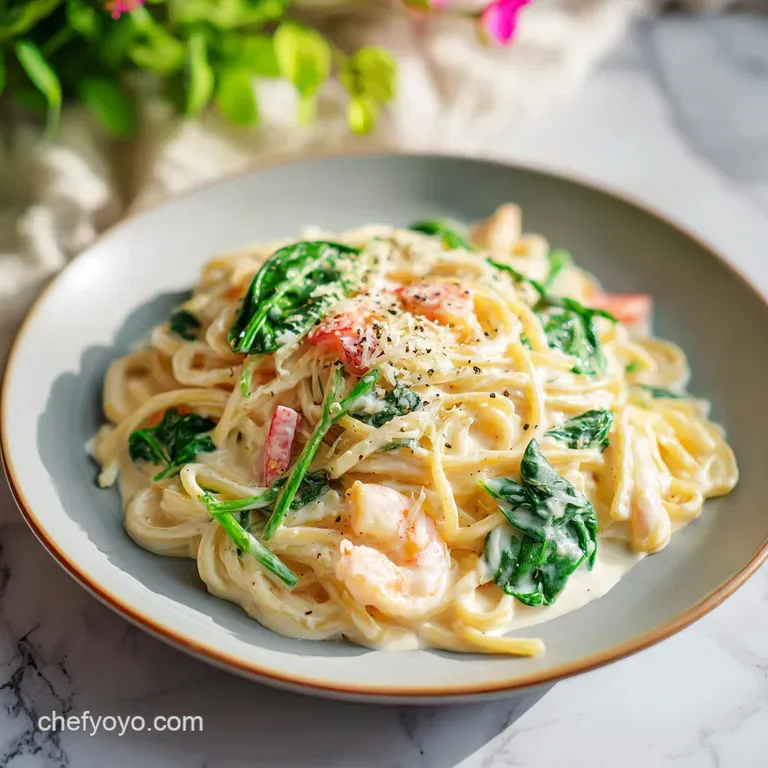
Place your heavy bottomed skillet over medium low heat and add the 113g of unsalted butter. Let it melt slowly until it begins to foam but keep a close eye so it stays golden and doesn't turn brown. Note: This gentle heat protects the delicate milk solids in the butter.
Toss in the 2 cloves of minced garlic. Sauté them in that foaming butter for exactly 1 minute until the aroma is nutty and fragrant. Note: If the garlic turns dark brown, it will taste bitter, so move fast.
Pour the 360ml of heavy whipping cream into the pan. Crank the heat up just a touch to medium and until you see a gentle simmer with small bubbles around the edges.
Keep whisking that cream for 3 to 4 minutes. You are looking for it to reduce until it is thick enough to coat the back of a spoon. Note: If you run your finger through the sauce on the spoon, the line should stay clear.
This is the most important part: remove the pan from the heat entirely. We don't want the direct flame to seize our cheese.
Gradually whisk in the 150g of grated Parmigiano Reggiano, just a handful at a time. Keep whisking until the sauce is completely melted and glossy.
Stir in the 1/4 tsp nutmeg, 1/2 tsp sea salt, and 1/2 tsp cracked black pepper.
Give it a final taste. The flavors should be wholesome and balanced, with the nutmeg providing a tiny hint of warmth.
Toss in your cooked pasta immediately. The heat from the noodles will help the sauce cling to every surface.
Serve it right away while the sauce is still velvety and flowing.
Fixing Texture and Consistency Issues
Sometimes things go wrong even with the best intentions. Maybe the phone rang, or the heat was a bit too high. The most common heartbreak with an alfredo sauce recipe is the dreaded "break," where the oil separates from the solids. It looks like a greasy mess, but it is usually fixable if you catch it early enough.
Rescuing a Broken Sauce
If you see oily puddles forming, your emulsion has failed. This usually happens because the cheese got too hot or the cream reduced too far. The fix is actually quite simple: whisk in a tablespoon of very hot pasta water. The starch and moisture in the water help the fats re bind.
If that doesn't work, you might find that adding a splash of cold cream while whisking vigorously will bring it back to its silky state.
Eliminating Gritty Textures
If your sauce feels like it has tiny grains of sand in it, that’s usually down to the cheese. Either it was pre shredded (and that cellulose is haunting you) or the sauce wasn't whisked enough while the cheese was melting. To prevent this, make sure the cheese is grated as fine as possible. For a different take on a smooth, flourless sauce, you could look into a peppery country gravy which uses similar principles of fat management to stay smooth.
| Problem | Root Cause | Solution |
|---|---|---|
| Oily Separation | Heat too high or over reduction | Whisk in 1 tbsp of hot pasta water or a splash of cold cream. |
| Clumpy Cheese | Adding cheese to boiling liquid | Remove from heat before adding cheese; add in small stages. |
| Thin/Watery | Not enough reduction time | Simmer for another 2 mins before adding cheese to evaporate water. |
Common Mistakes Checklist
- ✓ Don't use "shaker" cheese - it will never melt into a smooth sauce.
- ✓ Never let the cream reach a rolling, violent boil; a gentle simmer is all you need.
- ✓ Always take the pan off the burner before the cheese touches the liquid.
- ✓ Ensure your garlic is minced fine so you don't get big, raw chunks in a velvety bite.
- ✓ Use a heavy pan - thin pans create hot spots that scorch the dairy.
Wholesome Flavor Variations and Twists
While the classic version is hard to beat, sometimes you want a bit of a change. Because this base is so rich and neutral, it takes to other flavors quite well. I often like to add a squeeze of fresh lemon juice at the very end.
The acidity cuts through the heavy cream and makes the whole dish feel much lighter and brighter.
If you are feeling a bit more adventurous, you can try adding a tablespoon of white truffle oil or some sautéed wild mushrooms. The earthy, rustic notes of mushrooms are a natural partner for the nutty Parmigiano.
Just make sure to sauté the mushrooms separately so they don't release their water into your carefully reduced cream.
Adding a Zesty Kick
For those who like a bit of heat, adding a teaspoon of red pepper flakes to the butter while the garlic is sautéing is a game changer. The fat in the butter absorbs the capsaicin, spreading that warmth throughout the entire sauce. It creates a beautiful contrast with the cooling, rich cream.
Navigating dairy-free Needs
If you have guests who can't do dairy, you can replicate the texture using full fat coconut milk and nutritional yeast. It won't be an "authentic" alfredo, but the logic of reduction remains the same. You still need to simmer the liquid to thicken it and use a savory element to replace the saltiness of the Parmesan.
Freshness Maintenance and Storage Guide
Alfredo sauce is notoriously finicky when it comes to leftovers. Because it is an emulsion of fat and water, it tends to "set" into a solid block once it hits the fridge. If you find yourself with extra, store it in an airtight glass container. It will stay fresh for about 3 days.
I don't recommend freezing it, as the cellular structure of the cream often breaks during the thawing process, leaving you with a grainy, separated mess.
When it comes to reheating, the microwave is your enemy. It heats unevenly and will almost certainly cause the sauce to break. Instead, put the sauce in a small saucepan over the lowest heat possible. Add a splash of milk or water and whisk constantly as it warms up.
This helps "re emulsify" the fats and brings back that velvety texture we worked so hard to achieve.
Zero Waste Tips
Don't throw away that Parmesan rind! Even after you've grated all the cheese off, the rind is packed with flavor. Toss it into your next batch of vegetable soup or a pot of simmering beans.
It will slowly release its salty, savory essence, giving your humble broth an artisanal depth that you just can't get from a bouillon cube. Also, if you have leftover sauce that just won't behave, use it as a base for a white pizza or a savory bread pudding.
Simple and Rustic Serving Suggestions
The most traditional way to serve this is over fettuccine, but I find that any pasta with a bit of texture works beautifully. Rotini or shells are excellent because they have little nooks and crannies that trap the sauce.
If you want to keep things wholesome and lower in carbs, this sauce is absolutely stunning draped over roasted cauliflower or steamed broccoli.
I also love serving this with a simple side of crusty, artisanal sourdough. There is nothing better than using a piece of warm bread to swipe up every last drop of that glossy sauce from the bottom of the bowl. It turns a simple meal into something that feels like a celebration of good ingredients and careful cooking.
If you are scaling this for a crowd, remember that the sauce thickens as it cools. If you're hosting a dinner party, keep a little bit of the hot pasta water on the side. Right before you serve, if the sauce looks a bit tight, whisk in a tablespoon of that water to loosen it up and restore that perfect, flowing consistency.
It's a small trick that makes a massive difference in presentation. When doubling the recipe, just remember to keep your spices to about 1.5x the original amount and adjust to taste at the very end sometimes double the salt is just too much when you account for the cheese.
Very High in Sodium ⚠️
887 mg 887 mg of sodium per serving (39% (39% of daily value))
The American Heart Association recommends limiting sodium intake to 2,300mg per day, with an ideal limit of 1,500mg for most adults.
Tips to Reduce Sodium
-
Reduce Added Salt-25%
Significantly decrease the amount of sea salt added. Start by halving it and adjust to taste as other flavors become more prominent.
-
Lower Parmigiano Reggiano-15%
Parmigiano Reggiano is a major source of sodium. Use half the amount or consider a blend with a lower sodium hard cheese, while still enjoying its umami.
-
Boost Herbs and Spices
Enhance flavor without salt by incorporating fresh or dried herbs like parsley, basil, or chives, and spices like red pepper flakes or extra nutmeg.
-
Emphasize Garlic and Pepper-5%
Increase the quantity of fresh garlic and cracked black pepper to amplify the dish's savory notes and create a more robust flavor profile.
Recipe FAQs
What are the main ingredients in Alfredo sauce?
The essential components are butter, heavy whipping cream, fresh garlic, and Parmigiano Reggiano. You will also need ground nutmeg, sea salt, and cracked black pepper to round out the flavor profile.
What is the secret to a good Alfredo sauce?
Temperature control is the absolute key to success. Always remove the pan from the heat before adding your cheese to prevent the fats from separating, and if you enjoyed mastering this emulsification technique, you can apply the same principle to our creamy garlic parmesan sauce.
Can I use milk instead of heavy cream in my Alfredo sauce?
No, it is highly recommended to use heavy whipping cream. Milk lacks the necessary fat content (minimum 36%) to thicken properly, which will result in a thin, watery sauce rather than the intended velvety texture.
How to make simple Alfredo sauce?
Melt the butter in a heavy bottomed skillet over medium low heat until it foams. Sauté the minced garlic for one minute, stir in the heavy whipping cream, and simmer while whisking for 3 4 minutes until it coats the back of a spoon.
Is it true I can use pre-grated cheese for a faster sauce?
No, this is a common misconception that ruins the sauce. Pre-grated cheese contains anti caking agents like cellulose that prevent it from melting smoothly, leading to a gritty or grainy texture instead of a glossy finish.
How to prevent the cheese from seizing or clumping?
Remove the skillet from the heat entirely before introducing the cheese. Gradually whisk in the freshly grated Parmigiano Reggiano one handful at a time, ensuring each batch is fully melted and incorporated before adding more.
What is the best way to handle the cream during the reduction process?
Maintain a gentle simmer rather than a rolling boil. Keep your heat at medium and whisk constantly to ensure even reduction and prevent the dairy from scorching on the bottom of the pan.
Authentic Homemade Alfredo Sauce
Ingredients:
Instructions:
Nutrition Facts:
| Calories | 661 kcal |
|---|---|
| Protein | 15.9 g |
| Fat | 65.8 g |
| Carbs | 3.6 g |
| Fiber | 0.1 g |
| Sugar | 2.4 g |
| Sodium | 887 mg |
